

Ever thought about how tiny critters can work wonders in your aquarium? Adding invertebrates like snails, shrimp, and even some corals might seem a bit out there, but they quietly help keep your tank balanced. They nibble up leftover food, help keep algae in check, and move the gravel around to improve water flow, basically, they're nature's own cleaning crew.
I remember when I first tried adding these little helpers, I was amazed at how quickly my tank began to look healthier. It’s like inviting a team of tiny caretakers that bring a burst of natural energy to your underwater world. In truth, including these small friends can make your aquarium a thriving, peaceful home for all your aquatic pals.
How Integrating Invertebrates Improves Your Aquarium Ecosystem
Adding little critters like snails, shrimp, crayfish, clams, corals, and anemones to your tank gives it a natural boost. These tiny helpers work quietly, much like the gentle ripple of water on smooth stones, keeping your aquarium clean and balanced. They nibble on extra food, manage algae, and even stir the gravel to help water move around better.
| Benefits of Invertebrates |
|---|
| They help keep algae in check on your tank surfaces. |
| They munch on leftover bits that can cloud the water. |
| They manage biofilm and support healthy bacteria levels. |
| They stir the substrate to boost water flow. |
| They act as a buffer against sudden changes and disease. |
| They create a stable, balanced home for all your aquatic pals. |
By welcoming these small creatures, you're inviting nature's own cleaning crew into your tank. It’s like giving your aquarium a boost of natural spirited energy, helping it stay vibrant and ready to adapt, even when things change.
Tailoring Invertebrate Species Selection for Your Aquarium Ecosystem

Imagine your tank as a little underwater community where every creature has a job to do. When choosing invertebrates, you want species that get along because they need the same water conditions and space. In short, look for friends that work well together. Sometimes, one critter might not feel comfortable if the water flow or lighting is different, so matching their needs is key.
Think about your tank as a cozy home. For example, freshwater snails like Nerite or Mystery snails and shrimp such as Cherry or Amano need water with just the right pH and temperature, like a perfect mix for a smooth swim. In saltwater tanks, sea anemones need steady, clean water with special lighting, while hard corals enjoy a strong current. With each species doing its part, your aquarium naturally helps control algae, cleans up extra food, and even keeps the bottom lively.
Below is a simple guide to help you choose the best invertebrate friends:
| Species | Ideal Parameters | Primary Role |
|---|---|---|
| Nerite Snail | pH 7-8; Temp 72-82°F | Algae control |
| Cherry Shrimp | pH 6.8-7.5; Temp 70-78°F | Biofilm consumption |
| Electric Blue Crayfish | pH 7.2-8; Temp 72-80°F | Substrate aeration |
| Sea Anemone | Stable water; Bright lighting | Symbiotic partner |
| SPS Coral | High flow; Intense lighting | Habitat formation |
| Cleaner Shrimp | Consistent water; Moderate nutrients | Scavenging and cleaning |
When you keep these details in mind, every invertebrate boosts your tank’s health, creating a balanced and vibrant underwater world that feels as calming as a gentle ripple on a sunny day.
Preparing Your Aquarium Habitat for Invertebrate Integration
Begin by picking a soft base like fine gravel or gentle sand, and add natural touches with pieces of marine live rock or limestone. This setup mimics a real underwater world. You can also toss in driftwood, caves, or even PVC pipes to create little hideouts for your tiny friends. I remember one time, I arranged driftwood and small rocks like a secret playground, and my shrimp wasted no time turning it into their own hideaway.
Then, think about the water itself. Tinker with the flow, the lighting, and how the water moves around. Adjusting these settings helps keep creatures like corals and anemones happy, but if you've got more delicate critters such as shrimp or snails, a softer, gentler current, kind of like a peaceful stream, works best. It’s all about finding that sweet spot where every fish and invertebrate feels safe and at home.
Finally, bring in some greenery or more live rock to offer extra nooks and grazing spots. Freshwater plants like Anubias, Java Ferns, and Amazon Swords, along with soft carpet plants and Cryptocoryne, add a lush, natural look. Floating plants can give your tank that extra bit of shelter and a little cozy corner for breeding. I once mixed a bunch of vibrant plants and live rock, and it felt like my tank turned into a snug underwater garden where every critter found a special spot.
Step-by-Step Acclimation and Introduction of Invertebrates
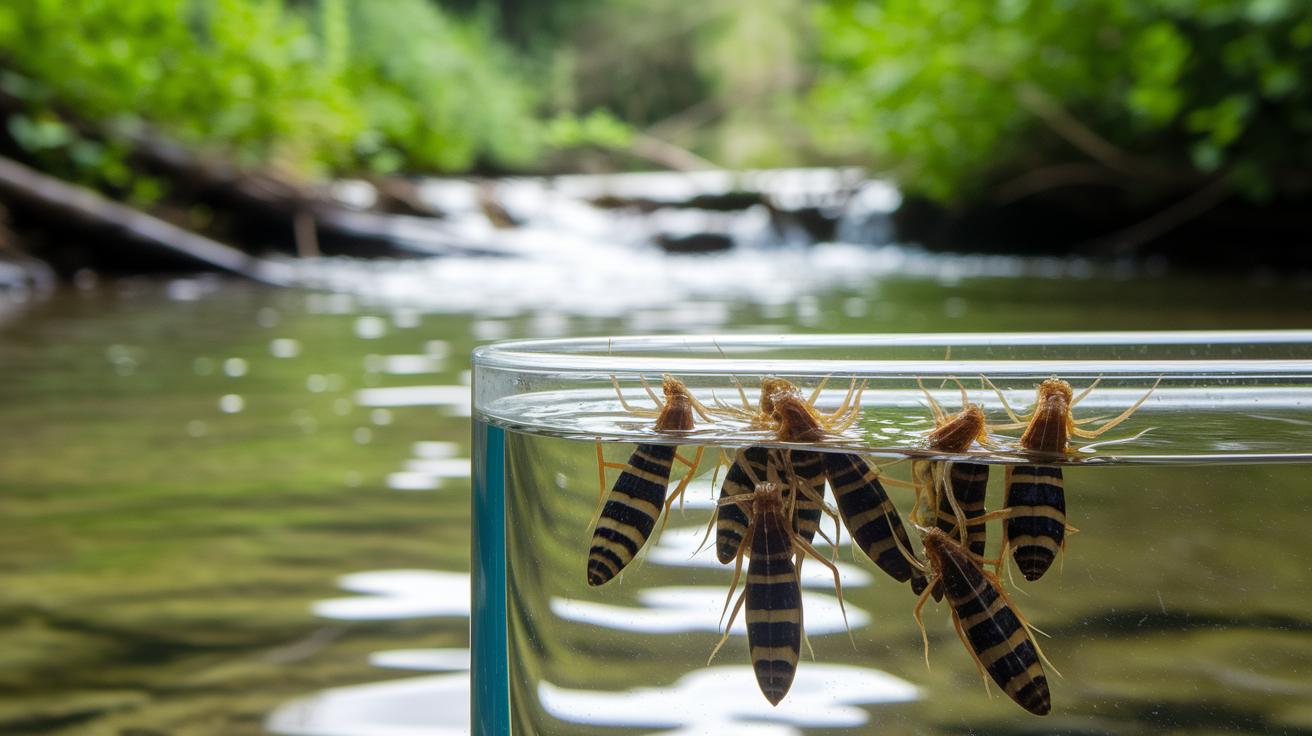
Welcoming new invertebrates is much like introducing a friend to a gentle stream. Taking it slow helps them settle in without stress, just as a calm current eases everything into place.
-
First, keep your new friends in a separate container. This small quarantine prevents any unwanted bugs or germs from upsetting your main aquarium.
-
Next, start a gentle drip acclimation. Over one to two hours, slowly pour a little tank water into their container. This helps ease them into a familiar water setting.
-
During this process, keep a close watch on the water temperature and chemistry. Think of it like checking if the water feels just right before enjoying a swim.
-
When everything seems balanced, carefully release the invertebrates into the main tank. It’s like letting a tiny fish glide into a welcoming pond.
-
Place each creature near a favorite spot, close to plants or nestled in rock crevices, to help them feel at home. This gives them a cozy corner where they can relax and explore.
-
If needed, observe each newcomer separately for a short time to see how they react. This little one-on-one check can make all the difference in their adjustment.
During the first 24 hours, keep a friendly eye on your new pals. Look out for any signs of stress or odd behavior and be ready to tweak the setup if needed. Ever notice how a calm, balanced tank can feel as soothing as a quiet stream? Enjoy watching your invertebrates settle into their new home.
Monitoring Water Chemistry to Sustain Invertebrate Health
Keeping your tank's water in check is like giving your underwater pals a steady heartbeat. Every week, check your water for ammonia (0 ppm), nitrites (0 ppm), nitrates (below 20 ppm), pH (between 6.8 and 8.4, based on your critters), temperature (72–82°F), and water hardness set just right for your little invertebrates. Even a tiny shift in pH can upset the balance, like how a small ripple can disturb a calm pond.
Reliable filters are the unsung heroes here. Whether you use a sponge filter, trickle filter, or add some live rock, these tools help grow the good bacteria that keep dangerous chemicals away. Imagine water gently flowing over rocks, that's exactly how these filters work to ease your worries and keep things stable.
Don’t forget to change your water and clean the substrate too. Changing 10–20% of your water every two weeks and vacuuming out the debris keeps your tank sparkling clear. This regular upkeep creates a balanced space where your invertebrates can flourish, much like a well-tended underwater garden.
Optimizing the Cleaning Crew and Biodiversity in Your Tank

Imagine your cleaning crew as a close-knit team where every little critter plays its own special part. Snails slowly move along the glass and decorations, gently nibbling away unwanted algae. Shrimp, with their patient nature, eat away at the slimy biofilm. Meanwhile, hermit crabs and starfish wander the tank's bottom, picking up bits of debris and loosening them so they can be swept away. When all these creatures work together, they create a natural balance that keeps your tank healthy, almost like a team where everyone has a role that helps the whole group thrive.
Having a mix of different cleaners stops any one species from taking over, which helps keep the ecosystem balanced. Adding tiny helpers like pods and worms gives an extra boost to the diet of your tank’s invertebrates. Each member of the crew works on its own task, shrimp clean the biofilm, snails munch on algae, and crabs with starfish take care of organic leftovers. This team approach not only makes your tank look appealing but also builds a strong and resilient ecosystem where every creature supports the others.
Sometimes, giving your team a little extra boost with specially made foods can work wonders. A few small servings of natural, organic snacks ensure that even when nature is doing its job, your cleaning crew stays healthy, active, and ready to take on the next cleaning task.
Troubleshooting Common Invertebrate Integration Challenges
When extra nutrients fuel unwanted algae, it can quickly turn your tank into a murky, green scene. If you spot these algae blooms, try boosting your scavengers and doing a water change, replacing about 10–20% of the water, to bring things back into balance.
Sometimes, other fish start showing too much interest in your delicate invertebrates, almost like they’re eyeing them as a snack. If your fish seem overly curious about your shrimp or snails, consider moving any overly assertive species or creating a small, safe corner in your tank where these little creatures can hide and feel secure.
Sudden shifts in water parameters, like quick changes in pH or temperature, can really unsettle your invertebrates, much like a sudden chill in a familiar current. Instead of making abrupt adjustments, use stabilizers and slowly modify your heater settings. When you sense something is off, check your water with a test kit and adjust gradually to keep the environment calm.
If you start noticing a drop in the number of invertebrates, it might mean your tank conditions are a bit unsettled. It’s a good idea to check for ammonia or nitrites within 24 hours. This quick test helps pinpoint if the issue is due to a quick shift in conditions or another factor, giving you the chance to smooth things out before they get worse.
Final Words
In the action, the article showed how best care comes from embracing each step, from understanding invertebrate integration and its many benefits to selecting the right critters for your tank. We covered preparing your habitat, acclimating species, and keeping water chemistry just right. Every tip helps create a vibrant, comfortable underwater space. Integrating invertebrates into your aquarium ecosystem makes for a balanced and lively environment. Enjoy the wonder of your refreshed aquatic home and keep nurturing that special underwater world.
FAQ
How does integrating invertebrates improve your aquarium ecosystem?
Integrating invertebrates boosts your aquarium by naturally controlling algae, breaking down debris, balancing bacteria, and aerating the substrate. This holistic support creates a harmonious, healthy home for your aquatic life.
How do I select the best invertebrate species for my aquarium?
Choosing the right invertebrates means matching species compatibility with your tank’s size, water conditions, and specific roles. This approach helps create a balanced community with proven candidates like nerite snails or cleaner shrimps.
How do I prepare my aquarium habitat for invertebrate integration?
Preparing your habitat involves setting up appropriate substrate, décor, and hiding spots along with adjusting flow and lighting. This thoughtful design ensures a safe and inviting space for invertebrates to thrive.
What steps should I follow when introducing invertebrates to my tank?
Introducing invertebrates involves a careful process that includes quarantining new arrivals, drip acclimation, slow release near preferred microhabitats, and monitoring their behavior during the first day for a stress-free transition.
How should I monitor water chemistry to sustain invertebrate health?
Monitoring water chemistry means regularly testing parameters like ammonia, nitrites, nitrates, pH, and temperature while using efficient biological filters and routine water changes to create a stable, supportive environment.
How can I optimize the cleaning crew and biodiversity in my tank?
Optimizing your cleaning crew involves pairing snails, shrimp, crabs, and other microfauna to address algae and debris buildup. This balanced mix naturally enhances both cleaning efficiency and overall tank vitality.
What common challenges come with integrating invertebrates, and how can I address them?
Common challenges such as algae blooms, predation, sudden parameter swings, or minor die-offs can be managed by adjusting water changes, setting up extra hiding spots, and carefully monitoring tank conditions for early intervention.