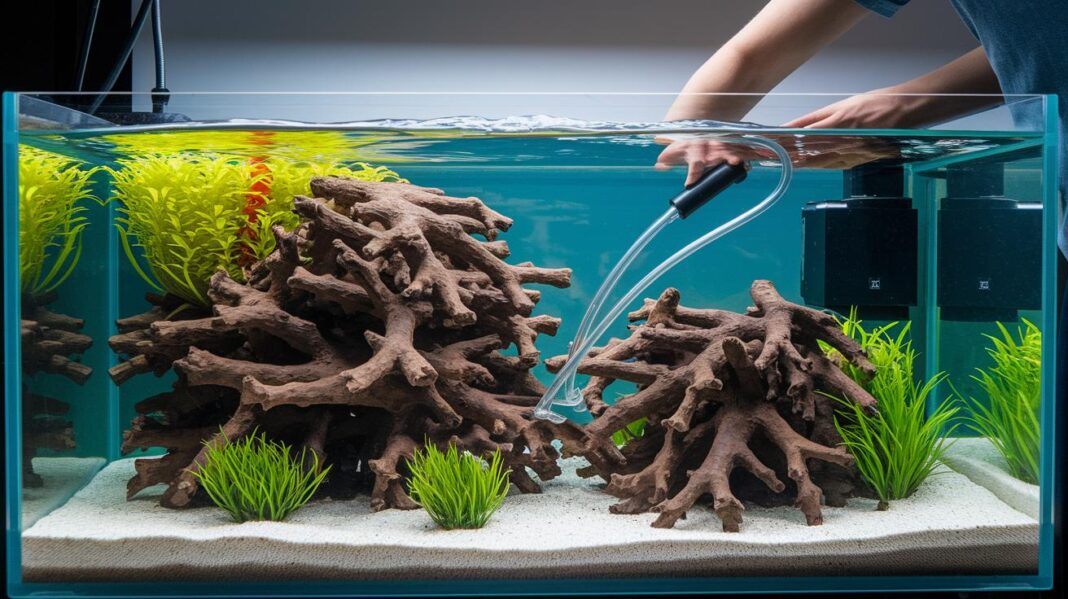

Have you ever thought that a simple water change might be the trick to a perfect aquarium? Picture cleaning up your room, just a little refresh can make everything look neat and welcoming. In this post, I’ll share how mixing water changes with your regular tank cleaning can keep your aquarium calm and balanced. By adding each water change to your planned routine, you not only wash away the waste but also set the stage for a healthier underwater world. Trust me, a bit of water care can really make a big splash with your fish!
Key steps for integrating water changes in aquarium maintenance
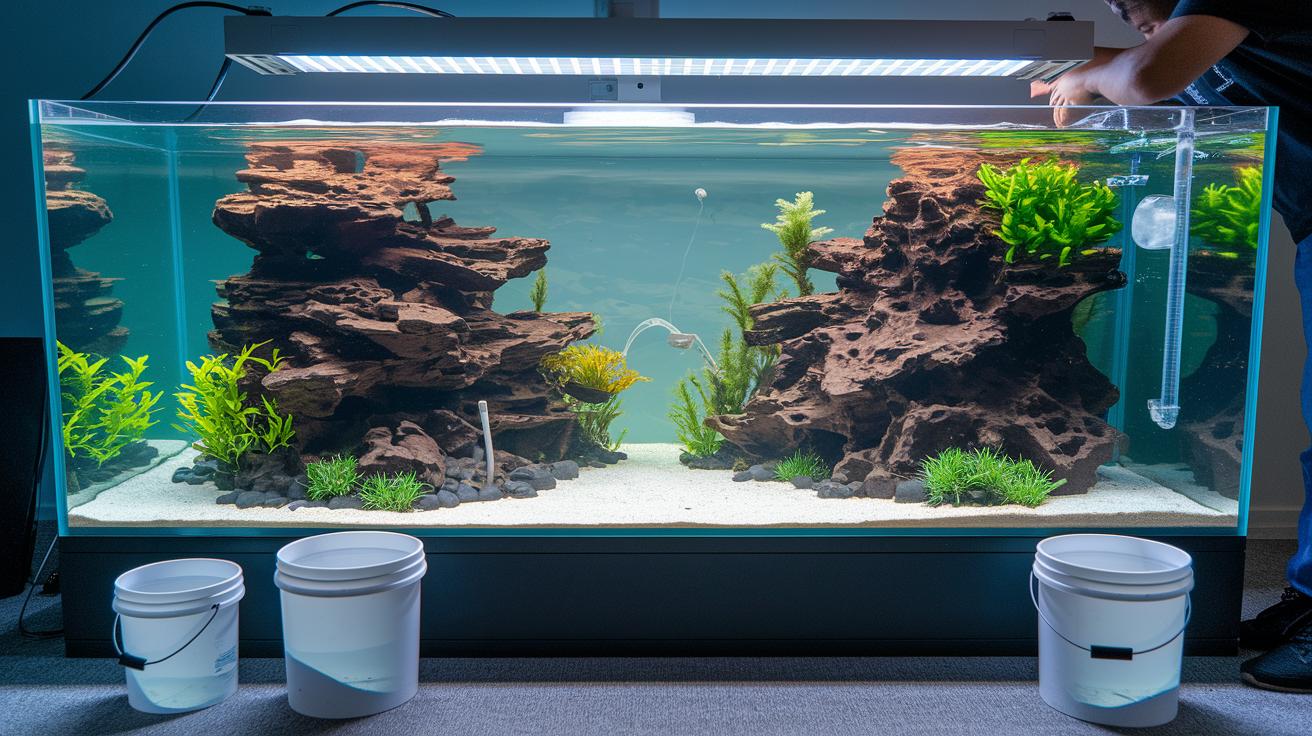
Water changes are the heart of a thriving aquarium. They help clear out extra nutrients and waste that can make algae grow and stress your fish. Think of it like tidying up your room, flushing out unwanted chemicals keeps everything neat and cozy for your finned friends.
Before you start, grab your buckets, hoses, water conditioner, and heater. Getting everything together beforehand is like setting up a perfect stage for a smooth performance. A little planning goes a long way in keeping your aquarium sparkling.
Don't forget to treat your tap water with a dechlorinator so chlorine doesn’t harm the good bacteria or upset your fish. Also, make sure the new water is close in temperature to what’s already in the tank, within about 5 °C, to avoid shocking the fish. With these simple steps, changing your aquarium water becomes an easy and natural part of caring for your underwater world.
Creating a combined schedule for water changes and cleaning tasks
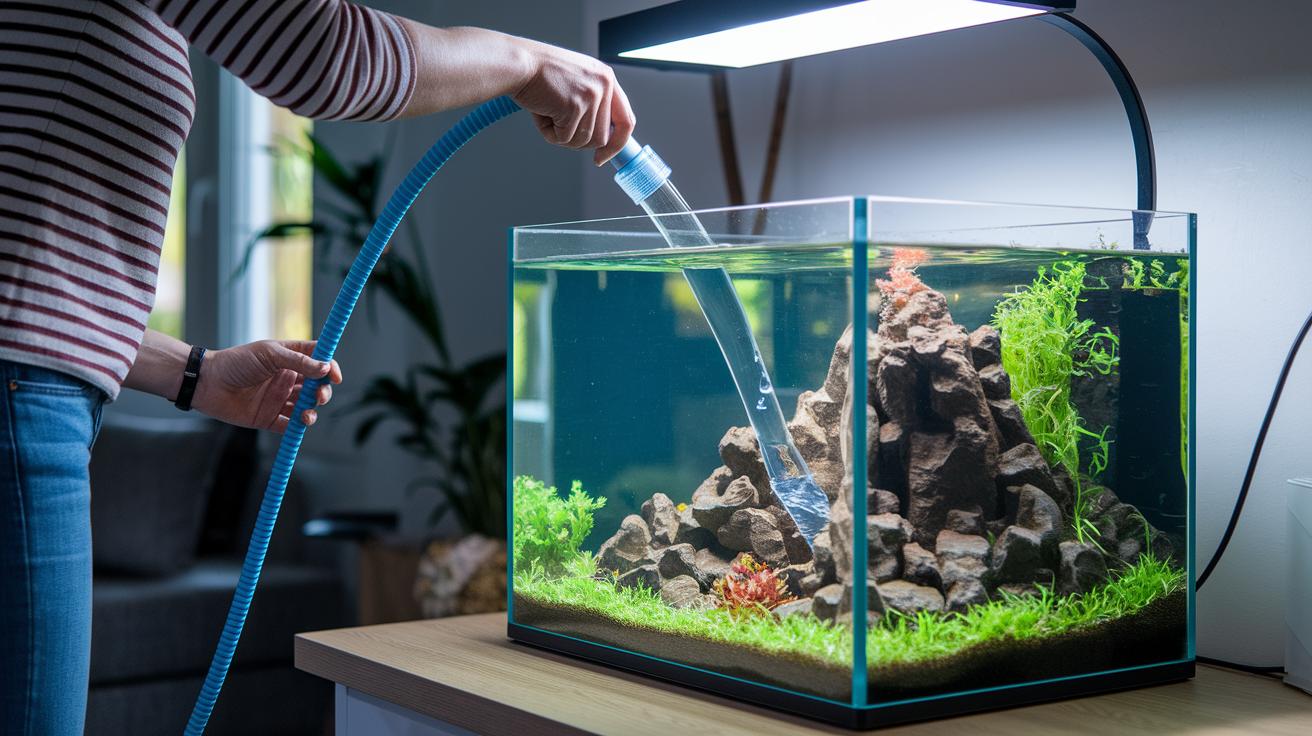
Keeping a regular maintenance routine is key to a happy aquarium. Many fish lovers find that changing 10–20% of the water each week or 25–30% every two weeks for community tanks keeps everything calm and balanced. It's a bit like spring cleaning, when you mix water changes with cleaning filters, vacuuming the substrate, and polishing the glass, your routine runs smoother and saves you time.
Begin by picking a day in your week that works best. Maybe Saturday morning is perfect for refreshing your tank and tidying its area. Before you start, gather your tools: a siphon hose, a bucket, a sponge, and a test kit. Think of it like laying out ingredients for your favorite meal so everything is in place for an enjoyable tank care session.
Then, treat your new water with a dechlorinator and check its pH right away. Always make sure the temperature of the new water is within 5 °C of your tank's water. One handy tip: if the new water feels much colder or warmer, use a heater or thermometer to match the tank conditions. This little step helps keep your delicate aquatic friends stress-free.
For more details on how often you should change the water, check out the article on aquarium water changes, and for a well-planned cleaning routine, take a look at the aquarium cleaning schedule tips. Using this combined calendar not only saves time but also supports the well-being of your underwater community.
Essential tools and products for efficient integrated maintenance
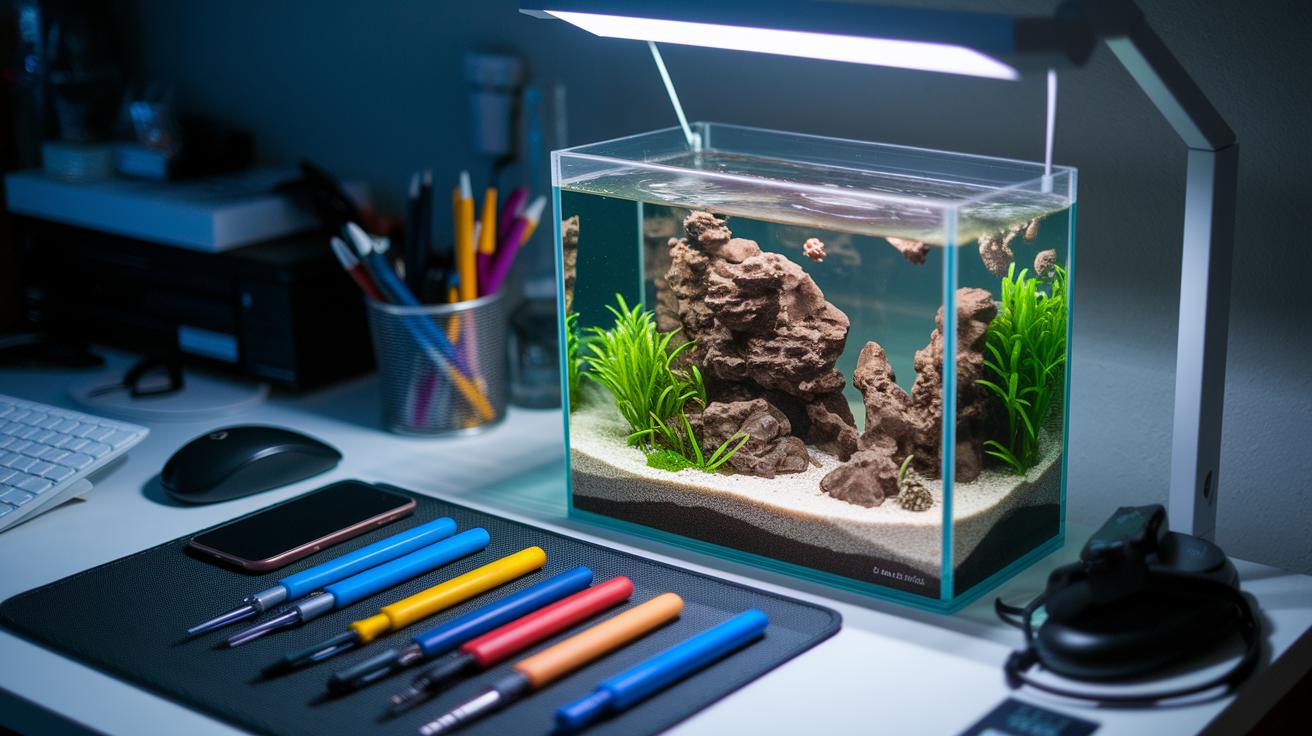
Before you dive into your regular tank care, it’s best to gather all your tools first. Think of it like laying out your art supplies before starting a painting, the smoother your setup, the easier your water changes, filter cleaning, and tank tidying will go. Getting everything ready ahead of time means your work flows naturally, keeping your fish happy and safe.
It’s a bit like prepping your favorite recipe. You set your gravel vacuum and test kit aside, knowing exactly how each tool helps your tank sparkle. This little bit of planning can take a lot of stress off your mind during maintenance. Here’s a simple list of items to keep on hand:
| Item | Purpose |
|---|---|
| Gravel vacuum or siphon | Cleans the substrate |
| Algae scraper or magnetic cleaner | Cleans the glass |
| Replacement filter cartridges or media | Keeps your filtration system running strong |
| Water conditioner | Eliminates chlorine and chloramine |
| Test kits for pH, ammonia, nitrite, nitrate | Monitors water quality |
| Buckets, hoses, and spigots | Helps with water transfer |
| Spare heater or submersible thermometer | Keeps an eye on water temperature |
| Automatic dosing system (e.g., GHL Doser Maxi) | Makes partial changes easier |
Step-by-step integration of water changes, filter services, and substrate care
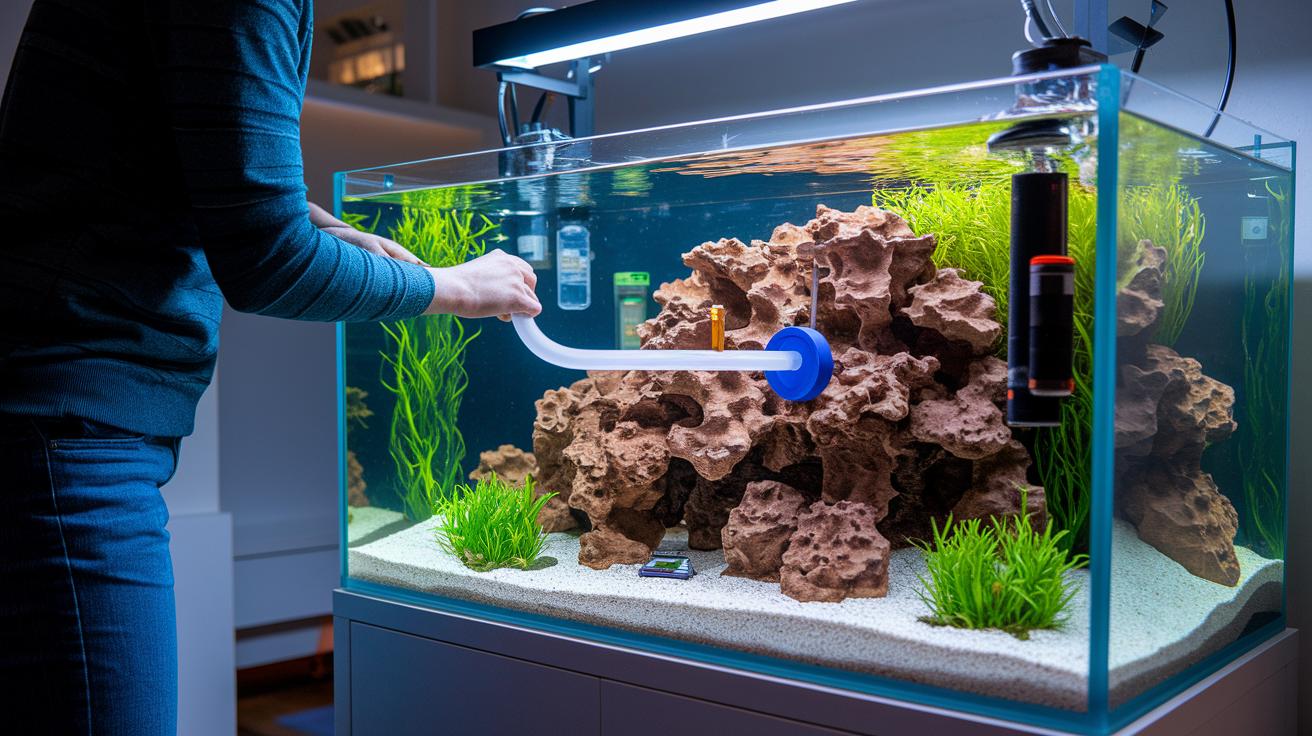
When you first get ready to work on your tank, take a moment to learn about your fish and plants. Check what water conditions they like, such as the right pH, temperature, and water hardness. Gather your trusty tools, like a siphon, buckets, and water test kits, so you don’t miss a beat. Once everything’s set, turn off your equipment (like heaters, filters, and pumps) to keep things safe during your cleanup. This calm preparation is just like setting the stage for an easy, flowing day.
Next up, gently remove 10–20% of your tank water using your gravel vacuum. As you siphon, take care to clean the substrate by stirring up and scooping away leftover food and debris. This step not only refreshes the water but also gives your plants and decorations a friendly little scrub. Move slowly around every corner, ensuring the entire bottom is free of waste, much like smoothing out pebbles along a riverbed.
Now, let’s talk about your filter system. After you’ve let some water flow out, take a moment to work on your filter. Remove the filter media and give it a good rinse, or swap it out if that’s what the manufacturer suggests. Don’t forget to wipe down the filter housing too, so all that unwanted buildup goes away. A well-cared-for filter makes a big difference, keeping your water clear and your tank safe for all its underwater pals.
After cleaning, it’s time to refill your tank. Use fresh, dechlorinated water that’s nearly the same temperature as what’s already inside, ideally within 5°C of your tank water. Pour it in slowly to avoid kicking up any settled debris. Once your tank is back full, mix in the right additives like minerals or buffers so that your fish and plants feel right at home in their refreshed space.
Finally, give your tank a little check-up after about 1–2 hours. Use your test kits to measure the pH, ammonia, nitrite, and nitrate levels. This final test helps you see that your tank is balanced and happy, ensuring a safe underwater world for all your aquatic friends.
Monitoring water parameters and ecosystem balance post-maintenance
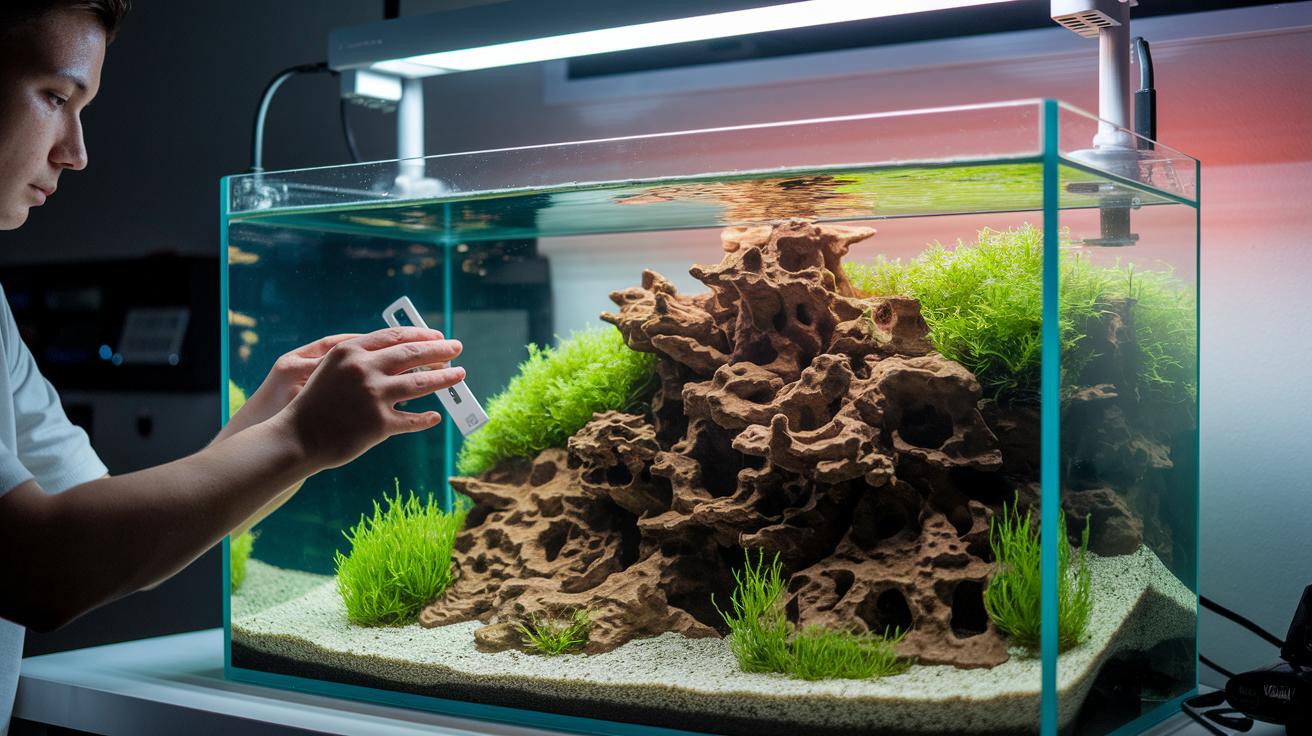
After you finish your cleaning routine, it’s time to check your water. This step is just as important as checking on a pet's health. Start by testing key values like pH, ammonia, nitrite, nitrate, and temperature. For instance, the pH should be between 6.8 and 7.5, while ammonia and nitrite must be 0 ppm. Keep nitrate under 20 ppm, and set the temperature to suit your fish’s species.
Test your water right after you make changes and then again 24 hours later to catch any shifts. Live plants can help keep the pH and dissolved solids steady, which makes your tank a bit more forgiving if little changes occur. If you spot any color changes from tannins or other organics, think about using Purigen or activated carbon. When adding buffers or mineral supplements, do it slowly to avoid sudden water chemistry swings. And of course, keep an eye on your fish. If they’re breathing quickly or hiding, that might mean they’re feeling stressed by the new setup.
| Parameter | Ideal Range | Testing Frequency |
|---|---|---|
| pH | 6.8–7.5 | After change, then daily |
| Ammonia | 0 ppm | After change, then daily |
| Nitrite | 0 ppm | After change, then daily |
| Nitrate | < 20 ppm | After change, weekly |
| Temperature | Species-specific | Continuous |
Regular checks like these help you catch problems before they upset your tank’s balance. This way, both your plants and fish can thrive in a stable and healthy home.
Troubleshooting common issues in integrated aquarium maintenance
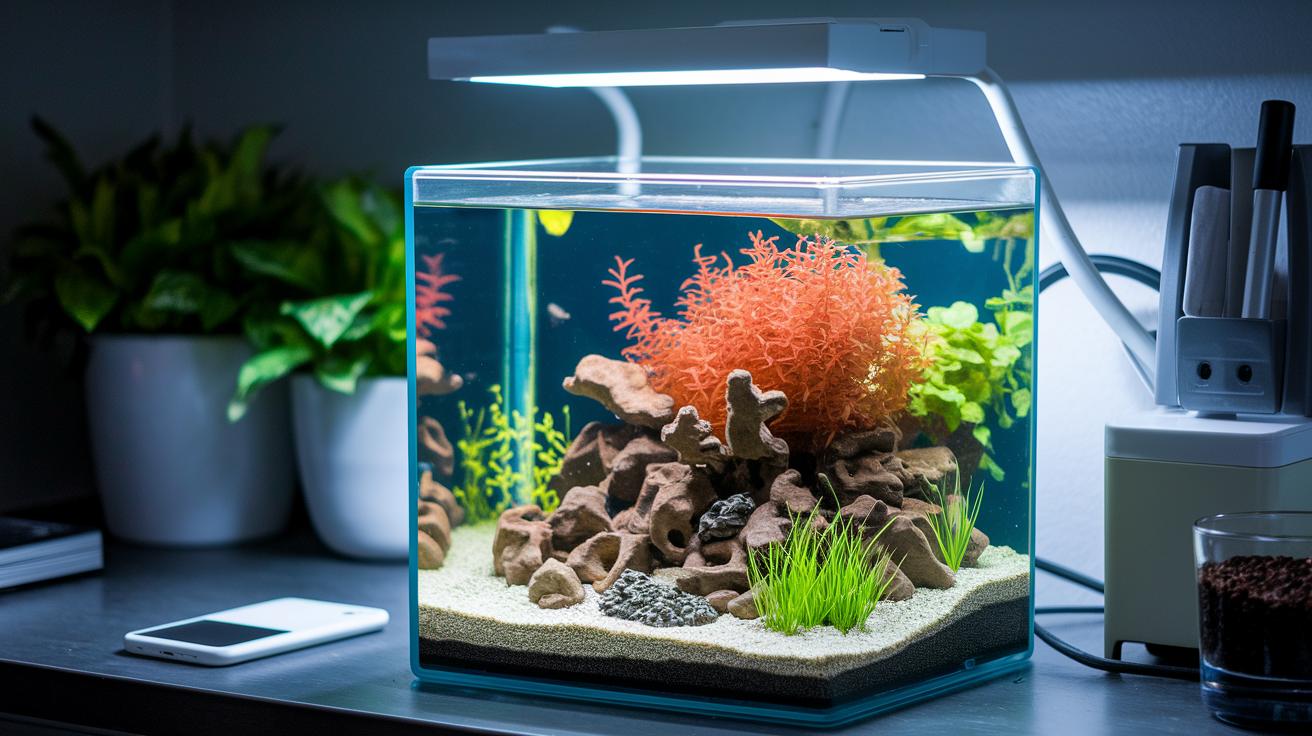
When you're doing water changes and other tank tasks, little issues sometimes pop up that need quick fixes to keep your underwater world happy. If your water starts to look cloudy and milky, it could be from stirring up the gravel or a burst of bacteria. Just let your tank settle while keeping the filter running so the particles can slowly clear away. I once saw a tank turn from cloudy to clear all on its own after a strong cleaning, much like a busy stream calming after a storm.
Sometimes, extra nutrients can trigger unwanted algae growth. When that happens, try switching up your light schedule and feed a little less to keep the algae in check. Doing part water changes instead of a full overhaul can also help control the green overgrowth.
Fish can get a bit of a shock if the refill water is too hot or too cold. Always double-check your heater and make sure the new water is within about 5 °C of your tank’s temperature. Also, sudden jumps in total dissolved solids (TDS) might stress out your sensitive swimmers. Using RO water or simply topping off slowly can work wonders here.
If you notice the water flowing more slowly through your filter, it might mean the filter media is clogged. Give the cartridges a good backwash or rinse them out and replace if needed. Here’s a quick reminder of what to watch out for:
- Cloudy water – let it settle down
- Algae growth – tweak lighting and feeding
- Temperature shock – check the heater and water temperature
- Clogged filter – clean or swap out the filter media
Final Words
In the action, we explored how aligning water changes with overall aquarium maintenance keeps your tank healthy and your fish happy. We covered the basics, from prepping tools and matching water temperatures to timing water changes with cleaning tasks and testing water quality post-maintenance.
The tips we shared make it easier to set up a balanced routine. Embracing a regular schedule for water changes and upkeep creates a peaceful, thriving aquatic space that brings calm and joy every time you glance at your tank.
FAQ
What does integrating water changes with overall aquarium maintenance mean?
Integrating water changes with overall aquarium maintenance means combining water replacement with cleaning tasks like filter and substrate care to keep fish healthy and reduce nutrient buildup.
How do you do a partial water change in a fish tank?
Doing a partial water change in a fish tank involves removing about 10–20% of the water using a siphon, then refilling with dechlorinated water that is the same temperature as your tank.
What is a water change in an aquarium?
A water change in an aquarium is the process of removing some old water and replacing it with fresh, treated water to lower organic waste and maintain a balanced environment for fish and plants.
What is a water changer?
A water changer is a tool or device, like a siphon, that helps you remove and replace water from your tank smoothly while minimizing stress to your fish.
How does a water change pump help?
A water change pump assists by efficiently moving water from your aquarium to a bucket or back into the tank, making the process quicker and more controlled.
What does water hardness mean for a planted aquarium?
Water hardness in a planted aquarium measures the mineral content of the water, which can affect plant growth; moderate hardness usually supports healthy plants and aquatic life.
What is TDS in a planted aquarium?
TDS stands for total dissolved solids in a planted aquarium, indicating the amount of minerals present; lower TDS often means clearer water and better conditions for plants.
Should you ever do a 100% water change in an aquarium?
Doing a 100% water change in an aquarium is generally not advised since it can disrupt beneficial bacteria and suddenly alter the water’s chemistry, stressing the fish.
Should I turn off my filter when doing a water change?
It is best to keep your filter running during a water change to help evenly disperse the new water and maintain system balance as long as it doesn’t interfere with the cleaning process.
Does water need to be treated when doing fish tank water changes?
Yes, water must be treated when doing fish tank water changes, usually with a water conditioner that removes chlorine and chloramine to protect your fish.
Should I remove fish when doing a water change?
Generally, you do not need to remove fish during a water change; focus on gently removing and replacing the water while keeping temperature and chemical conditions stable to avoid stress.