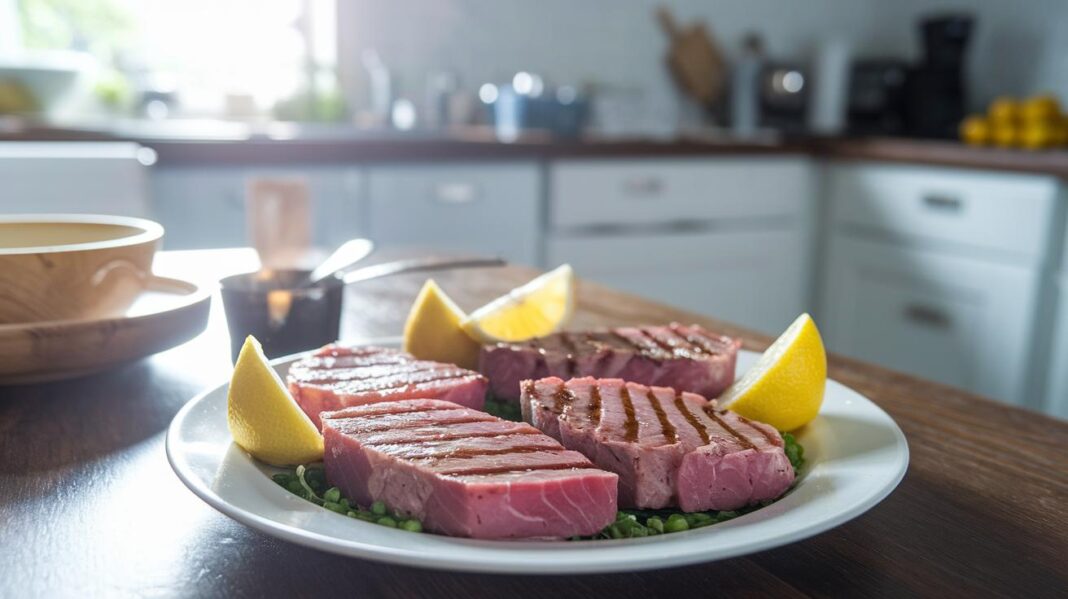

Ever wonder if tuna might be too lean to be called a fatty fish? Most fish carry over 10 grams of fat per 100 grams, but fresh tuna only has about 5 grams. It’s like comparing the rich swirl of a marbled salmon slice with a clean, crisp piece of tuna. I used to think all fish were about the same when it came to fat, but tuna’s low fat and high protein twist makes you see things differently. Let’s dive in and explore why this ocean treasure is both nutritious and delightfully light.
is tuna a fatty fish: Nutritious and Surprising
When you think of fatty fish, you imagine a fish with more than 10 grams of fat in every 100 grams. But fresh tuna only packs about 5 grams of fat per 100 grams, making it much leaner. Imagine a beautifully marbled piece of salmon next to a simple, lean slice of tuna, the difference is as clear as water.
In recent times in the UK, fresh tuna has been reclassified so it no longer falls into the oily fish category. And canned tuna, which is loved for its long shelf life and pocket-friendly price, also carries a low fat profile. This makes tuna a great choice if you’re looking for high protein without the extra oiliness. It’s like enjoying a crisp, refreshing swim rather than a heavy dive.
Comparing Tuna Forms: Fat Content in Fresh vs Canned Tuna
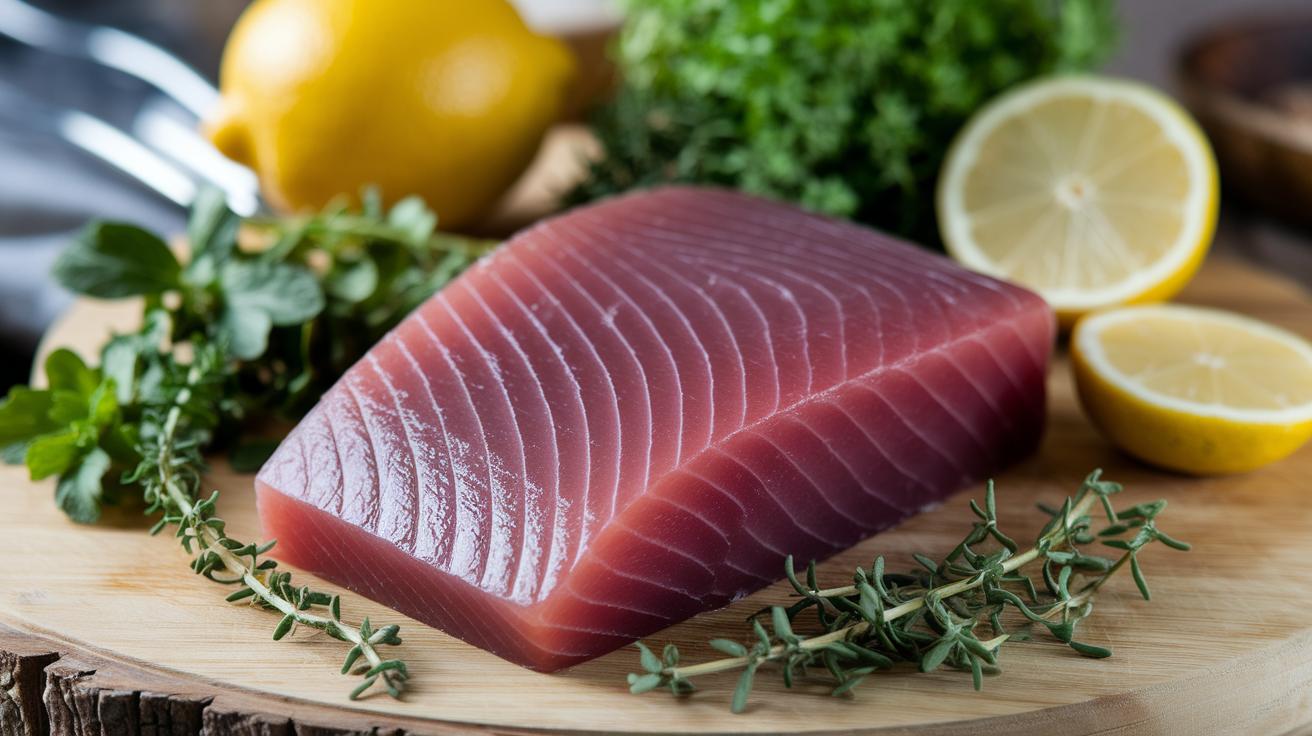
Fresh tuna is like a treat straight from the ocean. When you pick a fresh cut such as albacore, you get a natural mix of fats that boost both flavor and texture. It’s the same as enjoying a cool dip in clear water on a warm day.
Canned tuna, on the other hand, goes through a process that helps it last longer. This method gently lowers the fat content, making it a lean, protein-packed option. Even though it’s a bit lighter on fat, it still helps you whip up a healthy meal when you’re short on time.
Here’s a quick peek at the numbers:
| Tuna Type | Fat Content | Notes |
|---|---|---|
| Fresh Albacore | About 5g per 100g | Mostly unsaturated fat for rich flavor |
| Canned Skipjack/Bonito | Under 1g per ounce | Focused on protein |
| Yellowfin Steaks | Around 1.5g per ounce | Provides a moderate boost of omega-3 |
One more thing to note: some canned brands might have extra salt from the processing. Even though this doesn’t add fat, it can change your overall nutritional balance.
So, if you’re looking for a lean, high-protein addition to your diet, canned tuna is a great choice. But if you’re after a richer taste and the natural delight of moderate omega-3, fresh options like albacore or yellowfin might be your best catch. Enjoy whichever fits your lifestyle the best, just like finding that perfect spot by the water’s edge.
Tuna vs Salmon Fat Composition Comparison
When you compare the fat content in tuna and salmon, the differences really pop, like watching a sleek fish glide next to a bright, shimmering swimmer. Fresh tuna, once seen as a bit on the fatty side, no longer meets the UK’s standards for an oily fish. Meanwhile, salmon remains a star, packed with long-chain omega-3 fats that are great for your heart and brain.
| Fish Type | UK Oily Fish Classification | Omega-3 Content Level |
|---|---|---|
| Fresh Tuna | Not counted | Moderate |
| Canned Tuna | Varies by processing | Moderate to Low |
| Atlantic Salmon | Oily fish | High |
Salmon’s richer fat and generous omega-3 boost make it a clear standout. It usually contains over 10 grams of fat per 100 grams, which is quite a bit more compared to the lean profile of tuna. This nutritional edge is why many of us lean towards salmon for its heart-loving benefits, while tuna remains a popular, light choice that balances flavor and health nicely.
Tuna’s Omega-3 and Fatty Acids Explained
Tuna gives you a hearty dose of longer-chain fats called EPA and DHA, which are like the sturdy beams that help your body repair cells and keep your brain sharp. These fats work in ways that simpler plant fats just can’t, much like how a well-set aquarium needs the perfect balance to shine.
These omega-3 fats are also like a bit of oil for your heart’s gears, helping to lower blood pressure and reduce triglycerides so everything runs smoothly. Research shows that adding these fats to your diet can keep your cholesterol in check and your blood flow as smooth as a gentle current in clear water.
For moms-to-be, breastfeeding women, and growing infants, EPA and DHA are extra important. They help shape a baby’s brain and nerve system during key moments of development. Even though tuna offers these beneficial fats in moderate amounts compared to fish like salmon, it still plays a supportive role in nurturing growth during life's most crucial stages.
Health Benefits and Additional Considerations of Tuna
Tuna is a wonderful source of lean protein and healthy fats that help your muscles stay strong and your energy glow. Enjoy it like a refreshing morning swim that repairs your body and fuels your day.
Those friendly fats in tuna naturally support your heart by lowering bad cholesterol and letting blood flow smoothly, much like a gentle current carrying tiny fish on their way.
Yet, while tuna is a healthy treat, it's important to be cautious about mercury. Eating too much could leave you feeling a bit tired, and it might even affect little ones' developing nerves. Think of it as keeping your tank balanced; even a small change can ripple through your whole system.
Another key point is sustainability. Some tuna stocks are overfished, so making mindful choices is like keeping your aquarium clean and thriving. This way, you can care for your health and our oceans at the same time.
Guidelines for Tuna Consumption: Balancing Fat Benefits and Mercury Risks
When choosing your tuna, remember that some kinds have more mercury than others. If you or someone in your family is pregnant or breastfeeding, it's best to steer clear of those higher-mercury types to keep everyone safe. For a gentler option, light tuna like skipjack usually has less mercury, making it a smart pick that helps protect little ones’ developing nervous systems while keeping fatigue at bay.
For most adults, sticking to tuna with lower mercury levels makes sense. Experts suggest enjoying high-mercury fish only once or twice a week. This way, you get the lean protein and healthy fats your body loves while keeping mercury risks low. It’s like finding the perfect current in a gently flowing stream, steady, balanced, and good for your overall health.
A good rule of thumb is to aim for a 4 oz serving of tuna. This portion gives you a nice mix of protein and good fats without overloading on mercury. Keeping to about 2 or 3 servings per week lets you enjoy the tasty benefits of tuna without worrying about too much mercury, much like maintaining a calm and clear aquarium where everything works in harmony.
Final Words
In the action, we explored whether tuna a fatty fish meets the typical fat criteria, comparing fresh and canned versions, and even lined it up against salmon. We talked about how tuna’s lower fat content influences its classification and nutritional value, while also weighing health benefits against potential risks like mercury exposure. Every tip shared is meant to help create a well-balanced and healthy aquarium lifestyle, leaving you ready and confident for your next aquatic venture.
FAQ
Is tuna a fatty fish like salmon?
Fresh tuna generally contains about 5g of fat per 100g, making it leaner than salmon, which typically has higher fat and more omega-3 benefits.
Why might canned tuna be considered unhealthy?
Although it provides lean protein, canned tuna can be high in sodium and may contain mercury, factors that could pose issues for those managing conditions like fatty liver.
How does tuna support weight loss and overall health?
Its lean protein supports muscle maintenance and metabolism, but consumers should balance benefits with potential mercury exposure if eaten in excess.
What are the benefits and side effects of eating tuna?
Tuna offers high-quality protein and unsaturated fats that promote heart and skin health, while excessive intake may increase mercury exposure, which is a noted concern.
What benefits might tuna offer for females?
Tuna supplies lean protein and essential fatty acids that contribute to muscle upkeep and healthy skin, making it a supportive option when consumed in moderation.
What qualifies as oily fish and where does tuna stand?
Oily fish contain over 10g of fat per 100g, rich in omega-3. Fresh tuna typically falls short of that mark, often placing it in the lean fish category.
Which is healthier: salmon or tuna?
Salmon, known for its higher fat and omega-3 content, offers robust heart-health benefits, while tuna serves as a lean protein ideal for low-calorie diets, depending on individual nutritional needs.
Is canned tuna beneficial for fatty liver health?
Though low in fat, the sodium and mercury levels in some canned tuna products suggest that careful selection is necessary, especially for those managing liver conditions.