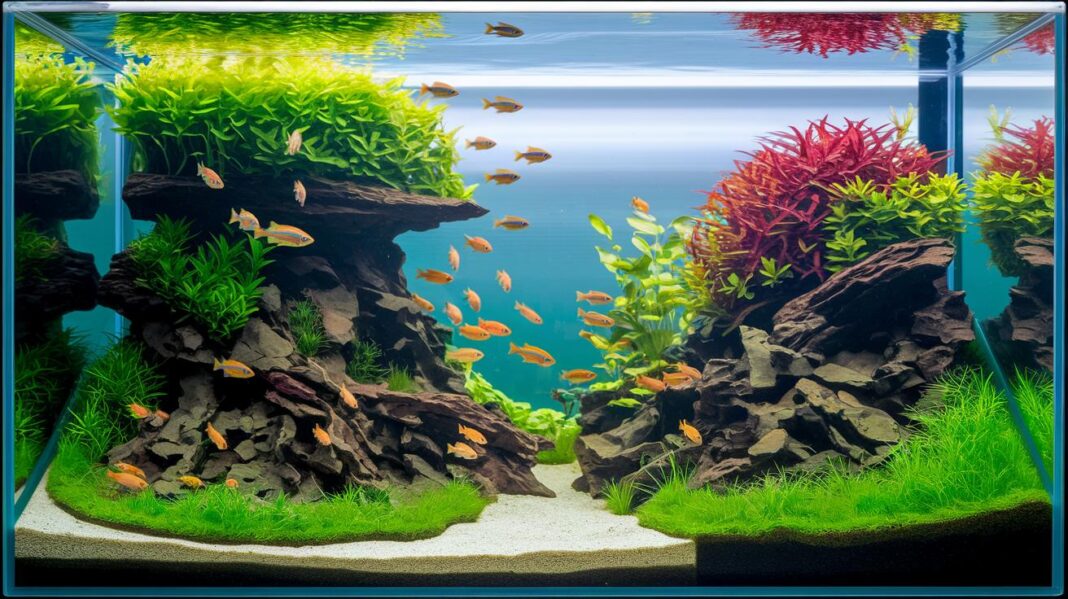

Ever wonder if your tank could capture the wild beauty of nature? Jungle aquascaping might be just the trick you need. It’s a fresh twist from the usual neat setups, allowing vibrant plants to grow and flourish freely.
Imagine your aquarium transforming into a lively oasis, like a mini rainforest bubbling with energy and calm. With a bit of smart planning and a relaxed approach, you create a scene that feels playful and soothing, a true living artwork that reflects the spirit of untamed nature.
How Jungle-Style Aquascaping Transforms Your Aquarium
Jungle aquascaping gives your tank a wild, nature-inspired look that reminds you of a real rainforest. It mixes ideas from Dutch and Nature designs to create a lush, underwater forest. Big, bold plants with rough leaves form a natural structure, covering every inch with a vibrant, layered feel.
One of the best parts about this style is that you hardly have to trim your plants every day. Instead, you let them grow naturally, only pruning when needed. This low-key approach means you can sit back and enjoy your tank without much fuss.
The end result is a stunning, living habitat that feels both relaxing and adventurous. Your aquarium becomes a living masterpiece where plants and fish blend together in a wild, natural display.
Planning and Layout Strategies for a Jungle Aquascape
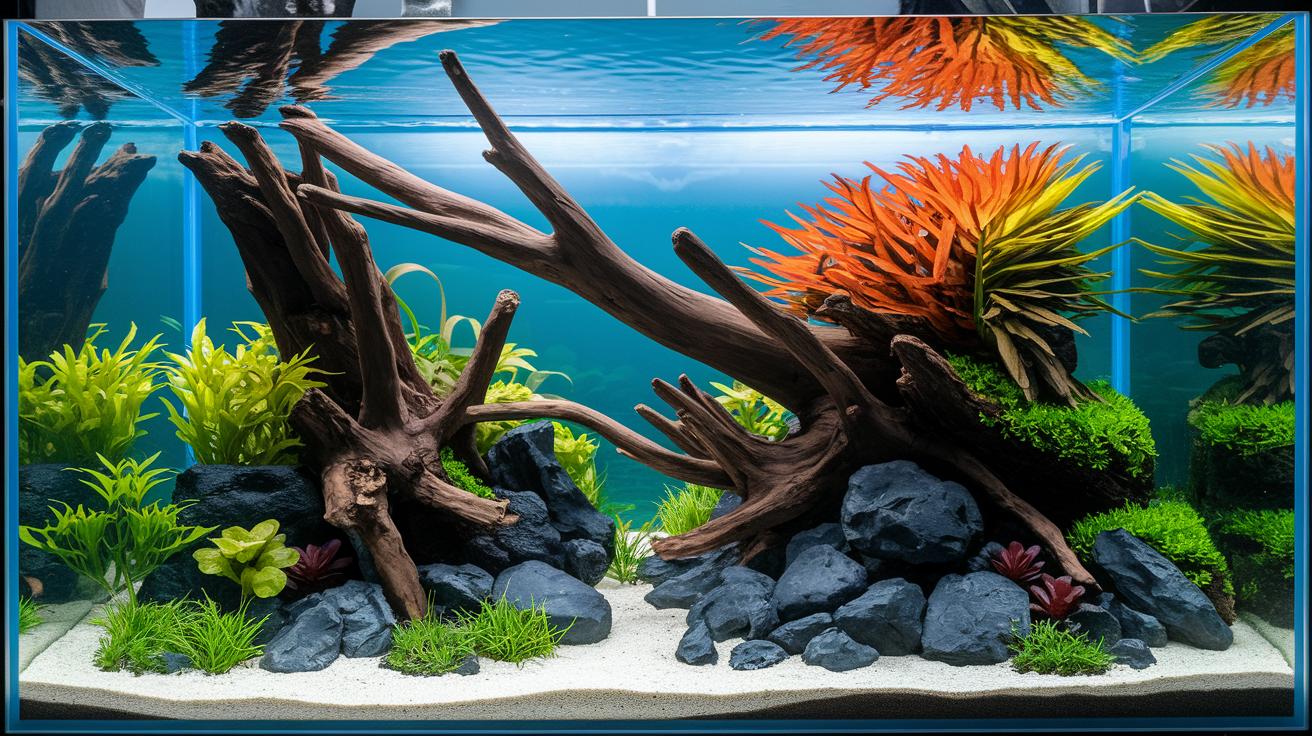
Before you add any plants, start with a clear plan. Drawing a simple sketch of your tank helps you see its size, shape, and special spots where the best views will be. Think of your tank like a mini underwater world with three parts: a tall back area that feels like a green wall, a busy middle that adds depth, and an open front that keeps things from looking too crowded.
Place pieces like driftwood and stones in smart spots. They work like natural dividers and create cozy areas where your plants can really shine. And remember, there’s no one right way to design your tank, your own style and how your fish move around will shape the final look.
Here are five easy steps to guide your plan:
- Pick the right tank size and set up three zones: background, midground, and foreground.
- Draw a rough map marking where hardscape items like wood or stone will go.
- Plan how your lighting and CO2 will reach every part of the tank.
- Create areas for fish to swim and hide under a leafy canopy.
- Gather all your materials, like substrate, wood, and stones, before you start.
Taking a little time to plan means you’re building more than just a tank, it’s a little wild world. Picture your aquarium as a lively ecosystem where every part helps plants and fish feel at home. Soon, with some care and fun, your underwater jungle will come to life.
Selecting Tropical Plants for a Dense Underwater Jungle
If you're aiming to create a lush underwater jungle, try using fast-growing stem plants like Hygrophila polysperma and Rotala rotundifolia. These lively plants quickly form a tall green canopy that draws your eyes upward, almost like watching ripples dance on a sunlit pond. They set the stage for layering more plants later on.
Mixing different heights, shapes, and textures adds a natural depth to your tank. Big, bold leaves create a sturdy backdrop, while delicate, fine-leaf stems add a soft contrast. For example, including a mid-story plant such as Ludwigia repens fills in the spaces and softens any sharp lines in your design. It’s all about experimenting with various species to create a balanced look. You can find even more inspiration at Sweetfysh for underwater plants to enhance your palette.
In a tropical aquascape, every plant plays its part, much like performers in an underwater ballet. Start with fast-growing stems to quickly cover any bare spots on the substrate, and then mix in slower-growing species that build intricate textures over time. Sometimes, adding a few plants with chunky leaves can mimic the wild feel of a jungle, offering cozy hideaways for your fish to explore.
The goal is to have layers overlapping each other, tall plants forming a vibrant green wall, with shorter ones guiding your eye through different zones of your tank. When you carefully choose the heights and shapes, you end up with a living space that feels as dynamic and organic as a real jungle. It’s a fun, evolving project that brings the beauty and calm of nature right into your home.
Hardscaping with Driftwood and Stones in Jungle Aquascaping
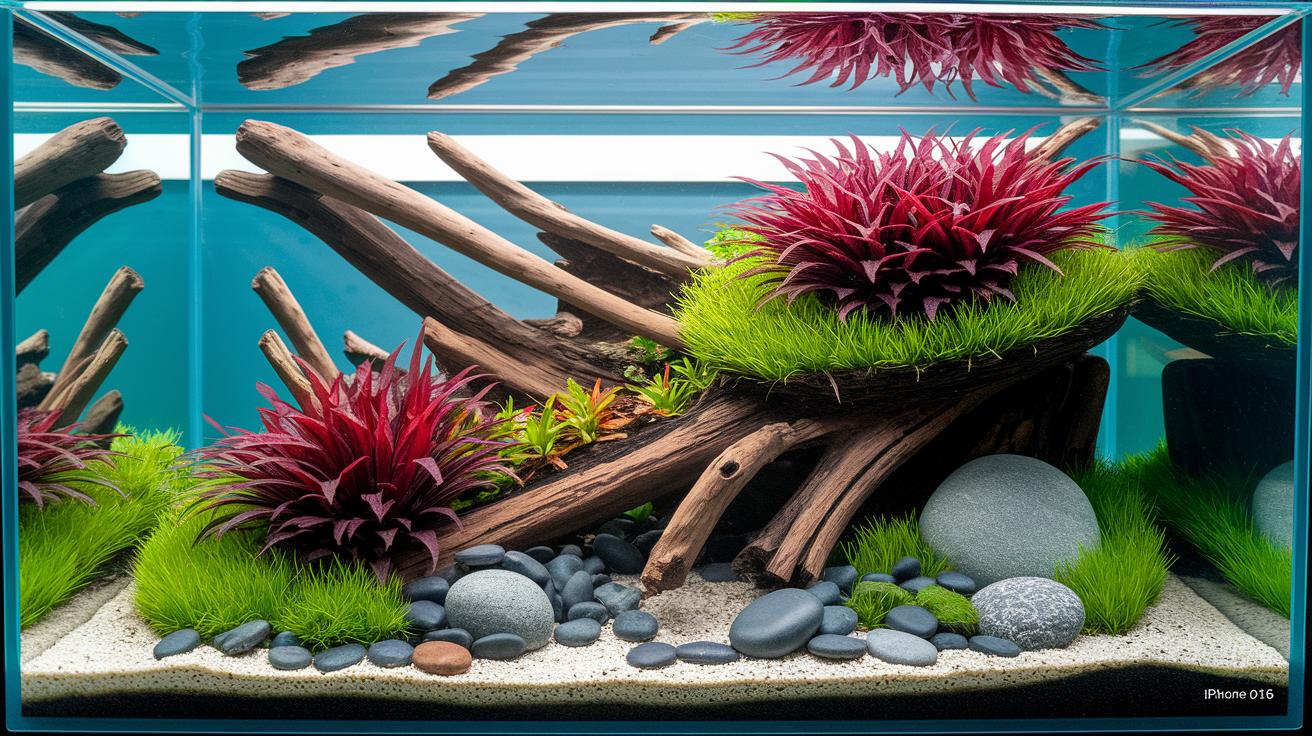
Imagine crafting an underwater jungle where natural driftwood and stones serve as the building blocks, much like fallen logs and rugged hills in a wild forest. A smart driftwood design can totally transform your tank by giving it structure and a touch of natural charm. Try arranging the wood so that its branches point upward or diagonally. It creates a lovely, dynamic feel, similar to the way branches stretch in a real forest.
Using driftwood isn’t just about making your tank look pretty, it also gives your favorite plants, like mosses and Anubias, a cozy spot to settle in. When these plants nestle into the nooks of weathered wood, it adds a seamless, natural vibe that draws both the eye and your fish to explore every curve. It’s like inviting nature right into your living room.
And don’t forget about the stones! Grouping a few together can really guide a viewer’s eye around your aquascape. A well-thought-out stone arrangement not only supports little pockets for planting but also adds layers and texture to your scene. By gathering stones, you smoothly blend the bank between the substrate and hardscape while also creating extra spots for beneficial biofilms to grow. In truth, these natural touches form a balanced, textured habitat that perfectly captures the spirit of a jungle aquascape.
Optimizing Lighting, CO2, and Water Flow for a Jungle Aquascape
Lighting plays a big role in keeping your jungle aquascape lively. Using a light in the PAR 30-50 range gives your plants just the right amount of energy for photosynthesis while keeping algae at bay. Think of it like sunlight peeking through a thick canopy, bright enough to help growth but soft enough not to overwhelm your underwater world.
CO2 is another essential element in your aquatic rainforest. Keeping levels between 20 and 30 ppm ensures that your plants stay healthy and strong. It’s like giving your tank a gentle rain shower that nourishes every leaf without turning it into a flood. This careful balance helps create a natural, lush environment that feels as refreshing as a cool mist on a warm day.
Water flow is equally important in mimicking the feel of a natural stream. A filter turnover rate of 5 to 7 times your tank’s volume per hour spreads nutrients evenly and creates a soft current. Imagine water gliding calmly over smooth stones, moving just enough to bring fresh nutrients to all your plants without disturbing their layout.
Together, these elements work like the interconnected parts of a vibrant ecosystem, creating a lively underwater jungle where every detail, from light to water flow, makes your aquascape feel alive.
Compatible Fish and Their Role in Jungle Aquascaping
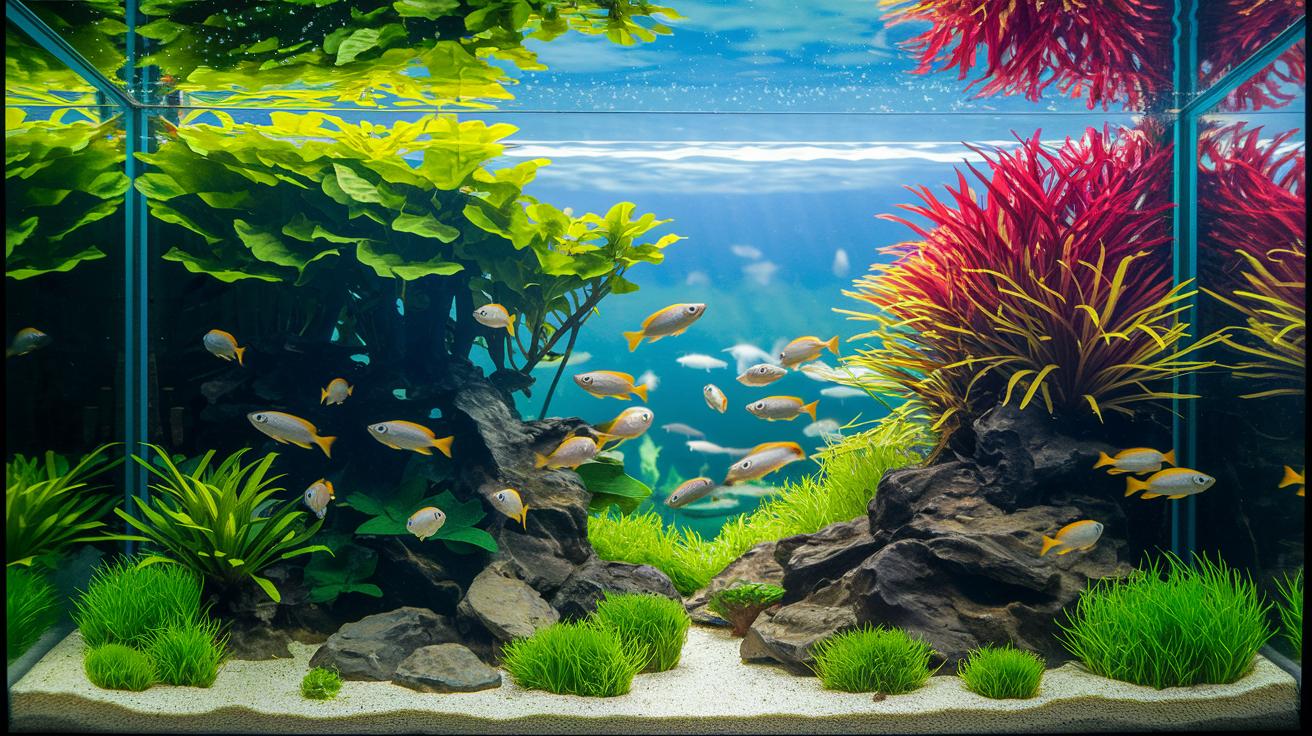
Fish bring life to your underwater jungle, helping to keep everything in balance. They nibble on algae, tidy up the bottom, and add a lively flow to the scene. Imagine your tank as a mini rainforest beneath the water, where each fish quietly does its part, from munching on leftover plant bits to giving a gentle sweep for algae. It’s like having a team of little helpers, each with their own talent.
In a lush jungle aquarium, fish that love shade naturally blend in with dense plants, making the whole setup look like a rain-drenched forest. Their behavior and movement create an atmosphere that is both soothing and full of energy. I love watching them dart around; it’s like they’re painting the tank with bursts of color and motion.
A mix of free-roaming, mid-level swimmers and devoted bottom dwellers is key to keeping the tank clean and vibrant. Picture your fish exploring every leafy nook and cranny, each one playing a unique role in the aquarium’s story. Here are a few friendly swimmers you might consider:
| Fish Species | Role in the Tank |
|---|---|
| Thayeria boehlkei | Mid-level schooling and peaceful mover |
| Paracheirodon innesi (Neon tetra) | Adds a pop of color in small shoals |
| Corydoras aeneus | Acts as the bottom clean-up crew |
| Hyphessobrycon colombianus | Vibrant red schooling fish |
| Cleithacara maronii | Algae grazer and shy refuge seeker |
| Epalzeorhynchos bicolor (Red-tailed black shark) | Territory patroller that helps control algae |
Together, these fish create a balanced underwater ecosystem where both plants and the aquatic life flourish. Every fin and ripple adds to the magic of your water garden, making it a peaceful retreat and a vibrant habitat all at once.
Maintenance and a Low-Tech Approach for Jungle Aquascapes
Keeping your underwater jungle healthy doesn't mean you need a fancy gadget for every little task. Instead, think of it like caring for a gentle, flowing stream, simple, steady, and genuine. A routine 50% water change every week acts like a natural refresh for your tank, keeping the water bright and the nutrient levels in check.
In a low-tech setup, the plants grow just as well using nature's own ways, without any extra CO2 boost. It's like watching nature do its magic as you simply keep the water fresh. Pruning is kept minimal because the charm of a jungle aquascape lies in its slightly untamed look. Trust me, a little bit of wildness adds to the beauty and keeps your maintenance work light.
Regular water checks are essential. You might even want to glance at some simple tips on taking care of aquarium plants for extra guidance. By keeping things straightforward and focusing on what really matters, you let the natural rhythm of your tank shine through. And isn't it wonderful when nature takes care of itself, turning your care routine into something both calming and rewarding?
Final Words
In the action of setting up your aquatic retreat, this article walks you through planning a smart layout, choosing vibrant tropical plants, and arranging key hardscape elements like driftwood and stones. It explains how to balance light, CO2, and water flow to create clear waters and happy fish. Plus, it covers simple, low-tech maintenance steps that keep your tank healthy and attractive. Embrace the beauty of jungle aquascaping and enjoy a lively and natural underwater scene.