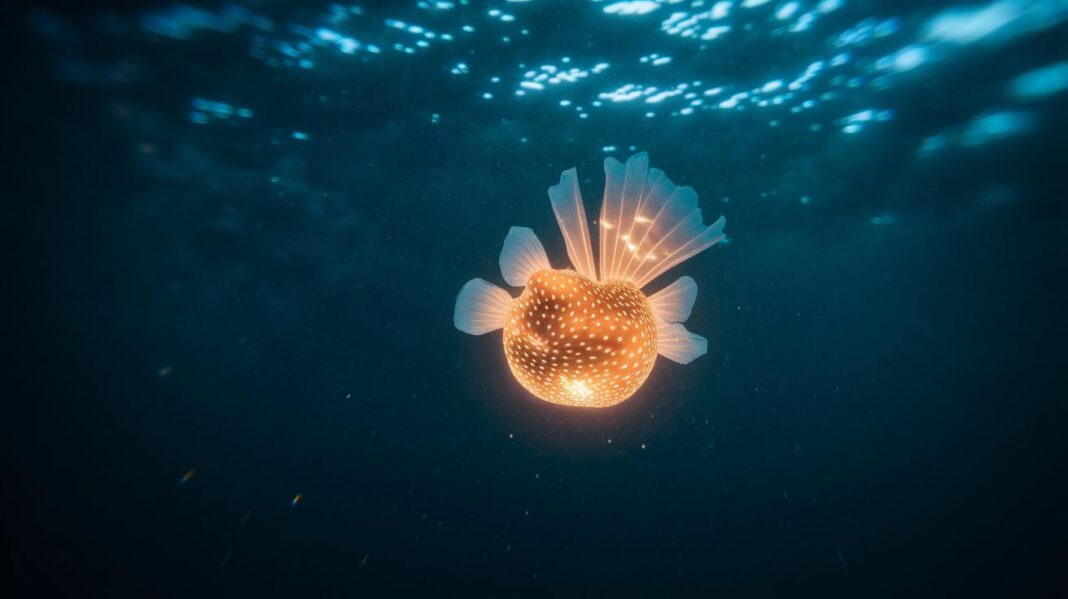

Have you ever wondered how fish find their way when it's dark? Lantern fish live in the deep ocean where hardly any light gets through. They glow gently, almost like tiny lanterns underwater, helping them navigate safely. Every flicker tells a subtle tale of survival and nature's quiet artistry.
In this piece, we'll dive into their shadowy world, explore their unique features, and learn about the important role they play in the ocean. Get ready to discover how these glowing creatures light up the mysterious deep.
Lantern Fish Deep Sea Overview: Habitat, Features & Ecological Role
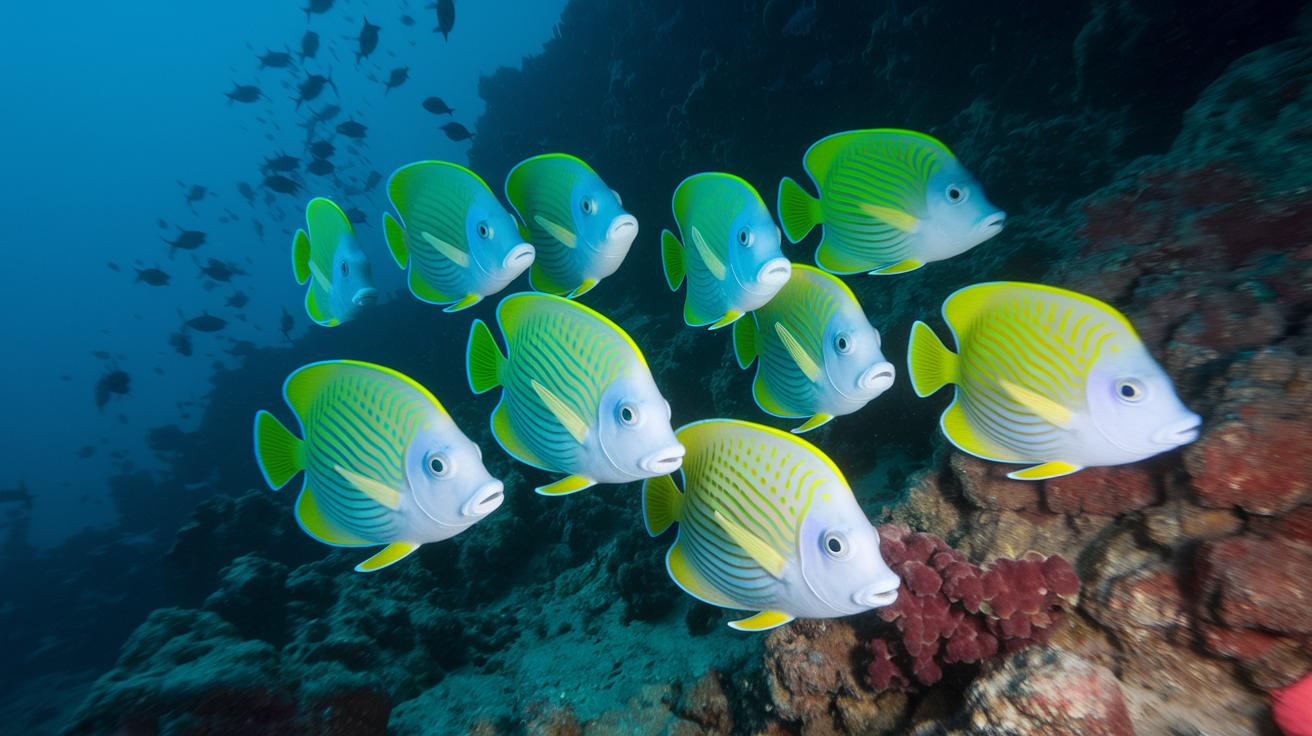
Deep beneath the ocean's surface, in a place where the water turns cooler and light barely reaches, lantern fishes have found a mysterious home between 200 and 1000 meters down. Imagine a world where the only light comes from tiny bioluminescent sparks, and that's exactly where these unique fish have learned to thrive.
There are over 245 different species spread out across the globe, all living in these quiet, shadowy waters. Their presence shows us just how adaptable life can be, even in places that might seem too dark or challenging. It’s almost like finding hidden treasures in deep, murky waters, each species a small marvel in its own right.
One of the coolest things about lantern fishes is how they light up their world. They have special organs, called photophores, mostly along their bellies and even down their sides. Think of it as nature’s own light show. This extra row of lights isn’t just for decoration; it helps them blend into the faint light coming from above, making it hard for predators to spot them. At the same time, these flashes act like underwater Morse code, letting other lantern fishes know they’re around. It’s a smart mix of staying hidden and communicating, all with a gentle blue-green glow that lights up the deep, dark sea.
Bioluminescence Mechanisms in Lantern Fish Deep Sea Species
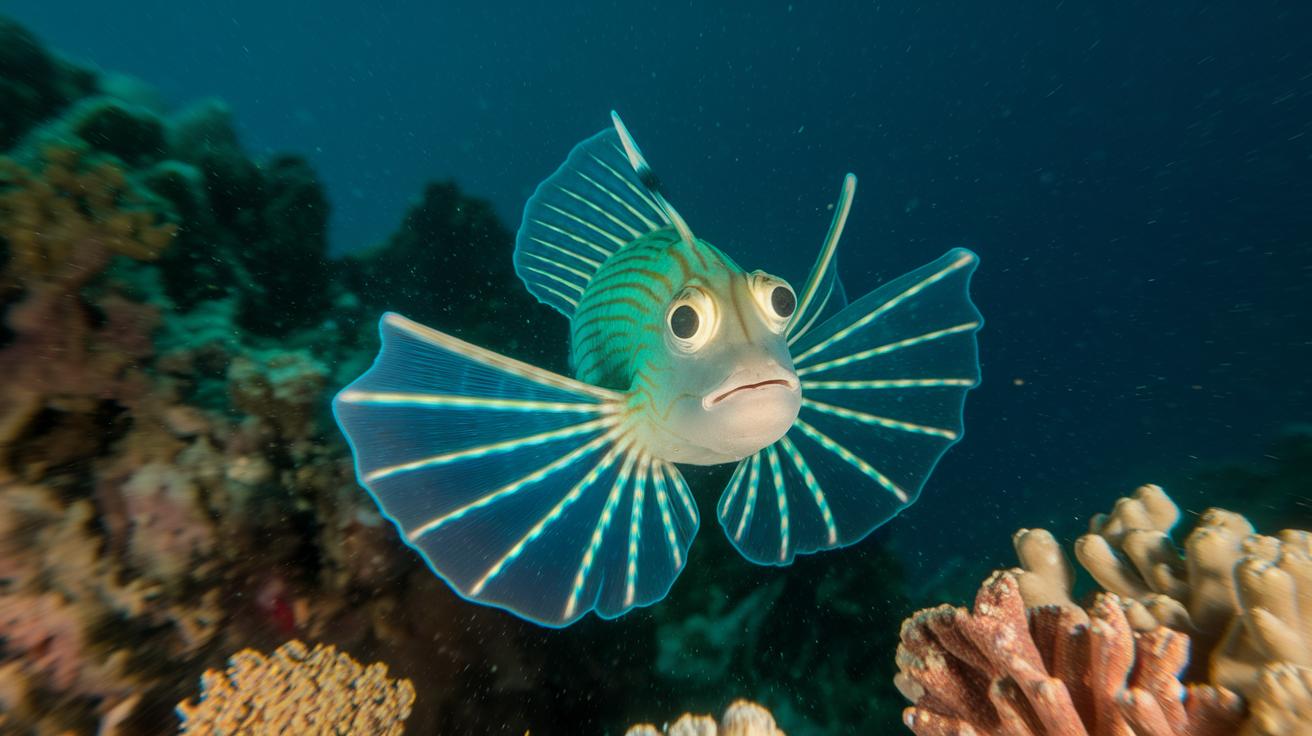
Lantern fishes are truly amazing creatures found way down in the dark depths of the ocean. They sport tiny glowing spots called photophores, which are like little underwater lanterns. You can find these lights on their bellies (ventral), along their sides (lateral), and near their eyes (subocular). Each spot has its own role, letting the fish hide from predators or send a quiet signal to its neighbors. Imagine a fish glowing softly in a blue-green light as it glides effortlessly through vast, nutrient-poor waters.
This clever setup lets them change their glow in an instant. For example, if danger creeps near, a quick flash or a dim light can help hide their shape, keeping things safe and sound.
| Photophore Location | Light Color | Primary Function |
|---|---|---|
| Ventral | Blue-Green | Works like camouflage by matching the light from above |
| Lateral | Blue-Green | Sends signals to other fish of the same species |
| Subocular | Blue-Green | Helps boost vision and warn neighbors up close |
The glow these fishes create comes from a neat chemical process that uses substances called luciferin and luciferase. In simple words, they mix to produce a low-energy blue-green light, perfect for the deep, food-scarce parts of the ocean. This smart method means each lantern fish shines just enough to thrive without wasting energy.
Behavior & Ecology of Lantern Fish Deep Sea Communities
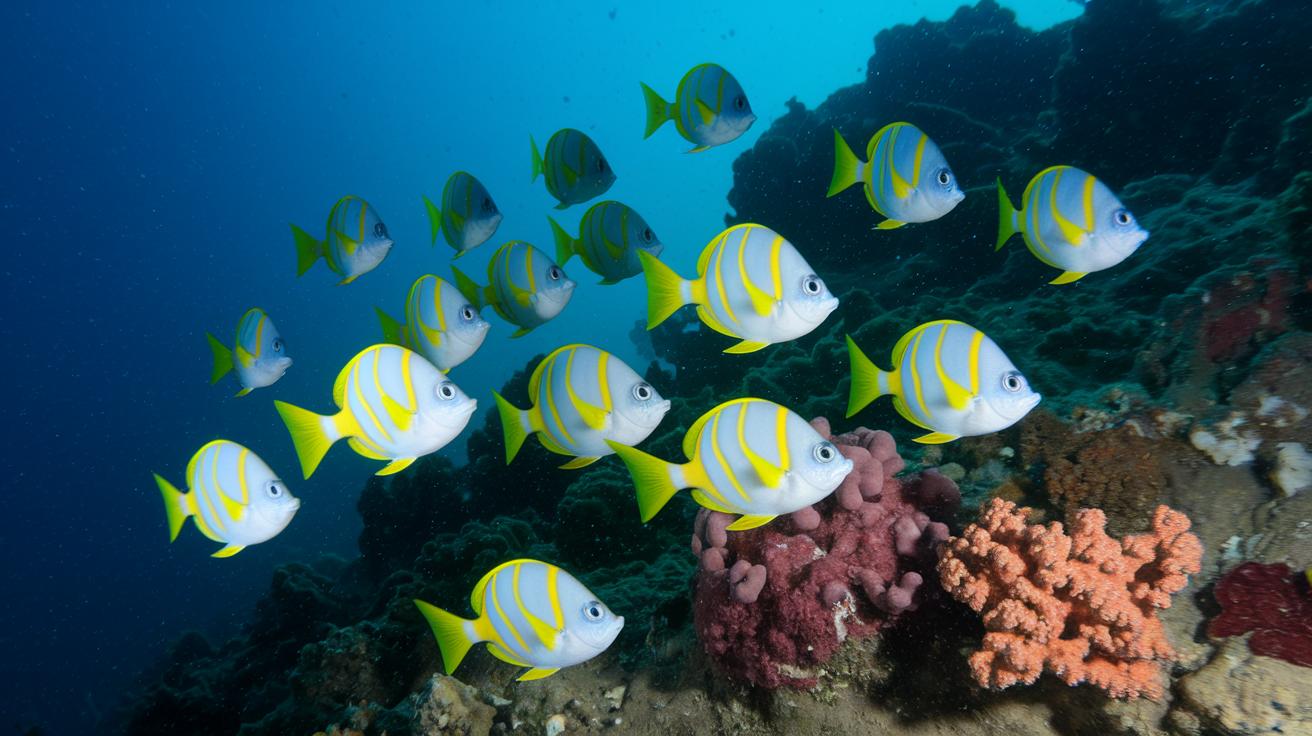
Lantern fishes have a special daily routine. Every night, they gently swim upward from the cool dark depths to the warmer waters rich with tiny zooplankton. It’s like they join a shimmering parade, rising up as the ocean transforms under the evening sky. Their nightly journey fills their bellies and takes advantage of a brief feast available when the water changes at night.
Down below, where even a little light matters, lantern fishes have a neat trick up their fins. They glow with a soft blue-green light that matches the natural brightness coming from above. This clever glow helps them blend into the faint light, almost like a chameleon changing its colors. When predators are near, their gentle shine makes them hard to spot, giving them a safe escape route back into the dark.
When lantern fishes move in groups, something magical happens. Their small lights flash together in a coordinated pattern, creating an underwater light show that feels like a secret meeting of friends. This sparkling display not only confuses any lurking danger but also strengthens the bonds among them. It's nature's way of showing that working together in the deep sea creates a beautiful sense of unity and safety.
Predator-Prey Dynamics & Environmental Pressures on Deep Sea Lantern Fish
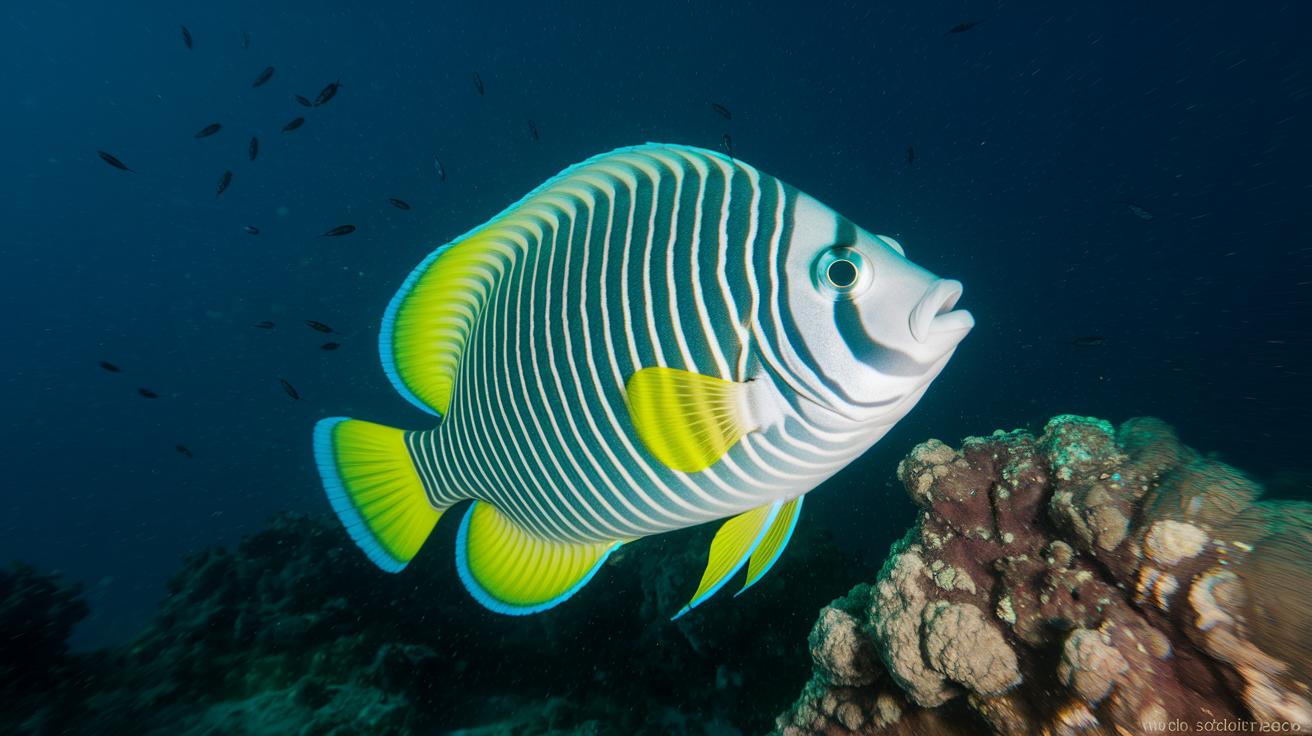
Lantern fish depend on tiny crustaceans and copepods for food. New studies show that when copepod numbers change, the number of lantern fish does too. In one study, a 15% drop in copepods was tied to fewer lantern fish being seen, which highlights how essential these little creatures are in the deep-sea food chain.
In the dark deep sea, predators sneak up on their prey by noticing small flashes of light. Even a slight change in brightness makes a big difference. Experiments show that a 10% increase in light can lead to a 7% rise in predator strikes on lantern fish. Researchers have found that even a little extra glow in the deep can shift how predators act, proving that nature’s pressures really shape these underwater encounters.
Recent discoveries also show that adjusting their glow helps lantern fish survive. When these fish finely tune their brightness to match the surroundings, they get attacked less often. One study revealed that matching ambient light by 20% led to fewer predator encounters compared to places with uneven lighting. This insight deepens our understanding of how a changing environment can impact fish populations.
Evolutionary Diversity of Lantern Fish Deep Sea Lineages
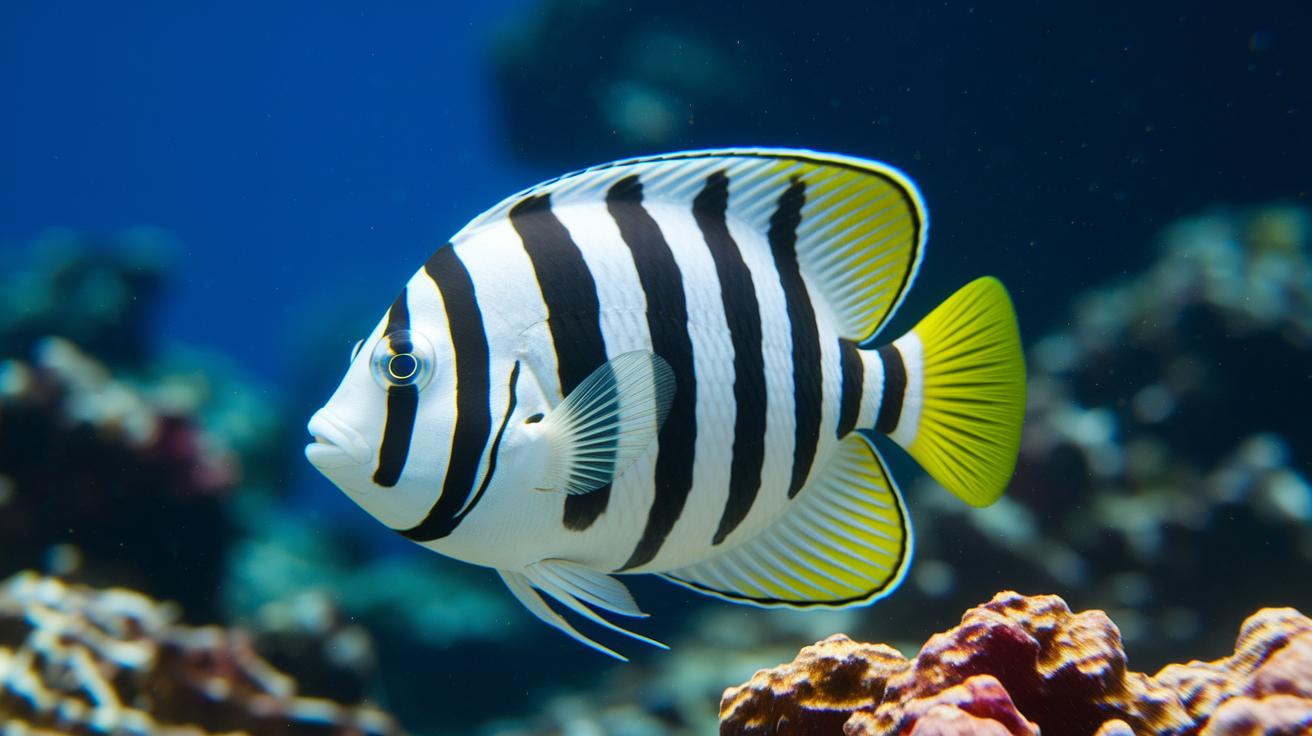
Across our big blue oceans, scientists have identified more than 245 types of lantern fish, spread across at least nine different groups. These fish call many parts of the deep sea home, from places where a little light gently touches the surface to the cold, dark depths far below. It’s amazing how nature finds a way to let life shine, even in the trickiest corners of our underwater world.
Different lantern fish families have picked spots that fit them best based on water depth, temperature, and the available light. Some thrive in the soft glow of the upper layers, while others are perfectly tuned for the chillier, deeper zones. Their unique light spots, known as photophores, not only help them blend in with their surroundings but also play a big role in finding the right mate. By settling into their own special niches, these fish keep the competition low and secure their own space in the big ocean.
Speciation and Photophore Variation
The way these glimmering spots are arranged is key to keeping the different lantern fish groups distinct. Even small tweaks in the number and placement of photophores help the fish recognize each other and choose the right mates, all while staying hidden from predators. This gentle change in their glow aids in keeping groups separate, sparking new traits that fit their unique environments, almost like nature perfecting its design right before our eyes.
Recent genetic studies support these observations. They show clear divisions among lantern fish populations that match up with differences in where they live and how their photophores are arranged. This simply confirms that the mix of physical surroundings and glowing signals plays a vital role in shaping how these brilliant deep-sea creatures evolve.
Final Words
In the action of exploring the world below the waves, this article traced the glow of lantern fish deep sea. We touched on their twilight habitat, the magic of their light organs, and how their daily moves help them find food and avoid danger.
Each section reminded us that every detail matters when caring for aquatic life. The flash of each photophore adds wonder to the underwater space, leaving us inspired to create peaceful, balanced homes for our finned friends.