

Have you ever noticed how some aquariums remain bright and full of life while others end up looking dull and murky? Keeping your tank well cared for is the trick to providing a safe, welcoming home for your fish.
In this guide, we’ve put together a simple checklist that helps keep your water clear and fresh. It’s like giving your aquarium a little weekly tune-up, nipping issues in the bud before they even have a chance to appear.
With just a few basic tools and regular checks, your tank can stay sparkling and inviting. This means you and your underwater pals can enjoy a vibrant space to truly thrive.
Essential Weekly Maintenance Checklist for Aquarium Water Quality
A regular weekly routine helps your aquarium stay lively and healthy. Think of these checkups like the gentle flow of water that nourishes every part of your underwater world. A steady schedule of examining your water quality means fewer surprises that could stress out your fish or cause problems with your tank gear.
Begin your week with a few reliable tools: a test kit for checking your water basics, a soft cleaning cloth or magnet for the glass, a gravel vacuum, and simple tools for looking over your filters and trimming your plants. Keeping these items handy makes your daily inspections and overall tank tests feel like a breeze.
- Check water levels for ammonia, nitrites, nitrates, and pH
- Wipe down the aquarium glass to remove algae and water spots
- Vacuum the gravel to clear away leftover food and waste
- Examine filters to remove debris and see how well they’re working
- Trim live plants to keep them looking neat and healthy
- Look over lights and heaters to maintain the right water temperature
- Watch your fish closely for any unusual behavior or changes in their looks
- Clean your tools and adjust feeding to avoid too much leftover food
Sticking to this routine is key. Whether you’re caring for a freshwater tank or a reef setup, following these steps every week builds a balanced, clear world for your aquatic friends. And for reef tanks, don’t forget to include extra checks like testing for calcium, alkalinity, and magnesium. Keeping to a regular schedule not only makes fixing issues simpler but also keeps your underwater family thriving in clear, healthy water.
Water Parameter Monitoring Checklist for Aquarium Quality
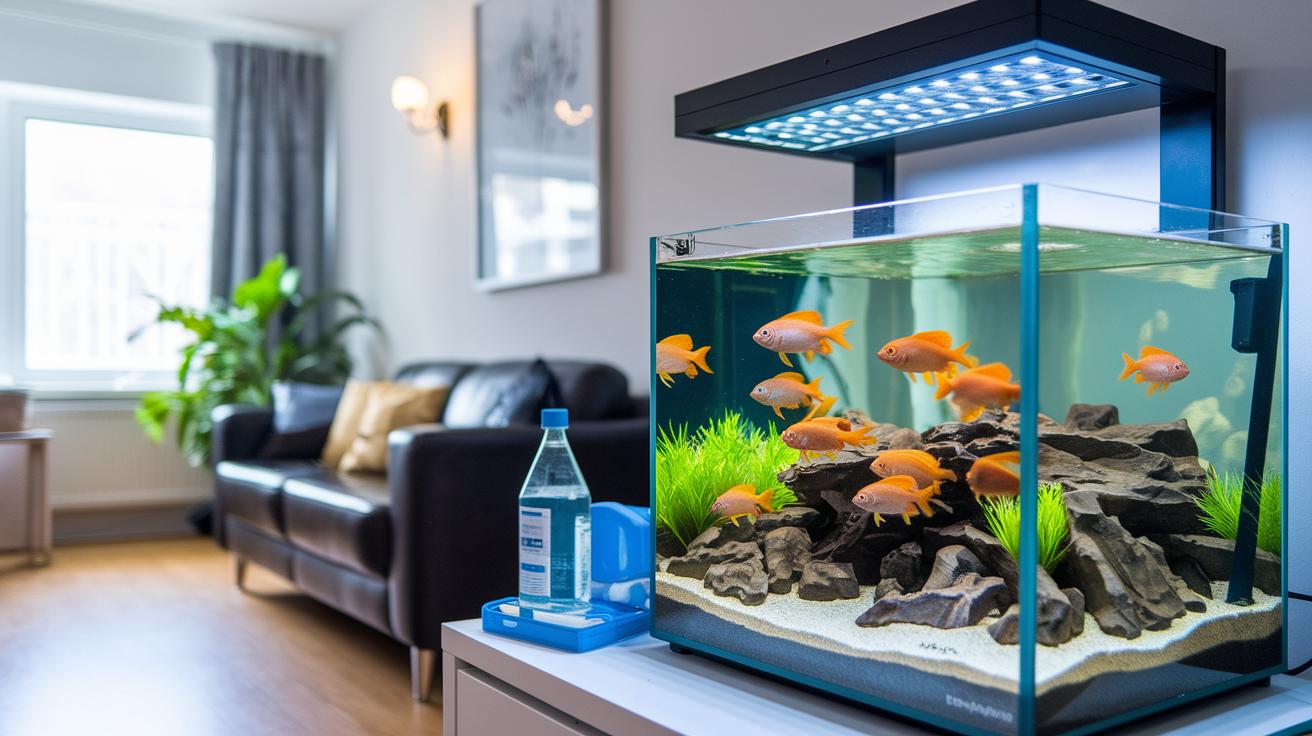
Keeping an eye on your fish tank’s water is key to a happy, healthy aquarium. Testing for ammonia, nitrites, nitrates, and pH helps avoid any scary situations like toxic buildup or extra stress on your fish and plants. Regular tests are like little alerts that let you know when something's off so you can fix it fast.
| Parameter | Ideal Range | Testing Frequency |
|---|---|---|
| Ammonia | 0 ppm | Weekly |
| Nitrites | 0 ppm | Weekly |
| Nitrates | < 20 ppm | Weekly |
| pH | 6.8–7.8 (freshwater) | Weekly |
When you're running a reef tank, you'll want to add a few more checks to your routine. For these setups, measuring calcium, alkalinity, and magnesium is important to keep your corals happy and thriving. Liquid test kits are great for getting precise readings, while quick test strips give you a fast peek at the water conditions.
Use your test results as a guide. If you find ammonia or nitrites above 0 ppm, it might be a good idea to try a partial water change or double-check your filter. And if your pH or nitrate numbers drift from the ideal range, think about using buffering solutions or tweaking your feeding routine to keep your tank calm and healthy.
Filtration System Maintenance Checklist for Aquarium Water Quality
Your filter is like the heartbeat of your aquarium, it keeps the water fresh and your aquatic friends happy. When the filter is in tip-top shape, it helps good bacteria flourish and gently cleans the water.
Start by checking the filter’s flow to make sure it’s working just right. Then, give the sponges a gentle rinse using aquarium water (see Tips for maintaining and replacing aquarium filter media) to clear out debris while keeping the friendly bacteria intact.
Next, remember to swap out your cartridge filters every month to prevent any clogging. Take a moment to inspect the pump impeller and tubing for any buildup or debris that might slow things down. Finally, carefully put all the parts back together to avoid any leaks.
Keeping your filter running smoothly is all about regular, gentle checks. Clean different parts one at a time, so you don’t wash away the helpful biofilm that takes care of waste. Using tank water to handle debris is the best way to keep the natural balance intact. By staying on top of pump care and cartridge replacements, you’ll help your filtration system work like a charm, leaving your water crystal clear.
Substrate and Glass Cleaning Checklist for Aquarium Water Quality

Keeping your tank clean helps you easily notice any changes in your fish's behavior. This checklist brings together key tasks for a well-maintained aquarium.
Every week, give your tank a gentle refresh. Start by vacuuming the substrate during a 20–25% water change. Use a gravel vacuum to slowly remove debris, working on about one-quarter of the tank at a time, almost like carefully clearing leaves from a still pond.
Next, make sure the glass gets some attention. Clean it weekly with either a magnetic cleaner or a soft cloth. Begin at the top and work your way down to wipe away algae, dust, and any buildup along the waterline. Think of it like clearing a foggy window to enjoy a clear view.
| Task | Frequency | Technique |
|---|---|---|
| Substrate Cleaning | Weekly (during 20–25% water change) | Gravel vacuum; clean about 25% of the substrate per session |
| Glass Cleaning | Weekly | Magnetic cleaner or soft cloth; clean from top down |
Following these simple steps will help you keep your aquarium sparkling and your fish feeling at home.
Water Change and Chemical Adjustment Checklist for Aquarium Quality
Doing regular water changes, about once a week or every other week, keeps your tank clear and safe. Changing around 20–25% of the water is like letting a fresh current flow through a quiet pond, washing away built-up chemicals and toxins. This steady refresh keeps your fish, plants, and corals happy and relaxed.
Right after you swap the water, add a dechlorinator to quickly cancel out the chlorine and chloramine in tap water. Then, give your water a quick test for pH and hardness. If the numbers aren’t what you expect, adjust them with buffering solutions, sort of like steering a little boat along a changing tide. And when it comes to balancing water levels, you can even check out options like How to install an aquarium auto top-off system.
Next, keep an eye on your tank’s natural balance by dosing bacterial supplements that help break down waste. This is key for a thriving underwater world. If you notice any wild pH swings, correct them with pH stabilizers or Kalkwasser, which is just a fancy way to say “water lime.” This thoughtful, step-by-step approach makes sure your aquarium remains a calm, balanced oasis for all its tiny residents.
Long-Term Record-Keeping and Troubleshooting Checklist for Aquarium Water Quality: Pure Tanks
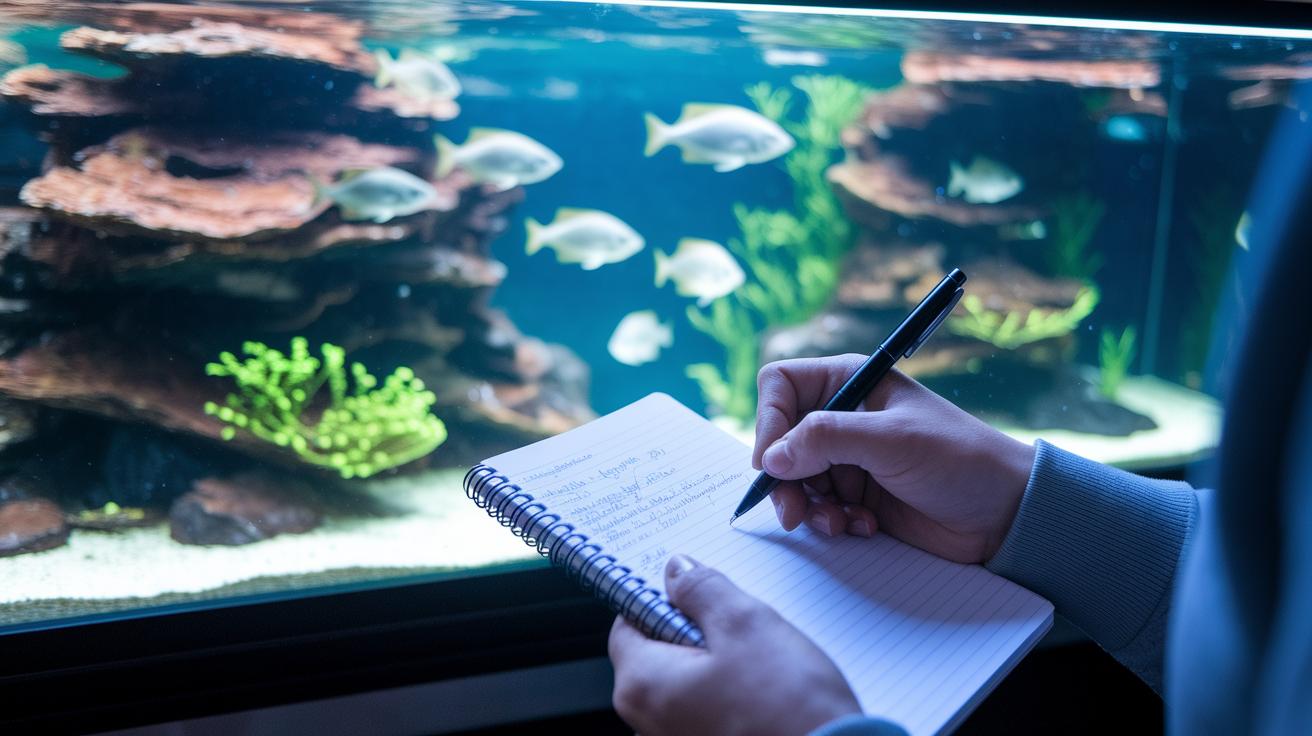
Keeping a regular log of your tank readings, water changes, and maintenance activities lets you catch small issues before they grow into big problems. It’s like watching the gentle ripple of water each day so you notice even the smallest change in pH, ammonia, or nitrate levels that could upset your aquatic pals.
| Issue | Possible Cause | Recommended Action |
|---|---|---|
| Cloudy Water | Excess organics or bacterial bloom | Perform a partial water change; check filtration |
| Algae Overgrowth | Nutrient imbalance | Trim plants; adjust feeding routine |
| Fish Gasping at Surface | Low oxygen or high toxin levels | Inspect filter; test for spikes; adjust dosing |
Using your log and this handy table makes solving problems feel as clear as a calm pond. When your numbers stay steady, it means your tank is finding its rhythm. But if you spot signs like cloudy water or too much algae, take a moment to compare your notes with the table. For instance, a quick partial water change or extra filter care might be just what your tank needs. Regular record checks not only help you notice trends but also suggest easy steps to keep the water peaceful and your fish happy over time.
Final Words
In the action, this article walked through a weekly routine covering tasks like parameter testing, filter upkeep, substrate cleaning, and scheduled water changes. Each step offers a clear procedure, from basic tests for ammonia and pH to detailed filter and substrate care, to help you keep your tank in prime shape.
Following the maintenance checklist for aquarium water quality helps create a balanced and inviting aquatic world. Keep your routine steady and enjoy watching your underwater display thrive!
FAQ
Where can I get a free printable maintenance checklist for aquarium water quality?
The free printable checklist summarizes weekly tasks like water testing, cleaning glass, and filter checks, helping you keep your tank safe and vibrant while following a simple, step-by-step guide.
What services are included in aquarium maintenance?
Aquarium maintenance services involve routine water tests, cleaning of filters, substrate vacuuming, and glass care, all aimed at keeping your tank’s environment balanced and your aquatic friends happy.
What basic steps should beginners follow for maintaining fish tank water quality?
Beginners should regularly test water parameters, perform scheduled water changes, and clean substrates and filters. These steps offer a simple routine to protect fish health and ensure clear, healthy water.
How can I locate local aquarium maintenance services near me?
To find local experts, search online or check with nearby pet shops and aquarium clubs. This approach helps you connect with professionals who can assist with water testing, cleaning, and overall tank care.