

Ever notice your fish swimming a bit differently lately? Their smooth movements can tell you a lot about your tank’s health. Watching how they nibble their food, glide through the water, and even breathe gives you little hints about water quality and balance. If you see them moving slowly or hanging around near the surface, it might be time to check the water conditions. Today, let's dive into the art of noticing these gentle clues to create a safe and happy home for your finned friends.
Fish Behavior Reveals Aquarium Ecosystem Health
Keeping a close eye on your fish is like reading a secret message about your tank. Their activity, from how they eat to the way they glide through the water and even how they breathe, tells you a lot about the water’s current mood. For instance, if you see them nibbling slower than usual or struggling for breath, it might be a hint that something in their watery home isn’t quite right.
Usually, your fish enjoy a steady snack routine, smooth swimming, and calm, rhythmic gill movements. But when you notice changes, like fish gasping near the top or darting around nervously, it’s a sign that the water conditions might need some tweaking. These little clues help you figure out if there are issues with water quality that you need to fix right away.
| Observation | Possible Issue |
|---|---|
| Slowed feeding | Low oxygen levels |
| Erratic swimming | High ammonia or nitrite levels |
| Hiding or lethargy | High turbidity or sudden salinity changes |
By keeping an eye on how your fish eat, swim, and breathe, you can spot trouble early. Once you notice something unusual, a little adjustment in your aquarium’s water parameters can help keep your fish happy, safe, and thriving. It’s like giving your tank a quick tune-up so the peaceful flow of water continues to provide the perfect home for your aquatic buddies.
Key Behavioral Indicators for Fish Health Monitoring

In a healthy tank, fish glide through the water with smooth, graceful movements, eat enthusiastically, and let their fins relax. But when things change, it can mean the water isn't as clear or balanced as it should be.
-
Gasping at the surface (low dissolved oxygen): When a fish drifts to the top for a quick breath, it’s a hint that oxygen levels may have dropped. I once saw a fish lingering near the water’s edge, clearly on the lookout for more air, and that nudged me to check the oxygen levels.
-
Lethargic or clamped fins (pH swings): If you notice a fish with tight, resting fins, it might be a sign that the pH is off balance. I remember spotting one with its fins held close to its body, so I tested the water and found a pH shift was the culprit.
-
Erratic or darting movements (ammonia/nitrite spikes): Sudden, jerky moves usually signal that something isn't right, like a spike in ammonia or nitrite. Once, I saw a fish dart unexpectedly across the tank, a clear sign that toxic compounds were stressing its gills.
-
Hiding or loss of appetite (high turbidity or salinity shifts): When a fish that usually explores and feeds starts hiding or skipping meals, it can mean the water is murky or the salinity has shifted, affecting oxygen flow. I once noticed a normally active fish settle into a corner and not eat, and it turned out that the water clarity was compromised.
Checking these behaviors regularly is like keeping an eye on the gentle ripples in your favorite pond, it helps you catch water issues early and keep your aquarium environment balanced and healthy.
Effective Techniques for Monitoring Fish Behavior
When you start with a simple visual check, it's like giving your aquarium a friendly once-over to see how it's doing. I often use easy water tests, like test strips or liquid kits, to quickly see if the pH, ammonia, or nitrites are in check. I remember once spotting a slight pH change on a test strip, and I was able to tweak my setup before my fish even felt a hint of stress.
Modern monitoring tools bring a whole new level of ease by offering real-time data. These range from the basic manual methods to nifty digital devices that send alerts when water quality tweaks occur. It’s a bit like having a little guardian keeping an eye on your tank, letting you know instantly if any adjustments are needed.
Here's a look at the four main types of systems that can help you watch over your aquatic home:
| Monitoring System | Key Features | Best Use Case |
|---|---|---|
| Manual Test Strips | Simple and low cost | Great for beginners |
| Digital Probes | High accuracy with continuous readings | Ideal for mid-sized tanks |
| Smart Systems | App integration with instant alerts | Perfect for remote monitoring |
| Camera-Based | Motion detection and night vision | Best for watching fish behavior |
Mixing these methods gives you a robust way to keep track of your tank. By combining a quick visual check with digital insights, you can catch subtle shifts in pH, temperature, or ammonia early. This approach is like having a safety net, ensuring that your fish feel calm and your watery world stays balanced. Plus, you can easily find these monitoring tools at aquarium supply stores to fit both your setup and your budget.
Step-by-Step Setup for a Fish Behavior Monitoring System
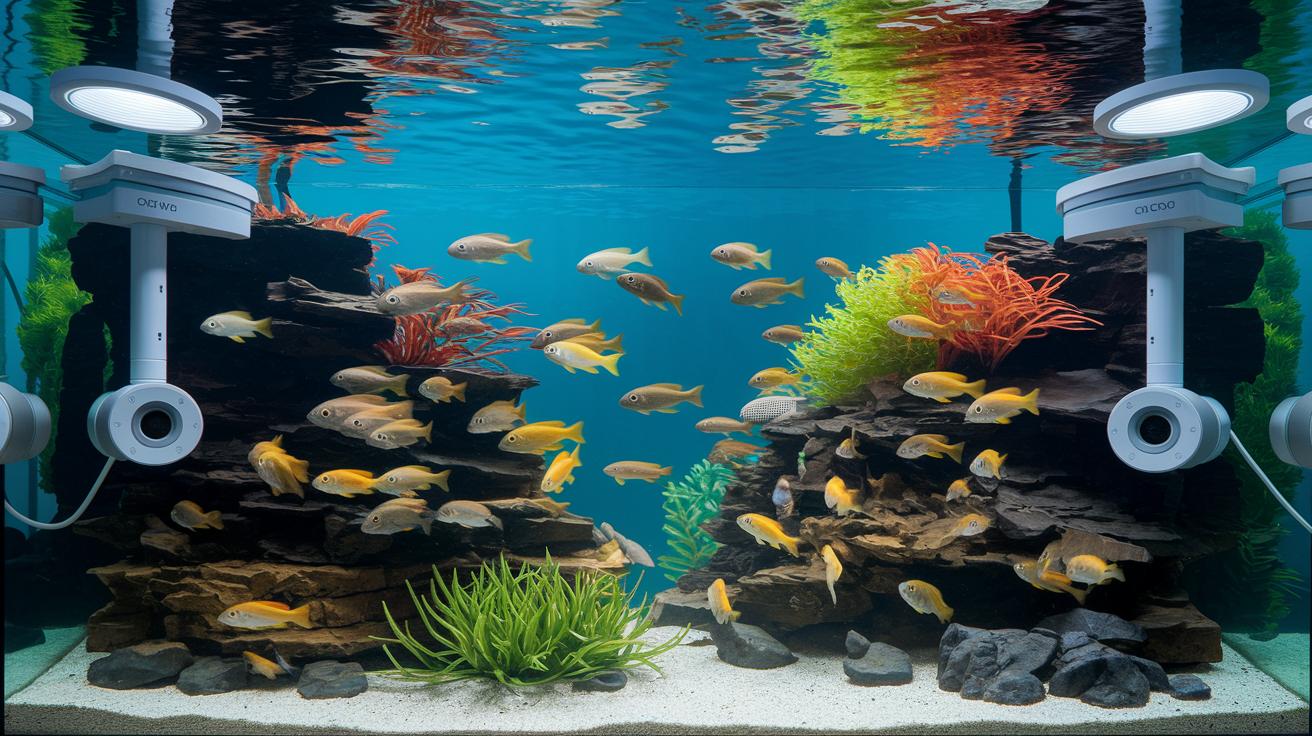
Getting your monitoring system ready is like setting up a beautiful underwater stage where your fish can truly shine. When you take the time to craft a setup that works with your tank and fish, you’ll see clear changes in behavior when water quality, temperature, or pH shifts. Let’s dive into these steps together for a system that offers clear, real-time insight.
-
Select system components
Choose the right equipment based on your tank’s size and your fish’s habits. Look for sensors and cameras that fit your aquatic space perfectly. -
Unbox and inspect sensors
Open each package with care and check every sensor. It’s important to ensure everything is intact and matches what the manual says, just like checking your fish are healthy before a new tank arrangement. -
Calibrate probes to known standards
Use distilled water or a prepared solution to set up the sensors. Calibration is like tuning a musical instrument, it makes sure your readings for temperature, pH, ammonia, and other values are spot-on. -
Place probes at key zones
Set the probes in areas where your fish love to swim. By placing them where the action is, you’ll catch the most important data, like observing the natural ebb and flow of currents in a stream. -
Install cameras for full coverage
Mount your cameras so the entire tank is in view. This way, you won’t miss a moment of feeding or playful movement, much like having a panoramic view during a sunset swim. -
Log baseline water-parameter readings
Record your first set of readings for temperature, pH, ammonia, nitrite, and nitrate. These numbers work as a reference point, like marking the start of a journey through calm waters. -
Configure alert thresholds and test triggers
Set up notifications that gently alert you if any readings stray from normal. Run a few tests to be sure your alerts work correctly, just like checking that a fish’s favorite hiding spot is safe.
Regular upkeep and regular reviews of your data will keep your system running as smoothly as a gentle current, ensuring that your aquatic home remains a serene and healthy paradise.
Troubleshooting Behavior Anomalies in Aquarium Fish
When your fish start acting off, it's important to take a quick, friendly look at what might be bothering them. Keeping a close eye on your tank helps you figure out the problem fast so your fish stay calm and comfy.
-
Gasping near the top? That usually means there's not enough oxygen in the water. Take a peek at your air system, whether it's paddle wheels or another setup, to help pump in some fresh oxygen.
-
If you see your fish darting around erratically, this could be a sign of an ammonia or nitrite spike. Give your water a quick chemistry check and see if your biofiltration system needs a little tune-up.
-
Cloudy water can sound like an extra layer of mystery, but it typically points to high turbidity that might stress your fish. A partial water change and a quick filter clean can help clear things up.
-
When your fish seem listless or start hiding more than usual, it might be because the salt levels are off. Use a conductivity sensor if you have one to check and adjust the salt concentration.
Regular water tests and keeping your filters spick and span wrap these tips into a smart overall strategy to help your aquatic buddies stay healthy and happy.
Advanced Analysis of Fish Behavior for Predictive Health Monitoring
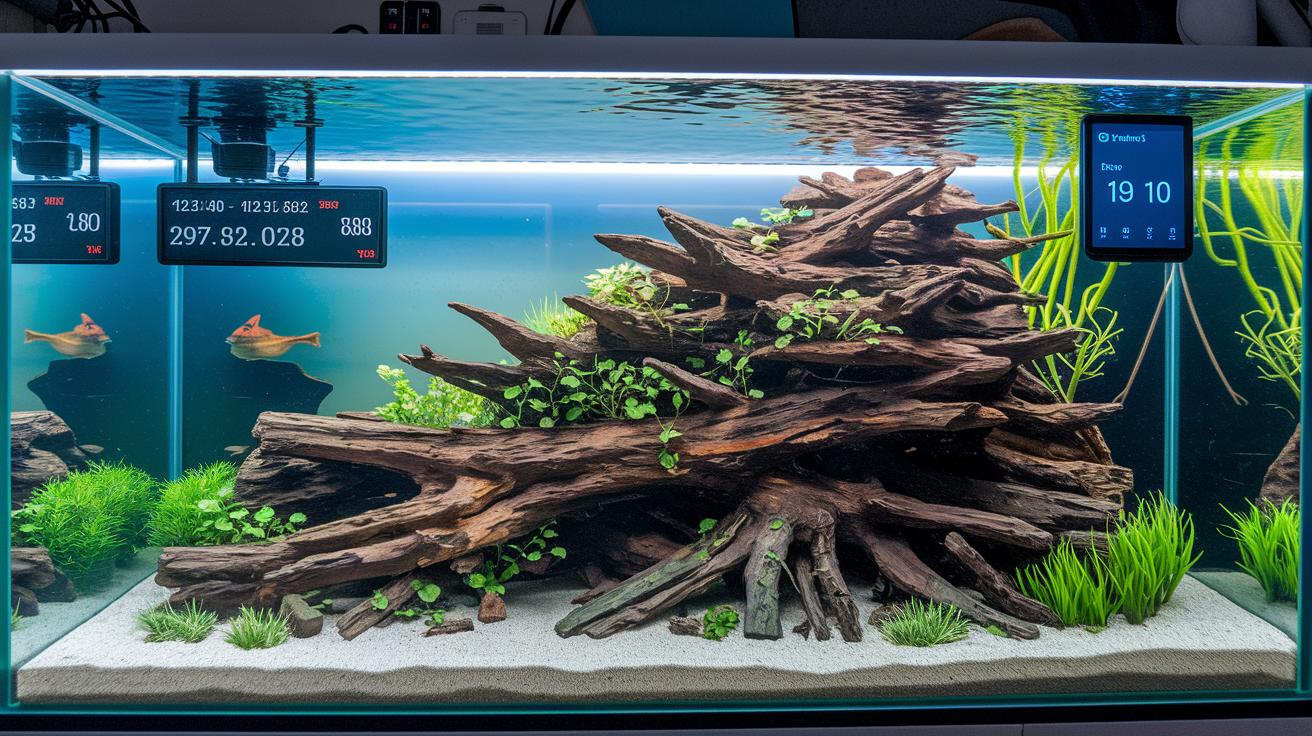
When you watch your tank over time, subtle patterns start to emerge, ones you might miss day by day. By gathering data over weeks or even months, smart sensors and tools like IoT and AI help paint a clear picture of your aquarium’s health. These tools work with cloud platforms that record vital details like how much oxygen is in the water, its pH, ammonia levels, and even how actively your fish swim. This means you can catch little changes early, before they grow into real problems.
Sample Dashboard Layout
Imagine a friendly dashboard that shows your tank’s key numbers in real time. It keeps an eye on dissolved oxygen, pH, ammonia, and even a swim activity score over time. If any of these readings drift out of the safe zone, a light or alert pops up, almost like a gentle nudge telling you to check on your aquatic pals. It’s a quick health check for your fish community that helps you know exactly when a tweak is needed.
Using these smart, predictive insights makes it easier to keep your fish stress-free. Early warnings let you adjust things like feeding times with clever feeding systems that notice changes in fish behavior. This approach not only keeps your aquarium calm and balanced but also helps you fix issues before they become major headaches. In short, mixing long-term data tracking with smart alerts sets up your tank as a peaceful home where your fish can truly thrive.
Final Words
In the action, this post highlighted fish cues like feeding, swimming patterns, and breathing rhythms, linking them directly to water quality checks. It broke down how to set up simple monitoring tools and use common household methods to catch early signs of shift in your tank's balance.
By watching these natural behaviors, you're well-equipped to maintain a clean and healthy underwater world with monitoring fish behavior to assess aquarium ecosystem health. Keep your tank thriving, and enjoy every moment under the water!
FAQ
Where can I find PPT and PDF presentations on monitoring fish behavior to assess aquarium ecosystem health?
The PPT and PDF resources offer clear guides that show how to track fish actions and water qualities, helping you keep your aquarium steady.
What are the methods of monitoring fish?
The methods of monitoring fish include using test strips with manual kits, digital probes for continuous readings, smart systems linked to devices, and camera-based setups for visual checks.
What are the different types of fish behavior in an aquarium?
The different types of fish behavior include normal swimming rhythms, standard feeding routines, and proper breathing rates—all of which help indicate the overall health of your aquatic setup.
Why is monitoring fish health important?
Monitoring fish health is important because their behavioral changes reveal water quality shifts. Regular checks help you catch stress signs early and protect your aquatic friends from harm.
How do fish respond to the environment?
Fish respond to their surroundings by shifting their swimming patterns, feeding habits, and breathing rates. These changes often serve as early alerts to adjustments needed in water conditions.