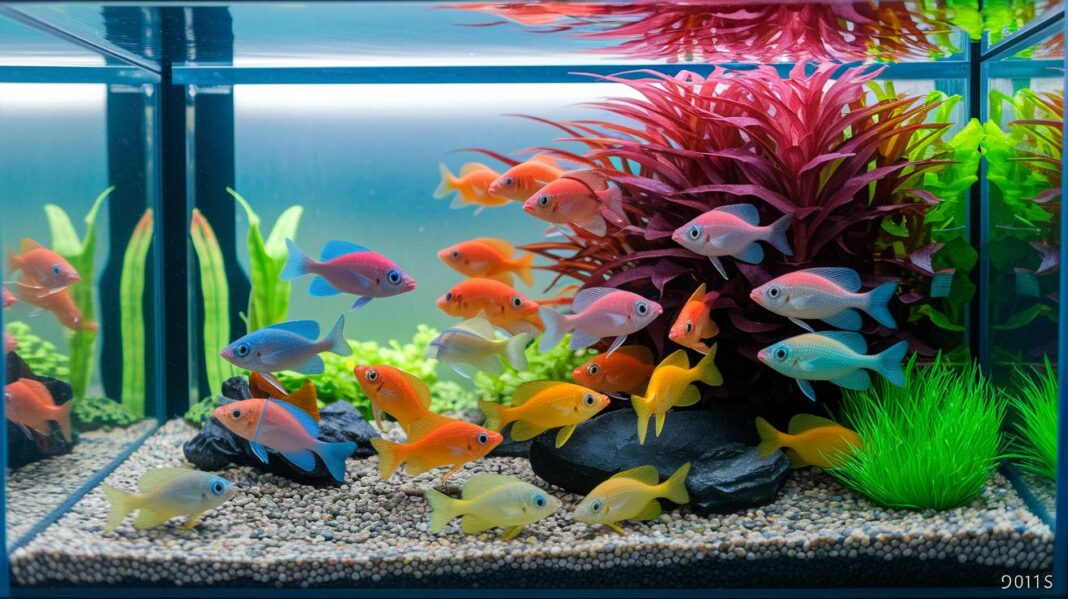
Have you ever stopped to wonder if your fish are enjoying nature’s best buffet? Many of them thrive when they eat just as they would in the wild. Some love snacking on fresh algae, while others go for a few lively treats.
This guide shows you how feeding each fish according to its habits can boost their colors and energy. Plus, sticking to natural feeding routines helps keep your tank healthy and vibrant. Give these simple tweaks a try and watch your underwater friends flourish.
Natural Feeding Patterns and Nutritional Needs Among Aquarium Fish
Aquarium fish have unique diets that match the way they live in nature. For example, herbivores like Plecostomus, Mollies, and some Cichlids do best when they get lots of fiber and plant nutrients. Carnivores such as Oscars, Bettas, and some Catfish really need extra protein and fats, while omnivores like Tetras, Guppies, and Barbs enjoy a mix of both animal and plant treats. Imagine a Plecostomus gently nibbling on fresh algae, just as it would in the wild. It’s a simple way to help these fish grow strong and display bright colors.
In the wild, fish usually eat a blend of plankton, algae, insects, and tiny prey. This mix gives them a natural balance of nutrients. At home, it’s important to try and mimic these patterns. When fish are offered live foods, it sparks their natural hunting instincts – much like watching a fish chase a drifting morsel in a sparkling current. And everyday foods like pellets and flakes can back up their diet, giving them a taste of their wild menu.
Keeping their diet balanced is key to a fish’s overall health. Mixing live foods with well-made diets not only lets fish act on their natural instincts but also helps them grow properly, shine with vivid colors, and feel lively every day. It might take a bit of trial and error to match the right diet to each species, but the reward is an underwater world where every fish can thrive naturally.
Species‐Specific Feeding Behaviors in Captive Aquarium Fish
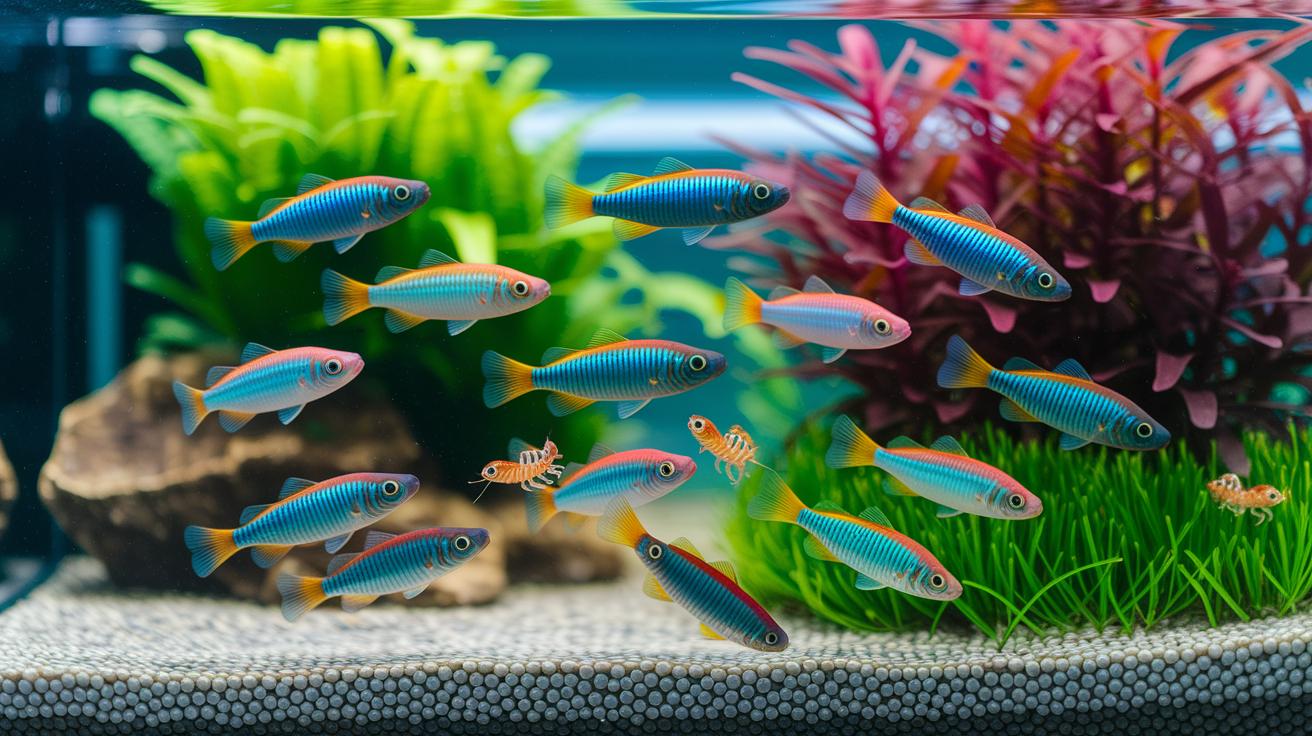
Mid-water feeders like Tetras are built for speed and coordination. These lively swimmers move in groups, chasing down tiny treats like Daphnia and infusoria. Together, they boost their chances of catching a bite while keeping any unwanted aggression at bay, making meal time a calm, communal affair.
Surface dwellers, such as the striking Betta, have a different way of enjoying their snacks. They actively chase floating foods like baby brine shrimp and pellets that drift just like the natural currents of their past waters. It’s all about instinct and keen eyesight, much like a sudden flash of movement grabbing your attention on a busy day.
Then there are the bottom-dwellers, including friendly species like Corydoras and curious Plecos. These fish take a more measured approach, carefully sifting through the gravel in search of hidden treasures like live blackworms. This natural scavenging mimics how food is often found in the wild and helps keep their tank clean while providing a balanced diet.
Altogether, these distinct feeding methods show how each ornamental fish adapts its eating habits to fit its corner of the aquarium, ensuring every finned friend gets a meal that feels just right for its natural way of life.
Live and Prepared Food Options that Emulate Wild Diets
Feeding your aquarium fish with live food is a bit like taking them on a mini-adventure in the wild. Imagine tiny baby brine shrimp, only about 0.5 to 1 mm in size, zipping around the tank. Their little quick dashes tickle the fish’s natural hunting instinct, almost like watching a playful underwater ballet!
For fish that scatter their eggs, vinegar eels are a great treat. These tiny critters, around 1 mm long, can be grown easily using apple cider vinegar mixed with apple slices. It gives your fish a healthy snack similar to what they’d find in their natural environment. And then there are microworms, which you can culture on mashed potato or oatmeal. These little worms provide steady energy to growing fry, much like the small prey they’d seek out in the wild.
Prepared foods also have a special spot in the tank. Daphnia, which range from 1 to 5 mm, deliver a concentrated burst of nutrients. Many fish keepers culture them in aged, dechlorinated water using a pinch of yeast or spirulina. For the tiniest fry, infusoria offers a plankton-like diet. It’s made from a mix of old tank water, a bit of banana peel or instant yeast, and warmed gently to around 78–80°F.
Bottom-dwelling friends, like Corydoras, often enjoy live blackworms. These worms are stored in shallow water kept between 40–55°F and given a quick rinse every day. As your fish grow older, grindal and white worms become the perfect meal, especially when prepared on a substrate that’s been sterilized at about 180–200°F.
Even insect larvae, like mosquito larvae or earthworms, add an extra dash of variety to the diet. They bring natural roughage and encourage your fish to forage around, just as they would in the wild. Combining both live and prepared food types lets your fish enjoy a meal that feels natural and full of life.
| Food Type |
Size Range |
Target Species |
<
Culturing Techniques and Feeding Schedules for Live Foods
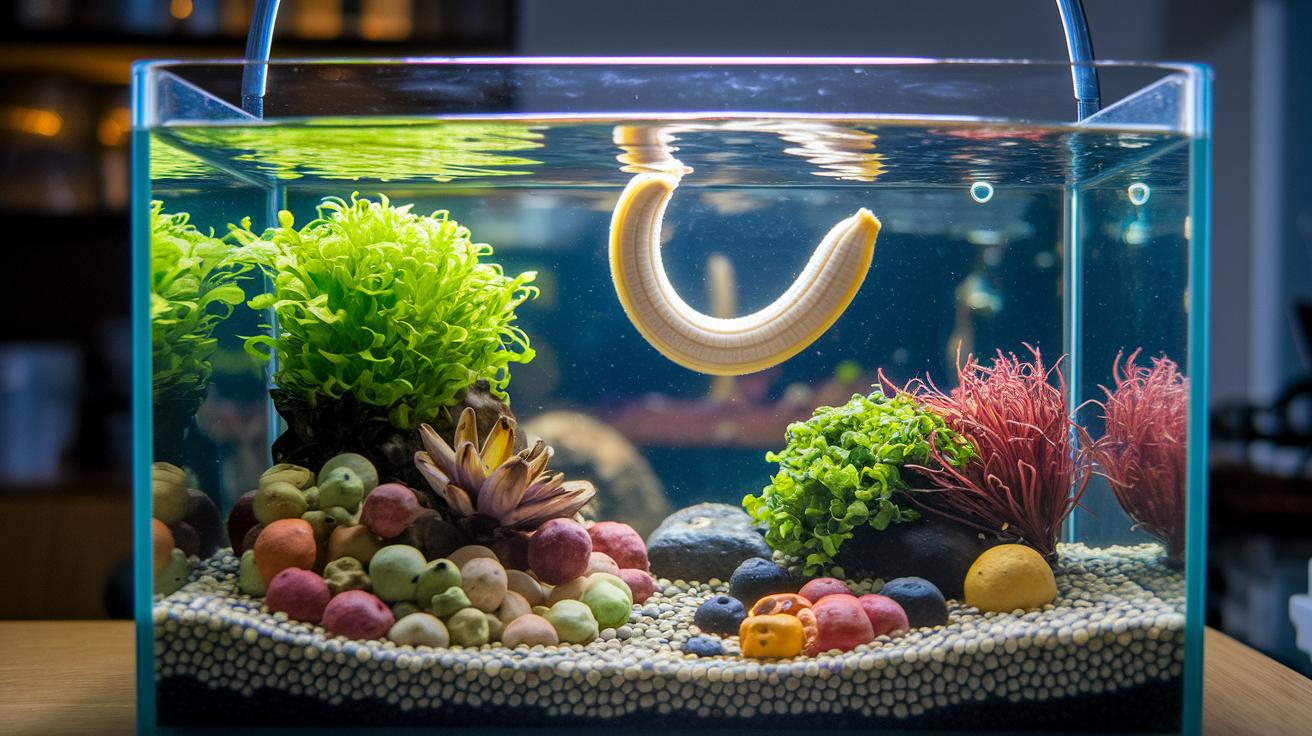
Let's dive into some friendly tips for culturing live foods. For vinegar eels, mix equal parts apple cider vinegar and dechlorinated water and let the mixture sit at room temperature. To grow a healthy batch of infusoria, add about a one-inch piece of banana peel or ½ teaspoon of instant yeast per liter of well-aged tank water, and keep it cozy at around 78–80°F. Blackworms do best in a shallow dish with water no deeper than 1.3 cm (about half an inch), kept cool between 40–55°F; a quick rinse each day helps keep their water clean and clear, much like tidying up your favorite fish habitat. For Grindal and white worms, a little extra care goes a long way, sterilizing their substrate in an oven heated to 82–93°C ensures your fish get a safe, nutritious treat, almost like a chef’s special meal.
When it comes to feeding schedules, think of it as tuning into your fish’s natural rhythm. Fry need lots of small meals throughout the day, usually 4 to 6 little feeds, to support their fast growth. Meanwhile, adult fish thrive on 1 to 2 measured meals to avoid overfeeding and keep them feeling just right. This approach mirrors nature’s own design, letting you experiment with meal timing and enjoy watching your fish adjust as they grow from tiny fry into graceful swimmers.
Common Feeding Errors and Their Effects on Fish Health
When you give your fish too many pellets, things can quickly get out of balance. Overfeeding can make your fish gain extra weight, and that often means they don’t grow as well or show off their natural colors. Plus, those extra pellets can settle in the water and make it murky, so you end up spending more time cleaning and maintaining your tank.
Another common mistake is using feeder fish like goldfish or minnows. They might seem like a handy snack, but they can bring unwanted parasites and high levels of thiaminase. This enzyme stops your fish from getting enough vitamin B1, which is key to keeping them healthy and vibrant. In truth, missing out on essential proteins, fibers, or fats because of incorrect portions can create nutritional gaps that hurt your fish in the long run.
Feeding on a random schedule can confuse your fish too. When their meals aren’t consistent, hunger cues get mixed up. This can lead to more competition for food and even some aggressive behavior among your aquatic pals. A steady feeding routine helps keep natural hunger cues intact and ensures that your fish get just the right amount of energy throughout the day.
One friendly tip: try planning out a regular feeding schedule with measured portions. Not only does this support healthy growth and brighter colors, but it also helps keep stress levels low for your fish. Taking care of these small details can make a big difference in creating a calm, happy underwater world for all your aquatic friends.
Environmental Factors Shaping Feeding Behavior in the Aquarium
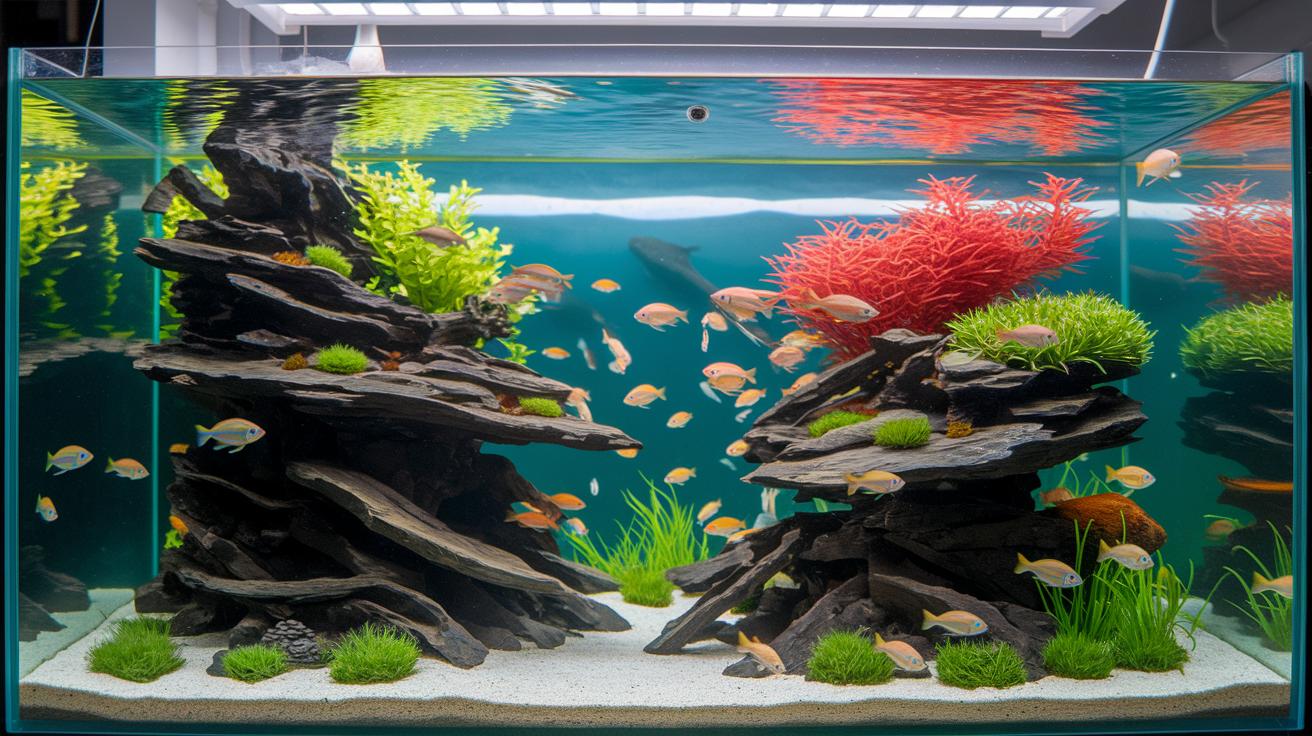
Water temperature and tank setup play a big role in how fish eat. Most tanks have layers of water, kind of like a cake with a top, middle, and bottom layer. Each layer gives fish access to different foods. For instance, Daphnia do best in cooler water around 68°F, while tiny organisms called infusoria grow faster when it’s warmer, around 78–80°F. By arranging decorations and controlling water flow, you help create a mini natural world where fish can feed just like they would in a stream or pond.
Lighting schedules also help set the stage for mealtime. Fish that like to be active during the day move quickly when the tank is bright, while night feeders prefer softer light. Using feeding rings or target-feeding tools guides the food to certain spots in the tank. This not only cuts down on wasted food but also mimics nature’s way of eating. The result is a balanced, lively feeding scene that matches each fish’s natural habits.
Final Words
In the action, we reviewed fish diets, feeding zones, live food culturing, and common feeding errors. We explored how tank settings and food types shape feeding patterns while keeping nutrient needs in check.
Small adjustments in diet and feeding schedules mirror the natural habits of fish.
This blog brings together natural feeding behaviors and nutrition in aquarium fish, leaving you with clear ways to support a vibrant and healthy aquatic home.
FAQ
Homemade food for Aquarium fish
The homemade food for aquarium fish offers a balanced mix made from fresh ingredients that mimic natural diets, helping boost vitality, colors, and growth in your aquatic friends.
Live food options for fish online, live food cultures, easiest live food to culture, and live food for fish fry
The live food options for fish include purchased live cultures online and simple-to-grow choices like microworms or infusoria. These foods trigger natural hunting instincts and support healthy feeding routines.
How to take care of aquarium fish
Taking care of aquarium fish means keeping their tank clean, watching water conditions, and feeding at regular times. These steps help your fish thrive and maintain vibrant colors.
Aquarium fish food name and best fish food for freshwater fish
The best fish food for freshwater fish features specialized formulas often named for carnivores, herbivores, or omnivores. These mixes combine live and prepared options to match each species’ natural diet.
What are the different feeding habits and behaviors of fish?
The feeding habits and behaviors of fish include surface nibbling, mid-water chasing in schools, and bottom scavenging. These natural patterns match their instinctive methods from wild settings.
What are the factors affecting food and feeding habits of fish?
Factors affecting fish feeding habits include water temperature, available diet types, and social interactions. These elements shape how each fish searches for and consumes its meals.
What are the different modes of feeding found in fish?
The modes of feeding found in fish include active pursuit, surface picking, and substrate scavenging. Each mode reflects unique adaptations for finding food in their natural habitat.
What are four different fish feeding strategies?
Four fish feeding strategies involve opportunistic feeding, selective grazing, schooling for prey, and bottom scavenging. Each strategy shows how fish use nature’s cues to get the nutrients they need.