
Ever wondered if giving your fish natural food could make your tank feel more alive? When you use fresh, eco-friendly ingredients, it's like offering your fish the kind of meal they’d enjoy in a wild stream. This method helps your fish shine with brighter colors, grow well, and stay healthy while cutting back on processed feeds. Imagine the gentle flow of a clear stream, softly nourishing every corner of your tank. With every meal, your fish get a balanced diet that fills their underwater home with natural vibrancy.
Natural Fish Food Options for a Balanced Aquarium Diet
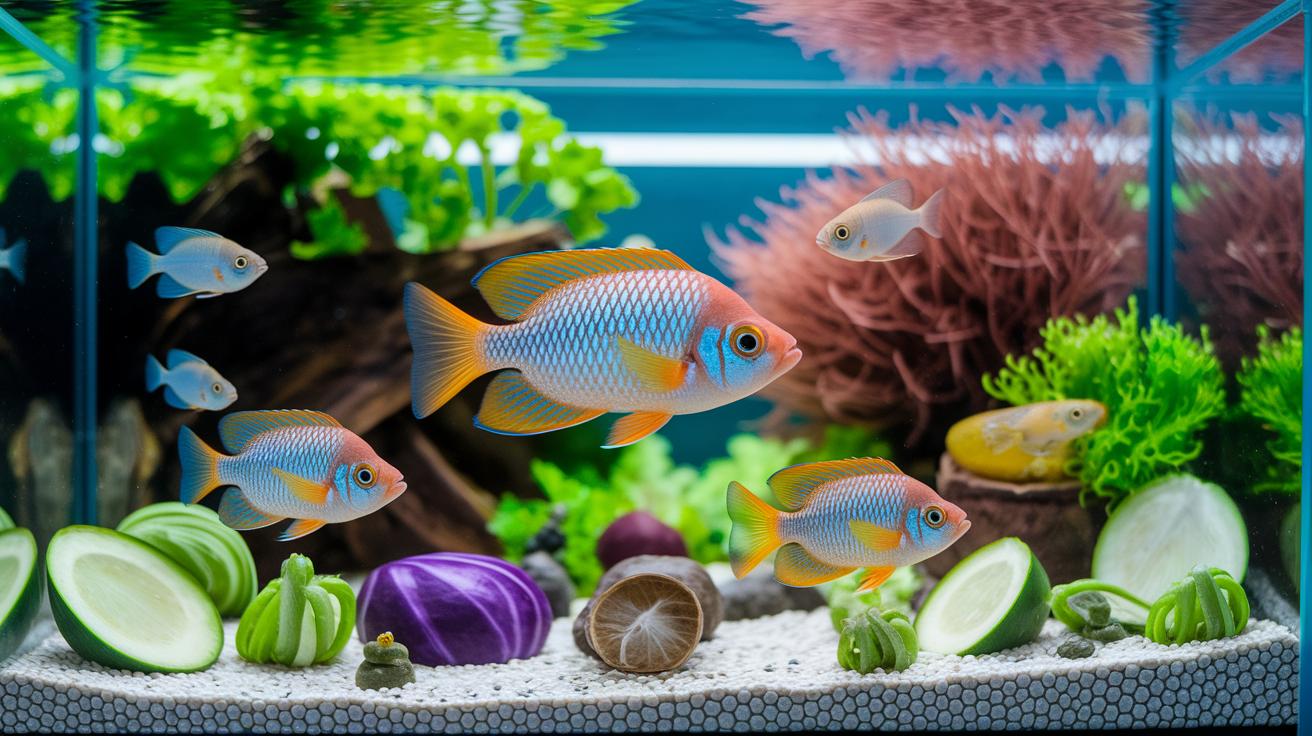
Natural fish food is all about giving your fish a taste of what they’d enjoy in the wild. Fresh, frozen, or freeze-dried ingredients, kept simple and lightly processed, hold onto the vitamins, enzymes, and fatty acids that help keep your fish thriving. For more details on the right nutrients, check out fish nutrition requirements.
Choosing eco-friendly ingredients is also a big part of this approach. When you use responsibly harvested foods, you not only protect our precious aquatic homes but also help your fish transition smoothly from processed feeds to nature-inspired options. For some helpful eco-friendly ideas in pet care, visit tips for an eco-friendly pet environment.
• Lightly processed flake foods crafted from whole marine and plant proteins
• Eco-certified pellets that blend krill, spirulina, and vegetable extracts
• Live treats like brine shrimp, daphnia, and blackworms
• Frozen and freeze-dried options including krill, plankton, and insect larvae
• Algae and plant-based mixes such as spirulina, chlorella, and kelp
• Homemade blends featuring pureed veggies, a bit of gelatin as a binder, plus bio-supplements
Mixing up these feeding choices helps give your fish a diverse spread of nutrients, much like a balanced menu in nature. This variety not only supports natural behaviors and vibrant colors but also boosts their immune systems and overall growth. By gradually introducing these natural feeds, your fish can adjust at their own pace, enjoying a diet that’s both balanced and true to nature.
Ingredient Insights for Premium Natural Fish Food
Picking the right ingredients is like choosing the perfect ripple to brighten your aquarium. When you feed your fish natural foods, not only do you see bold colors shine through, but it also helps with their growth and keeps their immune systems strong. Think of whole-food goodies like krill, oysters, nutrient-packed worms, seaweed, fresh vegetables, and herbs, each one offers proteins, fatty acids, vitamins, and minerals much like a meal in the wild. This balanced mix helps your fish build strong muscles and live an active, healthy life in their watery world.
| Ingredient | Key Nutrients | Benefits | Best For |
|---|---|---|---|
| Krill | Astaxanthin, DHA, FA | Enhances color and aids reproduction | Cichlids, live-bearers |
| Oysters & Clams | Protein, Iron, Zinc, E, B12 | Boosts immunity and growth | Goldfish, koi |
| Bio-fortified Worms | Protein, Chlorella | Supports muscle development | Betta, tropical carnivores |
| Seaweed & Algae | Vitamins A, C, E, K, B12 | Overall health maintenance | Herbivores, omnivores |
| Vegetables & Herbs | Vitamins, Minerals | Aids digestion and reproduction | All species |
Different fish need different treats, and natural ingredients make it easy to cater to each taste. Smaller fish, like bettas or tropical species, really thrive on protein-packed foods such as bio-fortified worms, which help grow their muscles nicely. On the other hand, goldfish and koi benefit from the rich minerals found in oysters and clams, which boost their immune system. And for those fish that nibble on plants, mix in some algae and vegetables to offer a full range of essential vitamins and minerals. By rotating these natural ingredients, you’re giving your fish a diet that feels just like their natural way of life, keeping them healthy and happily active in your aquarium.
Homemade and DIY Natural Fish Food Recipes
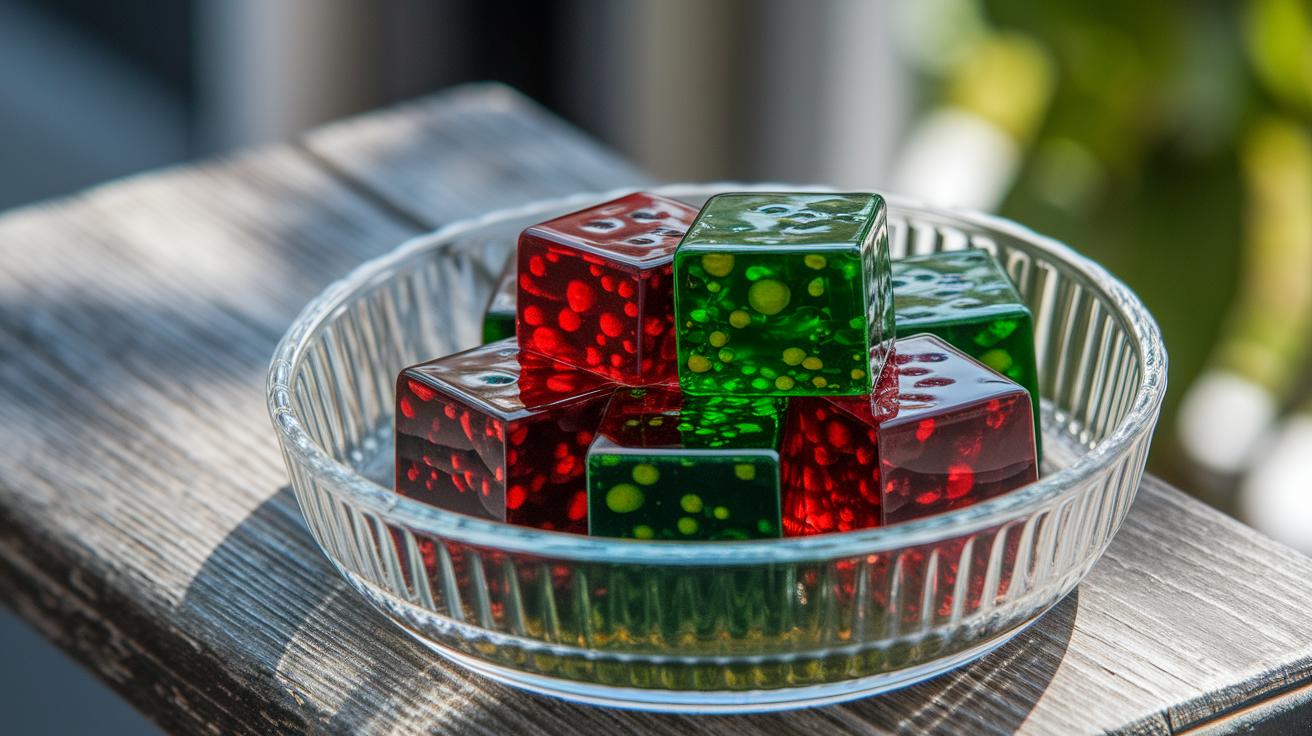
Gelatin-Bound Vegetable & Krill Blend
Mix together 50 grams of krill, 50 grams of fresh spinach, and 2 tablespoons of fish-safe gelatin with just a splash of water. Blend everything until it turns smooth, just like the gentle ripple of water in a quiet stream. Then, heat the mix slowly at a gentle temperature below 60°C so the vitamins stay safe. Once heated, let it cool to room temperature, pour it into a mold, and pop it into the fridge for at least two hours. These firm cubes offer your fish a gradual transition to natural textures while packing a nutritious treat.
Algae-Enriched Live Feed Soak
Take some newly hatched brine shrimp or daphnia and mix in 1 teaspoon of powdered chlorella. This algae powder adds extra vitamins and enzymes, much like a burst of sunlight in your tank. Stir the mix well and let it sit for 30 minutes so that all the goodness is absorbed. Give it a light rinse and serve right away for the freshest flavor and nutrient boost. This method is a simple way to add a raw, vibrant twist to your fish’s diet.
Freeze-Dried Protein & Herb Cubes
Blend fish roe with a little oyster powder, then add a pinch of thyme and a single drop of cordyceps extract. Mix carefully until you get a smooth paste, similar to creating a delicate watercolor picture in your favorite tank. Press the paste into thin molds and place them in a freeze dryer for about 24 hours. This process locks in all the natural flavors without any preservatives. Once dry, store these nutrient-rich cubes in a cool, dry place and slowly introduce them into your fish’s diet over one or two weeks. This method gives you a controlled way to offer your fish long-lasting protein treats while keeping their meals exciting and natural.
Feeding Frequency and Dosage Guidelines for Natural Fish Food
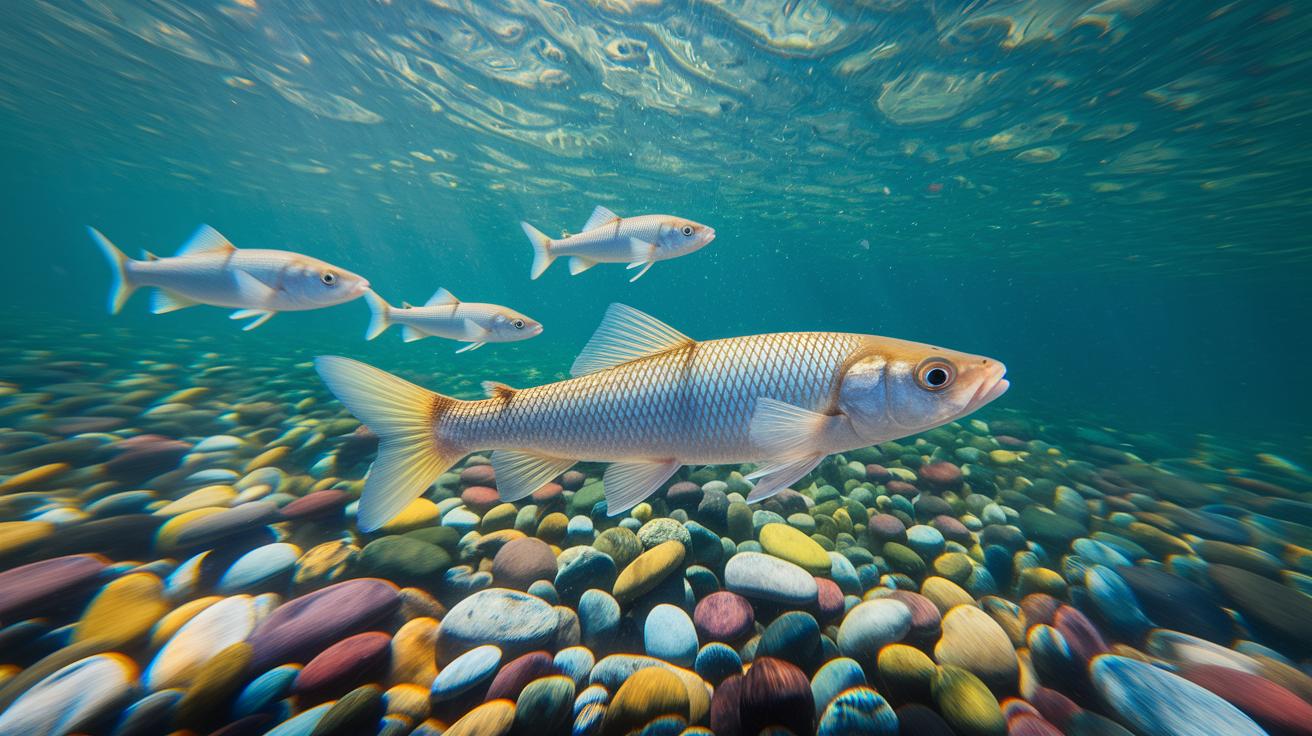
When keeping your fish happy, try feeding them small portions two or three times a day. Offer just enough food that they can gobble it all up within about two minutes. This quick burst of feeding feels natural, like a quick bite in the wild, and it helps keep your water clean and clear. Have you ever noticed how satisfying it is when every morsel disappears perfectly?
If you have guppies, mollies, or other livebearers, they sometimes need a little extra protein boost before their breeding season. Giving them a special dose during this time can help improve egg quality and keep them feeling lively. But be mindful, too much food can lead to cloudy water and unhappy fish.
For those cooler ponds, consider feeding just once a day or every other day. This gentler pace lets your fish adjust slowly, much like easing into a calm swim. Keep an eye on your fish, watching for ripples of good health, to ensure they stay vibrant through changing seasons.
Comparing Natural Fish Food with Synthetic Alternatives
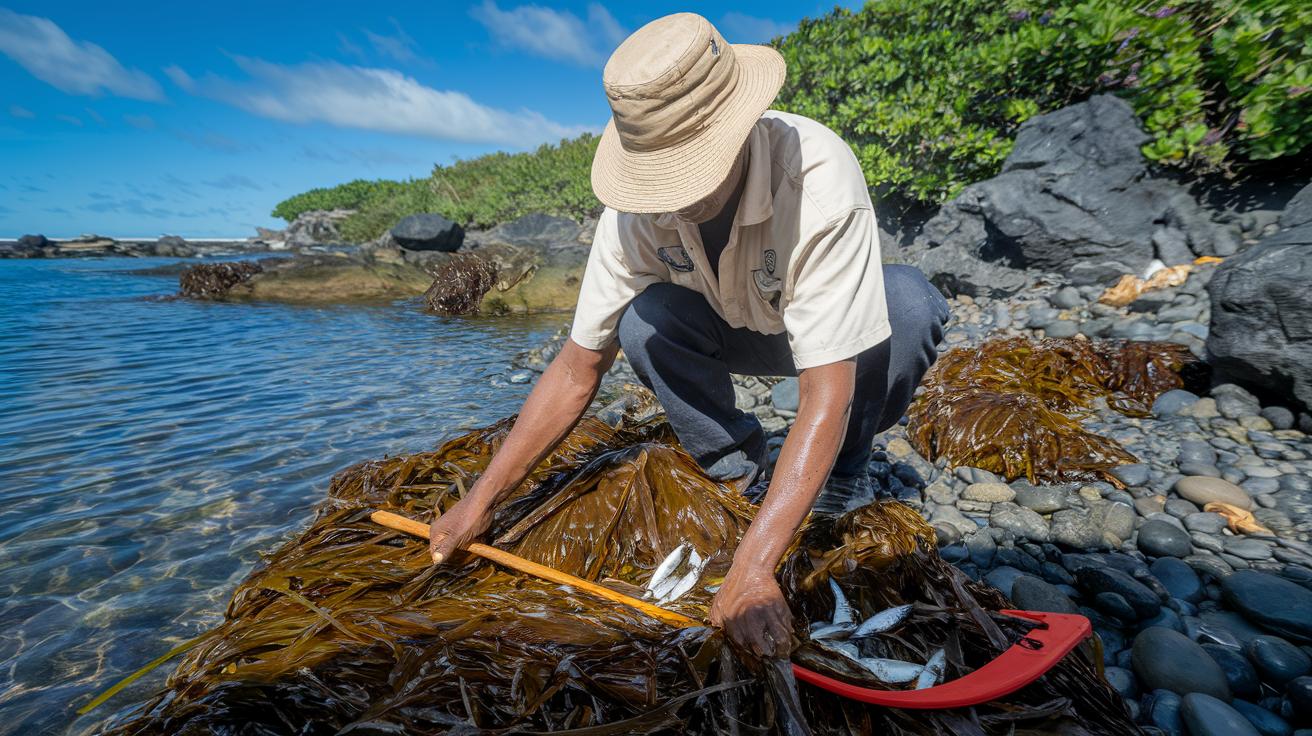
Natural feeds bring a burst of vitamins and enzymes straight from nature that processing can easily wash away. When fish are given meals that closely mirror what they would find in the wild, they still keep all the good stuff like vitamins A, C, E, K, and B12. Plus, these natural ingredients provide essential enzymes that help boost their immune systems. It’s a bit like serving them a recipe straight from Mother Nature, fresh, balanced, and full of life-enhancing benefits.
Studies show a clear edge for natural feeds when it comes to fish reproduction and fry survival. Research into how embryos use lipids (fats, which help build strong baby fish) found that eggs raised on nutrient-rich natural diets turn into healthier fry. This approach not only gives the fish the support they need for a strong immune system but also helps keep their digestive system balanced without relying on artificial additives.
Switching to natural feeds has been proven to brighten fish coloration, strengthen their immune responses, and boost overall reproductive health. Research with many fish types has shown that natural nutrients work wonders for egg quality and fry survival. In truth, feeding fish with natural options means giving them exactly what they need, nutrients that mirror what they’d eat in the wild, creating a truly healthy and vibrant aquatic environment.
Sourcing Sustainable Natural Fish Food Ingredients
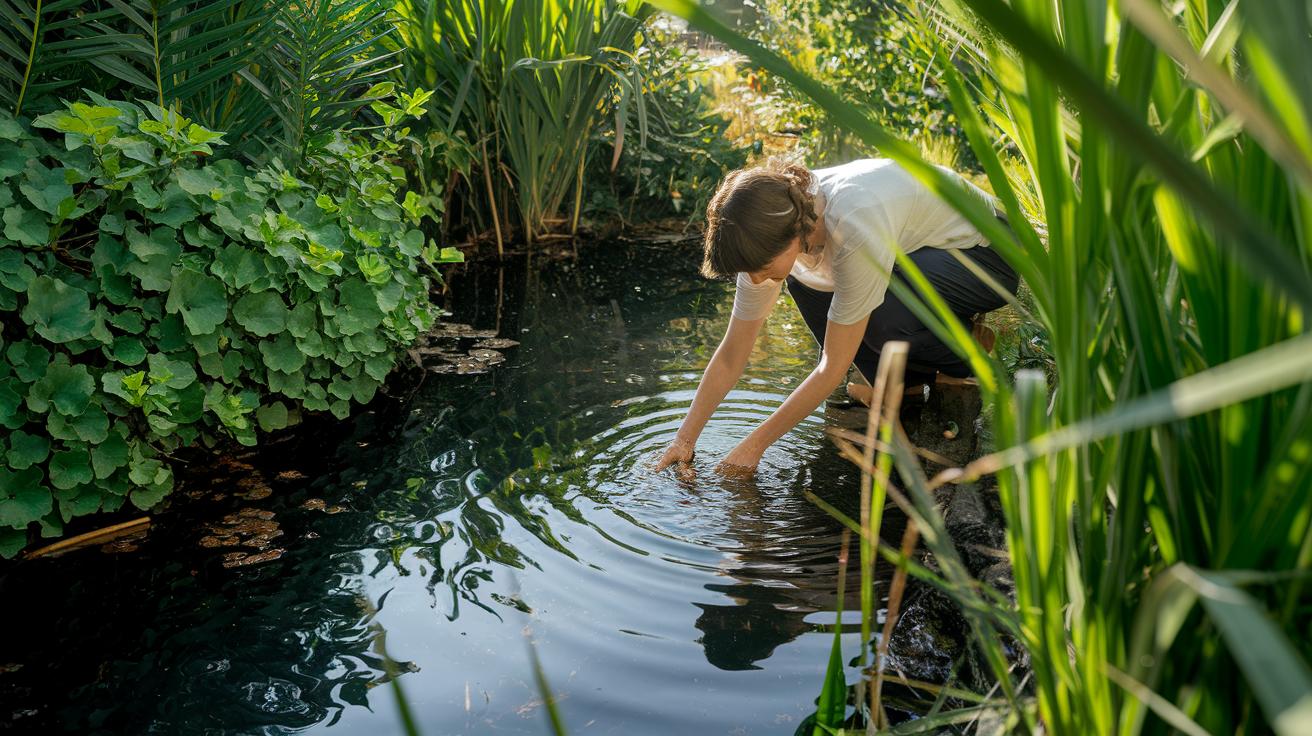
If you love the gentle sway of water and care about feeding your fish naturally, consider gathering daphnia and plankton from clean, unpolluted ponds. By doing so, you're bringing a bit of nature right into your aquarium while keeping things eco-friendly. You can also find safe greens and herbs at local organic markets, just give them a good rinse before offering them to your fish. This homegrown approach not only supports sustainable pond practices but also helps your fish enjoy food that's close to nature, without all the extra processing that commercial feeds usually need.
Another smart tip is to choose ingredients from vendors who stick to responsible harvesting. Products like freeze-dried krill, algae, and bio-fortified larvae come from eco-friendly sources and offer consistent quality. It pays off to check supplier certifications, ensuring there’s no overharvesting and that every batch meets environmental standards. And remember, storing these items in a cool, dry place keeps those vital nutrients fresh, so your aquarium gets a reliable and natural boost every time.
Final Words
In the action of exploring natural fish food options for a balanced aquarium diet, we reviewed nutrient-rich ingredients and step-by-step DIY feed recipes that help boost fish health and color. We covered eco-friendly sourcing, proper feeding routines, and ingredient insights to support a clean and harmonious underwater habitat.
This post reminds us that small changes can make life in your tank joyful. Enjoy watching your fish thrive as they experience the goodness of natural fish food.
FAQ
What does the best natural food for fish mean?
The best natural food for fish means using fresh, minimally processed ingredients that mimic wild diets, keeping essential vitamins and enzymes intact for stronger health and brighter colors.
How do I make homemade natural fish food?
Making homemade natural fish food involves blending fresh ingredients like krill and vegetables with fish-safe gelatin. This method preserves nutrients by keeping processing temperatures low.
Which natural fish food supports fast growth?
Natural fish food for fast growth includes nutrient-rich live feeds, algae, and fresh proteins that boost muscle development and vibrant coloring for rapid development.
What natural fish food is best for aquariums?
The best aquarium fish food contains minimally processed flakes and live feeds that retain vital vitamins and enzymes, helping stimulate natural feeding behaviors and clarity in tank water.
Which natural fish food works best for ponds?
For pond settings, natural fish food using local ingredients like wild-caught plankton, fresh greens, and algae helps maintain clear water while nourishing pond fish and supporting overall ecosystem balance.
What makes tropical fish food special?
Tropical fish food is usually formulated with vibrant protein sources and plant extracts tailored to the unique metabolism of tropical species, promoting glowing colors and specific nutritional needs.
What kind of natural fish food is ideal for small fish?
Natural fish food for small fish is finely milled and well-balanced, allowing easy consumption while supplying the essential nutrients that support ongoing health and natural feeding behavior.
Can fish eat foods besides commercial fish food?
Fish can eat alternative foods like fresh homemade blends, live feeds, and vegetable purees, which closely mimic their natural diet and offer a boost in vitamins and enzymes for better overall wellbeing.
Are natural fish foods safe for other pets like shrimp, goldfish, birds, cats, and dogs?
Although natural fish food is designed for aquatic pets, some ingredients may be safe for other animals. It’s best to consult a vet before offering these foods to non-aquatic pets.