
Ever thought about giving your brain a tasty boost? Oily fish is packed with omega-3s, a natural helping hand that keeps your brain cells flexible and your thoughts flowing smoothly.
Imagine enjoying a bite of salmon or mackerel and feeling a cool splash of refreshment, like dipping your toes into clear water on a sunny day. Yet, fewer than one in five Americans eat seafood twice a week.
Maybe it's time to reconsider what’s on your plate. This piece shows you how these ocean treasures can lift your mind while keeping your heart steady and your brain sharp.
How Oily Fish Support Brain Health
Oily fish like salmon and mackerel are bursting with omega-3 fatty acids, which our brains love. One of these, DHA, is like the oil that keeps engine parts running smoothly; it helps keep brain cell walls flexible so messages flow nicely. A serving of salmon can provide about 1,100 mg of DHA, giving your brain a clear, refreshing boost. Then there's EPA, which chases away inflammation and supports smooth blood flow, helping both your heart and brain stay healthy.
These good fats work together like a well-coordinated school of fish, reducing brain inflammation and even helping to keep our minds sharp as the years go by. Eating oily fish regularly can boost memory and thinking, while also giving your heart the care it needs. In truth, a healthy heart means a healthy brain.
Yet, fewer than 20% of Americans follow the current advice to eat seafood twice a week. So why not bring more oily fish into your diet? It's a delicious, natural way to support brain function and keep you feeling active and vibrant over time.
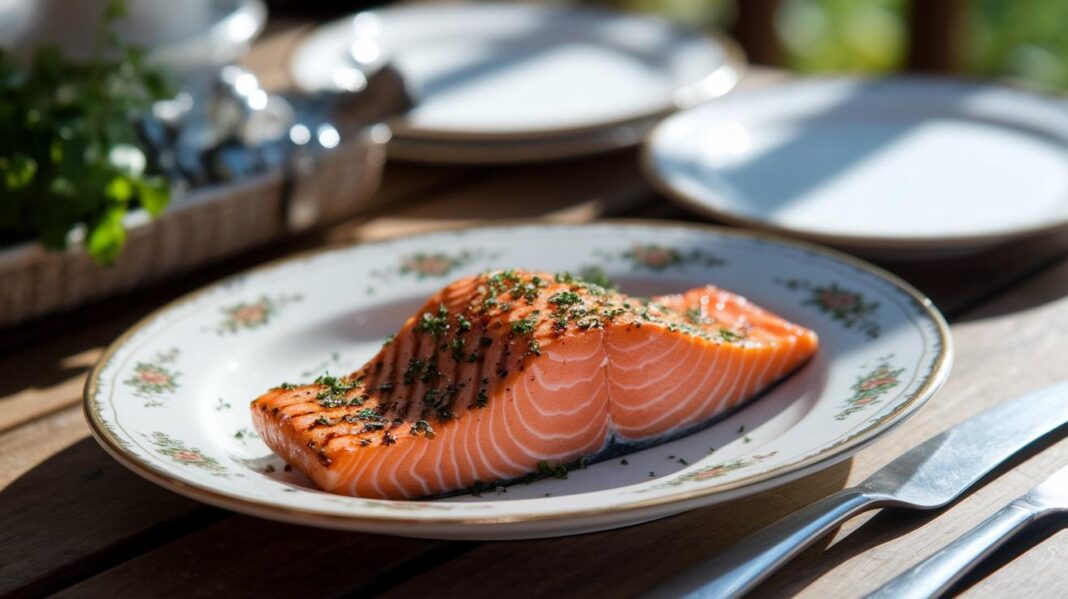
I still remember the first time I tried a perfectly grilled piece of salmon, it was like a cool wave refreshing your mind on a hot day. Ever notice how a simple meal can feel as calming as the gentle ripple of water over smooth stones?
Top Oily Fish Varieties for Cognitive Function

• Herring – This fish is a natural treasure, brimming with omega-3s and keeping contaminants to a minimum. Every bite of herring is like a cool splash to your brain, refreshing your mind much like a gentle ripple on a sunny day.
• Atlantic mackerel – With 100 g of this fish, you get 898 mg of EPA and 1,400 mg of DHA, two key omega-3 fatty acids that help your brain and heart stay in top shape. It’s like giving your body a well-tuned engine boost with every serving.
• Salmon – Imagine a bright, clear lake on a warm afternoon; that’s the vibe a plate of salmon brings. At 862 mg of EPA and 1,100 mg of DHA per 100 g, it works like a natural supplement for mental clarity, making your mind feel both calm and sharp.
• Sardines – These little fish offer a well-rounded mix of omega-3s, making them a quick and delicious option for a brain boost. They remind you that great nutrition can be as simple and satisfying as a tasty, bite-sized snack.
• Canned tuna – Despite being a budget-friendly choice, a 100 g serving of canned tuna delivers about 25 mg of EPA and 197 mg of DHA. It’s an easy way to support your brain’s health even when life gets busy.
Each option gives you its own special blend of omega-3 fatty acids to help keep your mind bright and your overall well-being in balance.
Nutrient Breakdown: EPA, DHA and Cognitive Benefits of Oily Fish
Oily fish pack some powerful brain-boosting fats. DHA helps keep your brain cell walls flexible, while EPA works to ease inflammation in the brain. Research now hints that these omega-3 fats, when paired with antioxidants from fresh vegetables, might boost brain health even more. Light grilling is a gentle way to cook fish that better preserves these good fats compared to deep-frying. Fun fact: When salmon is lightly grilled, it keeps most of its omega-3s, so every bite can help sharpen your focus.
Below is a quick visual reference showing key omega-3 nutrients per 100 g:
| Nutrient | Role in Brain | Amount per 100 g |
|---|---|---|
| DHA | Keeps cell walls flexible | Salmon: 1,100 mg; Mackerel: 1,400 mg; Tuna: 197 mg |
| EPA | Eases inflammation | Salmon: 862 mg; Mackerel: 898 mg; Tuna: 25 mg |
| Total Omega-3 | Helps blood flow and reduce inflammation | Salmon: 1,962 mg; Mackerel: 2,298 mg; Tuna: 222 mg |
This nutrient breakdown reminds us that the way you prepare fish can really make a difference. For example, lightly grilled salmon teamed with fresh greens creates a meal that's both delicious and a smart choice for boosting your braininess.
Clinical Trial Evidence for Omega-3 and Cognition

PUFA Clinical Trial
In a cool study led by Lynne Shinto at OHSU, researchers looked at older adults to see if omega-3 supplements could help boost memory and thinking skills. They gave a group of folks these supplements and noticed their scores on memory tests improved, almost like adjusting a leaky filter in your tank to clear up the water. The study shows that regular doses of DHA and EPA, two important fatty acids, can help keep your brain in smooth working order. It’s a bit like watching a well-tuned engine run more efficiently after a little maintenance.
PreventE4 Clinical Trial
Another trial, the PreventE4 study led by Hussein Yassine at the Keck School of Medicine at USC, took a deep dive into memory health for those with the APOE4 gene, a known sign of potential memory issues later on. The findings revealed that people who took DHA and EPA had a slower decline in memory compared to others. Think of it as adding a stabilizer that helps keep the water calm in an otherwise choppy sea. Experts remind everyone to chat with a healthcare provider before starting any supplements so that you can get a dose that fits your unique needs.
Dietary Guidelines and Serving Recommendations for Oily Fish
Eating oily fish is like giving your brain a gentle boost, much like the playful ripple of water on a sunny day. Federal guidelines suggest enjoying two servings of seafood (about 3.5 oz each) every week, yet less than 20% of people hit this mark. It’s a bit like missing out on the trickling flow of essential nutrients, especially EPA and DHA, which help keep your brain swimming smoothly.
A 100 g serving of oily fish packs enough omega-3 goodness to support your daily brain needs, imagine it as a refreshing sprinkle of essential fats. Choosing different fish like herring and sardines keeps your plate varied and is smart too, since these fish usually have lower levels of contaminants, including mercury. This little change means you can safely dive into the benefits of omega-rich fish without worrying about extra risks.
Dietitians suggest planning two fish-based meals each week to help your brain stay alert and connected, much like a well-kept aquarium. One night, you might enjoy the warm flavors of grilled salmon, and on another, a light sardine salad could add a zing of refreshing taste. It’s all about mixing flavors and nutrients in ways that suit your lifestyle while making sure every bite gives you a balanced dose of omega-3s.
When you make oily fish a regular part of your meals, you give your brain a tasty lift and help it function better overall. This regular intake not only meets your nutritional needs but also helps keep inflammation low and blood flowing smoothly, just like a calm stream nurturing an underwater garden.
Alternatives and Omega-3 Supplement Options for Brain Health

Not into fish? No worries! You can still give your brain a tasty boost with omega-3 sources that aren’t from the sea. Cool plant options like walnuts and flaxseed are full of ALA, a type of omega-3. Your body turns ALA into DHA and EPA, the nutrients that really help your brain, although the conversion happens slowly, kind of like adding water conditioners to your aquarium for that perfect balance.
Imagine sprinkling a handful of flaxseeds on your salad, giving you a mild lift like a soft current in a peaceful tank. And if you prefer something more precise, fish oil and algae-based supplements offer clear amounts of DHA and EPA. These work like a fine-tuned filter in your tank, keeping both your heart and brain in top shape.
Before you add any supplement to your routine, have a chat with your doctor about the right dosage. It’s like setting up the ideal aquatic habitat where every part has its perfect spot.
Final Words
In the action, we reviewed how oily fish for brain health boosts memory with essential omega-3s. The post broke down top fish varieties, their nutrient benefits, and clinical trial findings linking them to improved mental clarity. It also covered serving recommendations and alternatives for those days when fish meals aren’t possible. Every section was crafted to help you build a healthy and stylish underwater habitat. Enjoy making these smart switches to support a lively aquatic environment and a sharper mind.