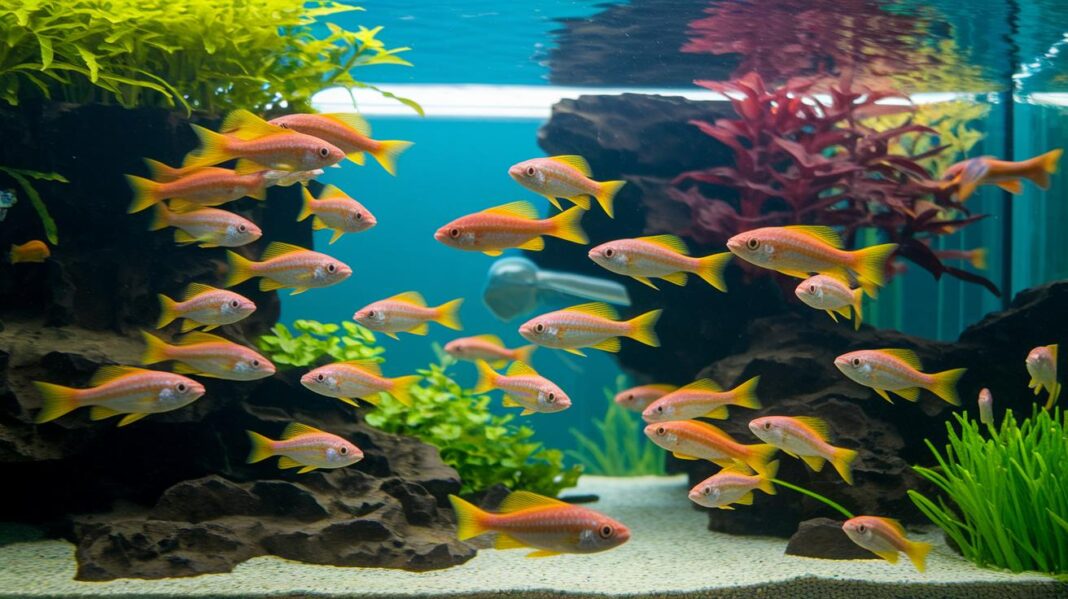

Ever wonder if your fish is getting just the right amount of fat to swim its best life? Think of fat like the fuel in your favorite little boat, just enough makes the journey smooth, but too little might make your fish feel slow, and too much can weigh it down.
In this guide, we share simple tips to help you balance that crucial nutrient. With just the right amount, your fish will enjoy strong muscles, sparkling scales, and a whole lot of energy. We break down the details into easy steps, so every finned friend can swim happily and healthily in its aquarium.
Determining Optimal Fat Percentages in Aquarium Fish Diets
Fat in your fish’s diet works like a gentle current, giving them the energy they need to grow and flourish. It’s a bit like seasoning your favorite meal, just a little dash can boost the flavor and overall performance of your fish feed. Finding the right amount of fat is essential for keeping your fish healthy and active.
When you tweak your feed formulas, think of it like mixing ingredients for a delicious recipe. A perfect balance of protein and fat ensures that your fish get all they need to build strong tissues and show off their brilliant scales. Just as a car runs best with the right blend of fuel, your fish thrive when their diet includes the perfect protein-fat mix. It’s all about creating that sweet spot for energy and natural growth.
Below is an HTML table outlining fat recommendations by species type:
| Species Type | Recommended Fat % | Rationale |
|---|---|---|
| Herbivores | 3-5% | Lower fat needed because their diet is plant-based; supports steady energy without extra fat. |
| Omnivores | 5-7% | A mix of plants and animal matter calls for a balanced fat level so they can stay vibrant and healthy. |
| Carnivores | 7-9% | More fat is important here as it fuels muscle growth and helps with the intense protein work. |
| Marine Species | 8-10% | A higher fat content helps these fish deal with changing water conditions and boosts their metabolism. |
These fat percentages are set to meet each fish’s energy needs, support steady tissue growth, and keep their overall health in top shape. With the right blend, every fish can swim confidently in a beautifully balanced aquarium.
Role of Dietary Fats in Aquarium Fish Health and Metabolism
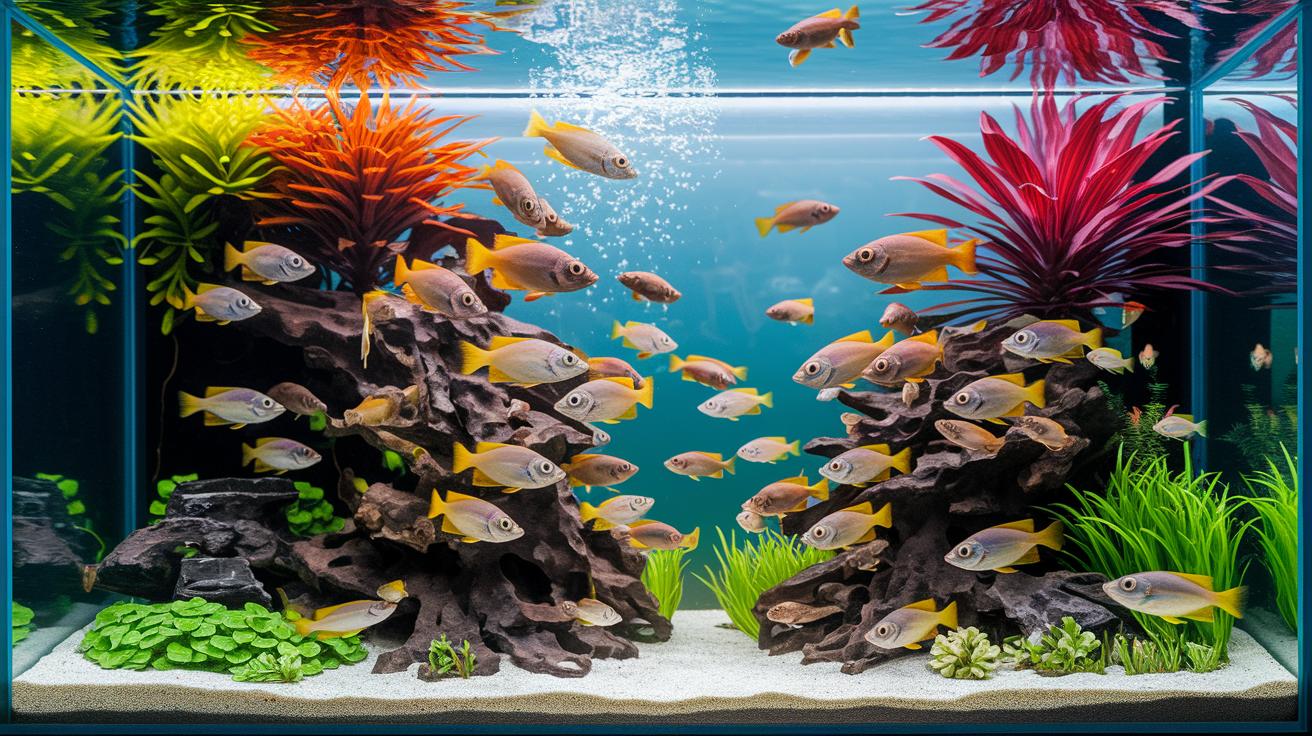
Fats act like the fuel that powers our fish through every splash of the day. They help build strong cell walls and provide essential ingredients for keeping fish healthy and ready to reproduce. Lipids, whether coming from phytoplankton or other sources, work like tiny repair crews that fix and support cells while helping to turn food into energy. Think of a balanced diet with the right amount of fat just like oil in a machine, it keeps everything running smoothly.
Recent aquarium tests have shown that when fish get just the right amount of fat, they really shine. Healthy fat metabolism makes fish better at handling stress and even helps them grow stronger over time. Fish with the ideal fat balance display more energy, brighter colors, and a better ability to make the most of their food. All in all, this balanced diet not only boosts their vitality but also lets them manage small changes in their environment with ease.
Selecting Quality Lipid Sources for Aquarium Fish Nutrition
When it comes to keeping our fish vibrant and healthy, picking the right oil is a big deal. Fish oil is a popular choice because it's easy for fish to digest and is packed with the fatty acids that help build their tissues and brighten their colors. However, its supply can sometimes be strained by overfishing and seasonal changes.
Krill oil is another strong contender. It offers a concentrated dose of omega-3s in a tiny package, though it tends to cost a bit more. And since it comes from krill, it’s important that its harvest is done in a sustainable way to keep our marine ecosystems thriving. Imagine choosing an ingredient that not only nourishes but also adds a refreshing boost to your fish feed.
There are also some great alternatives like microalgae oils and plant-based oils. Microalgae oil is renewable and rich in omega lipids, plus it stays stable for a longer time without spoiling. On the other hand, oils like canola and soybean are more budget-friendly and easy to find, although they might not deliver the same strong nutritional punch as marine-based oils.
Each option brings its own benefits and challenges, allowing you to fine-tune your fish feed for both wellness and longevity.
Balancing Fats with Proteins and Plant Foods in Aquarium Diet Composition
Maintaining Protein-Fat Ratios
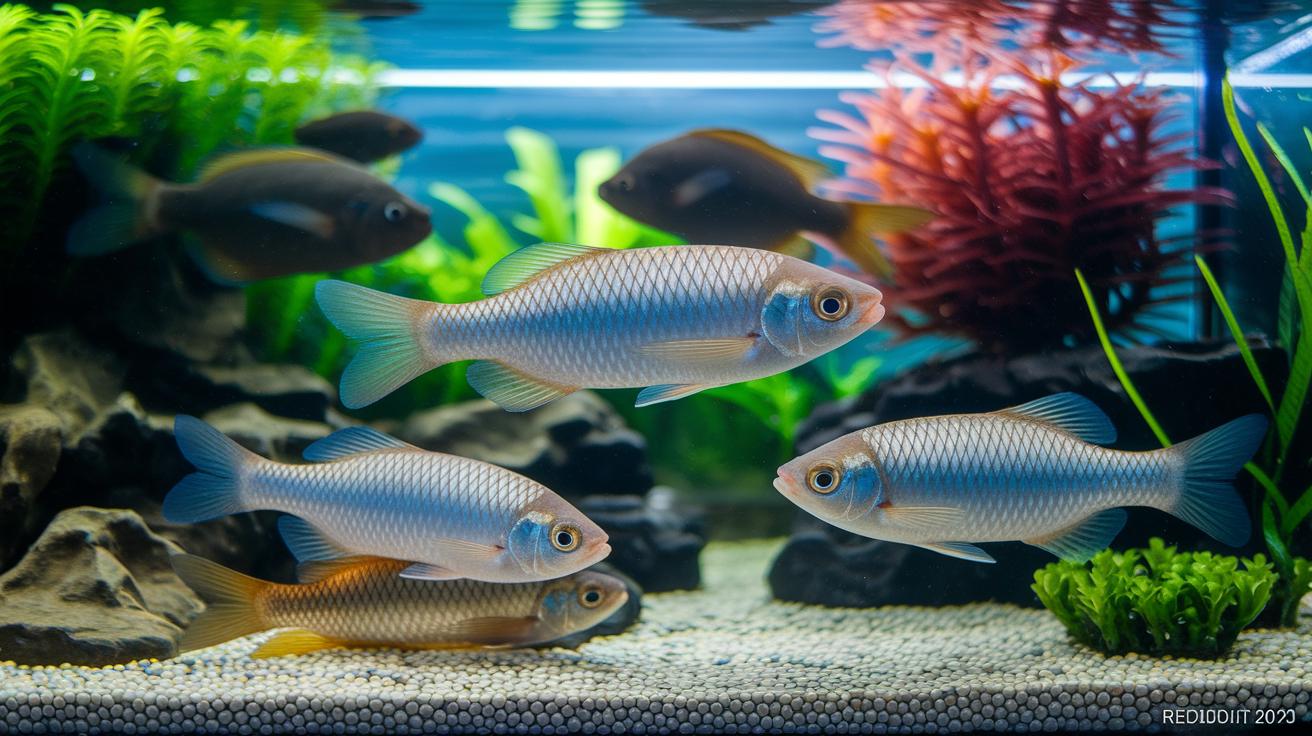
Freshwater and marine fish do best when their meals have the right mix of proteins and fats. For many freshwater fish, a diet with about 40-50% protein and 10-15% fat helps build lean muscles and brings out bright, lively scales. Marine fish, on the other hand, prefer a little less protein, around 35-45%, with 8-12% fat, which supports their tissue growth and gives them steady energy. Think of it as finding just the right balance in your favorite recipe so that every bite keeps your fish active and their colors shining.
Integrating Vegetable-Based Foods
Mixing in a bit of spirulina, algae wafers, or even lightly blanched veggies can be a game changer. These greens add natural fibers and antioxidants to your fish’s diet, helping to smooth out how their bodies handle fats and keeping the tank water clear. Rotating these with their usual food and protein-packed treats keeps mealtimes interesting and helps promote vibrant colors and overall health. It’s like giving your fish a little variety, which can make them even more energetic and resilient.
Monitoring and Adjusting Fat Levels in Aquarium Feeding Practices
Keep a close eye on your fish during feeding time so you can make sure their fat levels stay just right. Using a simple feed log lets you jot down how much each fish eats, while a quick look at their bodies shows if some look too thin or overly puffy. Regular water checks are like a quiet helper, revealing if extra fat is causing an oily film in your tank. For example, if a fish seems to avoid a certain type of feed, it might be its way of saying the diet isn’t balanced. Update your notes often and compare them over time to catch any small changes in behavior or water clarity.
When making adjustments, go slow. Small, gradual tweaks let you see how tiny shifts in fat levels help boost overall health and brighten those lovely scales. Checking every few days can confirm that your changes are helping your fish convert their feed better and swim actively. Once, an aquarist found that a small shift in feed mix gave their fish a burst of energy and brighter colors in just a week. These careful observations ensure that every fish in your aquarium stays happy and in tune with their diet.
Final Words
In the action, we explored how fats support fish metabolism, from fueling growth to strengthening their immune systems. We compared lipid sources, balanced fats with proteins and plant foods, and shared practical steps for adjusting feed regimens. These insights help create a comfortable and clean underwater habitat. By embracing these guidelines, you're well on your way to a healthier fish tank. Keep using optimal fat levels in aquarium fish diets to boost vitality and enjoy every ripple of aquatic life.
FAQ
What is aquarium fish food and food for fish at home?
The aquarium fish food is specially made feed with balanced proteins, fats, and vitamins to keep fish healthy when kept at home.
How much fish food should I give my aquarium fish, and how many flakes per fish?
The amount of food depends on fish type and size. Generally, giving a small pinch or a few flakes per fish is enough. Adjust based on your fish’s response.
How does a fish food calculator help?
A fish food calculator estimates proper portions by considering tank size, fish species, and number, making feeding more precise and reducing waste.
How many times should I feed my aquarium fish?
The feeding frequency for most aquarium fish is two to three times daily, which supports steady energy and healthy digestion.
Do fish get fat if I overfeed them?
Overfeeding fish can cause them to accumulate extra fat and develop health issues like sluggishness, which also harms water quality.
Is too much protein bad for fish?
Excess protein can stress fish by straining their metabolism and affecting water quality. A balanced diet with both proteins and fats supports better overall growth.