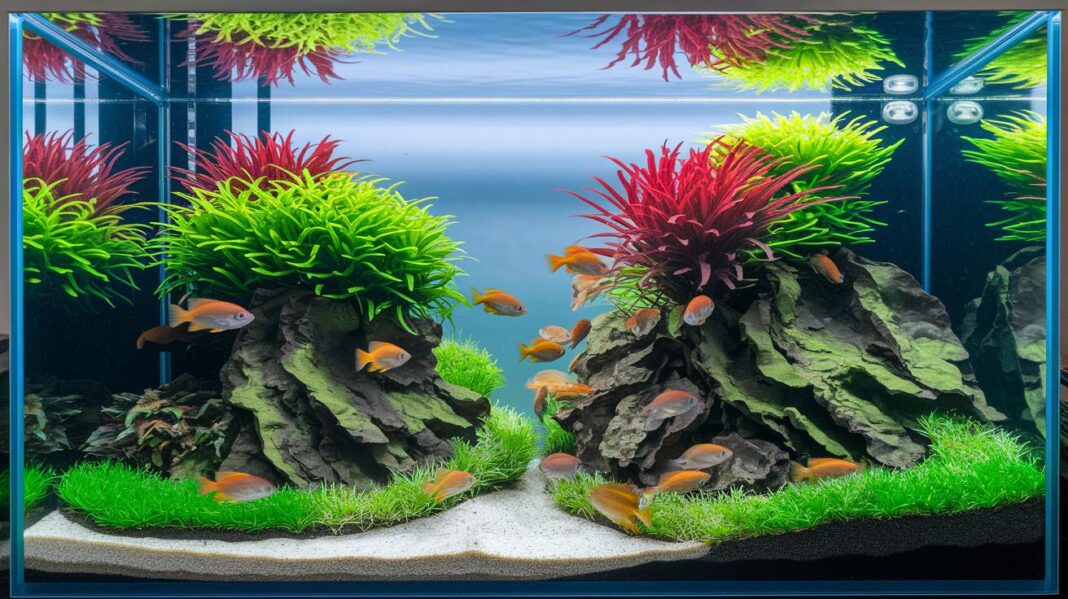

Have you ever dreamed of turning your room into a little underwater paradise? Picture a planted tank that bursts into life with rich greens and shimmering water, almost like a hidden lagoon waiting to be discovered.
Imagine picking out the ideal tank that fits your style, then carefully layering nature’s details like you’re creating your own underwater masterpiece. Whether you prefer the light touch of acrylic or the clear beauty of glass, every piece works together to make a quiet, natural display. Ready to dive in and create your own aquatic refuge? This guide will show you how a few simple choices can transform your space into a calming retreat, as soothing as soft ripples on a still pond.
Planted Tank Setup Exudes Aquatic Delight
Start by thinking about what you want your underwater garden to look like. It’s like dreaming of a tiny, vibrant lagoon in your own space. Answering these simple questions helps you pick the planted tank that best suits your style. For example, decide between glass or acrylic tanks. Acrylic tanks are lighter and can have cool curved panels, but glass tanks tend to show off the clarity of your aquatic scene better. If you're just beginning, a small 5-gallon tank works, but a 20-gallon tank stays more stable and is easier to care for.
Next, gather the tools and gear you need. Think of it like setting up your own little underwater art project. Grab the essential bits for your hardscape like substrate (the nutrient-packed or plain gravel that plants root in), driftwood, rocks, and any other fun decor. The substrate is the heart of your setup, giving your plants a strong start and a healthy home.
Then, start building your hardscape. Place the larger pieces first, it’s like forming the big, natural rocks in a stream. After that, plant your live greenery using a simple step-by-step plan. Begin with taller background species, then add midground plants, and finish by planting the low, carpeting varieties in front. This layered approach creates a pleasing sense of depth, much like the way light and shadows play over a natural pond.
Now comes the waiting game. Let your tank cycle so the friendly nitrifying bacteria can settle in and clean the water naturally. This step is important before you invite your fish or little critters, like shrimp and snails, into their new home.
Finally, make a regular check-up plan. Do daily equipment reviews, change the water often, and give the tank a light cleaning now and then. By following these steps, your planted tank will remain a lively, healthy oasis where every ripple feels like a gentle reminder of underwater serenity.
Substrate Selection and Preparation in Planted Tank Setup
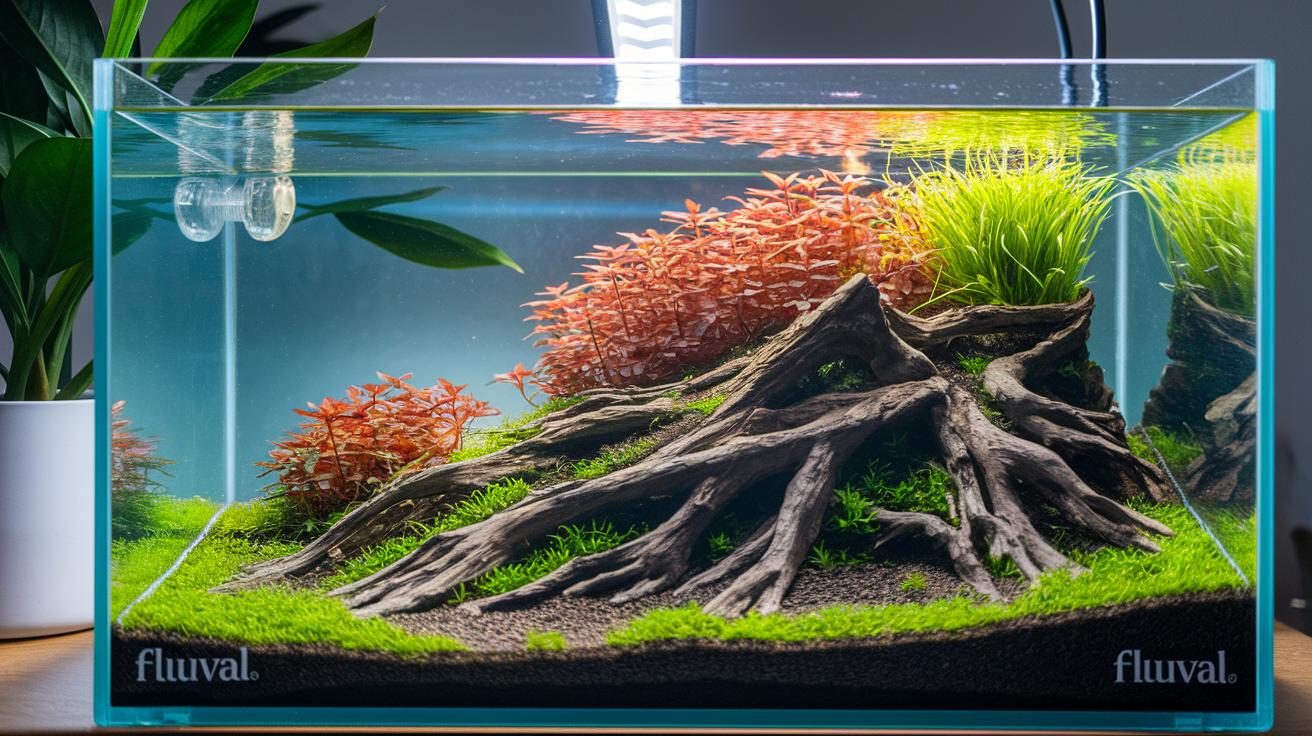
Picking the right substrate for your planted tank is a lot like choosing the perfect soil for your garden, only this one lies beneath the water. Organic substrates, like nutrient-rich soils, work like a full meal for your plants, feeding their roots with natural goodness. On the other hand, if you choose inert gravel, it won’t give your plants any food, so you’ll need to add fertilizers, much like extra seasoning in a simple dish.
A favorite option among fish lovers is Fluval Stratum. It’s a must to rinse it for about an hour before adding it to your tank. This gentle wash helps clear up the water, just like a refreshing shower for your underwater garden. I once spent nearly an hour rinsing my Fluval Stratum to keep my water as clear as a mountain stream.
You can also try clay-based aquasoils or laterite layers. Mixing these with capped gravel creates a steady foundation that slowly releases nutrients over time, think of it as combining a solid base with a long-lasting meal for your plant friends.
| Tip | Description |
|---|---|
| Substrate Choice | Decide between nutrient-rich organic media and inert gravel that needs extra fertilizers. |
| Rinse Thoroughly | Spend up to an hour rinsing options like Fluval Stratum to keep your tank water clear. |
| Mix for Balance | Consider blending clay-based aquasoils or laterite layers with capped gravel for steady, nutrient-rich growth. |
Taking the time to choose and prepare your substrate carefully sets a strong foundation for a thriving aquatic garden. Soon enough, your planted tank will flourish like a vibrant underwater oasis.
Lighting and CO₂ Integration for Planted Tank Setup
When it comes to lighting, picking the right type can gently encourage your plants to thrive. Standard aquarium hoods give you basic brightness, but switching to full-spectrum LED fixtures is like trading a dim lamp for a bright, energy-saving lantern on a warm summer night. Everything appears crisper and more vibrant.
LED lights really stand out because they not only use less energy but also let you adjust the colors so your plants can photosynthesize at their best. When you’re browsing different options, look for fixtures that strike a perfect balance between brightness and the right light spectrum.
Next up is CO₂ infusion, which is a big step for a healthy planted tank. Whether you use a pressurized kit that sends out steady bubbles that your plant roots love or a simple DIY yeast-based method, consistency is key. A good tip is to aim for a steady bubble count that boosts plant growth without lowering the pH too much. Just a few well-placed bubbles can make a big difference.
You might also consider adding an air pump to your setup. This helps increase oxygen levels while keeping all that CO₂ magic intact, ensuring both your plants and fish enjoy a balanced, bubbly environment.
Choosing and Arranging Live Plants in a Planted Tank Setup

If you're just starting out, try hardy plants like Java Moss, Anubias, and Java Fern. They work well in low light and help keep your tank clean by soaking up extra nutrients and cutting down on algae.
Begin by placing the taller plants, like Anubias or Java Fern, at the back of your tank so they form a natural backdrop. Then add mid-height plants in the middle to fill in the space. Finally, lay down carpeting plants such as Java Moss at the front to tie everything together.
This order not only makes your tank look beautiful but also helps improve the water quality. For instance, Java Fern’s big leaves soak up extra nutrients, while Java Moss spreads out nicely on the bottom to keep algae in check.
A handy tip is to pick up a mix of these plants right from the start. Check out the aquarium plant supplies at https://sweetfysh.com?p=211 for quality picks as you build your little underwater world.
I remember seeing a tank come alive when someone arranged their plants with background, midground, and a soft carpet of Java Moss. Give these ideas a try, and soon your tank could become a vibrant, living display.
Water Parameters, Cycling, and Beneficial Fauna in Planted Tank Setup
The first step is checking your water conditions. Aim for a pH between 6.5 and 7.5, and keep both general and carbonate hardness in balance. Also, try to keep the water at a cozy 78°F. I once tested my water and felt relieved when it hit that perfect range.
Next up is cycling your tank. You can either go fishless or try the slow-seed method. With a fishless cycle, you add a bit of ammonia to slowly build up friendly bacteria. The slow-seed method uses a little culture from an existing tank instead. Either way, give it some time as those helpful bacteria work to make the water safe.
Be careful when using tap water, too. Chemicals like chlorine, ammonia, or too much iron or magnesium can stress out your fish and plants. Even rare bits like asbestos can be harmful. It’s a good idea to use a dechlorinator or choose a safe water source before filling up your tank.
Finally, think about inviting some shrimp or snails. These little critters help clean the tank by controlling algae and recycling nutrients. By doing daily water tests and making small adjustments, you'll create a balanced, lively underwater world that feels as peaceful as a gentle ripple on a sunny afternoon.
Maintenance and Troubleshooting for Planted Tank Setup
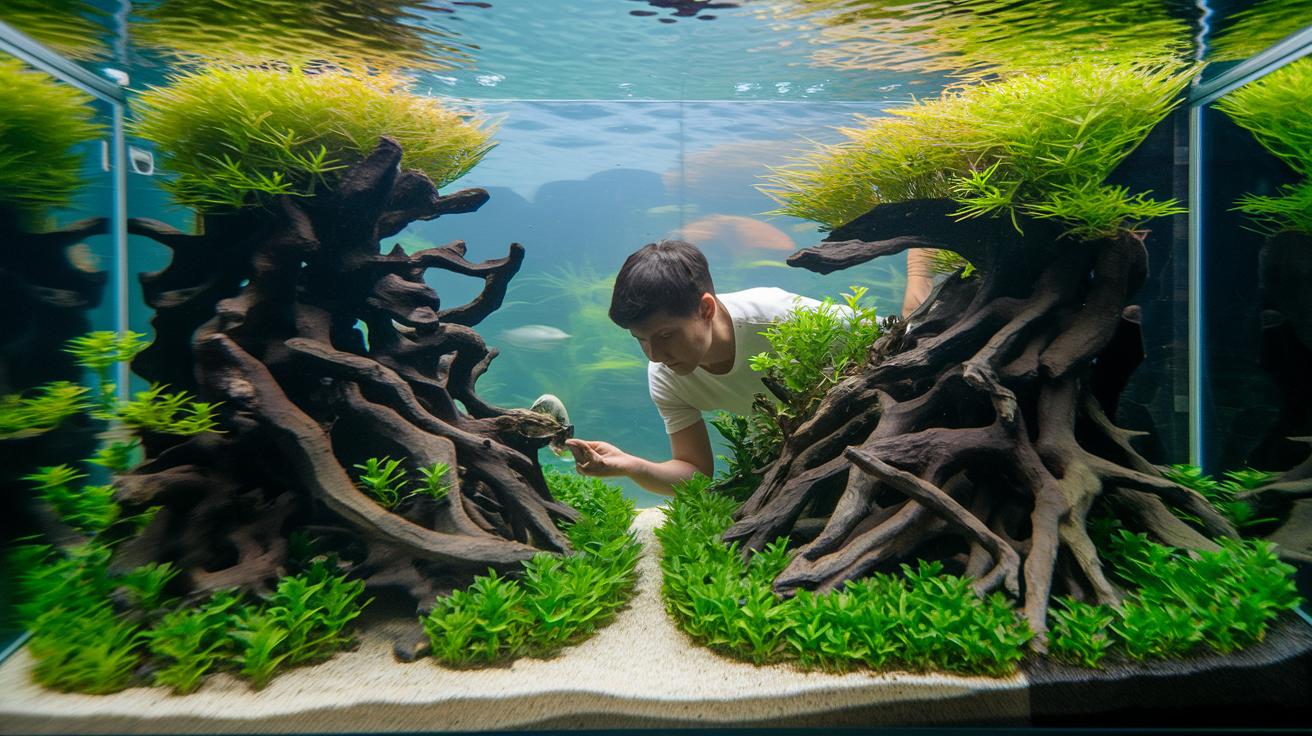
Every day, take a quick dive into your aquarium to look for any droopy leaves, faulty gear, or surprising algae patches. It’s like checking in on your little underwater world to keep it fresh and full of life. I remember a day when I spotted a tiny algae spot and trimmed the damaged leaves right away, saving the rest of the setup from trouble.
Try to give the water a little refresh weekly with a 10% change. If your tank is still in its early days, a 25% change every couple of weeks can work wonders, almost like giving your garden a light rain. Keep an eye on the water quality to make sure everything stays clear and safe for your plants.
Once a month, treat your filters and decorations to a good clean, so waste and algae don’t build up. Trim your plants gently, like you’re pruning a garden, to help them grow strong without getting too crowded. You might also want to adjust how you feed them, typically, a root tab every 4 to 6 weeks and a splash of liquid fertilizer each week keeps them happy.
For keeping algae away, stick to a low phosphate plan, avoid sudden bright light changes, and consider inviting algae-eating friends into the tank if needed. These simple, regular maintenance steps will help your planted aquarium stay clear, lively, and full of that serene aquatic charm.
Final Words
In the action, we broke down each phase, from selecting gear and prepping substrate to arranging live plants and fine-tuning water quality. We explored lighting choices, CO₂ setups, and maintenance routines, all designed to keep your planted tank setup thriving. The guide offered clear, simple steps to help you build a beautiful and healthy underwater retreat. Enjoy the process, keep experimenting, and watch your aquatic world flourish with every caring touch.
FAQ
What are some ideas for a DIY planted tank setup and kit for beginners?
The DIY approach for a planted tank setup combines choosing the right gear, preparing a nutrient-rich substrate, arranging live plants in layers, and planning simple care routines to create a balanced aquatic garden for beginners.
How do you set up a planted aquarium without CO₂?
The method for setting up a planted aquarium without CO₂ involves using hardy, low-light plants, supplementing with liquid fertilizers, and adjusting lighting, which supports plant growth naturally while creating a lively tank.
What are the best considerations for choosing a planted tank substrate and arranging substrate layers?
The choice for a planted tank substrate means selecting a nutrient-rich base or layered media like laterite or clay-based substrates to provide steady nourishment and support healthy root growth in your aquatic garden.
What is needed for a planted tank?
The essentials for a planted tank include a properly sized tank, effective filtration, quality substrate, adequate lighting, and a selection of live plants arranged to form a harmonious underwater environment.
What is the golden rule of aquascaping?
The golden rule of aquascaping emphasizes creating natural balance by carefully arranging plants for depth and contrast while keeping maintenance simple, resulting in an appealing and thriving aquatic display.
How long does it take for a planted tank to establish?
The planted tank setup usually takes several weeks to establish as the substrate settles, plants root, and beneficial bacteria grow, all of which help create a stable and healthy water garden.