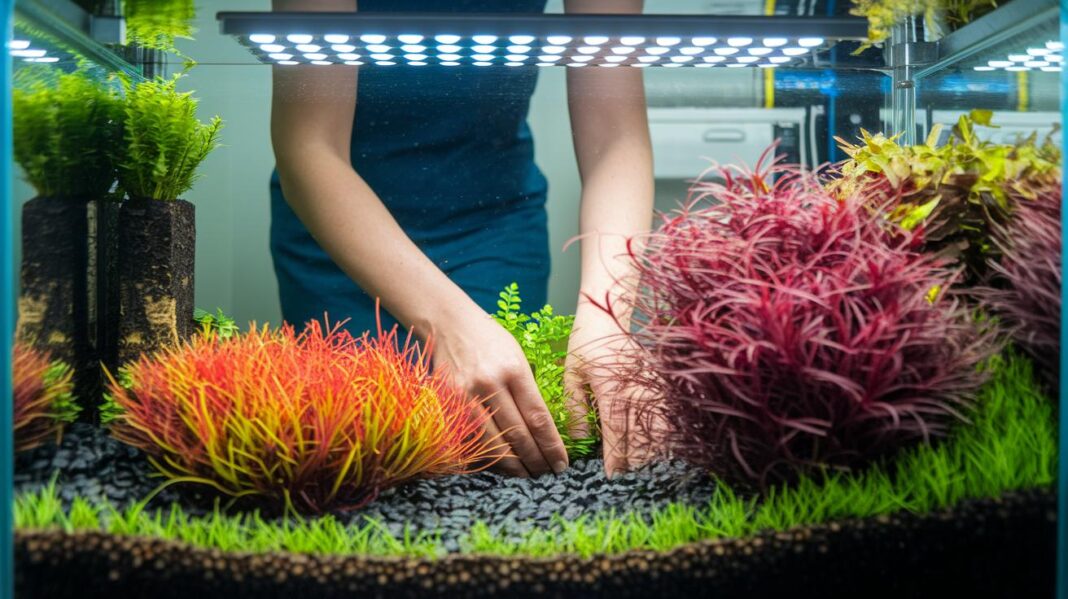

Planting your aquarium plants is like creating your own little underwater garden. This guide walks you through each step, helping your plants find a cozy home so they can settle in and bloom. Think of it as giving each plant a fresh chance, a snug spot to root down and a gentle push to grow just right. Stick with us, and you'll discover an easy way to design a lively, balanced water world in your tank.
Step-by-Step Guide to Aquarium Planting
Aquarium plants come in all shapes and sizes, and each one needs its own gentle care to flourish. Whether you’ve got bunch plants, those potted in rockwool, bare-root beauties, tissue-cultured types, bulbs, or even floating varieties, adjusting your approach for each will help your underwater garden thrive.
First, give your plants a good rinse and unpack them. It’s like washing your veggies before you cook, they deserve a fresh start!
Next, gently remove any containers or rockwool. Think of it as peeling away an outer layer to let the plant breathe freely and get ready to settle in.
Then, trim away any damaged roots or leaves. Just as you would snip off a drooping petal from a flower, a little trim can boost healthy growth.
After that, dig small planting holes that fit each plant’s root ball perfectly. Imagine preparing a cozy spot in your garden where a seedling feels right at home.
Now, set your plants in place carefully. Make sure the roots are snug in the hole while keeping the crown, or the top of the plant, visible, like planting in a pot where the best part always shows.
To keep them stable, lightly press them into the substrate or add a few small weights. This is like anchoring a little flag in soft soil, ensuring everything stays in place.
For your floating plants, simply let them rest on the water’s surface, much like lily pads gently drifting on a quiet pond.
Finally, tuck in some root tabs around the plant’s base. This is like sprinkling a bit of fertilizer near your garden plants to give them an extra boost.
Once you’re done, take a step back and check that everything is spaced out nicely and feels secure. Enjoy the soft caress of water as it flows around your plants, creating a perfect, balanced environment for your aquatic display.
Choosing Substrate for Healthy Aquarium Planting
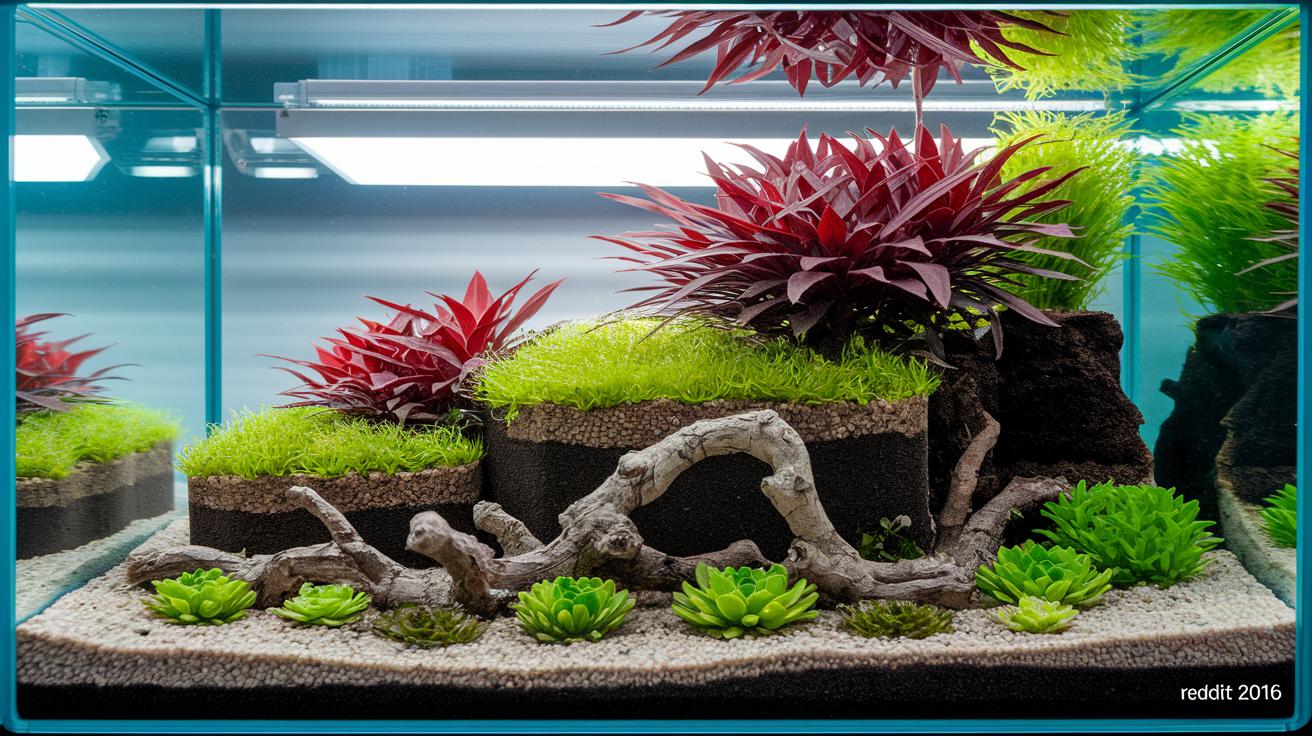
When setting up your aquarium, the right substrate is like the perfect pebble bed that helps your plants thrive while keeping the water flowing just right. Sand is great because it lets tiny roots settle in easily, but over time it can get packed down and stop oxygen from reaching deeper parts of your tank. Gravel, on the other hand, creates a soft current that helps water circulate, and it works best when paired with a nutrient-packed soil base. However, its larger particles might not support very fine roots as well as you’d like.
Pure soil gives your plants the food they need, but using only soil could turn your clear water a bit hazy. That’s why many fish lovers add a layer of gravel on top, it’s like putting a clear filter over a rich background. This mix gives your plants both nourishment and a stable, clear view of your aquatic scene.
Here are some easy tips to get it just right:
| Step | What to Do |
|---|---|
| 1 | Lay down a 1–2 inch thick layer of soil at the bottom. |
| 2 | Add about a ½ inch of gravel on top. |
| 3 | Rinse the gravel or sand well to wash away any dust. |
| 4 | Mix in a bit of laterite or clay cat litter for extra nutrients, think of it as a natural fertilizer. |
| 5 | Create a gentle slope from the front to the back for a nice, layered look. |
| 6 | Keep the overall depth of the substrate between 2–4 inches for strong, healthy roots. |
A little regular stirring and tender care goes a long way. Soon, your underwater garden will be as clear and lively as the gentle ripple of water on smooth stones.
Preparing Different Aquarium Plant Forms
Taking a little extra time to prep your aquarium plants makes a big difference in how well they grow. Just like setting up a garden, a bit of care helps each plant settle in and feel right at home.
Potted Plants: Removing Rockwool and Spreading Roots
Potted plants come in plastic pots filled with rockwool. Gently take out the rockwool so the roots can spread out freely. Think of it like unwrapping a gift, the plant gets ready to enjoy its new space.
Bunch Plants: Separating and Trimming Clusters
Bunch plants often arrive as foam-bound clusters. Break these clusters into smaller groups so each little plant has room to grow. A light trim on any extra roots is like pruning a small garden, giving each one the chance to shine.
Bare Root Plants: Trimming Roots and Adding a Little Weight
Bare root plants come without a container and with loose roots. Trim them lightly to keep about 2 inches of healthy root material. Removing old or damaged parts lets the plant adjust faster, and sometimes a small weight helps keep the plant steady in the substrate.
Tissue Cultured Plants: Rinsing and Spacing Them Out
Tissue cultured plants arrive clean and free from extra visitors like algae or snails. Rinse them well and plant each one individually. It’s like fitting pieces into a puzzle, where every piece finds its special place.
Bulb Plants: Rinsing, Placing, and Checking Orientation
For bulb plants such as Aponogeton, start with a thorough rinse and then carefully place them on the substrate. Check to make sure the bulb is in the right direction; if it starts to float, use a piece of hardscape to keep it down.
Floating Plants: Surface Placement and Flow Control
Floating plants need to sit on the water’s surface where they can catch plenty of light and enjoy gentle flows. Make sure their leaves lay neatly so that they don’t flip over in the current.
By slowly acclimating each type of plant before the final planting, you lay down a strong foundation for a vibrant underwater garden that will bring calm and beauty to your aquarium.
Planting Techniques by Species Type
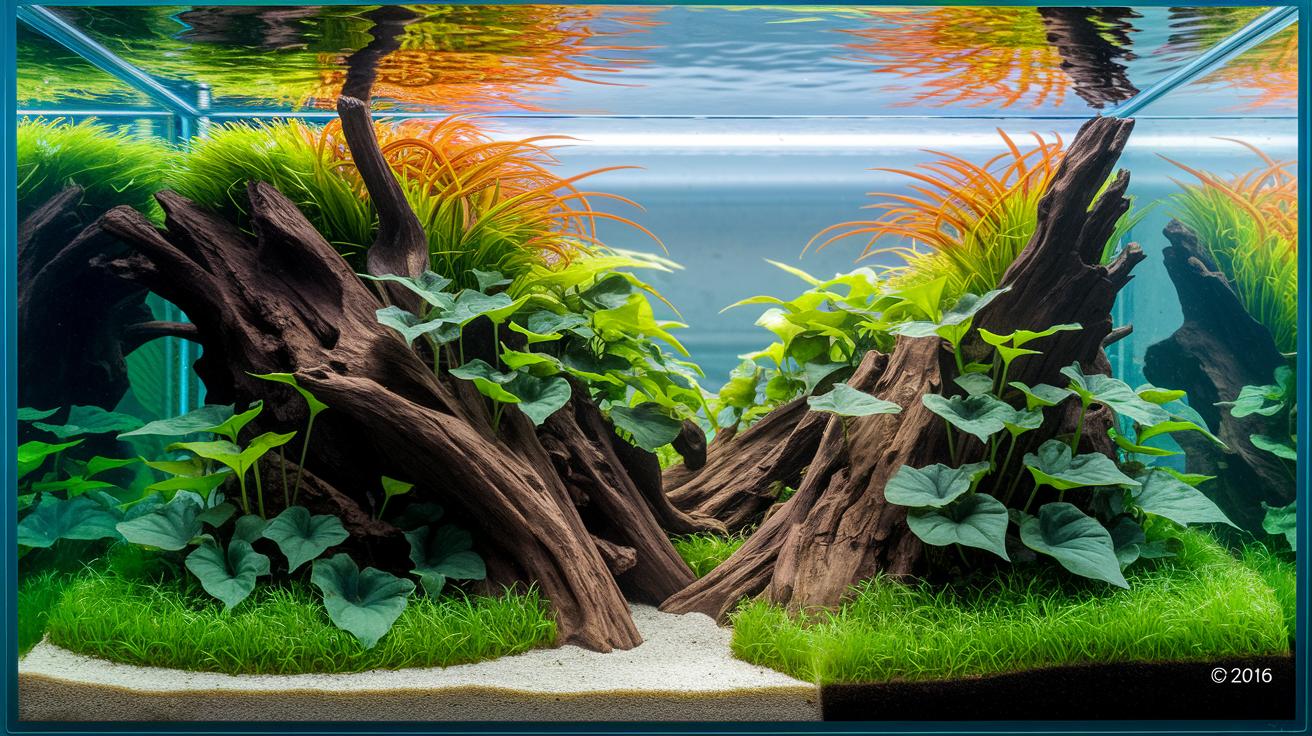
Getting the planting method just right for each plant is a big step toward a happy, healthy aquarium. Using the right technique helps every plant settle in comfortably and grow strong, much like finding the perfect little home in a watery world.
Rhizome Plants: Glue/Thread Attachment
For plants such as anubias and java fern, all you need is a bit of gentle glue or some thread to attach them to rocks or driftwood. This method works with how these plants naturally grow, letting their roots slowly stick to their spot while still looking lively, almost like a tiny piece of art nestled against nature’s décor.
Sword and Crypt Species: Hole Digging and Root-Tab Placement
Plants like the Amazon sword and cryptocoryne need a little extra care. Start by making a small hole in the substrate, bury just the roots while keeping the top above the sand, and then place a root tab nearby. This setup helps them get the nutrients they need without covering up the crown, kind of like giving them their own special feeding spot.
Grass-like and Stem Plants: Spacing and Burial Depth
Grass-like plants such as vallisneria and dwarf sagittaria do best when each plant has its own space to spread out. For stem plants like bacopa or pogostemon, plant them about 2 to 3 inches deep so the roots have room to grow, much like tucking in a cozy bed. This way, every plant gets plenty of space to expand and create a neat underwater garden.
Mosses and Carpets: Attachment and CO₂ Needs
Mosses like java moss or Christmas moss can be gently tied to rocks or driftwood, or even left to float around to shield little fry. On the other hand, true carpeting plants, such as monte carlo, love brighter light and a boost of CO₂ to grow dense and even, creating a picture-perfect green carpet.
Mixing different types, rhizome plants, sword and crypt species, grass-like and stem plants, mosses, and carpets, helps create layers of textures and colors. With a little thought about where each plant goes, you can turn your aquarium into an enchanting, living seascape that feels as natural as a calm pond on a sunny day.
Optimizing Light, CO₂, and Fertilizer for Aquatic Plants
Aquariums come in different styles, each offering its own blend of light, carbon dioxide, and nutrients to help your plants flourish. Think of your tank like a miniature underwater world where every element plays a part in creating a balanced, lively scene.
In a low-tech tank, things are kept simple. With modest light, around PAR 20–30, and no need for fancy pressurized CO₂, you can still give your plants plenty of love. Instead, you'll use root tabs every 4–6 weeks and add a splash of liquid carbon each week. It’s like keeping your aquarium care routine as easy and calming as a gentle current.
Step it up to a medium-tech setup and you’ll see a bit more action. Here, the light turns up to about 1 W/L while you experiment with DIY CO₂ making. Fertilizer is added every other week, which gives your tank that extra boost for growth. It’s a bit like moving from a quiet pond to a more vibrant reef where every ray of light matters.
For those who really love a high-tech aquarium, go all out with strong lighting, often PAR 50 or more, and pressurized CO₂ at roughly 20–30 mg/L. Daily doses of macronutrients and regular water changes keep everything sparkling and in balance. This level of care brings your underwater garden to life with the energy of a lively coral reef.
- Low-tech: Around 0.5 W/L light, with root tabs and liquid carbon.
- Medium-tech: About 1 W/L light, DIY CO₂, and regular fertilizer boosts.
- High-tech: 2+ W/L light, pressurized CO₂, and daily nutrient dosing.
Adjusting the light schedule is a simple yet crucial tip. Running your lights for about 8 to 10 hours gives your plants just enough energy for photosynthesis, without inviting too much algae. It’s a neat balance that lets your aquatic garden grow strong and peaceful, much like a calm stream on a sunny day.
Maintenance Routines and Troubleshooting Plant Health
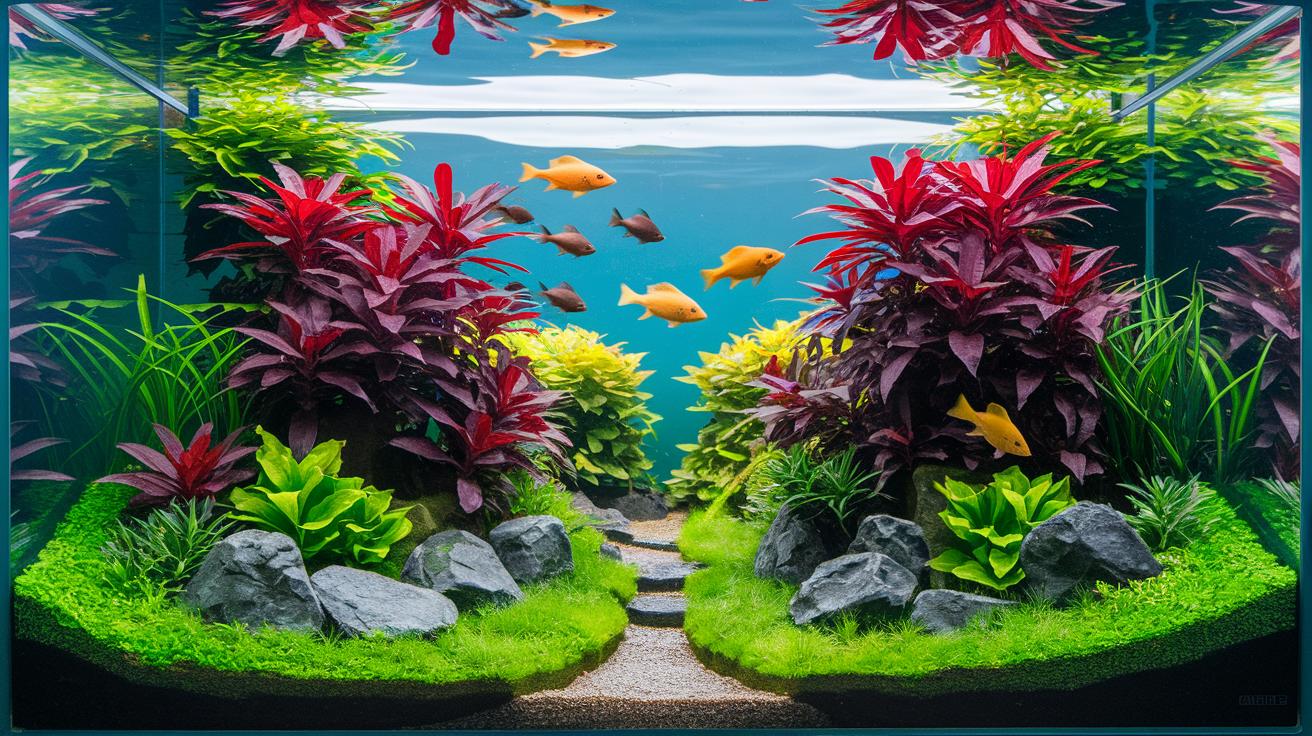
Routine care is the lifeblood of a beautiful aquarium garden. It’s a bit like a weekly checkup for your underwater world, changing about 20 to 30% of the water, giving the plants a gentle trim, and replacing their root food to keep them happy. These steps help the water stay clear and the roots well-nourished. Plus, trimming off yellow or wilted leaves and snipping back overgrown parts stops old, tired growth from crowding out the new.
But sometimes, things get a little off track. You might see leaves that droop or change color, a sign of green melt that often appears right after replanting but usually bounces back in a few weeks. If your tank’s lights are on for more than 8 or 9 hours, algae might start taking over, and missing nutrients, especially phosphate and iron, can throw your plants off balance. And on those days when unwanted snails hitch a ride on new plants, a quick salt dip or brief quarantine bath can help keep them at bay. Checking water quality for nitrates is also key to making sure your plants get the right mix of nutrients.
- Shorten light exposure to 8–9 hours.
- Use 1 tsp of root tabs per plant cluster.
- Do a quick salt dip before adding new plants.
- Test nitrates and keep them between 5 and 20 ppm.
Aquascaping Layout Tips for Planted Tanks
When you're setting up your underwater garden, think of it like creating a home where every plant has its place. Start by carving out distinct zones so that each plant contributes its charm, and your fish have plenty of room to play. Tall background plants, like Rotala or Ludwigia, rise high and add brilliant color at the back. In the midground, rosette plants such as Cryptocoryne or various sword plants draw your gaze toward the center. Up front, low carpeting species like Monte Carlo form tight little clusters that give the scene a warm, natural frame. This thoughtful layering helps light reach all corners of the tank while leaving smooth swimming paths for your fish.
Here are a few tips to get you started:
- Place tall, graceful stems at the back.
- Use rosette plants in the middle to build a gentle bridge of color.
- Cluster short, carpet-like plants at the front to frame your view.
- Attach epiphytes lightly to rock or wood with a natural angle.
- Keep clear lanes in the tank so fish can enjoy their swim.
Let your creative spirit guide you as you craft an enchanting underwater space that balances art and function. Soon, you'll have an aquascape that not only looks stunning but also feels like a peaceful retreat for both you and your fish.
Taking all these steps into account, your journey toward a stunning aquatic home is set to be smooth and enjoyable. With each detail covered, from choosing the right substrate to prepping different plant forms and mastering species-specific techniques, the guide has been a friendly roadmap for planting aquarium plants. Remember, a careful setup leads to a balanced and vivid underwater space that keeps both your fish and plants happy. Enjoy every moment of placing and watching your miniature underwater world grow, and feel free to visit Sweetfysh.com for more tips and supplies to keep your tank thriving.
FAQ
How to plant aquarium plants in gravel?
The method for planting aquarium plants in gravel involves rinsing your plants, digging small holes in the gravel, and gently placing the roots in each cavity. Use nutrient root tabs to help the plants settle and grow.
How do I plant aquarium plants for beginners?
The approach for beginners starts with rinsing and trimming your plants, then planting them in a prepared substrate. This simple process ensures a healthy start and a better environment for your fish.
How do I plant aquarium plants in pots?
The technique for planting in pots requires removing the rockwool from the potted plants, allowing the roots to spread freely, and positioning the plant carefully in the substrate without burying its crown.
How can I add plants to an aquarium with fish?
The process for adding plants to a tank with fish involves rinsing and acclimating the plants, trimming damaged roots, and gently placing them into the substrate, ensuring minimal disturbance to your fish.
How to plant aquarium plants in sand?
The planting method for sand involves making small cavities in the compact substrate, carefully positioning the plants so that roots can access oxygen, and avoiding deep burial that could stress the crown.
What are the disadvantages of live plants in an aquarium?
The disadvantages of live plants may include an increased risk of algae if nutrient levels are off and the need for careful maintenance such as proper lighting and regular substrate care to support healthy growth.
How do you grow aquarium plants without soil?
The process for growing aquarium plants without traditional soil uses alternative substrates like sand or gravel, combined with nutrient-rich additives such as root tabs, helping plants develop healthy root systems.
How to introduce new plants to an aquarium?
The method to introduce new plants starts with thoroughly rinsing and acclimating them, then gradually placing them in your tank with a supportive substrate and proper lighting to help smooth their transition.
What is the best way to plant plants in a fish tank?
The best method for planting in a fish tank is to prep your plants by rinsing and trimming them, then secure them in a chosen substrate with gentle placement and added nutrients like root tabs for steady growth.
Do aquarium plants need soil or sand?
The requirement for aquarium plants depends on the species; some thrive in nutrient-rich soil, while others do well in sand or gravel with added nutrients, giving flexibility in your tank setup.