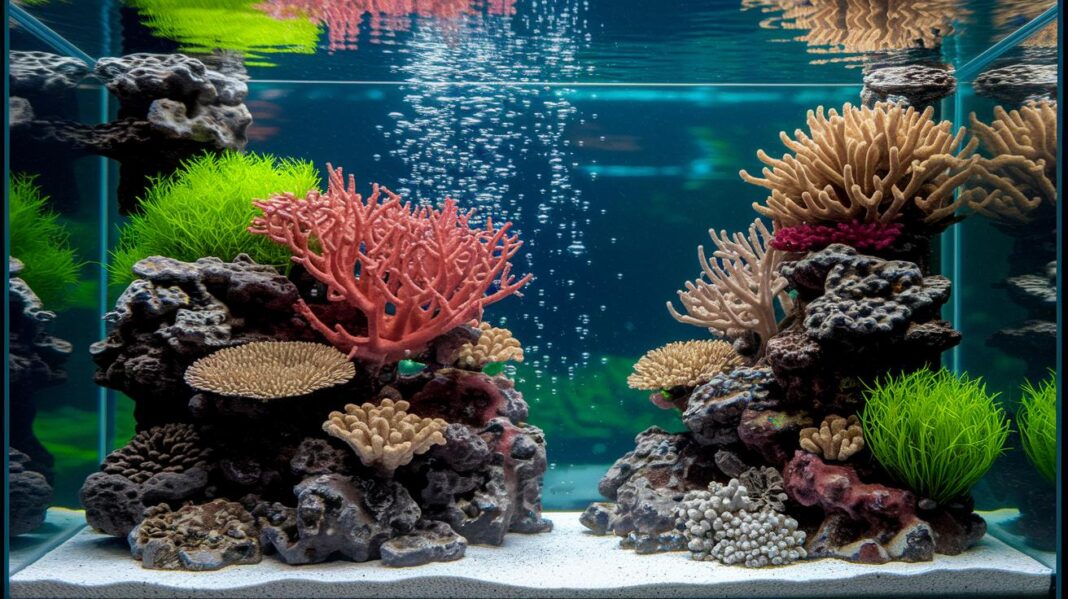

Ever wondered if live plants really belong in your saltwater tank? They might seem a bit out of place at first, but these natural wonders, like little underwater seaweeds, do far more than just add a splash of color. They help clean your water naturally and give your fish cozy spots to hide, just like a quiet cove along a gentle shoreline.
This mix of greenery not only brings brightness to your tank but also helps create a balanced, healthy marine home. Let’s dive in and see how these soft, flowing plants can turn your aquarium into a calm, living work of art.
plants for saltwater aquarium Radiate Marine Beauty
Live plants and macroalgae bring a gentle charm to your saltwater aquarium. They act like nature's own filter by taking care of extra nitrates and phosphates while releasing fresh oxygen into the water. It’s like watching a soft current wash delicate pebbles, creating safe hideaways for your fish and other marine pals.
Marine vegetation comes in many forms. You might find macroalgae, seagrass, or even mangroves. Sea grasses have about 70 different types all over the world, and mangroves come in close to 80. Macroalgae clean quickly and add bright, lively colors, while mangroves, with their sturdy roots, work hard to filter waste.
These live plants do more than just brighten your tank. They help keep algae under control and offer cozy nooks for your underwater residents. With a thoughtful mix of plants, you can transform your aquarium into an underwater garden, a living painting that brings balance and life to every ripple.
Whether you’re a seasoned hobbyist or just taking your first dive into saltwater setups, each species holds its own special charm. Their natural work in managing nutrients sets the stage for a stable, healthy tank, proving that the wonders of nature are always ready to support life beneath the surface.
Top Macroalgae and Marine Flora for Saltwater Aquariums
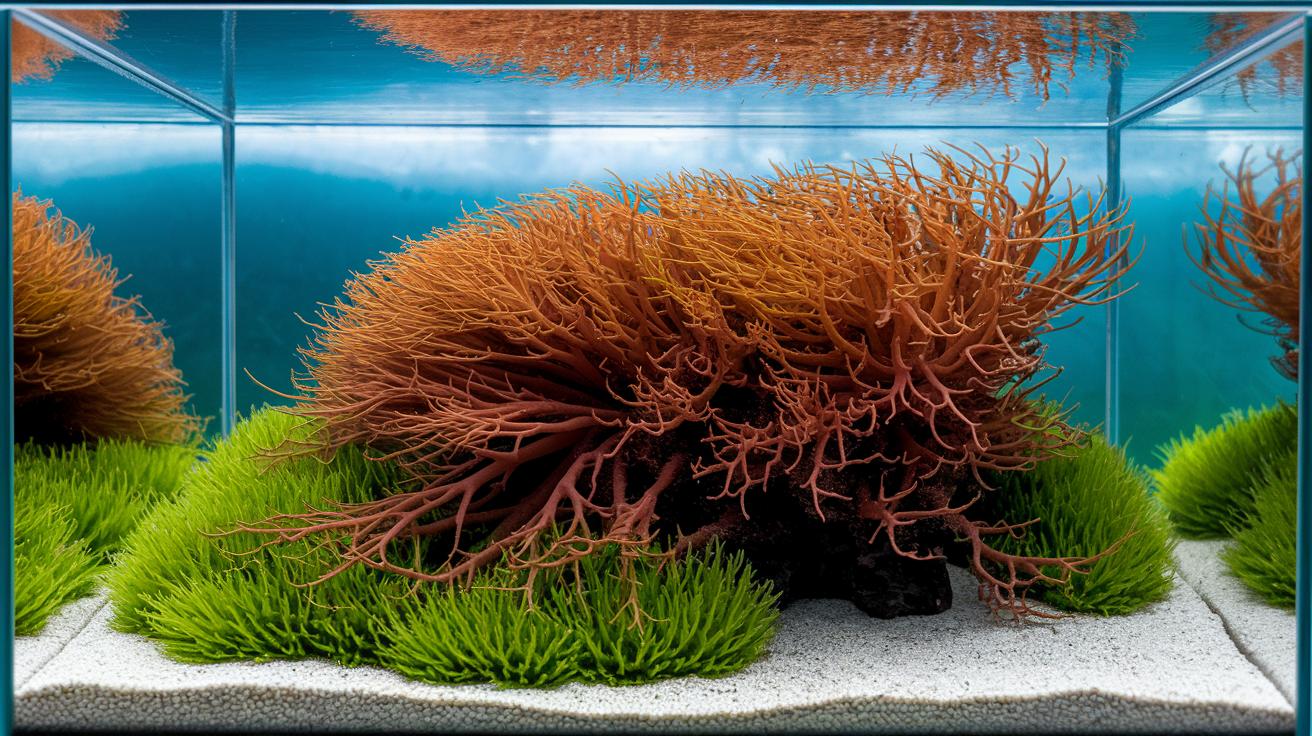
Dragon’s Tongue Algae is a real showstopper. Its spindly, bright tendrils bring a burst of color to your tank while working hard to keep your water clean. This plant is a champ at lowering ammonia, nitrates, and even heavy metals, making the water safer for your marine friends. It loves areas with a strong water flow, so it’s a smart pick if you want both beauty and trash-free water. Plus, since it grows slowly, every little frond lasts long, making it a neat introduction for anyone new to live saltwater plants.
Mermaid’s Fan is another friendly option that really attracts the eye. Its wide, fan-like leaf is tough against hungry fish nibbling around. It does best when there’s plenty of calcium around and when planted in soft, sandy ground. It grows by sending out runners to form new shoots, which makes it a top choice for beginners who want a touch of elegance without much fuss.
Sea Grapes form pretty little clusters that seem to float like tiny bubbles. They grow fast, especially when lively fish are nearby to stir up the water. These grapes work as natural filters by soaking up extra nitrates and phosphates. Just remember, they need constant light to keep from falling apart. In the same vein, Spaghetti Algae, often called Chaeto, is super easy to grow. It spreads quickly and helps improve water quality, making it ideal for those starting out.
Red Gracilaria paints the tank in deep red shades that are hard not to admire. Fish that like to browse on plants even use it as food. Red Mangrove, on the other hand, builds a strong root network in substrates like sand, gravel, or mud. It not only filters out waste but can also grow really tall, up to six or eight feet. Sometimes, it does need extra doses of iron and magnesium to thrive. All these options give you plenty of ways to create a balanced and eye-catching underwater habitat.
Essential Care Requirements for Saltwater Aquarium Plants
When you care for saltwater aquarium plants, it's all about finding the right mix of light, water flow, and nutrients to keep them happy. Most sea plants, especially the big algae we call macroalgae, need strong, steady light. Take Sea Grapes, for example, they need a constant glow, or they can start to break down. Try setting your lights on a regular cycle, just like a clear, sunny day, so your Sea Grapes stay bright and lively.
Water movement is just as key. Dragon’s Tongue plants love a strong current that helps wash away extra waste, kind of like a natural clean-up crew. This movement not only brings in fresh oxygen but also helps the plants soak up their food. Think of your tank’s flow as nature’s own cleaning system, like a gentle stream gliding over smooth stones.
Every saltwater plant has its own food needs. For example, Mermaid’s Fan does best with a steady dose of calcium, while Red Mangrove thrives when given a boost of iron and magnesium. Sometimes, a little extra with trace elements can work wonders, check out Managing Nutrient Cycles in Aquarium Ecosystems for ideas on how to fine-tune your routine.
Good saltwater plant care means keeping an eye on all these details. Adjust your light, water flow, and nutrients as your tank grows and changes. That way, your underwater garden stays in perfect harmony and bursts with natural life.
Selecting and Acclimating Live Plants for Your Saltwater Aquarium
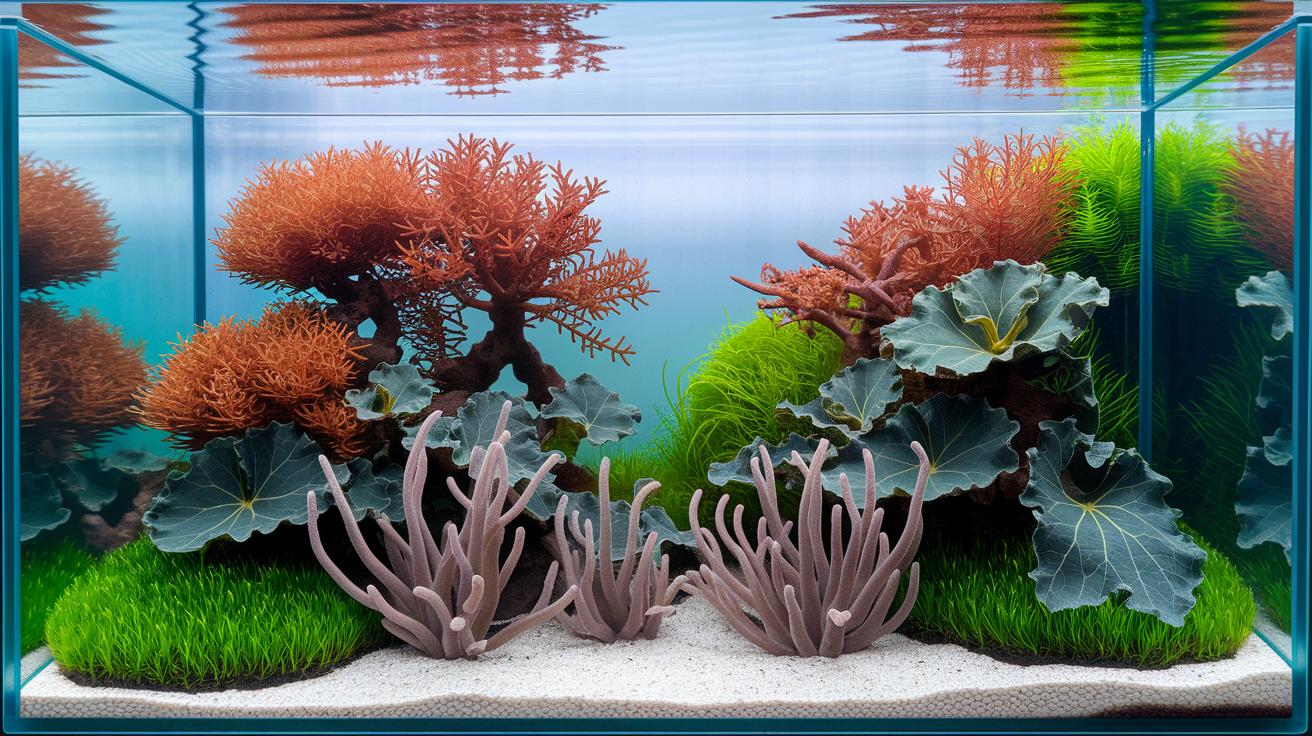
When picking plants for your saltwater tank, it’s all about matching each plant’s needs with the right tank conditions. For example, Sea Grapes flourish in tanks with steady light and gentle currents, much like a calm lagoon. Meanwhile, Mermaid’s Fan loves soft, sandy beds where it can soak in minerals like calcium. And then there’s Dragon’s Tongue, with its bright, tall fronds, that prefers areas with a strong flow much like the rush of a stream. Red Mangrove is a true all-rounder, it settles down nicely in sand, gravel, or even mud, and gives a solid start for growth.
Before you introduce any plant to your aquarium, give it a good look. Check that its colors are lively and its roots are firm and intact. That’s a clear sign the plant is ready to thrive. I always say, "A plant with bright hues and strong roots is like a promise of underwater beauty." Gradually let your new plants get used to the tank by slowly mixing in the tank water using a floating bag or a drip-acclimation method. This gentle process helps them adjust to the water’s temperature and salt level, a bit like easing into a cool ocean dip.
Taking your time with plant selection and acclimation is key to building a thriving underwater garden. Matching each plant with the right spot in your tank sets up a balanced and beautiful ecosystem. Remember, a careful start makes the journey smoother for your marine plants as they settle into their new home.
Maintenance Strategies and Troubleshooting for Marine Vegetation
Think of your aquarium as a lively underwater garden that needs a bit of love to thrive. Regular care is the key to keeping your plants healthy and your marine friends bright and beautiful. One simple way to do this is by setting up a regular pruning routine. For example, trimming Sea Grapes and Chaeto on a consistent schedule helps them grow strong and neat. You might even use a handy guide like the Maintenance Schedules for a Stable Aquarium Ecosystem to remind you when it’s time for a little TLC.
Dead or discolored plant bits can release extra nutrients into the water, which might throw off the balance of your tank. Taking a few minutes to clear out these bits keeps the water clear and prevents issues from building up. Meanwhile, slow-growing species such as Red Mangrove and Dragon’s Tongue sometimes need a little extra boost, think of it like giving them a sprinkle of iron and magnesium. A quick nutrient test every now and then can show you when these supplements are needed.
Some species, like Mermaid’s Fan, can spread their runners quickly if left unchecked. By trimming these runners regularly, you help prevent them from crowding out other plants and blocking much-needed light. It’s also wise to keep a close watch on plants like Sea Grapes that require steady light, so you can catch any early signs of trouble.
Here’s a simple checklist to keep your underwater garden in top shape:
- Prune Sea Grapes and Chaeto routinely
- Remove any decaying plant material
- Supplement with iron and magnesium for slow-growing species
- Trim Mermaid’s Fan runners regularly
- Monitor light-loving plants for any early signs of disintegration
With a steady routine and a careful eye, you can dodge common plant problems and enjoy a balanced, thriving saltwater aquarium.
Aquascaping Ideas and Substrate Considerations for Saltwater Aquarium Plants
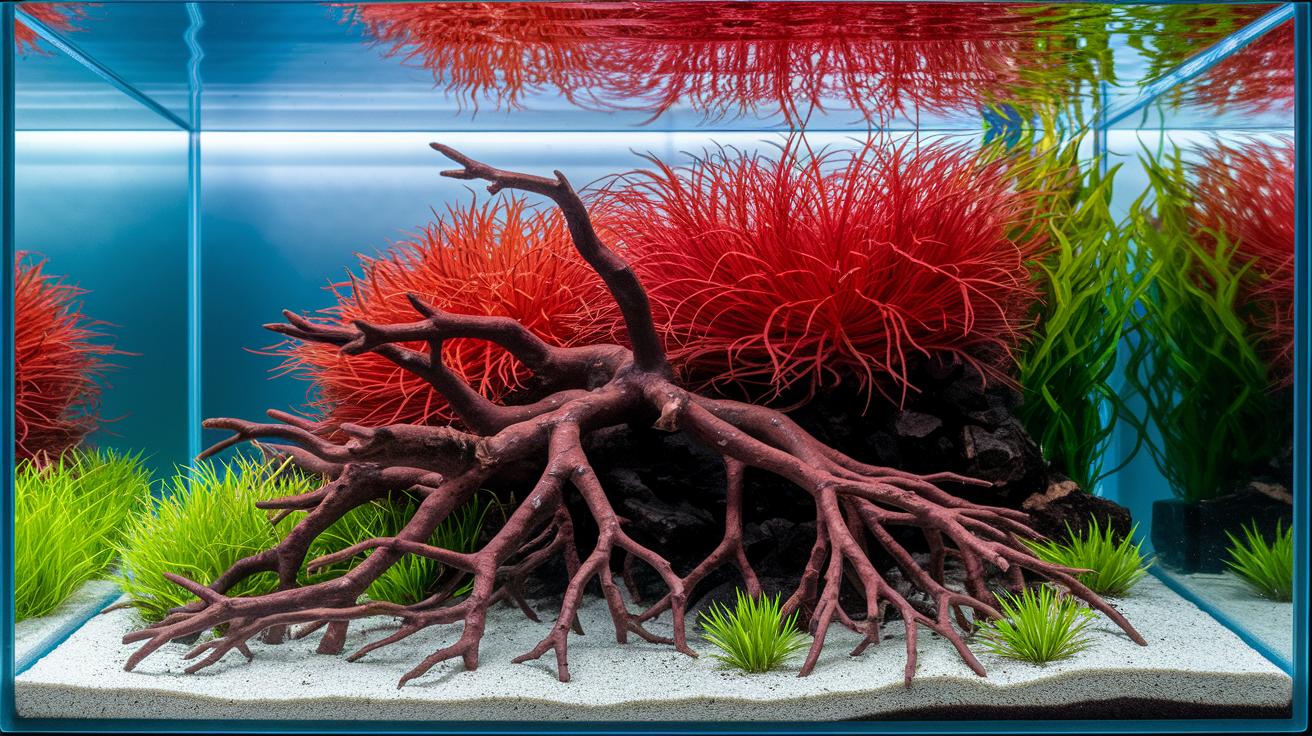
Imagine your saltwater tank as a living art piece, where every ripple and color tells its own story. Start by picking a substrate that not only feeds your marine plants but also shows off their natural charm. A blend of fine sand and gravel works wonders for plants like the Red Mangrove. Its soaring roots act like nature’s very own anchor, giving your tank a strong, natural vibe.
For anyone new to aquascaping, contrast is the name of the game. Picture pairing the delicate, flowing strands of Dragon’s Tongue with the bold, deep red tones of Red Gracilaria. You might set it up like this: place the lively Dragon’s Tongue up front while letting the rich red Gracilaria form a captivating backdrop. It’s like arranging a beautiful underwater dance where every plant has its part.
Next, add a splash of depth by placing Sea Grapes toward the back. Their soft, round clusters add a gentle texture that feels as calm as a quiet evening tide. Then, arrange Mermaid’s Fan over sandy patches to mimic the graceful flick of a mermaid’s tail. And of course, don’t skip the Halimeda, its disc-like pieces stand out like tiny underwater sculptures, giving your tank that artful touch.
Feel free to mix things up and try different placements until you create an underwater scene that feels both lively and welcoming. Isn’t it amazing how a few simple changes can transform your aquatic space into a captivating seascape?
Propagation Techniques for Live Saltwater Aquarium Plants
Growing your underwater garden can be as easy as sharing your favorite aquatic treasures. One handy trick is to use runners. For instance, Mermaid’s Fan sends out lateral runners that can be gently snipped and replanted in a little corner of your tank, giving them plenty of space to thrive.
When you’re working with aquarium mangroves, start with healthy shoots called propagules. Once you see tiny roots beginning to appear, plant them in your tank. This not only creates a fuller, more attractive look but also boosts your tank’s natural cleaning process.
Another great method is to break up species like Dragon’s Tongue and Gracilaria into smaller pieces. Cut these plants into 2–3-inch sections and secure them in an area with a steady flow of water. This helps make sure the new pieces get enough light and nutrients to grow strong and healthy.
- Trim lateral runners from Mermaid’s Fan
- Plant mangrove propagules once roots appear
- Cut Dragon’s Tongue and Gracilaria into small pieces
Using these easy, caring tips, you’ll soon be enjoying a lush, thriving marine landscape right in your own tank.
Integrating Saltwater Plants with Reef Tank Inhabitants
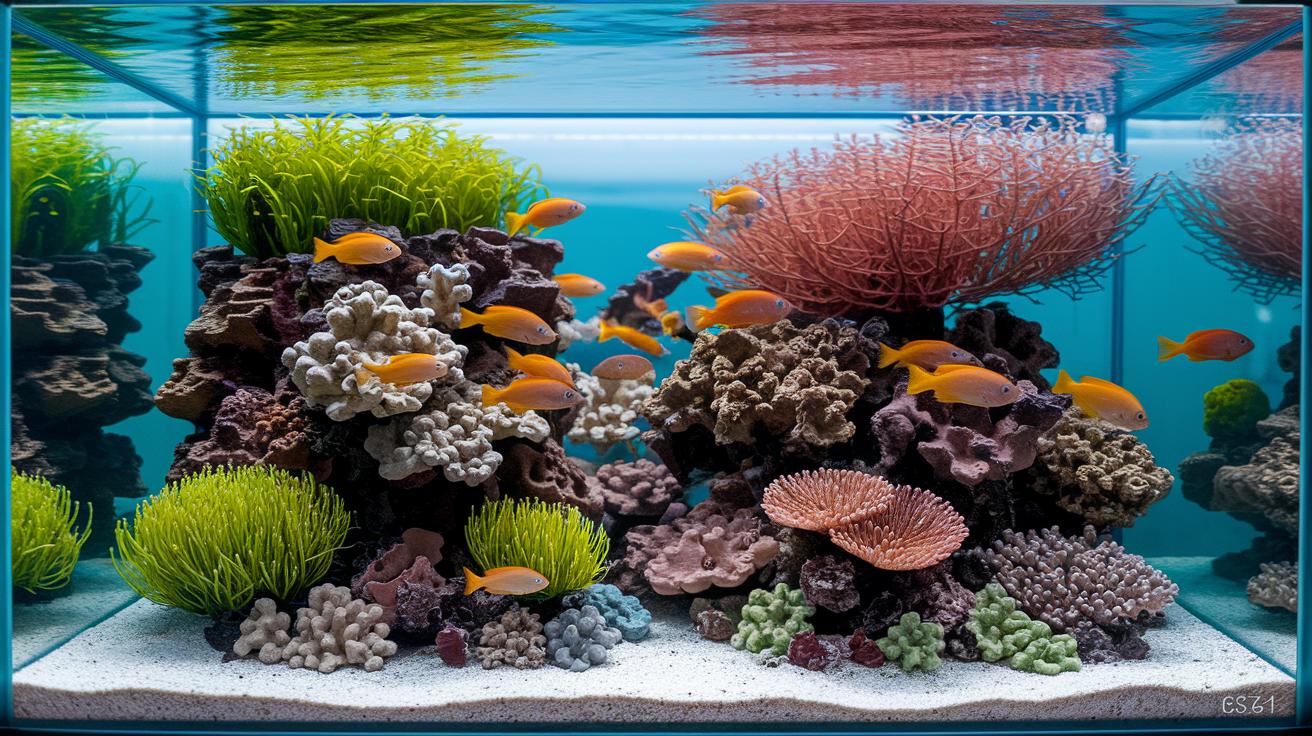
When you blend coral with plants, finding the right balance is key. It may feel like putting together a puzzle, but a little thought goes a long way. Think of it as creating a mini underwater garden where every part plays its role.
A neat trick is to place macroalgae in a refugium, a safe space that acts like a natural filter. This setup soaks up extra nutrients before they can stress out your delicate corals. For example, Sea Grapes and Chaeto flourish in sump setups where fish nibble around and keep their speedy growth in check.
In a mixed reef tank, plants add more than just decoration, they provide cozy hiding spots for fish and tiny invertebrates. Imagine a little fish zipping among soft fronds or finding shelter behind a clump of algae. These snug corners make the tank feel like a safe and lively home.
It also helps to choose plant species that grow at a pace that suits your reef tank. Fast-growing plants such as Sea Grapes belong in low-light refugia, while slower-growing species like Dragon’s Tongue work best in the main display area. This thoughtful pairing keeps your underwater world vibrant without one species overtaking the others.
Lastly, be careful with larger plants. Big fronds or tall mangroves might cast shadows on light-loving corals, so it’s best to tuck them away from delicate areas. The goal is to create a harmonious scene where every creature, from radiant corals and playful fish to the graceful macroalgae, brings its own sparkle to a bustling, balanced reef.
Final Words
In the action, we explored how live flora can boost your saltwater tank’s beauty and function. We tackled everything from selecting and acclimating live plants to fine-tuning care and maintenance. Each section showed how to create a natural, healthy space for your aquatic friends.
Small adjustments can make a big splash. Adding plants for saltwater aquarium care not only cleans water but also offers a comforting, lively setting that brings joy to your tank. Enjoy watching your underwater world thrive!
FAQ
What are the best saltwater plants for aquariums?
The best saltwater plants for aquariums combine beauty and function by filtering nitrates, offering natural shelter, and brightening your tank. Varieties like Sea Grapes, Chaeto, and Dragon’s Tongue thrive in marine setups.
What plants can tolerate salt in aquariums?
The plants that tolerate salt in aquariums are naturally adapted species. Macroalgae such as Chaeto, Dragon’s Tongue, and Sea Grapes flourish in saline conditions, making them perfect for reef tanks and decorative displays.
How do saltwater plants help manage nitrates?
Saltwater plants help manage nitrates by absorbing these chemicals during growth. Varieties like Chaeto naturally remove nitrates from the water, promoting a cleaner and healthier marine environment.
What saltwater plants suit beginners and benefit clownfish?
For beginners and clownfish, saltwater plants like Sea Grapes and Chaeto are great choices. They adjust easily, provide secure hiding spots, and foster a balanced ecosystem that supports lively tank inhabitants.