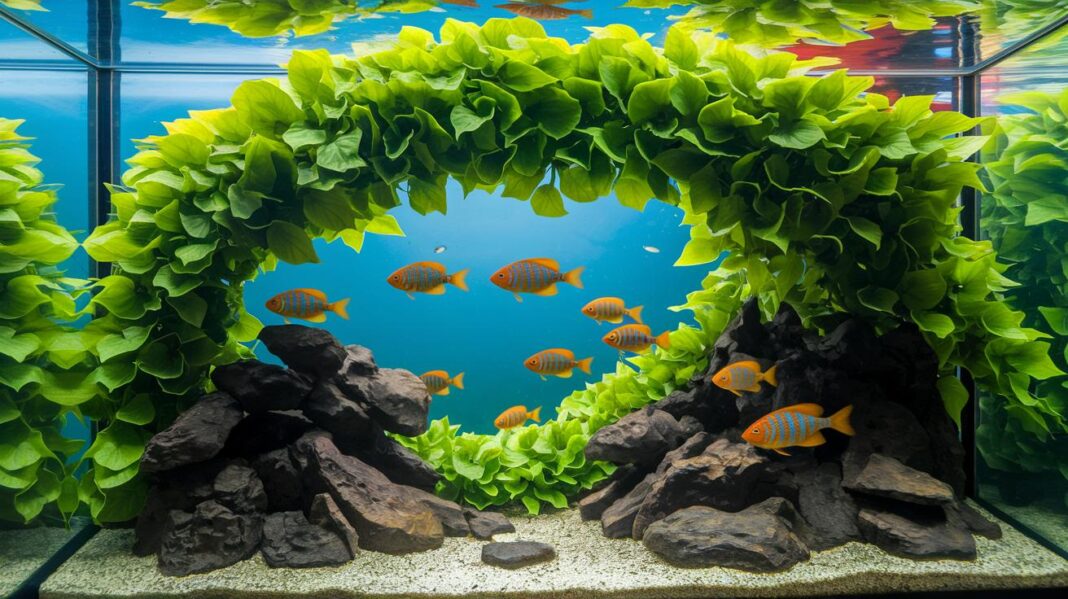

Have you ever thought a simple vine could turn your tank into a natural cleaning nook? Pothos aquarium plants add a splash of life to your underwater world while quietly soaking up extra nutrients that might blur your view.
Their roots dip into the water, almost like a gentle cleaning crew, absorbing chemicals that could dim the water’s sparkle. In this chat, we’ll explore how this charming vine not only livens up your tank but also helps keep your water as clear as a smooth, sunlit ripple.
Natural Aquarium Filtration With Pothos Vines
Pothos, also known as Epipremnum aureum, is a tough vine that many fish lovers adore for its charm and ease of care. It does well even with just a little light, making it a great fit for tanks with softer illumination. Imagine a small tank where a green vine dips its roots into the water while its pretty leaves stay dry above – it's like having a little piece of nature right in your aquarium.
The special trick with pothos is how its roots work like a natural filter. They soak up harmful nitrogen compounds like ammonia, nitrites, and nitrates that come from fish waste. This not only cuts down on nitrate levels but also helps keep algae at bay, giving you clearer water and a healthier tank. Ever notice how cleaning the tank can feel like watching a quiet magic show? That's pothos gently doing its job behind the scenes.
To use pothos effectively, just let its roots or the lower parts touch the water while keeping the leaves high and dry. This way, the leaves won't decay and the vine stays vibrant. Keep an eye on it and trim the roots when needed, so it can keep filtering out toxins and maintain that sparkling clarity in your aquarium.
Installing Pothos In Your Fish Tank
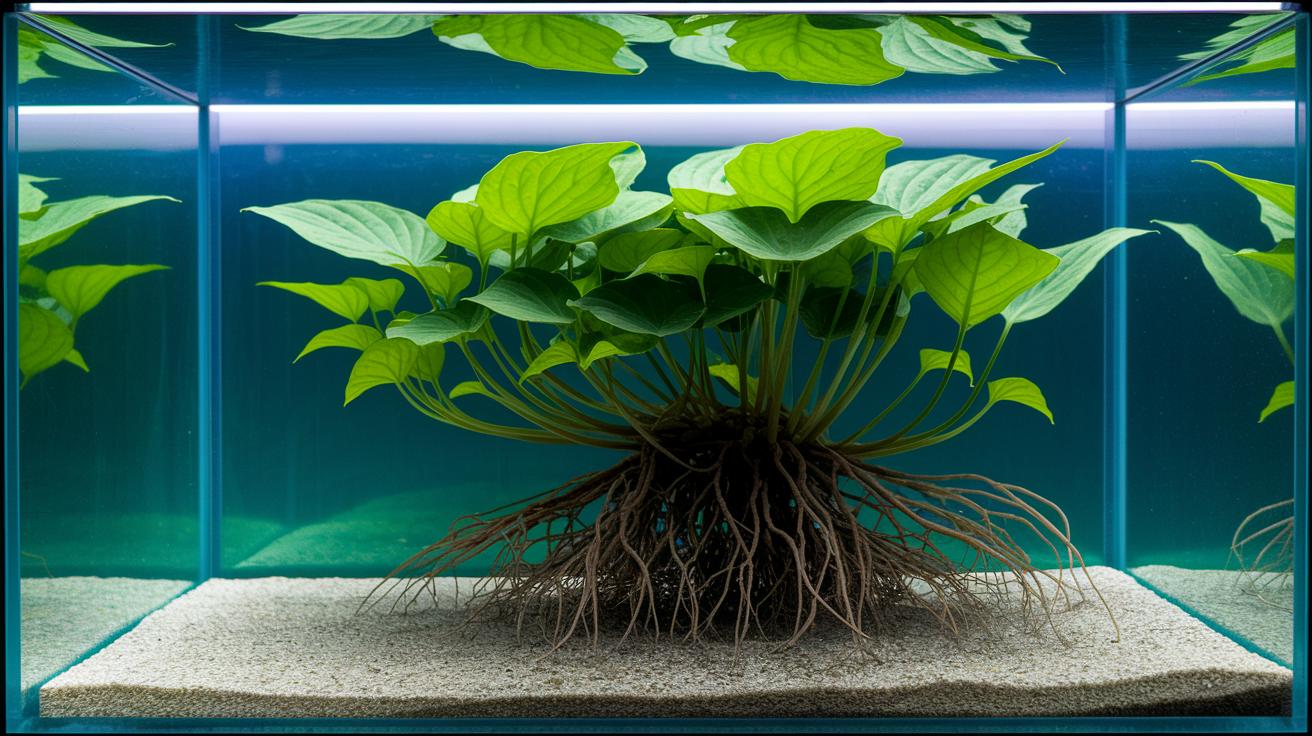
Pothos is a wonderful way to bring a burst of life to your tank. Not only is it charming to look at, but it also helps keep your water cleaner by soaking up unwanted nutrients with its roots, all while keeping its pretty leaves dry and safe. It’s like having a little friend tending to your aquarium every day!
To get started, follow these simple steps:
- Pick a small pot or clip and fill it with something steady, like gravel or clay pellets, to give your plant a firm home.
- Secure the pot with weights or clips and attach it to the tank rim so it doesn’t wiggle or shift.
- Trim the bottom roots to about 6–8 inches long and let them flow naturally into the water.
- Make sure all the leaves stay above the water to avoid any messy fungal growth.
- Every 2–4 weeks, check and adjust the setup as the roots grow, keeping the plant firmly in place.
For a smooth, budget-friendly setup, check out your local garden centers or nurseries, they often have pothos in small, affordable pots that even a $4 option can yield several plantlets. You can also find mounting tools at nearby hardware stores if you prefer not to shop online. Just be sure your setup doesn’t get in the way of your pump, heater, or other key equipment. With a little care, you can enjoy the natural beauty and benefits of pothos in your fish tank without any worries!
Essential Care Guidelines For Aquarium Pothos Vines
Keeping the water just right is super important for your aquarium pothos vines. Aim for a pH between 6.0 and 7.5 and set the temperature between 65°F and 85°F to create a cozy home for both your fish and your plant. A balanced pH keeps your fish from getting stressed, while the pothos roots help filter the water naturally. Stable temperatures encourage strong root growth, so the plant can easily absorb nutrients and clear out toxins.
Regular care keeps your pothos looking lively and your tank safe. Every 2 to 4 weeks, trim the roots using clean, dedicated pruning tools. Be sure to snip away any droopy or decaying roots, as these can lead to ammonia spikes in your tank. This little routine not only helps maintain clear water but also gives way to fresh, healthy growth.
Light is another key ingredient in keeping your green vines happy. Pothos vines thrive in low to moderate light, so a standard aquarium light or ambient room light works perfectly. Avoid harsh, high-intensity lights that might stress the plant or damage its leaves. Instead, let the gentle light create a peaceful setting where the roots filter the water while the leaves stay vibrant above the surface.
Benefits Of Pothos Vines For Tank Ecosystems
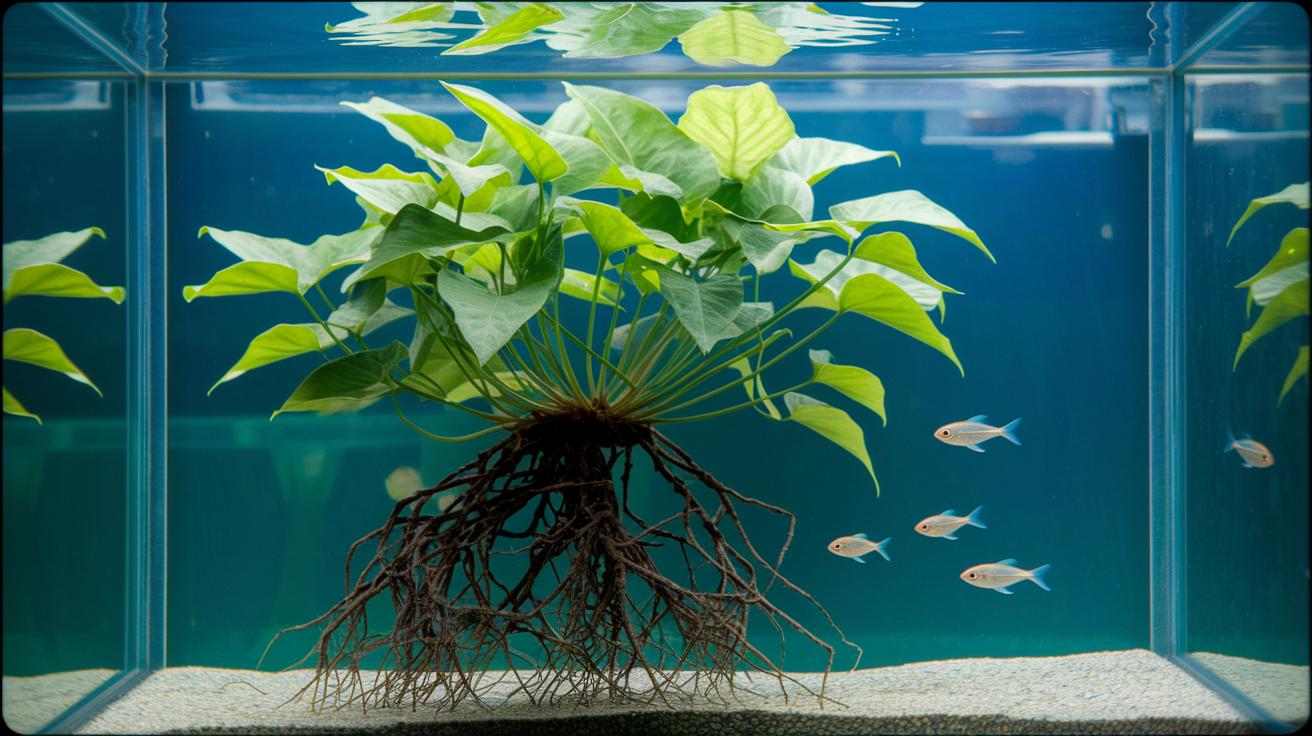
Pothos plants are like tiny oxygen makers in your tank. Their roots send oxygen into the water, giving your fish a handy boost every time they take a breath. I love how these soft, winding roots form gentle hideaways for little fry and help calm stressed adult fish.
Imagine your aquarium as a cozy retreat where nature does its work. The pothos not only cleans the water naturally but also offers cool spots for smaller fish to hide from bigger ones. This mix of oxygen magic and shelter turns your tank into a balanced, lively underwater garden.
These green vines add plenty of charm too. They grab extra nutrients from fish waste, which means fewer water changes and clearer water over time. Plus, the trailing leaves cast a soft shade that keeps algae at bay, making your aquarium both a pretty and practical haven for your aquatic pals.
Understanding Risks And Fish Safety When Using Pothos In Aquariums
Pothos is a beautiful plant that can add a touch of nature to your fish tank when you let only its roots touch the water and keep its leaves out. When the roots grow too long, they might start to break down or wrap around your equipment, so it's best to trim any soft or discolored parts using clean shears kept just for this task.
It’s a great idea to check your water weekly with a simple test kit, much like taking your tank’s temperature. This helps you spot any small changes in water quality before they cause problems for your fish. Keep an eye on your setup and inspect it regularly to make sure your aquatic buddies stay safe and happy.
Aquarium Pothos Maintenance And Troubleshooting Tips
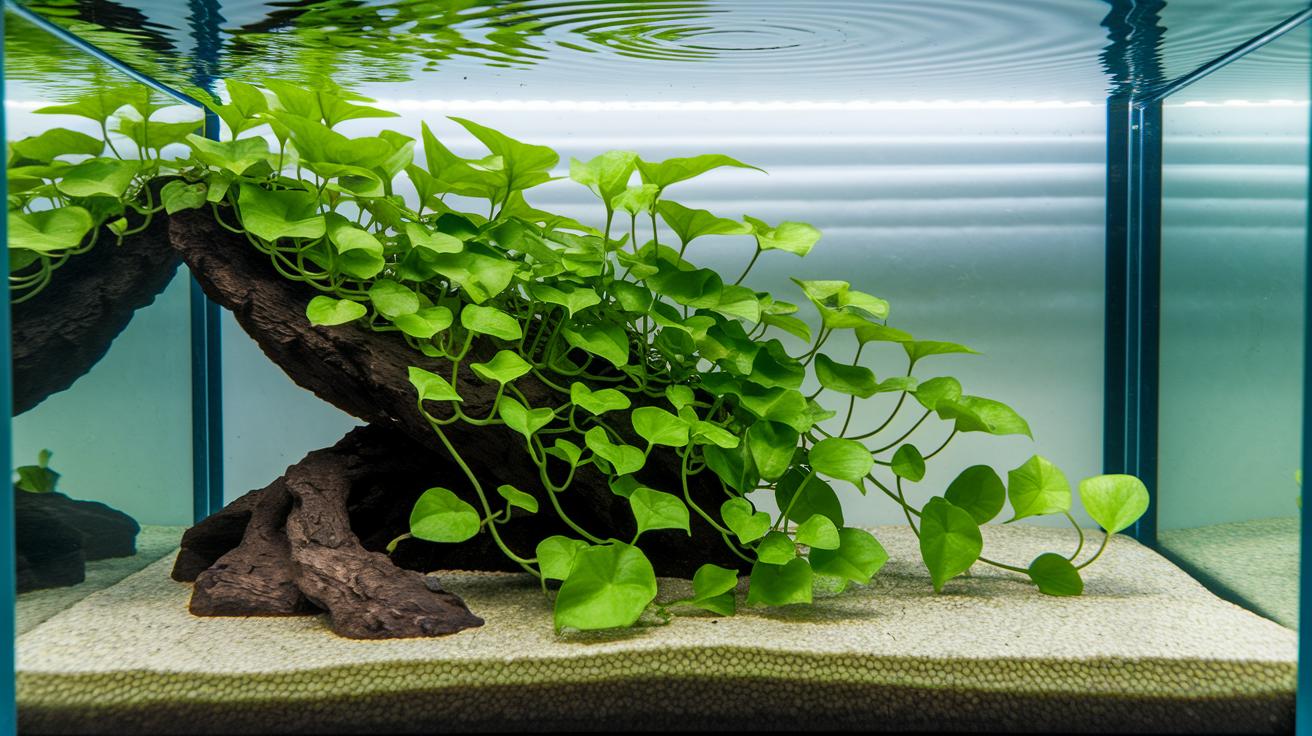
Taking care of your pothos vine in your aquarium can be as refreshing as watching ripples dance on water. It not only adds a splash of vibrant green to your tank but also helps filter the water naturally, supporting your aquatic life.
If you notice a thin, moldy film or slimy roots, try trimming them a bit and boosting the water flow. This little fix is like giving the plant a fresh stream of energy.
When the roots seem to be taking their time to grow, check if your plant is getting enough indirect light or consider a gentle nutrient boost. Sometimes, even just a small change can spark a burst of healthy growth.
Yellowing root tips might mean that your water’s pH or temperature is slightly off. A quick test can help you balance things out, keeping your plant thriving alongside its aquatic buddies.
If your vine starts dangling too far out of the water, a careful snip right above the waterline can bring things back into balance. This simple prune helps reduce stress on the plant and keeps it looking lively.
Pair these little fixes with regular tank cleanings, and always use clean, dedicated pruning shears. And remember, taking these steps not only keeps your pothos healthy but also creates a peaceful, balanced environment in your aquarium.
Final Words
In the action, we've explored how pothos aquarium plants serve as a natural filter, boosting water clarity and sheltering your aquatic friends. We talked about proper installation, essential care schedules, and the safety tips you need to keep your tank in tip-top shape.
We've seen these living filters absorb harmful compounds, cut down on algae, and add a touch of natural beauty. Enjoy watching your tank thrive and your fish flourish in a cleaner, balanced underwater world.
FAQ
Did pothos ruin my aquarium?
The idea that pothos ruined an aquarium usually stems from improper setup. When leaves stay underwater, they rot and release toxins. Keeping only the roots immersed prevents this risk.
Is pothos plant good for an aquarium?
Pothos works well for natural biofiltration. Its roots absorb harmful nitrogen compounds while leaves remain dry, helping maintain water clarity and providing auxiliary benefits to your tank.
What are the best types of pothos aquarium plants?
The hardy devil’s ivy is a top choice for aquariums. Its robust nature and efficient nitrate uptake make it ideal for tank setups when installed with leaves kept above water.
Where can I buy pothos aquarium plants?
Pothos plants for aquariums are available from aquarium plant suppliers and local nurseries. Online retailers often carry attractive options along with accessories like clips and specialized planters.
How effective are pothos in filtering nitrates in aquariums?
Pothos vines are effective at reducing nitrates by absorbing ammonia, nitrites, and nitrates through their roots. This natural filtration method helps keep water clear and reduces algae growth.
How do I keep pothos alive in an aquarium?
Keeping pothos thriving means trimming roots every 2–4 weeks and ensuring only roots are submerged. Maintaining proper light, temperature, and water quality further supports healthy growth.
Will pothos plants grow underwater?
Pothos plants only develop underwater by extending their roots into the water. Their leaves must remain above the surface to avoid rotting and potential toxic effects on aquatic life.
Are pothos leaves toxic to fish?
Pothos leaves contain toxins harmful if ingested by fish. Keeping the foliage out of the water is essential to ensure a safe environment for your aquatic pets.