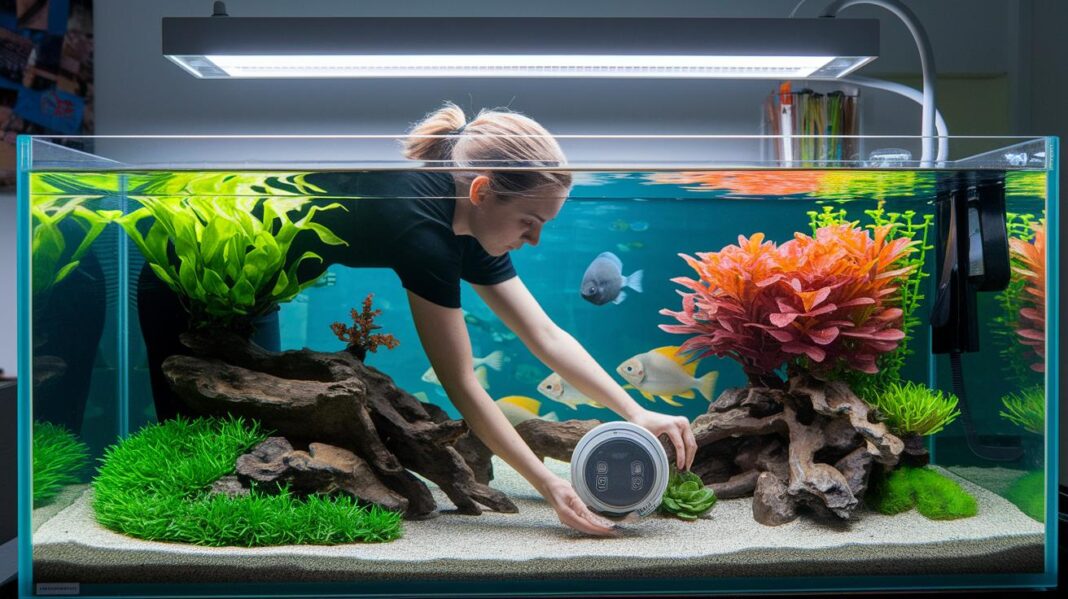

Ever wonder if a heater that's not set up right could put your fish at risk? When your heater works well, it keeps your aquatic home safe and your water steady, just like the gentle flow of a calm stream.
This guide walks you through the steps of getting your heater in place: mounting it securely, checking for any damage, and making sure it sits next to your filter (that tool which cleans your water). Plus, we'll show you how to keep those cords safe from any stray water. Follow these tips and your fish will have a cozy, secure tank to call home.
Step-by-Step Aquarium Heater Installation Techniques
First, open your package and give your new heater a good look over. Check for any cracks, chips, or broken pieces. Make sure the power cord and thermostat are in great shape before you dive in.
Next, secure your heater to the tank wall using rubber suckers or mounting brackets. Place it near the filter outlet so the water’s gentle flow helps spread the warmth evenly. This simple positioning trick is key for a safe and steady setup.
Now, create a little drip loop with the power cord along the edge of your tank. Doing this helps keep water from trickling down the cord. Use clips or ties to keep the cord in place, this is like setting up a safety net for your heater.
Always check that the heater stays completely underwater. Even during feedings or tank cleanings, it’s important that the heating element remains submerged. That way, it can work efficiently and keep your aquatic pals comfy.
Adjust the thermostat following a basic rule: about 1 watt per liter (or roughly 3.78 watts per US gallon). In cooler climates, you might need a bit more, around 3 to 5 watts per gallon. Aim for a cozy temperature between 75 and 82°F, which is just right for tropical fish. For larger tanks or colder spaces, adding a second heater set slightly lower can be a smart backup.
Finally, plug in your heater. Watch for the LED light or use a thermometer to make sure it cycles on and off as it reaches the set temperature. Give it around 30 minutes for an initial run. This little test run helps confirm that your heater is set up correctly and working well, just like a calm ripple in a peaceful pond.
Choosing the Right Aquarium Heater for Your Tank
When you're picking a heater for your aquarium, it's smart to think about how it will work with your other tank equipment. A good rule of thumb is to use about 1 watt per liter (roughly 3.78 watts per gallon), though tanks in cooler spots might need 3 to 5 watts per gallon. Don't forget to check out the manufacturer's manual for details on mounting, voltage, and warranty. I once picked a heater by carefully matching its specs to my tank, ensuring every watt counted.
Submersible Glass/Plastic Heaters
These heaters are easy on your wallet and simple to swap when needed. Just remember, they're a bit delicate and might break if dropped, kind of like a treasured tool that works great until it gets mishandled.
Titanium Heaters
Titanium heaters bring long-lasting strength and let you fine-tune your tank's temperature. They resist corrosion very well, even if they cost a bit more. Think of them as that reliable friend who always keeps your water just right, no matter what.
Integrated Filter Heaters
If you're tight on space, integrated filter heaters are a nifty choice since they fit right into your filter chamber. Their compact design is great, though it means you won't have as much room to adjust the thermostat settings. They're perfect for snug setups, even if you sacrifice a little tweaking freedom.
| Heater Type | Pros | Cons |
|---|---|---|
| Glass/Plastic Submersible | Low cost, easy to swap | Fragile, can break |
| Titanium | Durable, precise control | Higher price, less accessible |
| Integrated Filter Heaters | Saves space, fits filter chamber | Limited thermostat adjustment |
Aquarium Heater Placement Strategies for Even Heat Distribution
Placing your heater near the filter outlet or powerhead is a great way to let water flow around and spread the heat softly throughout your tank. When water moves freely, it carries the warmth like a gentle current, keeping every spot in your aquarium cozy. For example, if you have a glass heater, mounting it horizontally shows off its full heating surface, while titanium heaters work just fine when placed vertically.
You should also keep the thermostat sensor away from strong currents. This helps it measure the temperature accurately so you don’t get any sudden, wrong spikes in the reading. Allowing water to move around the heating element prevents unexpected cold patches and makes sure all areas of your tank share an even temperature.
Setting up your heater in the right spot not only keeps your fish and plants comfy but also makes the system more energy efficient and easier to watch over. A little planning goes a long way in creating a balanced, thriving underwater environment that feels as calm and inviting as a quiet stream.
Safety Guidelines and Electrical Standards for Heater Installation
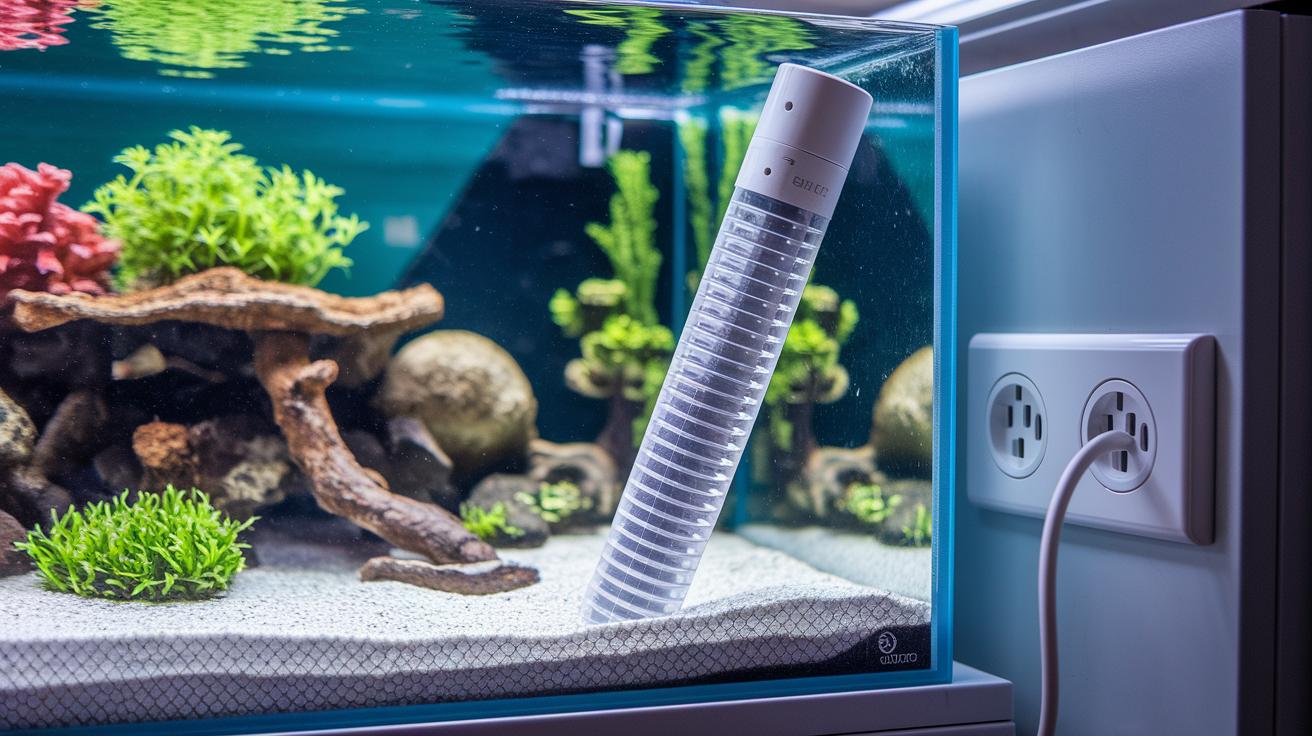
Before you set up your heater, take a close look at the heater tube. If you spot any cracks or damage, replace it right away so you avoid electrical shocks or water leaks.
Always plug your heater into an outlet with GFCI protection. Keep all cables and plugs dry and well above the waterline, just like keeping a prized fish safe in its tank. And use safety brackets or guards that are NSF/UL approved for that extra layer of protection.
Next, form a drip loop in your heater’s power cord. This loop works like a little dam, stopping water from running down to the outlet. It’s a simple trick, much like clipping a stray wire in place to avoid any mishaps.
Lastly, keep your wiring neat and secure. Use cable ties to bundle any extra wire so nothing dangles near the water. These small steps help prevent shocks, fires, or any damage while keeping your aquarium a calm and safe place.
Managing Cords and Ensuring Waterproof Sealing on Aquarium Heaters
When you’re setting up your aquarium heater, check out the installation and safety sections for tips on drip loops and cord fastening. Here, let's focus on adding waterproof sealing and keeping an eye on your setup with routine inspections. For instance, you can use waterproof grommets or a bead of silicone sealant at bulkhead or cabinet feed-throughs, kind of like putting on a raincoat to keep moisture away.
It’s a good idea to inspect the cord insulation regularly so you can spot any wear, like chafing where the cord meets the tank edges. And make sure the heater’s power connection stays at least 6 inches above the tank rim. This little step goes a long way by keeping water away during both everyday use and maintenance.
Calibrating and Testing Your Aquarium Heater for Accurate Temperature
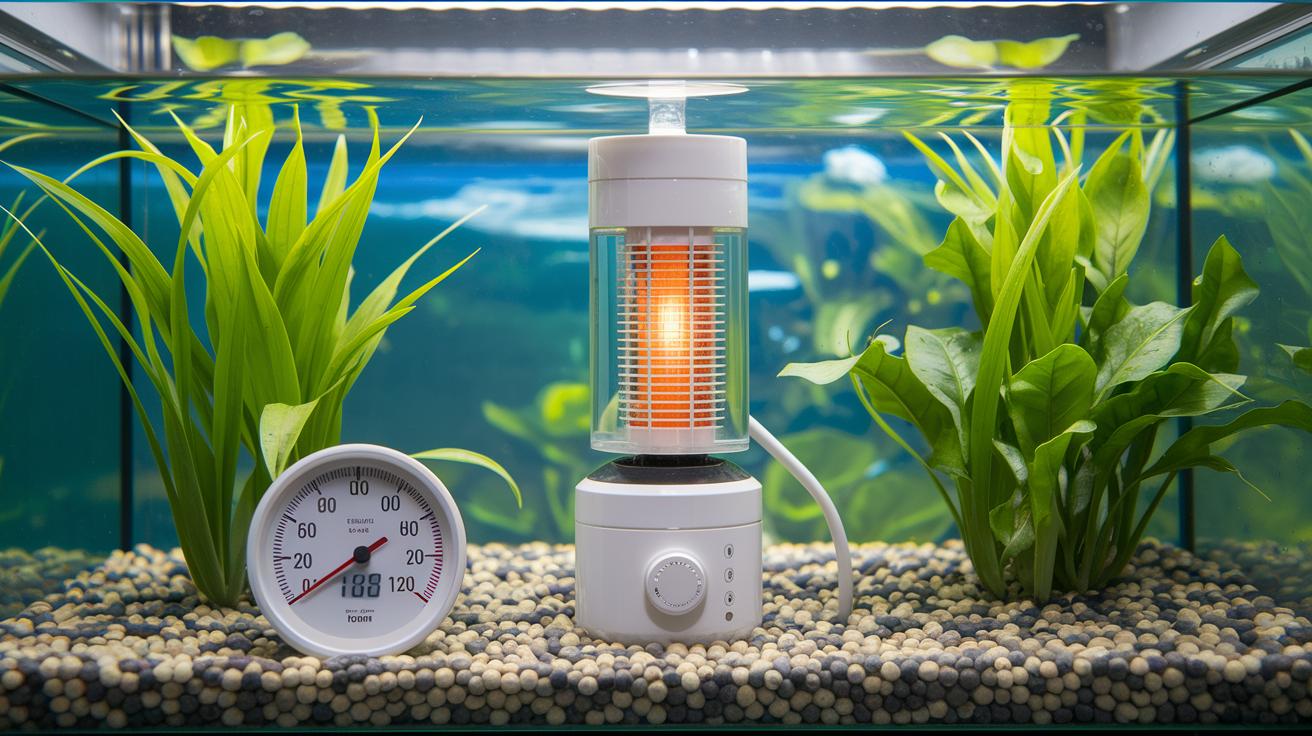
First, check your heater's built-in thermostat against an external thermometer. This helps you make sure the sensor in your heater really matches the water's temperature. I once saw a small difference between the two, and that extra check made a big difference.
Next, try turning the heater dial by just 1–2°F (or 0.5–1°C) at a time, and give it about 30 minutes to settle after each change. Think of it like gently tuning a guitar – each little tweak helps create a perfect harmony in your aquarium.
Then, look at the heater’s LED or control light to see if it’s flashing or stopping, especially when the water is cool. That little signal shows your heater is working correctly and taking breaks when necessary.
Finally, keep an eye on your water’s temperature for a day or two, about 24–48 hours. This lets you spot any odd swings or if the thermostat isn’t holding steady. If things seem off, try checking that the thermostat is in the right spot or making sure the heater is fully under water.
By following these steps, you can enjoy a calm and safe aquatic environment with steady temperatures.
Maintenance and Troubleshooting: Avoiding Common Heater Installation Mistakes
Taking care of your aquarium heater is like tending to your favorite underwater world. Every few weeks, about every 2 to 4 weeks, wipe down the heater with a soft cloth. I once did this and was amazed how easily the mineral deposits cleared, letting heat flow as smoothly as a gentle current.
Sometimes issues happen when the heater isn’t completely underwater or the suction cups aren’t aligned just right. Make sure your heater is fully submerged, and check that the suction cups are holding it securely. Also, avoid blocking the water flow around the heater; you want your water moving freely like a playful stream.
Pay attention to where the thermostat sits, too. If it’s too close to fast-moving water, it might give you the wrong reading. So, keep it in a calm spot where the water doesn’t rush by. And if something feels off, try testing the heater in a clear container, look out for a steady heat or any LED alerts acting up.
If your heater starts to look cloudy or shows signs of wear, it’s a good idea to replace it before any sudden temperature changes surprise your fish. This little step not only saves you time but also keeps your aquatic pals safe from overheating. Just remember these simple checks:
| Tip | Action |
|---|---|
| Full Submersion | Verify daily that the heater is completely underwater |
| Mounting Hardware | Secure it tightly for a firm hold |
| Thermostat Readings | Monitor closely for any inconsistencies |
Following these easy steps can keep your tank's water just right, letting you enjoy every gentle ripple and shimmering light on the water.
Final Words
In the action, we broke down step-by-step instructions for setting up your aquarium heater safely. We covered unboxing, mounting, establishing drip loops, proper calibration, and even selected heater types to match different tank needs. Small details like correct placement and regular inspection help maintain balanced water and consistent temperature. Follow these proper installation techniques for aquarium heaters to build a safe, vibrant home where your aquatic pets can thrive. Enjoy watching your tank transform into a live, calming oasis!
FAQ
Q: What are proper installation techniques for aquarium heaters?
A: The aquarium heater installation involves unboxing, inspecting, mounting with rubber suction cups or brackets, creating a drip loop in the power cord, and calibrating with an external thermometer over 24–48 hours.
Q: Should aquarium heaters be placed vertically or horizontally?
A: The heater placement depends on the type. Glass units work best horizontally for more surface contact, while titanium units can be mounted vertically for convenience and durability.
Q: Are aquarium heaters supposed to be fully submerged?
A: Aquarium heaters must remain completely underwater at all times. Keeping them fully submerged maintains stable temperature and protects the heater from damage.
Q: How do you adjust the temperature on an aquarium heater?
A: Adjust the heater’s temperature by turning its dial in small increments, about 1–2°F. Then wait around 30 minutes and check with an external thermometer to monitor stability.
Q: Does heater placement matter in an aquarium?
A: Heater placement matters greatly. Positioning your heater near a filter outlet or powerhead promotes even heat distribution and helps prevent cold spots in your aquarium.
Q: What safety guidelines should I follow when installing an aquarium heater?
A: Key safety steps include using a GFCI outlet, creating a drip loop in the power cord, keeping all electrical connections dry and above the waterline, and securing the heater with approved mounting hardware.
Q: How do I manage cords and waterproof sealing for my aquarium heater?
A: Manage cords by fastening them with clips or ties and keeping them away from sharp edges. Use waterproof grommets or silicone at any tank entry points to maintain a safe, dry electrical connection.