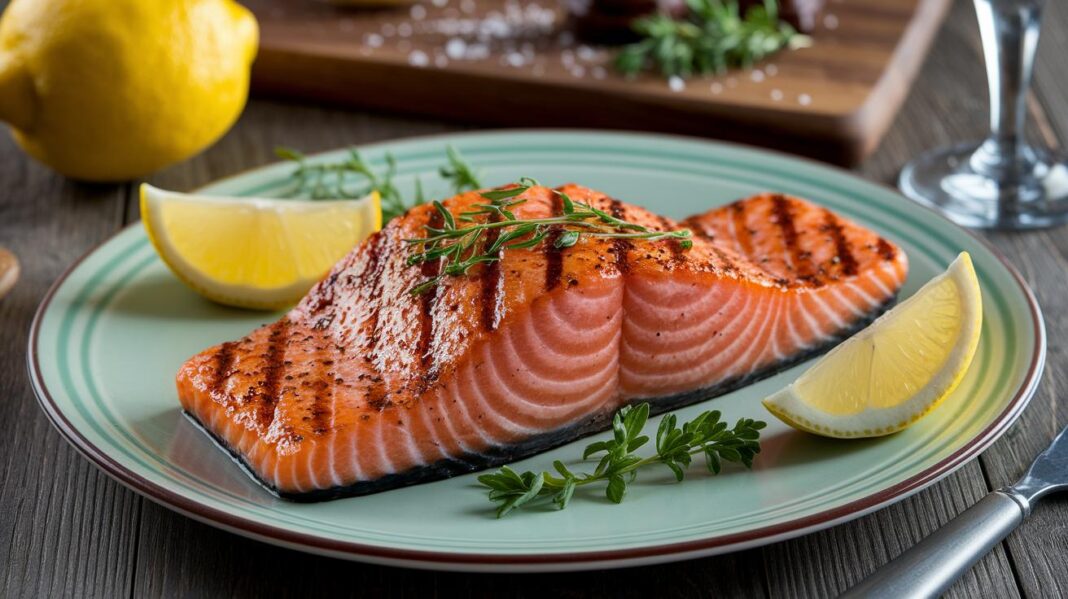

Ever stopped to think that a small 5-ounce piece of salmon can give you a huge protein boost? When cooked just right, this fish packs about 30 to 36 grams of protein, kind of like tiny muscle builders with every bite.
Imagine each mouthful as a gentle ripple of energy that carries you through a busy day. Today, we’re diving into how simple cooking tweaks can pump up protein levels while adding a burst of delicious flavor. Enjoy the ride and savor your salmon like a true health spark for your daily routine.
Protein Levels in a Five-Ounce Salmon Serving
A 5-ounce boneless salmon fillet is like a little powerhouse for your muscles. It has about 207 to 248 calories, and a big part of those, roughly 62%, come from protein. In simple words, once cooked, you enjoy around 29 to 31 grams of protein with every serving. Because cooking makes water evaporate, the USDA notes that a raw 5-ounce piece has about 30 grams of protein that can rise to approximately 36 grams after it’s cooked. Imagine taking a bite and feeling that boost of the protein your body needs to repair muscles and keep energized.
When you work with both raw and cooked salmon, you see an interesting change. Start with a fresh fillet, season it for baking, and the natural water loss not only deepens the flavors but also ramps up the protein. That means a piece offering close to 30 grams raw can transform into a delicious 36-gram power-packed dish when cooked just right. It’s like nature’s way of concentrating the goodness, making every bite a celebration of balanced nutrition with simple methods like baking, broiling, or searing.
Protein Variations in Salmon Types and Cooking Methods
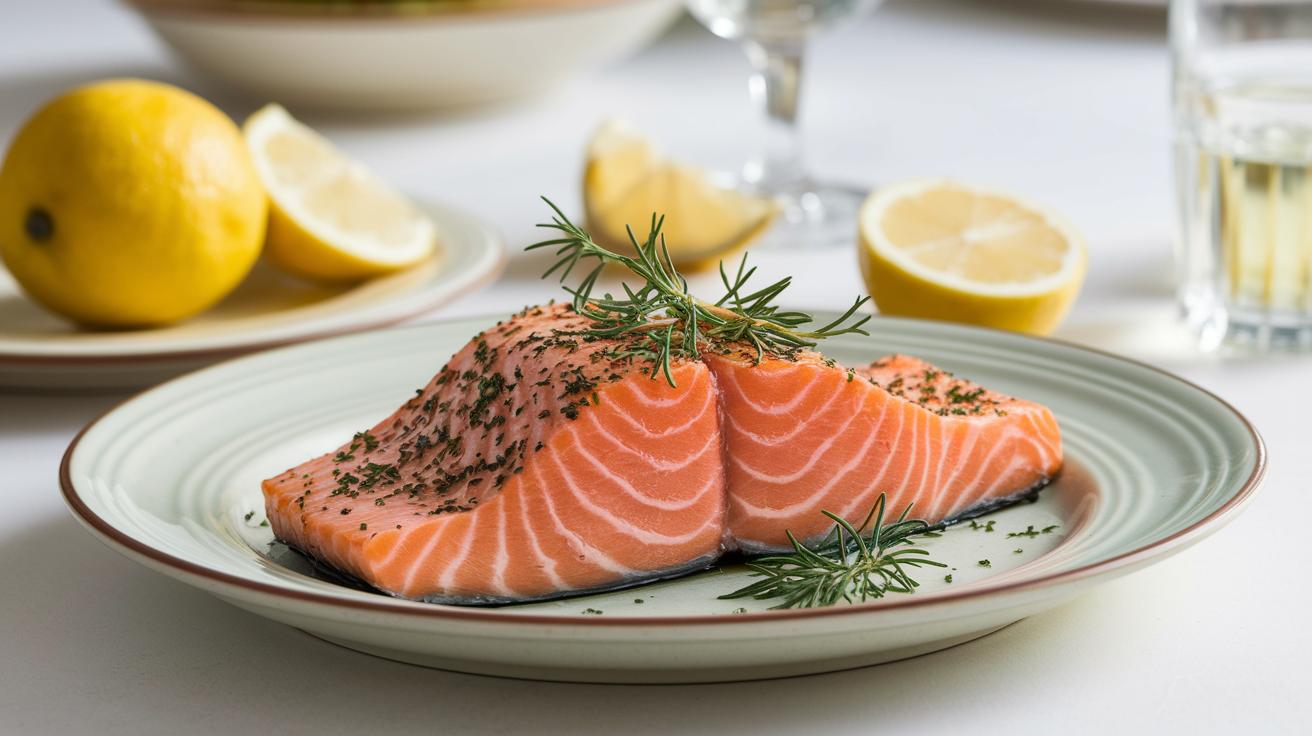
Salmon is a tasty fish, and its protein changes with the type of salmon and how you cook it. Wild salmon usually gives you a bit more protein per ounce than farmed salmon. Farmed salmon has a little extra fat and calories, too. When you bake, broil, or pan-sear your salmon, some water leaves the fish. This means each bite gets a richer dose of protein since the proteins become more concentrated.
For example, imagine a 5-ounce wild salmon fillet. Raw, it has about 30 grams of protein, but after cooking, it can jump to around 36 grams. Farmed salmon starts with about 29 grams raw and moves close to 35 grams once cooked. The change happens simply because the natural moisture in the fish evaporates during cooking.
| Salmon Type | Raw Protein (5 oz) | Cooked Protein (5 oz) |
|---|---|---|
| Wild-Caught | 30 g | 36 g |
| Farmed | 29 g | 35 g |
Dry-heat cooking methods not only boost the flavor by reducing the water content, they also make sure you get a steady boost of high-quality protein. This extra protein helps your muscles repair and keeps you healthy overall. So whether you choose wild or farmed salmon, cooking it the right way lets you enjoy every meal even more.
Detailed Nutritional Breakdown of a Five-Ounce Salmon Fillet
That 5-ounce salmon fillet is like a treasure chest of goodies for your body. It gives you about 29 to 36 grams of protein along with 10 to 15 grams of fat, which flows into your diet like a gentle stream. Out of that fat, 2 to 3 grams are the heavier, saturated kind, while the rest come from heart-friendly monounsaturated and polyunsaturated fats.
But there’s more than just protein and fat here. This fish is packed with omega-3 fatty acids – think of it as nature’s way of throwing a mini underwater celebration for your heart and brain. You get roughly 500 to 1000 milligrams of EPA and about 500 to 1500 milligrams of DHA to support your overall health. Plus, it offers a burst of vitamin D, roughly 570 to 800 IU, which is like a sunny ray boosting your bones and energy.
Also, this tasty portion provides a bit of vitamin B6 (around 0.6 mg) and vitamin B12 (about 3.2 micrograms), along with key minerals like phosphorus (about 250 mg), potassium, selenium, and smaller amounts of calcium, iron, and sodium. Every bite is like a refreshing dive into a perfectly balanced blend of nutrients that not only nourishes your body but also delights your senses.
Health Benefits of Protein from a Five-Ounce Salmon Serving
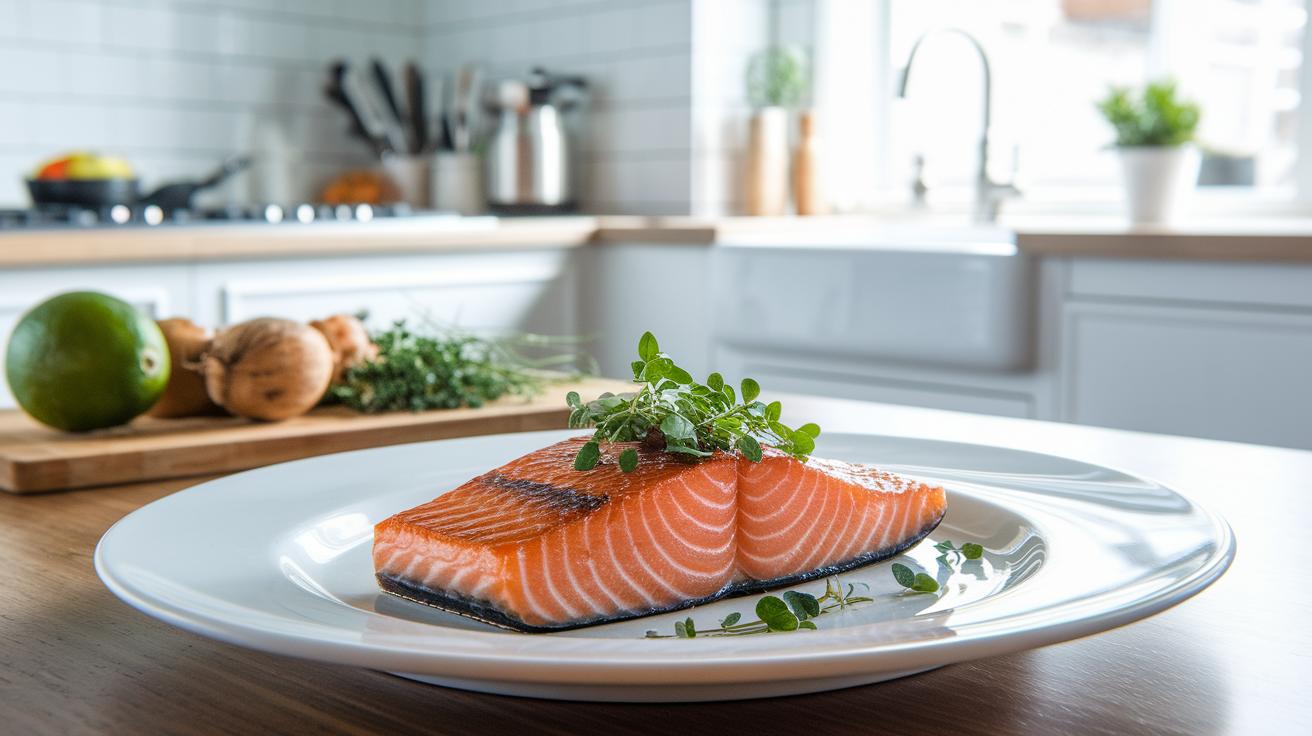
Salmon is a delightful find that brings a burst of protein in every 5-ounce serving. Its protein is complete, meaning it offers all the essential amino acids your body needs to build lean muscle, mend tissues, and keep your cells strong. Think of it as a handy little repair team for your muscles, especially when your energy is low and carbs or fats are in short supply.
But that’s not all. The omega-3 fatty acids in salmon work alongside its protein to soothe inflammation and boost both heart and brain health. Just a couple of servings each week can help lower your risk of various ailments and even lend a hand in keeping your weight in check. It’s a smart, balanced choice for anyone who loves an active lifestyle and wants to keep their body running smoothly, much like the natural flow of a clear stream on a sunny day.
Maximizing Protein Intake with Cooking and Portioning Tips
When you're looking to up your protein game without loading on extra fats, a few simple tweaks in the kitchen can make a big difference. Imagine lightly searing your salmon in a hot pan before finishing it in the oven, the gentle sizzle seals in flavor and gives it a delightful texture. Instead of using heavy oils, try spritzing the fish with a non-stick spray so the natural taste really shines through.
Planning your portions can be both smart and simple too. If you're keeping an eye on your diet, a quick weighing of your fillet can help you hit your protein targets without fuss.
Here are some quick ideas:
- Pat your fish dry with a paper towel before you sear it.
- Get your pan nice and hot to form a crisp, tasty crust.
- Use non-stick sprays to keep extra fats at bay while letting your salmon's tender flavor pop.
| Tip | Benefit |
|---|---|
| Light Searing | Boosts texture and flavor |
| Non-Stick Spray | Preserves the fish’s natural taste |
| Accurate Weighing | Helps fine-tune your protein intake |
Final Words
In the action, we explored the nutritional wonders of a five-ounce salmon fillet. We talked about protein in 5 oz salmon for both raw and cooked servings, comparing wild and farm varieties. The guide broke down its complete nutrient profile and shared cooking tips that help concentrate those natural benefits. Each method shows how protein in 5 oz salmon stands out as a wholesome package. It’s a refreshing reminder that smart choices in fish care make every meal a little brighter.