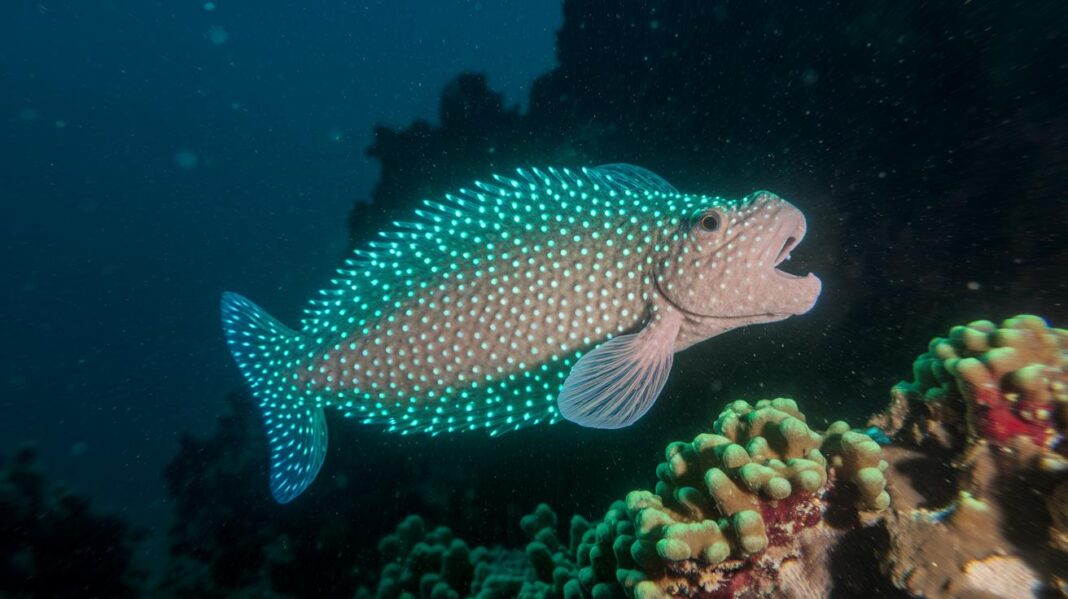

Ever wonder about the secrets hidden in the deep blue? Some rare sea creatures make their home in super deep, chilly waters where hardly any light reaches. They live in a place where the pressure is off the charts, yet they still manage to thrive.
In our chat today, we’ll dive into how these mysterious beings adapt to such extreme conditions, almost like nature's own magic trick. Their hidden world, much like a silent underwater ballet, reminds us that nature always finds a way to amaze, even in the darkest, quietest corners of our oceans.
Understanding Rare Deep Sea Creatures
Rare deep sea creatures live in the most extreme parts of our oceans. They make their home in specific zones: the mesopelagic zone (roughly 660 to 3,300 ft), the bathypelagic or midnight zone (about 3,300 to 13,100 ft), and the abyssopelagic region (from 13,100 to 20,000 ft). There are even hadal trenches where depths go past 20,000 ft. Life here has learned to survive in near-freezing temperatures and under crushing pressure.
For instance, tiny tardigrades have been spotted at depths up to 15,000 m (49,213 ft), while snailfish have been seen swimming as deep as 27,349 ft in the Izu-Ogasawara Trench. Wow, that’s pretty amazing!
In these pitch-black depths, nature finds surprising ways to thrive, showing us that even the harshest spots can become cradles for amazing life. Studying these hidden underwater wonders not only sparks our curiosity about extreme environments, but it also helps us learn how life can adapt against all odds. Every discovery in these mysterious waters adds another piece to the puzzle of our planet’s hidden marvels.
Unique Adaptations of Enigmatic Deep Sea Species
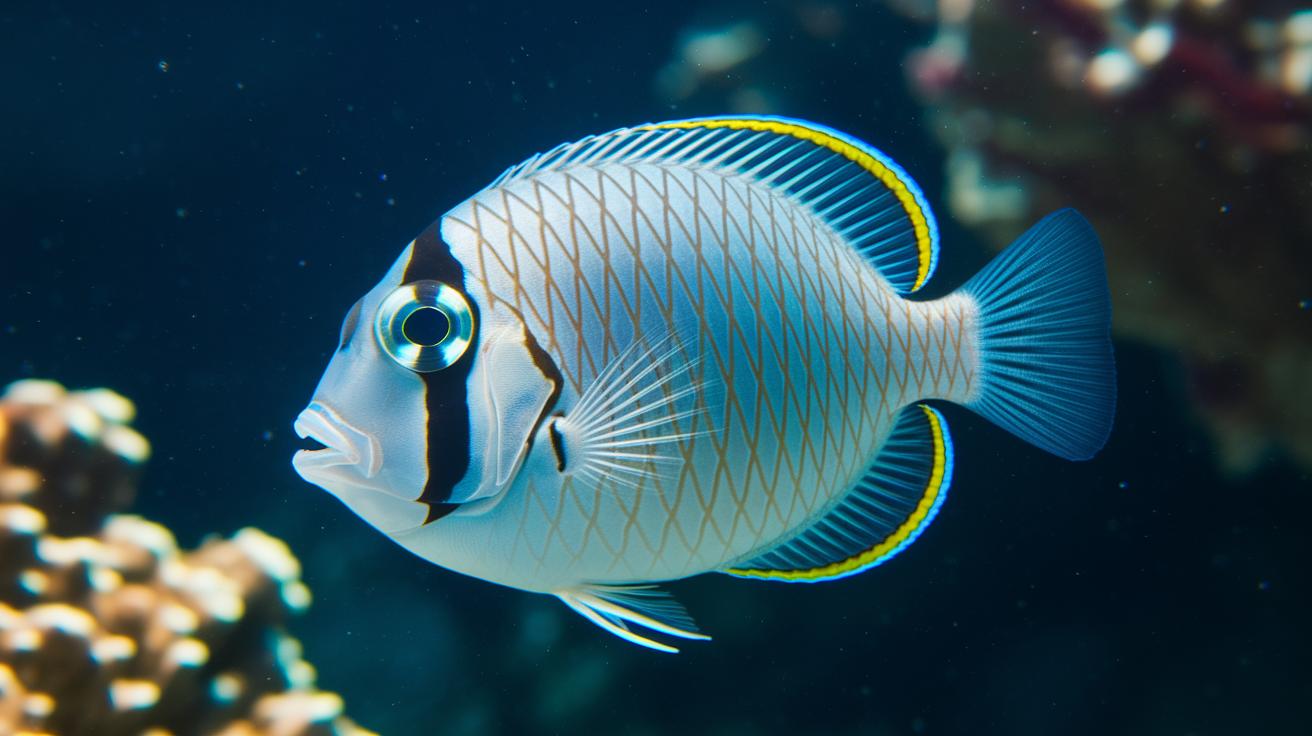
Imagine a fish with a head as clear as glass. The Barreleye Fish (Macropinna microstoma) has a transparent dome with two green eyes looking up. This neat trick helps it spot faint shapes of prey that float above in almost total darkness. Its clear head is like nature’s window into a mysterious underwater world.
Down in those deep waters, the viperfish (Chauliodus sloani) and the fangtooth fish (Anoplogaster cornuta) have mastered the art of stealth. Their sharp, needle-like teeth give them an unyielding grip on slippery meals. It’s almost as if these teeth were designed just for catching food in the heavy pressure of the deep.
Further on, the Bigfin Squid amazes with arms and tentacles that can stretch up to 20 times its body length. Picture it reaching out across vast open water like casting a net to catch a drifting star. This long reach is a clever way to secure food when space is wide open.
Then there’s the Dumbo Octopus. Its ear-like fins, flowing softly like delicate curtains, let it glide gracefully across the ocean floor. Each smooth movement is both gentle and sure, making every inch of its underwater world count.
Not far behind, the Goblin Shark (Mitsukurina owstoni) seems to have a secret weapon: it can likely sense tiny electric fields to find prey that would otherwise be hidden. In a similar vein, the Black Seadevil Anglerfish uses a glowing lure to draw in unsuspecting prey, turning darkness into an opportunity for a meal.
Habitats and Distribution of Spectacular Deep Sea Pelagic Oddities
Deep below the waves, many sea creatures live in spots that seem almost magical. These interesting residents of deep trenches and mysterious abysses call different parts of the ocean their home. Each area has its own feel, ranging from the softly lit mesopelagic waters to the almost unreachable hadal depths.
Take a look at the table below for a quick guide to these extreme underwater homes and some cool species that live there.
Here's a fun fact: tiny lanternfish shine like underwater lanterns in the mesopelagic zone, which stretches from about 660 to 3,300 feet deep.
| Zone | Depth Range (ft) | Example Species |
|---|---|---|
| Mesopelagic Zone | 660–3,300 | Lanternfish (Myctophidae family), Pacific Viperfish |
| Bathypelagic/Midnight Zone | 3,300–13,100 | Barreleye Fish (around 2,000–2,600 ft), Sea Pigs (reaching 22,000 ft) |
| Abyssopelagic Zone | 13,100–20,000 | Dumbo Octopus, Giant Isopod (observed up to 7,000 ft) |
| Hadalpelagic Zone | Below 20,000 | Snailfish (recorded at 27,349 ft) |
These amazing underwater wonders remind us to keep marveling at life that thrives under immense pressure and in near-total darkness.
Must-Know Bizarre Deep Sea Organisms: Detailed Profiles
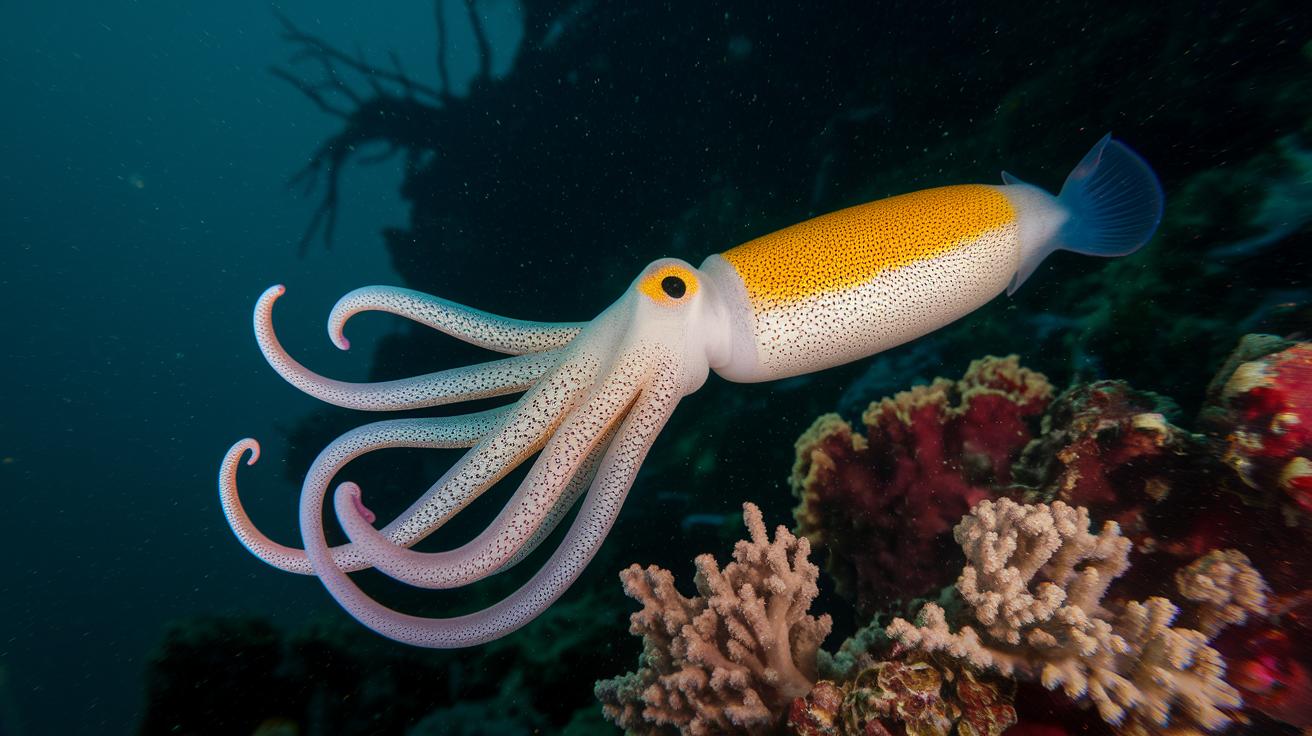
The Vampire Squid, known by its scientific name Vampyroteuthis infernalis, is a curious creature about 12 inches long that lives in very deep, dark waters (below 660 feet). It feeds on marine snow, which means it picks up tiny, drifting bits of organic matter as if collecting soft, falling confetti deep in the ocean. Imagine a gentle, hidden dance in the dark as this squid gathers its meal, it truly captures the quiet magic of the deep.
The Giant Isopod, or Bathynomus giganteus, can grow up to 16 inches and makes its home in the depths, sometimes reaching 7,000 feet below the surface. It might remind you of a giant pillbug because of its rugged, weathered shell that shows off nature’s tough spirit. Picture a sturdy, timeless creature slowly moving across a rocky sea floor, it’s a real survivor of the deep, reminding us that life in the abyss is both challenging and enchanting.
Research and Exploration of Unprecedented Deep Sea Seafloor Anomalies
Deep down in the darkest parts of our ocean, new tools are making it easier to see what once was hidden. Recently, the SuBastian ROV spotted the almost see-through Glass Octopus. This rare creature shows off its clear optic nerve, eyes, and even its digestive tract. It’s like catching a glimpse of a secret underwater friend you never thought existed.
In another expedition, scientists carefully mapped over 30,000 square kilometers of seafloor, checking out five seamounts for any unusual sea life. They used high-tech video cameras, sonar mapping (which sends sound waves to create pictures), and sensitive sensors that notice even the tiniest changes. It’s a bit like watching light ripple on the water, every detail counts.
The researchers also did a unique study on how coral and sponges are eaten by showing over 15 different tiny microbes. One memorable moment was a starfish eating live coral at a depth of 2,004 meters. It was all captured in clear, high-resolution video, offering a peek into this mesmerizing deep-sea meal.
Together, these methods, remotely controlled vehicles, detailed mapping, and sharp video footage, bring us closer to understanding the amazing mysteries of the deep ocean. Every new picture and every fresh map teaches us a little more about how life thrives under immense pressure in these enchanting underwater worlds.
Conservation and Future Discoveries of Uncommon Deep Sea Anomalies

A while back, early surveys gave us gentle hints of amazing deep-sea creatures and behaviors captured by ROV cameras. Now, the focus shifts to the growing pressures that weigh on these underwater lives.
Deep-sea mining, warming waters, and accidental bycatch are putting stress on these delicate ocean communities. Picture this: a rare deep-sea sponge thriving near an active mining site, showing us that nature still finds a way, even under pressure.
Scientists are coming together with ideas to protect these habitats. They suggest tougher rules for mining, stronger actions against climate change, and more deep dives to learn about these fascinating creatures.
- Keep a close watch on mining activities to reduce risks.
- Monitor changes in water temperature due to climate shifts.
- Venture on more explorations to discover new ways to protect underwater life.
These steps connect our early discoveries with real actions that can help safeguard our deep-sea treasures. Isn't it amazing to think about the soft hum of life in those mysterious waters?
Final Words
In the action, we explored the world of rare deep sea creatures, uncovering their unusual features and the extreme zones they inhabit. We looked at species with transparent heads and glowing lures, learning how each adapts to life in near-darkness and crushing pressure.
We also saw how modern tools help capture these underwater marvels while reminding us to care for their fragile home. Every discovery adds a spark of wonder and encourages us to keep our aquatic environment thriving.
FAQ
What are some rare, beautiful deep-sea creatures?
The phrase “rare, beautiful deep-sea creatures” refers to species like the Barreleye Fish, Dumbo Octopus, and vampire squid, which showcase stunning adaptations to life in extreme underwater zones.
What are some of the biggest deep-sea creatures?
The biggest deep-sea creatures include impressive species like the giant isopod and several deep-sea fish known for their large size and unique body structures that help them thrive in dark, high-pressure environments.
What is the rarest deep-sea creature and the rarest marine animal on Earth?
The rarest deep-sea creature remains debated, with elusive species such as the Goblin Shark and frilled shark often recognized for their mysterious features and adaptations in the deepest ocean layers.
Are there undiscovered deep-sea creatures?
Research shows many deep-ocean habitats still harbor unknown species; scientists believe numerous undiscovered deep-sea creatures exist due to the challenging conditions of extreme depths and limited exploration.
What is the deepest sea creature ever seen?
The deepest sea creature ever recorded is a snailfish found at a record depth of 27,349 feet in the Izu-Ogasawara Trench, highlighting nature’s ability to push the boundaries of survival.
What are some examples of deep-sea species like anglerfish, blobfish, and frilled shark?
Deep-sea species such as anglerfish, blobfish, and frilled sharks have evolved unique features—like bioluminescent lures and soft, gelatinous bodies—to capture prey and adapt to the pitch-black depths.