

Have you ever thought that fish farming could get a smart, water-saving makeover? Imagine a tiny ocean where fish live happily in water that's always refreshed. Recirculating aquaculture systems work just like that, they let fish grow strong in clean, controlled water where every drop is treated with care.
This neat setup is like having little helpers keeping the water balanced all the time. Fish thrive because they get just the right care, and we also save water and energy in the process. It’s a refreshing change that blends smart technology with the natural flow of life, much like watching gentle ripples on a quiet pond.
Recirculating Aquaculture System Fundamentals
Recirculating aquaculture systems, or RAS, are cool land-based setups that let us grow fish like Atlantic salmon in a carefully controlled space. In these systems, water is cleaned and reused over and over, which saves fresh water and lets us easily set the perfect temperature, oxygen level, and pH. This careful control makes it easier for fish to stay healthy and grow nicely, offering a smart way to farm fish today.
At the heart of a RAS is its two-step filtering method. First, mechanical filters quickly catch bits of debris, and then biological filters use helpful bacteria to turn harmful compounds like ammonia into less dangerous substances. Picture every drop of water getting a fresh reset, almost like a tiny ocean that keeps itself clean and balanced!
The perks of RAS go well beyond saving water, too. With tight control over the environment, the fish get less stressed and are better at fighting off disease, which means fewer medications. Automated controls also help manage energy use efficiently, adjusting exactly when needed. This smart design has caught the eye of certification programs that set standards for water use, energy, waste disposal, and how fish are managed, guiding producers to work in a more environmentally friendly way.
By blending modern technology with a care for the environment, recirculating aquaculture systems are a promising new way to grow fish compared to old pond or sea cage methods. They also make it possible to bring fresh, high-quality seafood to areas far from the coast, opening up new markets for sustainable fish farming.
Design Principles and Core Components of Recirculating Aquaculture Systems
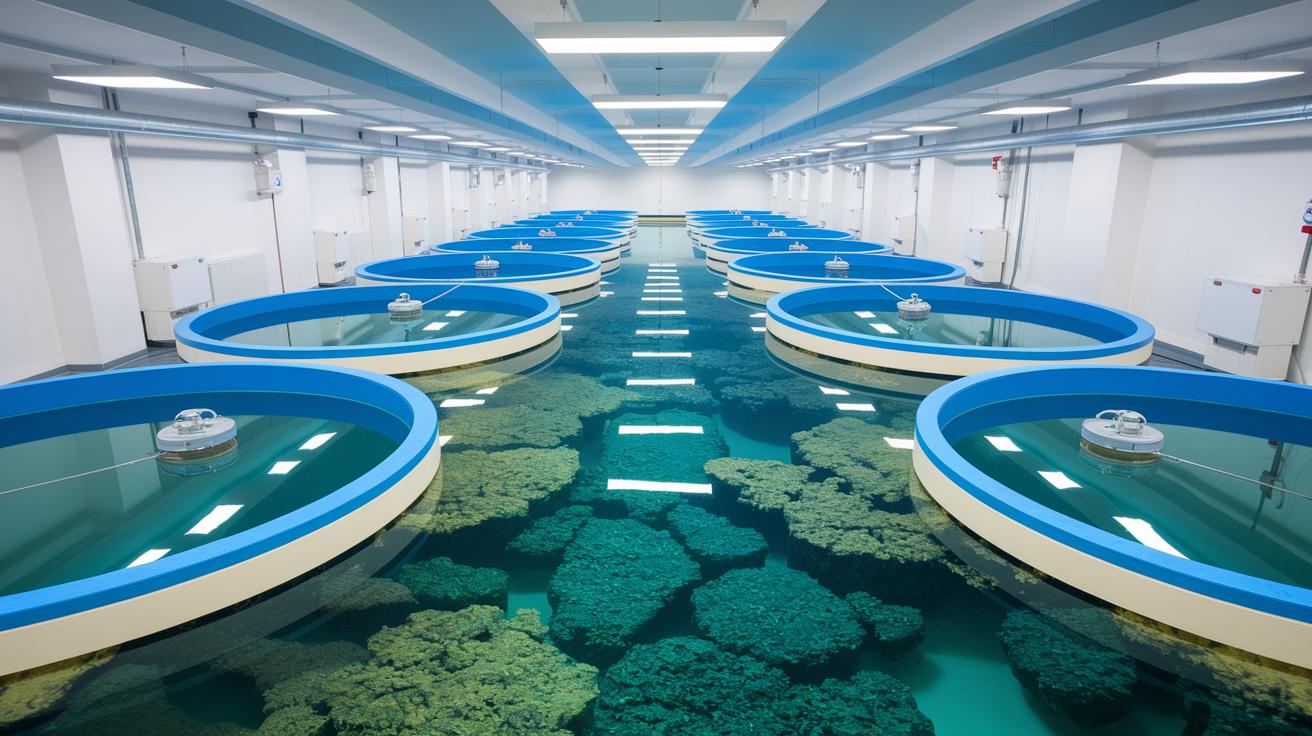
Designing a recirculating aquaculture system means planning every part of the setup to fit what the fish really need. You choose the tank size, shape, and the materials based on the type of fish you’re growing, their different life stages, how many fish you’re keeping, how much water you have, and what your equipment can handle. For example, a tank set up for salmon will look different than one used for tilapia. Think of it like arranging your living room, space, comfort, and the right flow all play important parts.
The main parts of the system are the tanks, pumps, and filters, both mechanical and biological. Many experts suggest using round tanks with a double-drain system. This double-drain works like a clever vacuum, quickly removing solid waste from the water. Doing so not only keeps the water clear but also protects other parts of the system. With less waste in the water, the helpful bacteria in the biological filter can get on with turning harmful compounds into things that are much safer for the fish.
Detailed plans and flow charts are a key part of making sure the system runs smoothly. These drawings help you see how the water moves from one area to the next, much like watching a gentle current flow over smooth stones. Many online guides offer step-by-step diagrams that show how to build and maintain every part of a RAS. They’re a great resource if you’re aiming to create an aquaculture system that’s both efficient and kind to the environment.
Recirculating aquaculture system: Ingenious Tech Insights
In recirculating aquaculture systems, two easy filter methods work together like a well-coordinated school of fish. One type of filter physically scoops up floating bits, while nature’s biofilters change ammonia into softer compounds, much like how a gentle current transforms rough waters. This simple cycle keeps the water balanced with just the right temperature, pH, and oxygen levels.
Emerging Technology Integration
Today, smart sensors and digital automation tools are making waves by keeping an eye on water quality as it happens. Picture a sensor that constantly checks the water’s temperature, pH, and oxygen, then sends a friendly message like, "Temperature steady at 72°F – adjust settings only if a change occurs." Plus, data insights from recent studies help operators see what’s working best, adding a fresh perspective to water management.
Meanwhile, new biofilter designs are truly making a splash. These advanced filters boost the natural process of changing harmful substances, keeping the water crystal clear and supporting robust fish growth. In one study, improved filters even shortened treatment times, a big win for recirculating systems.
| Technology | Insight |
|---|---|
| Digital Automation Platforms | They offer real-time alerts and clear, detailed water reports |
| Advanced Biofilters | They speed up toxin conversion for a faster, cleaner system |
| Sensor Integration | They continuously monitor water data and provide instant feedback |
Sustainability and Closed-Loop Benefits of RAS Technology

Imagine a self-cleaning fish bowl that saves water by reusing almost every drop. That’s what recirculating aquaculture systems do. They recycle up to 99% of the water, letting it swirl through the system time and again, much like the gentle flow of a quiet stream. This smart use of water keeps the environment cleaner by lowering waste discharge and reducing the need for fresh water.
These systems are also kind to energy use. Think of a pump that adjusts its speed just like a thermostat fine-tuning room temperature, working only when needed. This careful control means less energy is wasted, making the system more respectful to nature, just as a calm current respects the rhythm of the ocean.
Key benefits of these closed-loop systems include:
- Less freshwater use
- Lower energy consumption
- Tiny amount of waste discharge
- Eco-friendly operations
Certifications like ASC highlight these positives, showing that smart design and care for our waters go hand in hand. It’s like having an underwater garden where every fish enjoys clear, vibrant water while we take care of our precious planet.
Economic Factors and Cost Analysis for Recirculating Aquaculture Systems
RAS farms may be small in number right now, but they’re making waves by lowering both startup and running costs as more people jump in. As more growers choose this method, equipment prices drop, turning what used to be a pricey investment into a smarter choice. When producers get ASC certification, they often tap into premium markets and earn better prices. Some operators even say that moving to a certified RAS setup helped them fetch a higher price compared to regular systems.
Looking at the numbers, a few cost drivers ripple through every decision. The initial setup, ongoing expenses, and equipment upgrades all play a part. Many farmers now opt for reliable secondhand pumps and filters to keep early costs low, as long as these components can handle the required load, sort of like finding that perfect, time-tested ornament for your aquarium.
Let’s dive into some cost considerations:
| Factor | Description |
|---|---|
| System cost analysis | Weighing the capital investment against potential long-term savings. |
| Pricing trends and evaluation | Keeping an eye on market performance to help boost returns. |
| Considerations for used equipment | Saving money by choosing secondhand components that still perform well. |
| Installation guidelines | Following best practices to steer clear of costly mistakes during setup. |
Planning a RAS setup is a lot like arranging a beautiful aquarium display. Each decision, from initial costs to careful upgrades, helps keep expenses in check while ensuring your operation flows smoothly, even in a competitive market.
Real-World RAS Applications: Case Studies for Salmon, Tilapia, and Shrimp
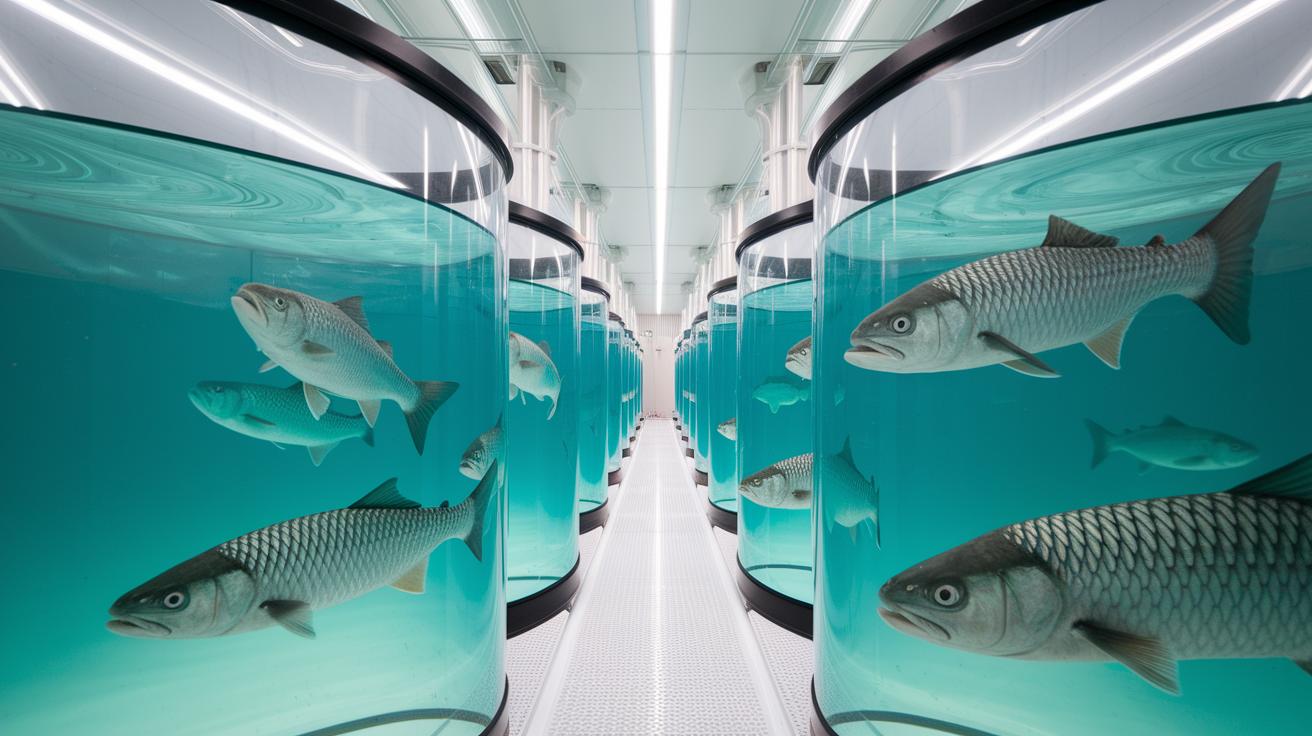
Real-life recirculating aquaculture systems, or RAS, give us a peek into how these modern setups really work. Think of it as watching a lively underwater world where every tank has its own little ecosystem.
For example, some clever farmers now raise Atlantic salmon in places like the U.S. Midwest. They use land-based RAS setups that make inland fish farming possible. One operator even said, "Imagine growing salmon far from the coast, where every tank feels like a mini ocean." This smart method not only brings fresh fish to new areas but also means less need for traditional sea cages.
Tilapia farming is getting a fun upgrade too. Many of these systems use modular RAS units along with moving-bed biofilters, tiny, tireless cleaners that keep the water clear by removing debris. One tilapia farmer noted, "Our system now runs smoother than ever, almost like a perfectly choreographed dance between water and fish." This setup helps boost production while keeping costs low.
Shrimp farming in RAS has also come a long way. Today’s shrimp tanks include tools for keeping the right salt balance in the water and special systems to clear out tiny particles. This careful control is crucial since shrimp need water that feels just right to grow strong. One report shared, "Every drop of water is managed closely, ensuring our shrimp thrive in a nearly perfect environment."
There are annual workshops and demo centers where people can get hands-on experience with these setups. Attendees see schematics and live examples that show how these systems are scaled up to work in bigger, commercial settings. It’s a great way to learn how science meets nature in the world of aquaculture.
Key benefits include:
- Tailored environments for each species
- Improved water quality thanks to special filters
- Proven success in unexpected locations
All these examples show how RAS technology can transform aquaculture, opening up new chances to farm salmon, tilapia, shrimp, and more in different places.
Challenges, Regulations, and Future Directions in Recirculating Aquaculture Systems
Running these systems can feel like trying to keep a school of fish in perfect sway. They use a lot of energy, and getting the nutrient removal just right is a tricky act. Even a tiny slip when clearing out waste can unsettle the fish. One operator even mentioned that when the ammonia levels crept up, it was like the system softly saying, "Hey, check your biofilters!"
The ASC is stepping in with new standards that cover water and energy use, waste disposal, and fish handling. These updates aim to help every farm run smoother by encouraging careful, unique management strategies tailored to their own system.
Scientists are now testing fresh ideas to tackle these obstacles. Some are blending fish farming with plant growing, something called aquaponics, to boost the tank’s performance. Others are using smart sensors that watch the pH, oxygen, and temperature, letting experts adjust things as needed, kind of like fine-tuning a gentle current.
Key factors driving this new research include:
- High energy demand
- Tight nutrient control
- Quick and effective solid waste removal
Innovative biofilter materials are on trial to speed up nutrient conversion. The goal is to clear the water and make life cozier for the fish. These studies are turning today’s challenges into tomorrow’s smart solutions, keeping the whole aquaculture industry on an upward, flowing path.
Final Words
In the action of understanding recirculating aquaculture system fundamentals, we explored design elements, water quality management, and sustainable practices. We discussed economic considerations and saw real-life examples with salmon, tilapia, and shrimp that bring the tech to life. The blog also tackled challenges and emerging trends in system performance. Each part paints a clear picture of creating a balanced underwater world that is both efficient and gentle on the environment. The future looks bright for aquaculture, and every step brings us closer to a thriving aquatic habitat.
FAQ
Q: Recirculating aquaculture system pdf
A: The recirculating aquaculture system pdf typically provides a detailed document outlining design principles, water quality methods, and component functions to guide efficient system setup.
Q: Recirculating aquaculture system diagram
A: The recirculating aquaculture system diagram visually breaks down tank layout, filter placements, and flow schematics, helping users understand how each part contributes to maintaining water quality.
Q: Recirculating aquaculture system design
A: The recirculating aquaculture system design explains how tanks, filtration systems, and water recirculation work together, offering clear insights into optimal setup and operation for healthy fish production.
Q: Recirculating aquaculture system price
A: The recirculating aquaculture system price reflects varying factors like system capacity, component quality, and technological integration, balancing initial investment with long-term operational savings.
Q: Recirculating aquaculture system ppt
A: The recirculating aquaculture system ppt provides a slide-based presentation, summarizing design elements, benefits, and cost aspects to help stakeholders quickly grasp system functionality and advantages.
Q: Best recirculating aquaculture system
A: The best recirculating aquaculture system combines efficient water management, energy-saving features, and robust filtration to ensure sustainable and high-performance fish farming in controlled environments.
Q: Recirculating aquaculture system for sale
A: The recirculating aquaculture system for sale typically includes ready-to-run setups with modern components, making it easier for producers to adopt sustainable techniques for aquaculture production.
Q: Recirculating aquaculture system components
A: The recirculating aquaculture system components involve tanks, mechanical and biological filters, pumps, and control units that work in unison to regulate water quality and maintain a healthy aquatic environment.
Q: What is the advantage of a recirculating aquaculture system?
A: The advantage of a recirculating aquaculture system lies in its ability to recycle water efficiently, reduce waste discharge, and provide precise environmental control for enhanced fish health and growth.
Q: What are the disadvantages of a recirculating aquaculture system?
A: The disadvantages of a recirculating aquaculture system include higher energy requirements, complex nutrient management, and steep initial investments, which call for careful operational oversight to avoid inefficiencies.
Q: How much does recirculating aquaculture systems cost?
A: The recirculating aquaculture systems cost varies based on system size, technology level, and design nuances, with some setups offering lower startup expenses through scaling and used equipment options.
Q: What is the difference between aquaponics and recirculating aquaculture systems?
A: The difference between aquaponics and recirculating aquaculture systems centers on plant integration; aquaponics combines fish farming with plant cultivation, while RAS focuses solely on optimizing water quality for fish.