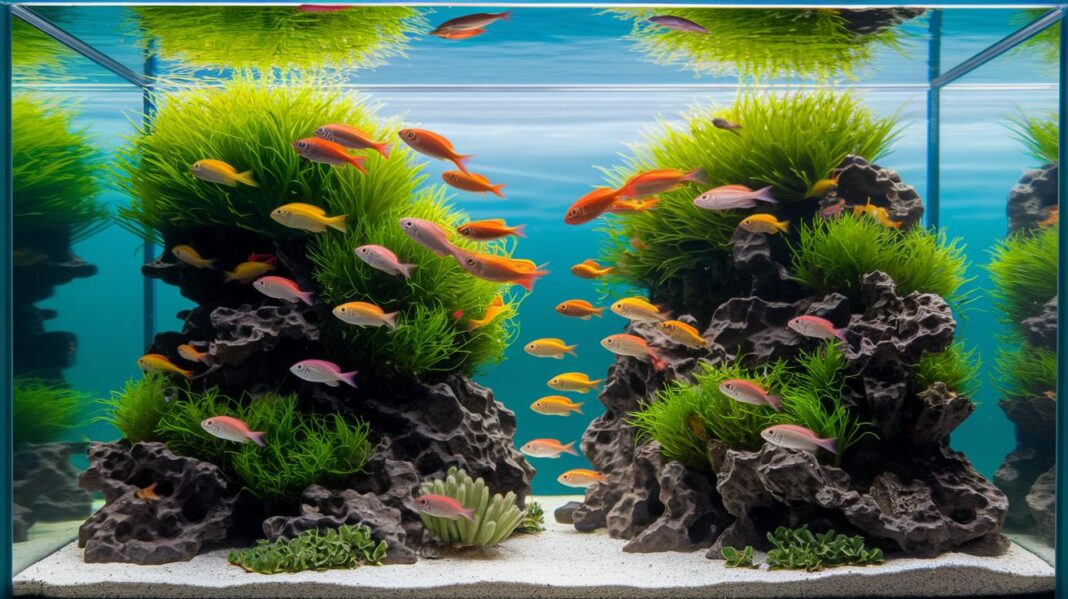

Have you ever thought that a touch of sea-green magic might bring your reef tank to life? Reef aquarium plants do more than just splash in a bit of color. They quietly boost your tank’s well-being by soaking up extra nutrients and cutting back on harmful stuff.
Imagine these plants as gentle helpers, creating snug hideaways for your fishy friends while keeping algae in check. They work like nature’s little caretakers, ensuring your underwater world stays clear and lively.
Keep reading, and we’ll dive into seven top picks to help you add a sparkling, natural vibe to your aquarium.
Achieving a Thriving Reef Aquarium Plant Ecosystem
Imagine live reef aquarium plants as the natural filter of your underwater world. They soak up nitrates and phosphates while giving off oxygen during photosynthesis, a bit like how our favorite streams keep their water clear and full of life. It’s pretty cool to know that, much like a flourishing forest on land, these vibrant green patches can transform harmful chemicals into a healthier home for your aquatic friends.
These plants do more than just brighten up your tank. They provide cozy hideaways for fish and little critters while outsmarting pesky algae by using up extra nutrients. When you pick your reef aquarium plants, see them as both beautiful decor and reliable caretakers for your marine setup. By choosing species that suit your tank’s vibe and your own care style, you might even avoid the hassle of constant trimming and adding extra doses during your busy days.
Taking care of saltwater plants is much like tending a small garden under the sea. You’ll need to keep an eye on the light, water flow, and other important water conditions. Think of it as finding the perfect balance, ensuring the water stays at the right temperature, salinity, and brightness to encourage lush, underwater greenery.
Here are a few handy tips for your aquatic garden:
| Tip | Description |
|---|---|
| Light Levels | Keep an eye on your tank’s lighting to let photosynthesis do its magic. |
| Water Testing | Check the water regularly to spot and fix any imbalances early. |
| Water Flow | Maintain gentle currents to help your plants grow strong and healthy. |
With a bit of care and attention, your reef aquarium plants will quietly keep your tank in balance while boosting the beauty and well-being of your marine ecosystem. Enjoy the process, your underwater garden is sure to thrive!
7 reef aquarium plants for sparkling marine life
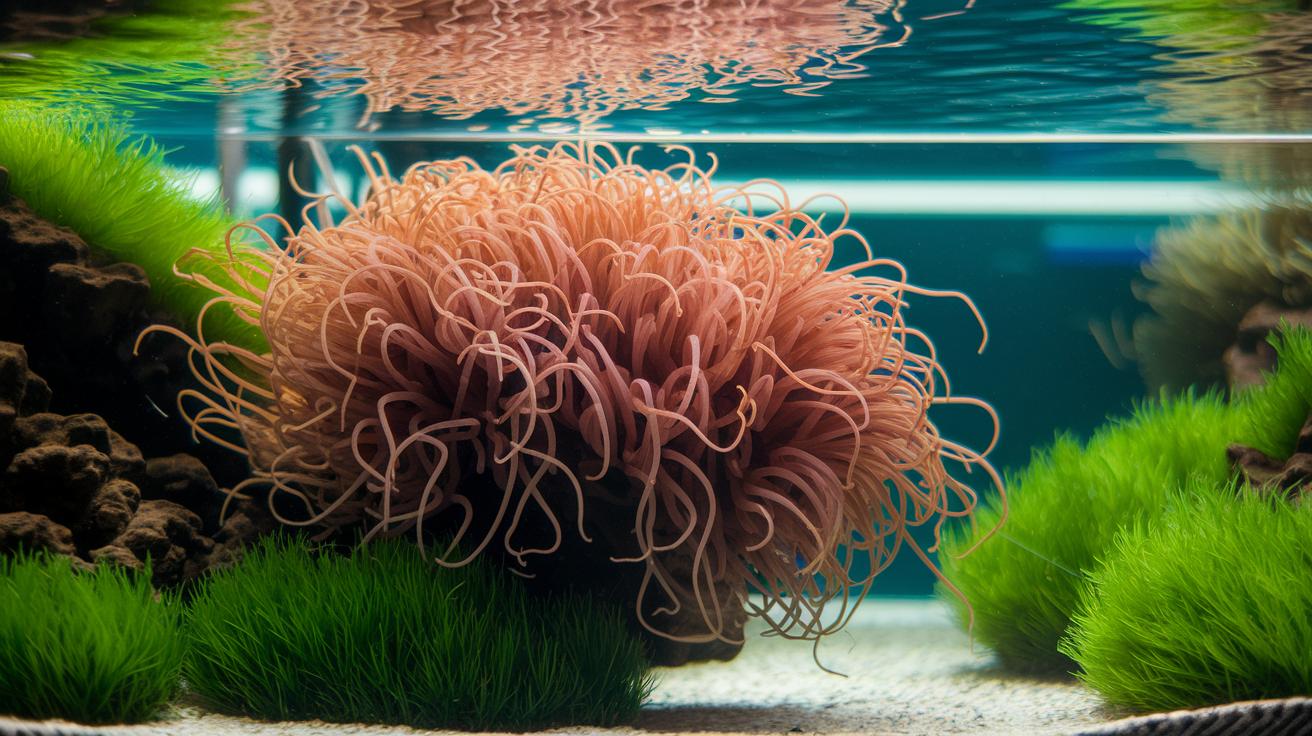
Dragon’s Tongue is a vibrant macroalgae that brings a splash of red and green to your tank. It loves strong water movement and helps keep those ammonia and nitrate levels in check. Imagine its wavy tendrils swirling gracefully in the current like a burst of living art. Just remember, it grows slowly, needs a bit of extra iron, and should be protected from hungry nibblers.
Mermaid’s Fan unfolds like a mermaid’s tail with its large green frond. It prefers fine sand and needs plenty of calcium to thrive. Once it’s well established, it sends out little side branches that offer cozy hideouts for your fish.
Sea Grapes look like tiny beads and grow quickly, working hard to lower nitrates and phosphates in your tank. They need light all day long to stay healthy, making them a great choice for sump tanks or refugiums. Think of them as little pearls that help keep the water sparkling clear.
Red Mangrove stands out with its strong root system that settles well in sandy, gravelly, or muddy spots. Although it grows at a slower pace, its leaves sometimes peek above the water like a miniature tree reaching for the sky. A touch of extra iron and magnesium can really boost its growth and cleaning power.
Spaghetti Algae, or Chaeto, is perfect for beginners. It grows fast and quickly soaks up extra nitrates. Its long, flowing strands add a playful burst of energy to your tank, almost like whimsical strands of spaghetti dancing in the water.
Red Gracilaria is a bold, deep-red macroalgae that not only makes your tank look stunning but also helps maintain water quality while serving as a tasty snack for herbivores.
Rounding out the collection, Sea Lettuce, Turtle Grass Shoots, and Halimeda (often called Money Plant) add a charming touch. These seagrass species lend a delicate, flowering vibe to your reef display and support a lively, diverse aquatic environment.
Optimal Environment and Lighting for Healthy Reef Aquarium Plants
To create a lively reef aquarium, you start by perfecting your water conditions. Keep your water temperature between 75 and 82°F to make sure your fish and plants feel at home, and maintain the salinity around 1.023 to 1.025 SG. Remember, keeping nitrate levels under 5 ppm is key, as low nitrates mean less stress for both plants and marine life. When these numbers are just right, your tank acts like a natural filter, keeping everything bright and clean.
Lighting is another big player in this underwater world. Your macroalgae need a PAR level of 100 to 200 to fuel photosynthesis, just like catching the perfect sunbeam while swimming in clear water. For instance, even the tiniest, bead-like Sea Grapes require constant light to stay strong and intact. It’s almost as if they need a 24-hour spotlight to keep the magic alive!
Water flow also plays a crucial role in your tank’s well-being. Some plants, like Dragon’s Tongue, love a swift current that makes them sway gracefully, almost as if they’re dancing with the water. A good flow helps spread nutrients evenly, ensuring every part of your reef gets a fair share of the goodness.
Don’t forget about minerals, which are just as important as the perfect light or temperature. For example, Mermaid’s Fan relies on calcium levels between 380 and 450 ppm to keep its large fronds sturdy, while Red Mangrove benefits from extra iron and magnesium to boost its cleaning power.
When you balance these elements, light, temperature, water flow, and minerals, it’s like creating a tailored slice of underwater sunshine for each plant. Next, watch as your reef aquarium blossoms into a vibrant, thriving aquatic paradise.
Substrate Choices and Nutrient Management for Reef Plants
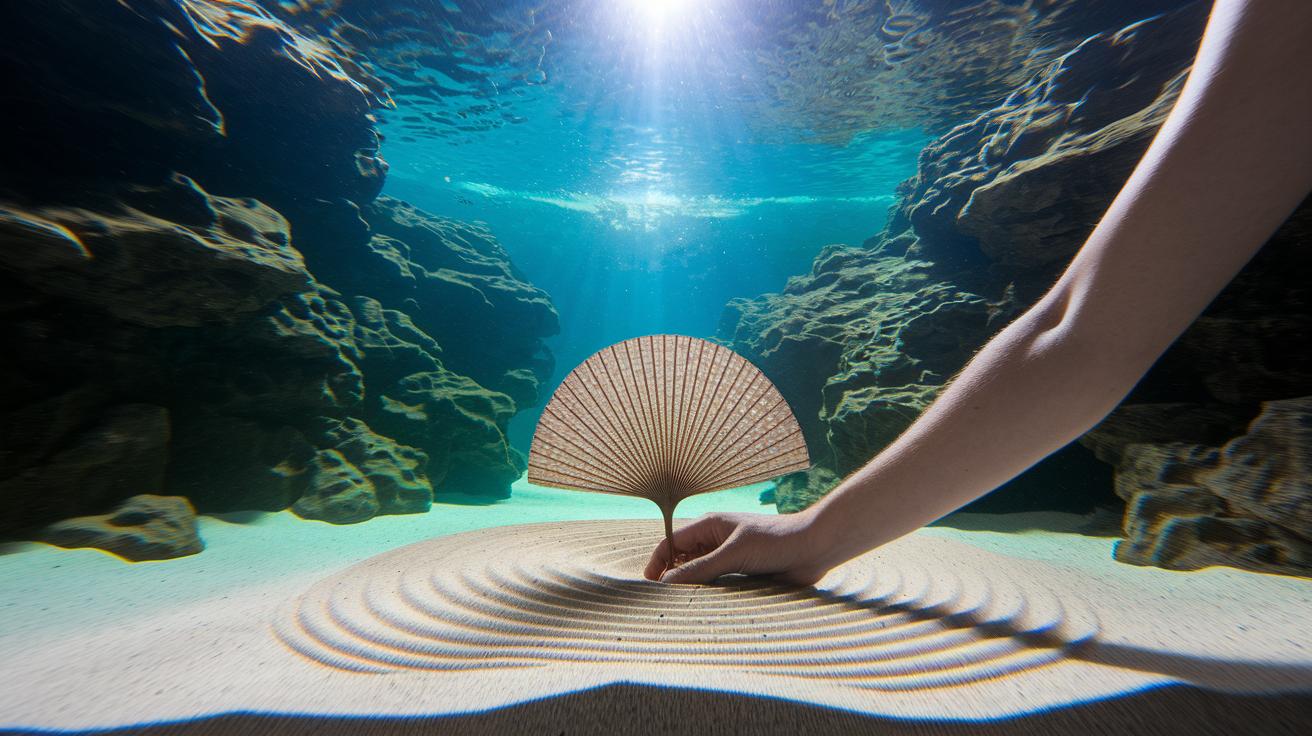
Our care tips already explain what each plant species needs, so here’s a friendly reminder: choose a substrate that feels like home for your plant. Fine sand gives delicate roots, like those of Mermaid’s Fan, a soft and comfy place to grow. A mix of sand and gravel works great for sturdier species such as Red Mangrove since it helps them stay secure. For mangrove seedlings, using mud can really capture the feel of coastal soils.
And don’t forget about nutrients! Adding small doses of iron and magnesium can help plants like Dragon’s Tongue thrive steadily. It’s like a little treat that keeps them growing strong.
With fine sand, you give Mermaid’s Fan a nurturing bed, almost like a gentle hug that helps it spread its fronds with ease.
Propagation and Maintenance Tips for Novice Reef Aquarium Gardening
Start by trying out different ways to help your reef plants grow. One simple option is fragmentation. You can cut a 2–3 inch piece from Chaeto or Gracilaria and stick it onto a rock or some coarse substrate. This lets you watch as new growth emerges and gradually forms its own little group in your tank. Think of it as picking a small tuft of algae and giving it a new home, much like replanting a cherished houseplant.
Next, give Mermaid’s Fan a go by carefully splitting off its side shoots. Plant these runners in soft, fine sand where the tender roots can settle in comfortably. If you’re working with Red Mangrove propagules, bury the base in sand and keep the spot damp so new leaves can start to form. It’s very similar to planting a tiny seedling in a nicely prepared garden bed.
Remember these easy steps:
- Trim your plants every week to keep them tidy.
- Keep Sea Grapes under constant light so they shine like delicate beads.
- Change 10–20% of your water every two weeks to refresh important trace elements.
Regular, gentle care lets your plants grow steadily while keeping your marine garden balanced and lively.
Advanced Troubleshooting for Reef Aquarium Plants
When you’re dealing with those tricky, niche challenges, think of your aquarium as a little underwater world where even tiny ripples matter. Focus on slight changes in water chemistry or odd issues that might not show up in the usual checks. For example, if your Sea Grapes start looking a bit off-color, a small drop in pH might be the culprit. It’s surprising how even a little shift can turn those bright Sea Grapes into a more muted scene.
If your Red Mangrove leaves seem a bit pale despite following your regular iron dosing routine, it might be time to look closer at your pH levels. Even minor shifts can stop the leaves from grabbing the nutrients they need. And if your Mermaid’s Fan isn’t growing as fast as expected, even though your calcium levels are normal, there might be other chemical reactions playing hide and seek in your tank. Using a specialized test kit to check trace element balances can really help shine a light on these hidden issues.
Advanced tips:
- Use a detailed water test kit to check your nutrient balance.
- Keep an eye on pH levels for any tiny shifts that could affect nutrient uptake.
- Look at water flow to make sure nutrients are evenly spread.
- Watch for any strange algae growth as an early sign of trouble.
- Test for trace elements when normal dosing doesn’t seem to work as expected.
Final Words
In the action, we explored the essentials of creating a thriving underwater habitat. We covered picking saltwater flora like Dragon’s Tongue, Mermaid’s Fan, and Sea Grapes. We talked about lighting setups, substrate choices, and simple care tips that support healthy reef aquarium plants. The guide even shared ways to handle common issues so your tank stays clear and balanced. Keep your care routine relaxed and attentive, and enjoy the calming beauty of your aquatic world.
FAQ
What saltwater aquarium plants are good for beginners and reef aquarium plants for beginners?
The saltwater aquarium plants for beginners are relaxed choices like Chaeto, Sea Grapes, and Red Mangrove that are easy to care for. They improve water quality and offer shelter for small tank inhabitants.
What are the best plants for saltwater aquariums?
The best plants for saltwater aquariums include Sea Grapes, Chaeto, and Dragon’s Tongue. They help filter water, absorb excess nutrients, and create a lively underwater scene to support marine life.
What reef aquarium plants can be found for sale?
Reef aquarium plants available for sale often include popular types like Mermaid’s Fan, Sea Lettuce, and Red Mangrove. They boost water clarity and add a natural touch to your tank.
What types of live saltwater plant species exist?
Live saltwater plant species include Dragon’s Tongue, Mermaid’s Fan, Sea Grapes, Red Mangrove, Chaeto, and Red Gracilaria. Each works to enhance water clarity and adds its own charm to your setup.
What should I be adding to my reef tank daily?
Adding daily checks such as proper lighting, water temperature, and slight water top-offs can support your reef tank. Periodic fresh water changes help maintain trace minerals and overall water balance.
What type of plants can survive in salt water besides seaweed?
Plants such as Chaeto, Dragon’s Tongue, and Mermaid’s Fan can survive in salt water besides typical seaweed. They thrive under proper lighting and water flow, helping to maintain a healthy environment.
What is the red stuff growing in my reef tank?
The red stuff growing in your reef tank is likely a red algae, like Red Gracilaria. It often appears when nutrient levels are higher, so balanced lighting and nutrient management can help control its growth.