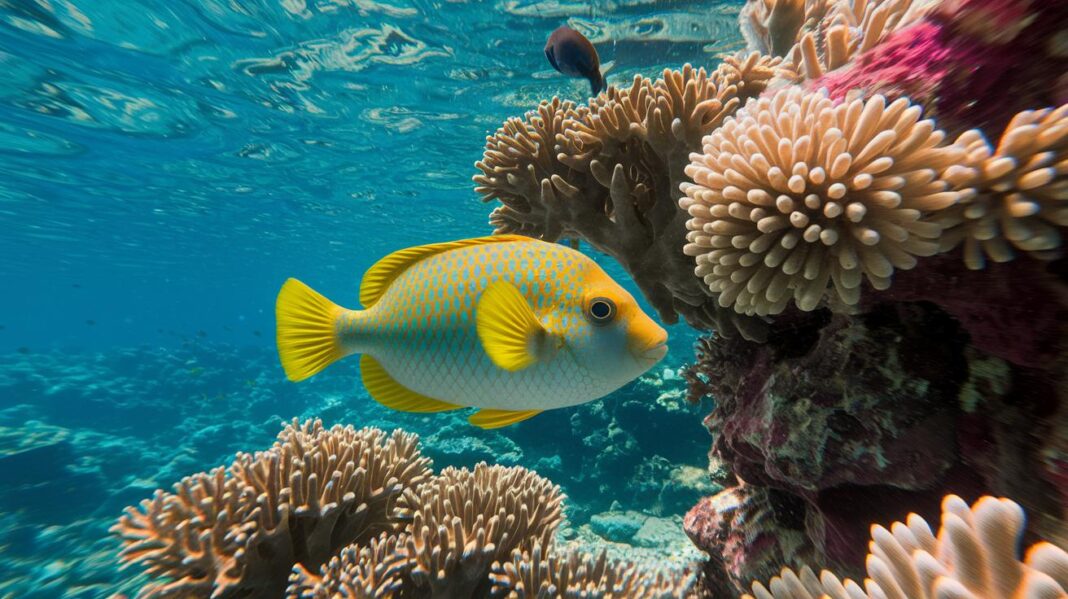

Ever wondered if your reef tank could shine like a sunlit ripple dancing on water? Adding reef-safe puffers is like inviting a playful friend to your underwater world. These little fish, such as the charming Canthigaster leoparda, bring a cheery vibe without disturbing your delicate corals or invertebrates.
They slip in nicely among live rock and soft corals, creating a balanced, harmonious scene that feels like nature’s own water ballet. Imagine your reef transforming into a vibrant haven, where every glance is a refreshing dip into a lively underwater oasis. Dive in and let your aquatic space sparkle with newfound life!
Reef Safe Puffer Fish Brighten Your Reef
These charming puffer fish live happily among live rock, soft corals, and even little invertebrates, all without harming the delicate residents of your tank. One favorite among hobbyists is the Canthigaster leoparda. Many aquarists share that this puffer rarely flutters near corals, making it a prized addition to any reef home.
Interestingly, figure 8 and green spotted puffers also shine when they’re properly eased from brackish water to a full marine setup. When you take the time to acclimate them, these puffers can thrive for up to 12 years. But if you skip this gentle transition, they might only last about 4 years. Wow, right?
Valentini and blue spot puffers can be a bit more unpredictable. Lots of tank owners say these puffers don’t bother the corals at all, yet sometimes you might see them take a tiny nip at soft polyps. This usually comes down to the individual puffer’s temperament and upbringing. Those that have grown up with reef mates tend to be friendlier, while newcomers from general fish stores might need a little extra time to settle in.
So, when you’re setting up your reef tank, think about the puffer’s history and feeding routine. This extra care can help you create a peaceful underwater world that both you and your aquatic friends will enjoy.
Top Reef-Compatible Puffer Species Profiles

Here’s a friendly guide to some key puffers that can thrive in a reef tank. You'll find simple details paired with care advice that help set up a lively underwater home. Think of it as chatting about the gentle ripple of water and the beauty of natural decor. For instance, keep your water steady and create cozy spots by adding natural rocks and plants. One tip: "When you tweak water settings, measure everything as carefully as a chef perfecting a special dish."
| Species | Max Size | Reef Safety Rating | Notes |
|---|---|---|---|
| Canthigaster leoparda (~4″) | ~4″ | High | Rarely nips corals |
| Figure 8 Puffer (~3″) | ~3″ | Medium-High | Needs a bit of brackish water to get used to |
| Green Spotted Puffer (~4″) | ~4″ | Medium | Does best after a full transition to saltwater |
| Valentini Puffer (~2″) | ~2″ | Medium | Shows curiosity towards snails; diet is key |
| Blue Spot Puffer (~5″) | ~5″ | Medium | Sometimes samples coral; might be underfed |
Changing your tank’s conditions can really boost your puffers’ well-being. Maintain stable water chemistry and temperature, and add plenty of natural cover. Live rock setups help create a balanced ecosystem that feels like a natural hideaway. A handy idea: "Set up a small quarantine tank for new fish, giving them time to settle before they join the main community."
Reef Safe Puffer Fish Tank Setup and Water Parameter Guidelines
Start with a big tank, around 400 liters (about 105 gallons), that can comfortably hold soft corals and mushrooms. A tank this size gives your puffer fish plenty of room to swim while also offering natural hideaways with live rock formations. Think of arranging the rocks like you would plan a little garden: they help create cozy corners for feeding, resting, and a bit of play.
Keeping your water clean is super important. Try to maintain a steady salinity between 1.023 and 1.025, a temperature of 75 to 82°F, and a pH between 8.1 and 8.4. These gentle conditions help your puffers feel at home and can stop them from getting stressed and nibbling on your corals. It’s like setting up your perfect cozy room, only with bubbles and a touch of salt.
A strong protein-skimming filter is a real game changer. This tool works hard to sweep out unwanted organic bits, leaving your water sparkling clear and safe for both puffers and corals. Imagine your protein skimmer as a trusty cleaner, busy every day making sure the tank stays fresh.
Regularly checking your water quality, temperature, and salinity is key to spotting any surprises early. A quick daily look can catch small shifts before they turn into big problems. For more handy tips on routine care, be sure to visit the guide on Challenges and solutions for aquarium ecosystem balance.
Also, keep an eye on how your puffers behave. Watching them interact with their surroundings can tell you a lot about their comfort. Try spending a few minutes each day observing them, little changes in their behavior can be a gentle nudge that something’s off. You can find more insights at Monitoring fish behavior to assess aquarium ecosystem health.
With regular care, your tank will thrive as a lively underwater world where every creature finds its special spot.
Nutritional Requirements and Dental Care for Reef Puffers
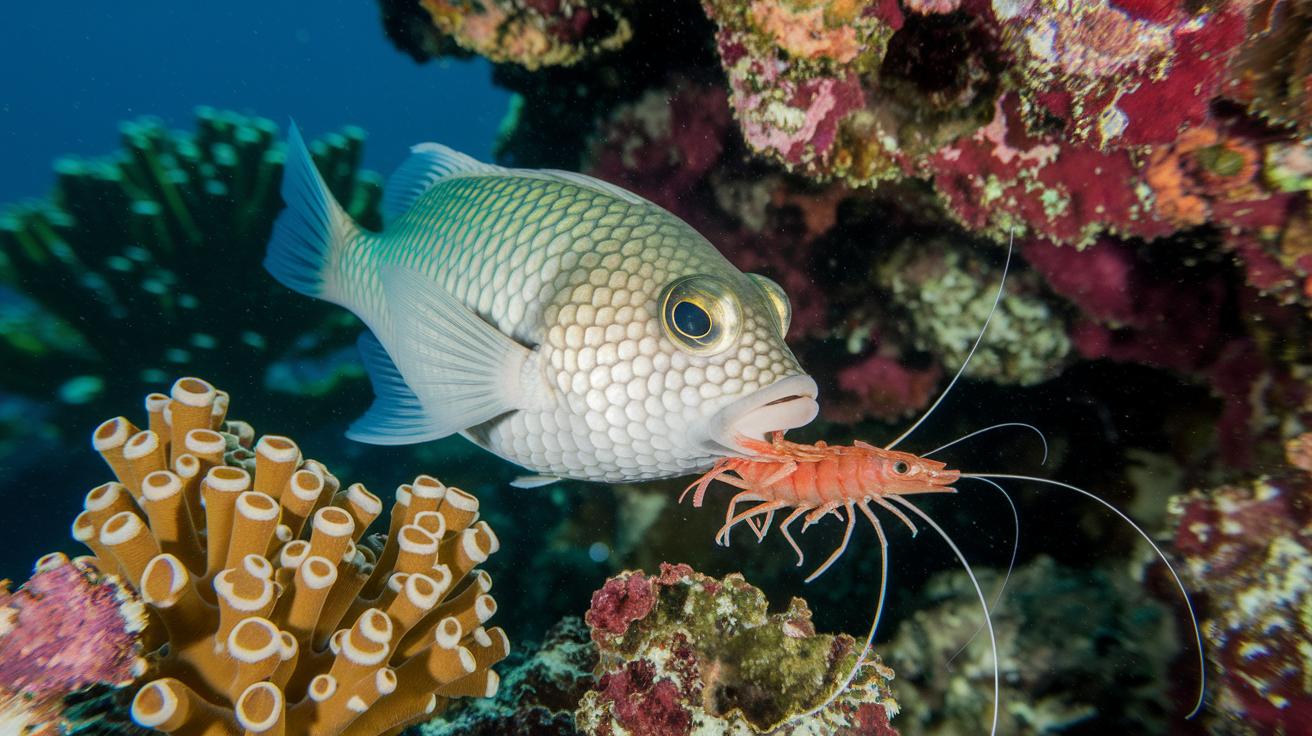
Puffer fish need a mix of different foods to stay strong and keep their beaks in good shape. Feeding them hard-shelled treats like krill, shrimp, clams, and nori works like a natural file, gently wearing down their ever-growing beaks. Imagine a puffer happily crunching on a piece of shrimp, keeping its beak trimmed and leaving your soft corals alone.
Serving them a hearty marine meal at least once a day is really important. A balanced diet gives them the nutrients they need and helps prevent them from getting too curious with your live coral polyps. Think of it as preparing a little seafood lunch box, filled with tender mollusks and crisp nori that is both colorful and satisfying.
Keeping a regular feeding schedule not only supports good dental care but also boosts the puffer’s overall vitality. When they crunch on hard foods every day, there’s less chance they’ll start nibbling on the delicate reef inhabitants. Paying close attention during mealtime lets you know if their diet is just right or if it needs a little tweak to keep that lively underwater scene in top shape.
Coral Interaction and Behavioral Insights for Reef Safe Puffers
When it's time to feed your puffer, keep a close watch. If you catch it taking many little nibbles instead of one smooth bite, it might be giving you a gentle hint that it’s stressed or needs a slight change in its diet. I've seen similar signs before, and noticing these small actions can really help adjust care to keep your fish happy.
Puffers that come from reef backgrounds usually have an easier time around corals. For example, you might see one giving a curious look at a snail before settling down for a meal. These simple gestures can be as soothing as watching the soft ripple on water, and they guide you in making thoughtful tweaks to their environment.
Here are a few friendly tips to help your puffer enjoy a calm feeding time:
- Look out for tiny, repeated nibbles during meals because that could be a signal of stress.
- Offer a mix of hard-shelled foods to ease any aggressive habits, much like adding a spark of variety to a familiar meal.
- Always consider whether your puffer is reef-raised, as these fish generally show more peaceful interactions with their corals.
| Origin | Behavioral Insight |
|---|---|
| Reef-Reared | More relaxed with corals |
| Mixed Tank | May display increased curiosity and nipping |
Buying and Introducing Reef Safe Puffers to Your Aquarium
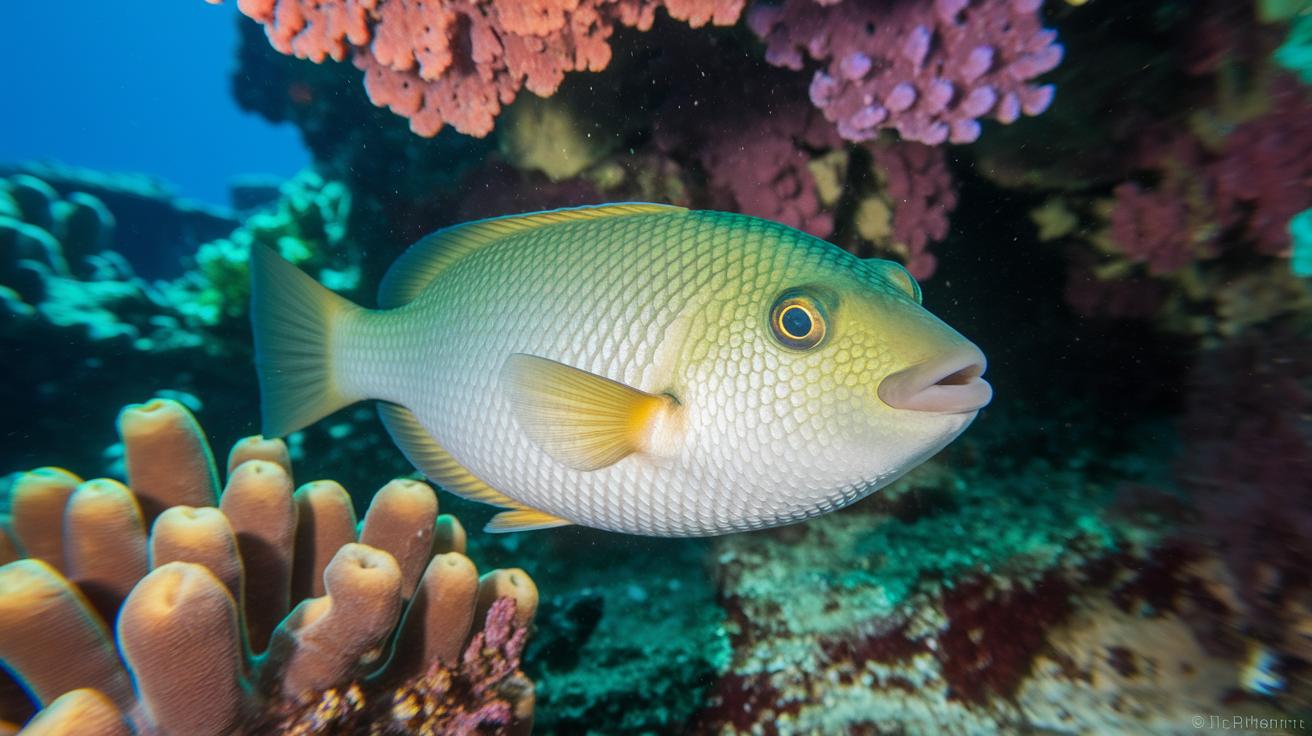
If you're on the lookout for puffers that naturally get along with corals, choose ones that have been living among these vibrant reef mates. Many aquarium enthusiasts say puffers raised with live rock and soft corals tend not to nip, making them a smart pick if you're just starting your reef tank. When a puffer comes from a peaceful tank full of colorful corals, it's already used to that calm, reef-like vibe.
Before welcoming your new friend home, make sure it’s healthy and well-fed. A plump, active puffer is like a ray of sunshine in your tank, settling in more smoothly and keeping stress, and unwanted coral nips, to a minimum. It’s best to get your fish from trusted sources like ethical breeders or reputable local stores where tank mates thrive together.
Here’s a simple checklist to help guide you:
| What to Check | Why It Helps |
|---|---|
| Lives with corals | Shows it’s used to the reef environment |
| Active and well-fed | Indicates good health and readiness |
| Able to shift from brackish to marine water | Makes acclimation easier |
| Solid health history and reef-friendly background | Builds trust in its behavior around corals |
By following these easy steps, you're setting the stage for a smooth, stress-free transition that can help your puffer thrive in your reef for 10 to 12 years. Ever notice how a calm aquarium can feel like a gentle, soothing tide on a busy day?
Final Words
In the action, we discussed various puffer species and their unique traits for creating a calm underwater space. We looked at tank setup, water guidelines, and feeding practices that help reduce coral nipping. We even shared useful tips to handle different behaviors making it safer for your reef setup. Keeping balance in your aquarium encourages vibrant life, so your pet and corals both flourish. Enjoy watching your reef safe puffer fish thrive in a peaceful aquatic home!
FAQ
Are there any puffer fish that are reef safe?
The reef safe puffer question shows that some species, like Canthigaster leoparda, earn a reputation for minimal coral nipping, making them better choices for reef setups when sourced from trusted reef-housed populations.
Can you keep a puffer in a reef tank?
The possibility of keeping puffers in reef tanks is real if you select species known for reef compatibility and maintain stable water conditions with proper filtration and regular monitoring for stress-related behavior.
What is the safest puffer fish for reef aquariums?
The safest reef aquarium puffers are typically those like Canthigaster leoparda, which show high reef safety ratings and rarely disturb soft corals and invertebrates when properly cared for.
What is the easiest saltwater puffer fish to take care of?
The easiest saltwater puffer care tips highlight the Figure 8 puffer, which adapts well from brackish to full marine environments and tends to display a stable temperament in properly set up reef tanks.
What should beginners know about reef safe puffers?
The reef safe puffers guide for beginners suggests choosing species already acclimated with corals, maintaining proper water conditions, and offering a varied diet with hard-shelled foods for dental wear, all to reduce coral nipping.