
Ever wonder how fish keep their family going in that hidden inner world? Inside these gentle water creatures, special organs work in ways that are both surprising and important.
Boy fish release countless tiny swimmers, while girl fish send out hundreds or even millions of eggs, turning the water into a lively stage for new life. And sometimes, the whole process happens right inside the mom's body. Today, let's dive into these cool methods and see how fish reproduction creates underwater magic.
Comprehensive Overview of Fish Reproductive Organs
Fish are truly amazing, and their inner organs play a big role in making new life. In most species, the males have paired testes that produce sperm, while the females carry paired ovaries that form eggs. Think of it like a bustling underwater festival where a female can release hundreds to millions of eggs and the sperm joins the party, all out in the open water. This way of external fertilization helps many species keep their legacy alive.
But not every fish follows that same path. Some species use internal fertilization, where the magic happens inside the female's body, sometimes even leading to live births. And a few fish have even developed extra features on the outside to support their special mating dances, even though the main organs keep to the inside.
The setup of these reproductive organs paves the way for many unique mating methods. Whether it’s the free, flowing release of eggs and sperm in open water or the more controlled process inside, each method has a part in the grand cycle of life. Looking at these systems gives us a peek into the fascinating world of fish reproduction and reminds us of the incredible diversity swimming in our waters.
Female Gonadal Architecture and Egg Development in Fish
Fish ovaries are like special underwater factories. They not only make eggs but also help decide how many eggs a female will eventually release. Inside these organs, egg cells, called oocytes, go through three main stages. First, they start as primary oocytes, then they collect nutrients as vitellogenic oocytes, and finally, they become mature eggs ready for fertilization. This egg-making process is a core part of fish reproduction and can differ a lot from one species to another. In smaller fish, you might see just hundreds of eggs, while larger species can produce millions. Most of the time, fertilization happens outside the fish. Eggs float into the water and meet sperm, though a few species use internal fertilization or even ovoviviparity, where the eggs hatch inside the fish.
Ovary Morphology
Mature fish ovaries often show off two lobes, one on each side of the body. Each lobe is made up of layers of tiny sacs that wrap around the developing eggs. A steady flow of blood acts like a delivery service, bringing essential nutrients to help these eggs grow. Meanwhile, the connective tissue holds everything together like the sturdy frame of an underwater home, ensuring a safe and nurturing environment for every budding life.
Oogenesis and Gametogenesis
The journey from a tiny oogonium to a fully developed egg is known as oogenesis. It begins when oogonia multiply and start a special cell division called meiosis to form primary oocytes. Next, these cells collect nutrients, as if adding the perfect ingredients, to become vitellogenic oocytes. Finally, with all the right elements in place, mature eggs emerge, ready for fertilization. Think of it like baking your favorite treat: you start with simple basics, add your special touch, and end up with something truly delightful.
| Egg Stage | Description | Typical Egg Count per Female |
|---|---|---|
| Primary Oocytes | Early-stage cells beginning meiosis | Hundreds in small species |
| Vitellogenic Oocytes | Cells accumulating yolk and nutrients | Thousands in moderate species |
| Mature Eggs | Fully developed, ready for fertilization | Millions in large species |
Male Gonadal Anatomy: Testes and Sperm Production
Fish testes are like busy underwater workshops, where sperm are made in special tubes called seminiferous tubules. When the water warms up and the days grow longer, these cues spark a process called spermiation, where ready-to-go sperm meet the eggs floating in the water.
In many bony fish, known as teleosts, the design of the testes is streamlined to produce a burst of sperm at just the right time. It’s a neat, natural show, much like an underwater fireworks display where every spark of sperm finds its moment.
On the other hand, cartilaginous fish like sharks and rays go about things a little differently. Their testes have special ducts that create a careful, controlled setting for sperm to grow and mature. Actually, some sharks use these unique ducts to give their sperm a safer, guided environment, which stands in sharp contrast to the free-spawning strategy seen in many bony fish.
Both groups of fish tune into the natural signals around them, adapting their reproductive methods to fit their way of life. Whether it’s the quick, synchronized release in teleosts or the careful, internal process in cartilaginous fish, each method shows how wonderfully diverse and fascinating fish reproduction can be.
Fertilization Strategies: External vs Internal in Fish
External Fertilization Mechanisms
Many fish let their eggs and sperm float into the water, a method we call broadcast spawning. It’s like watching a beautiful, chaotic swirl of life where chance plays a big role. Some fish, though, build a little nest to hold their eggs instead. They then mix the eggs and sperm in a cozy spot. There’s not much care after the mix, much like tossing ingredients into a bubbling stew and letting nature take its course.
Internal Fertilization Methods
On the flip side, creatures like sharks, rays, and certain livebearing fish take a different route. They use special parts called claspers to deliver sperm safely inside the female. Once fertilization happens, the eggs stay inside, and the young develop there until they’re ready to swim out on their own. This method acts like a snug nursery, protecting the little ones from harsh conditions until they’re strong enough to thrive.
| Fertilization Mode | Description | Example Species |
|---|---|---|
| External | Eggs and sperm are released into water through broadcast or nest spawning | Many teleosts |
| Internal | Sperm is delivered via claspers and embryos develop inside the body | Sharks, rays, livebearers |
Hermaphroditism and Reproductive Diversity in Fish
It’s amazing how some fish can change their gender over time. They start life as one sex and then, depending on how their group is set up or what’s happening around them, they switch roles. This clever trick is called sequential hermaphroditism. One type, protogyny, sees a fish begin as a female and later turn into a male. The other, protandry, is when a fish goes from being a male to a female. Imagine a bustling reef where a fish steps up to fill in for a missing dominant role, it’s nature’s way of keeping the community balanced.
Both nature’s genes and signals from the environment mix together like the perfect blend of ingredients for a thriving underwater world. These changing roles help fish adjust smoothly when their social setting or habitat shifts. It’s a simple yet smart survival tactic that supports not just one fish, but the whole aquatic family.
Spawning Cycles and Mating Behaviors in Fish
Fish time their reproduction just like the gentle ebb and flow of water. Many follow nature’s own seasonal or moonlit rhythms, where a warm day or a change in light tells them it’s time to spawn. It’s a lot like a farmer who knows when to plant crops once the weather warms up.
When it comes to courtship, fish really put on a show. They might flash bright colors, spread their fins in graceful displays, or even build little nests to keep their eggs safe. Some even use soft sounds, almost too quiet for us to notice, to let each other know they’re ready to mate. Imagine a fish dazzling in vibrant hues, dancing around like it’s starring in its own underwater performance.
It’s super important for fish to release their eggs and sperm at the same time. When they do, fertilization has the best chance to happen, like a perfectly timed orchestra where every player joins in at just the right moment. Many coral reef and freshwater fish work in perfect harmony, ensuring every egg gets its chance to meet sperm.
All these carefully planned spawning events, lively mating dances, and well-timed gamete releases show how fish truly make the most of their watery world. They trust their instincts, listen to nature’s signals, and coordinate their moves to keep their species thriving.
Hormonal and Environmental Regulation of Fish Reproduction
Fish reproduction is guided by a mix of hormones and natural cues. The pituitary gland, which sits close to the fish's brain, sends out signals called gonadotropins. These tell the gonads to start making eggs or sperm. At the same time, sex steroids from the gonads work together with these signals to help eggs and sperm grow. Ever notice how as water warms and days grow longer, it feels like nature is giving fish a gentle nudge?
Temperature and sunlight are key clues from the environment. When water gets warmer and the days stretch out, it's a sign that conditions are just right for breeding. Think of it as nature setting the stage for a perfect underwater show, making sure fish have the best chance for their offspring to thrive.
Sometimes, however, pollution can upset this balance. Harmful chemicals found in dirty water, called endocrine disruptors, can interrupt these important signals. Even a small amount of these disruptors can throw off the careful process of egg and sperm development, which might lead to fewer fish reproducing successfully.
In this delicate dance, both the hormones and the environmental cues work like skilled conductors of a beautiful underwater orchestra. Their combined influence ensures that fish continue to flourish in their aquatic homes.
Aquaculture Techniques for Controlled Spawning in Fish
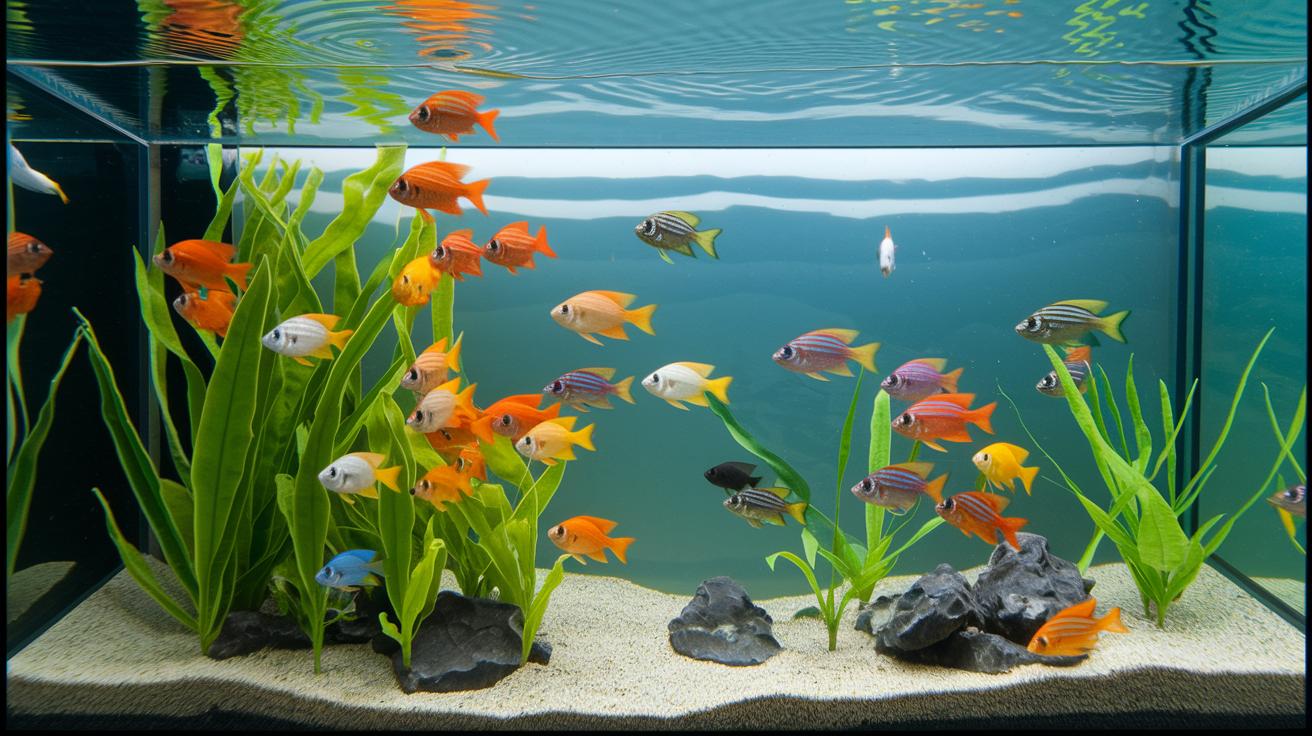
If you run an aquaculture farm or keep fish at home, controlled breeding can be a game changer. It helps boost reproduction while giving baby fish, or fry, a safer start. One way to do this is by using hormone injections, like GnRH analogues, which gently encourage fish to release eggs and sperm at just the right moment. Think of it like nudging your fish into a well-rehearsed ballet performance.
Next, setting up the perfect tank is key. By keeping a close eye on water temperature, salt levels, and light cycles, fish breeders recreate nature's own recipe for spawning. It’s a bit like preparing a stage for an underwater show, every small detail, from the gentle ripple of water to the soft glow of lighting, plays a role in the big performance.
In essence, controlled breeding in a well-managed tank not only makes sure fish know when to spawn but also helps cut down on eggs and fry loss compared to wild conditions. Each careful tweak in the environment helps every egg and fry have the best possible start in life, just like nurturing a small garden to bloom in its full beauty.
Final Words
In the action, we swam through an overview of the reproductive organs of fish, exploring everything from ovary and testis structure to how eggs and sperm meet in water. We also shared insights on mating behaviors, spawning cycles, and aquaculture techniques that carefully mimic nature. Each section builds a simple yet clear picture of how fish create new life. Keep caring for your aquatic pets and enjoy the natural pulse of your underwater world.
FAQ
What does “Reproductive organs of fish pdf” mean?
The phrase “Reproductive organs of fish pdf” refers to a downloadable document that shows clear diagrams and simple explanations of fish gonads and how they work, making it handy for quick learning.
How do fish reproduce sexually and what is their reproductive mode?
The process of sexual reproduction in fish means that females lay eggs and males release sperm, usually meeting in water for external fertilization, though some species use internal means.
What are the reproductive organs of a fish and what organs help fish reproduce?
A fish’s reproductive organs include its paired gonads—testes in males producing sperm and ovaries in females producing eggs. These organs are key players in producing offspring.
Do fish have both reproductive organs?
Most fish have clearly separate reproductive organs based on sex, while some species are hermaphroditic, enabling them to produce both eggs and sperm during different life phases.
What does a male fish reproductive system diagram show?
A diagram of a male fish reproductive system usually illustrates paired testes with seminiferous tubules that produce sperm, along with ducts and other supporting structures found in different species.
How is the fish reproductive system depicted in diagrams?
Diagrams often label the internal gonads, outlining ovaries and testes, alongside other related structures, providing a visual map that clarifies how fish reproduction is organized.