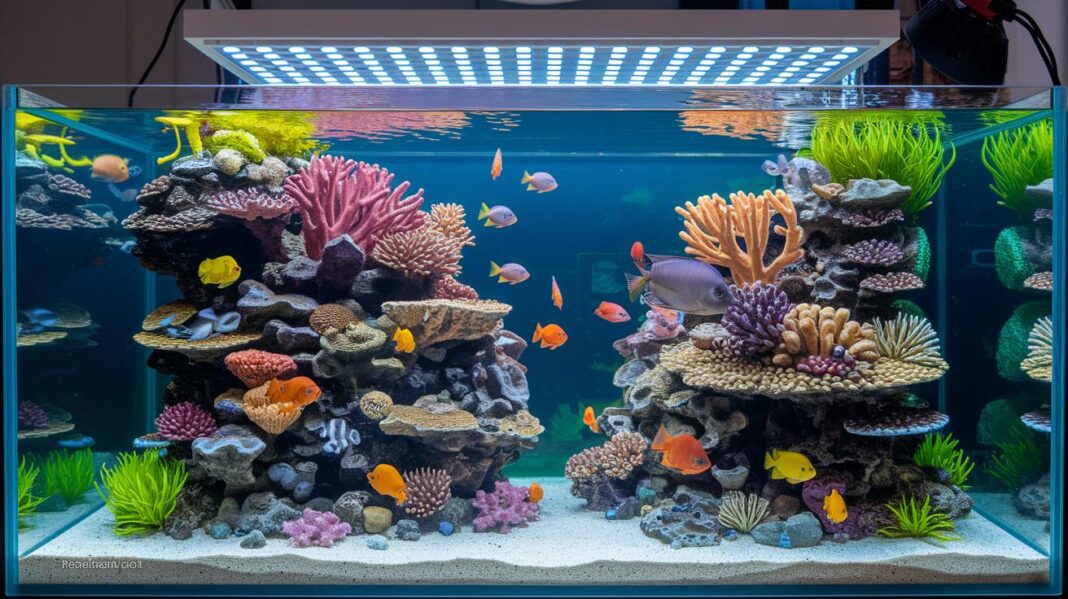

Ever wondered if your aquarium could become a living piece of art? Saltwater aquascaping turns your tank into a swirling underwater world where every rock and coral has its own special role. It’s like creating a mini seascape that’s not only gorgeous but also a cozy home where your fish can thrive. In this post, we’ll chat about simple ways to arrange your tank so it looks great and stays balanced, supporting healthy life while sparking your imagination.
Essential Principles for Saltwater Aquarium Aquascaping
Saltwater aquarium aquascaping lets you design a lively underwater world that looks stunning and supports healthy life. Picture setting up your tank like a living seascape, where every rock and coral adds its own touch to the natural dance of water and light. Each piece reminds you of a garden carefully arranged to keep everything in balance.
There are two main ways to set up your tank. One approach is all about the corals, making sure they have just the right spot with steady rocks for great light and water flow. The other method is fish-friendly, creating open swimming spaces and cozy zones so your fish can show off their natural moves and feel less stressed. Both plans help guide water currents and nutrients to all parts of your underwater home.
Rock stability is key to a thriving aquascape. Using top-quality, saltwater-safe epoxy that hardens like concrete is a must, especially when you’re building overhangs, caves, or rock arches. Experts like Michael Paletta, who has spent over 40 years with reefs, say that a strong foundation not only supports coral growth but also keeps the whole ecosystem in tune. When every rock is placed with care, it holds up against busy fish and regular cleaning while letting water glide gracefully through the tank.
Substrate Layering in Saltwater Aquarium Aquascaping
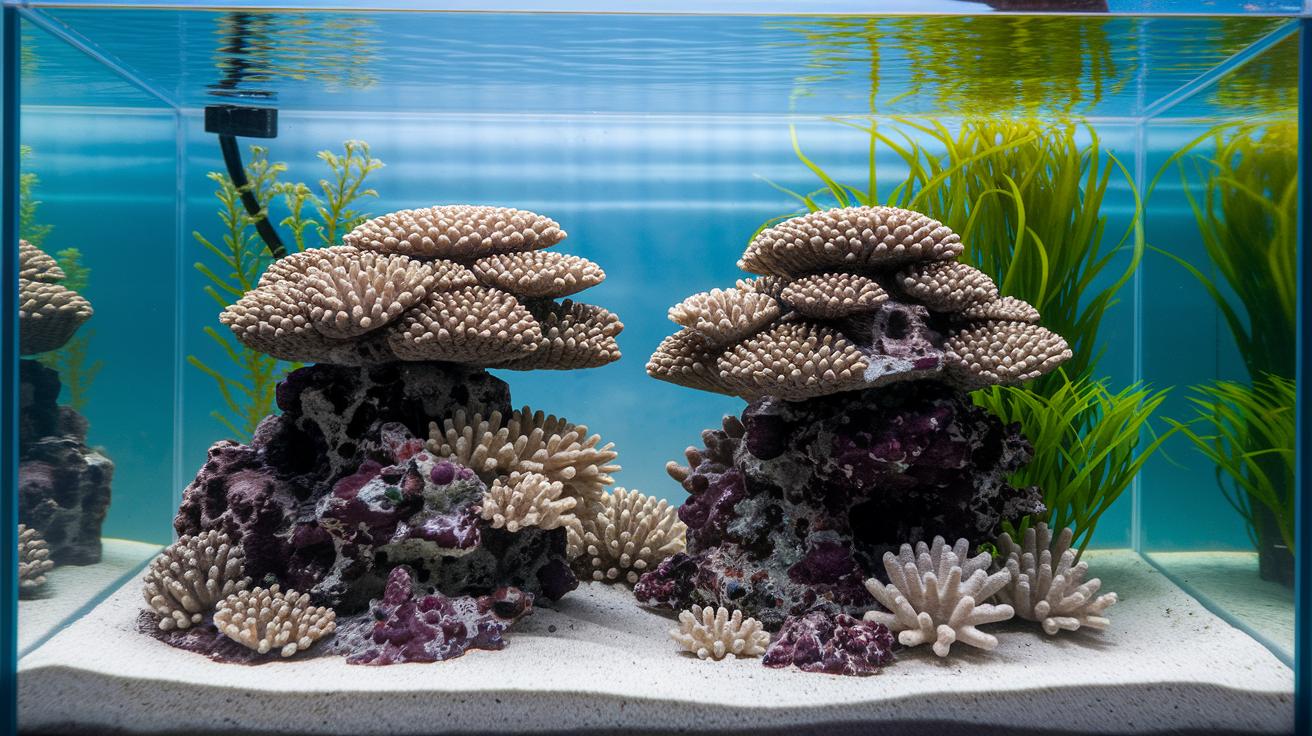
When you pick the right substrate for your saltwater tank, you're setting up a cozy home for your little bottom-dwellers like jawfish and sand-sifting gobies. A proper substrate not only holds nutrients that feed good, helpful bacteria but also keeps the water moving so that no stagnant pockets form where gunk might settle. It’s a bit like arranging a garden where each soil layer plays a unique role. Imagine it: every layer works together to support solid coral roots and happy fish behavior.
A step-by-step layering method works best here. Start with a coarse base, using things like crushed coral to build a sturdy foundation for your tank. Next, spread a fine sand cap, reef sand is a popular choice, as it helps to smooth out water flow and boost natural filtration, which, in simple terms, means cleaning the water as it moves. This smart layering stops the substrate from packing tightly, letting water meander through and giving your bottom-dwellers a perfect place to explore and find food. In truth, this graded approach creates an environment that feels as naturally refreshing as a sandy shore washed by gentle waves.
Technical Rock Positioning for Saltwater Aquarium Aquascaping
Rock positioning in your saltwater tank is like creating a little underwater landscape that feels both secure and beautiful. When you arrange your rocks with care, it not only adds a striking look to your tank but also helps the water move smoothly, cuts down on unwanted debris, and stops any dead spots that might give algae a chance to grow. Plus, a well-built rock setup makes cozy corners for your fish and gives your coral a healthy home.
Start by using a broad, flat rock as the foundation, it’s like laying down a strong base for a sandcastle. Next, stack your larger rocks first and use a saltwater-safe epoxy for a solid bond. Make sure to leave little channels between rock piles so that the water keeps flowing refreshing streams throughout your aquarium. As you build, mix in overhangs and caves while balancing the weight, sort of like building a mini fortress.
Before you put everything in your tank, test your setup outside to be sure it’s steady. If you’re on a budget or just practicing, try out “Marco Rocks” dry rock, which is both affordable and fun to work with.
| Step | Action |
|---|---|
| 1 | Lay a broad, flat rock as your base |
| 2 | Stack larger pieces first, bonding them with saltwater-proof epoxy |
| 3 | Leave channels between rock formations for good water flow |
| 4 | Create overhangs and caves, keeping weight balanced |
| 5 | Test the stability outside the tank before final placement |
| 6 | Try using “Marco Rocks” dry rock for an inexpensive build practice |
These tips show that sometimes less really is more, a few large rocks can be more effective than many small ones. For example, one 225-gallon tank used about 100 lbs of live rock arranged into two islands, which opened up a central channel to boost water flow. That means fewer tricky spots to clean and clear paths for fish to swim. In truth, a strong rock structure is the key to a thriving tank, ensuring that both your coral and fish enjoy a lively, well-balanced aquatic world.
Strategic Coral Arrangement in Saltwater Aquarium Aquascaping
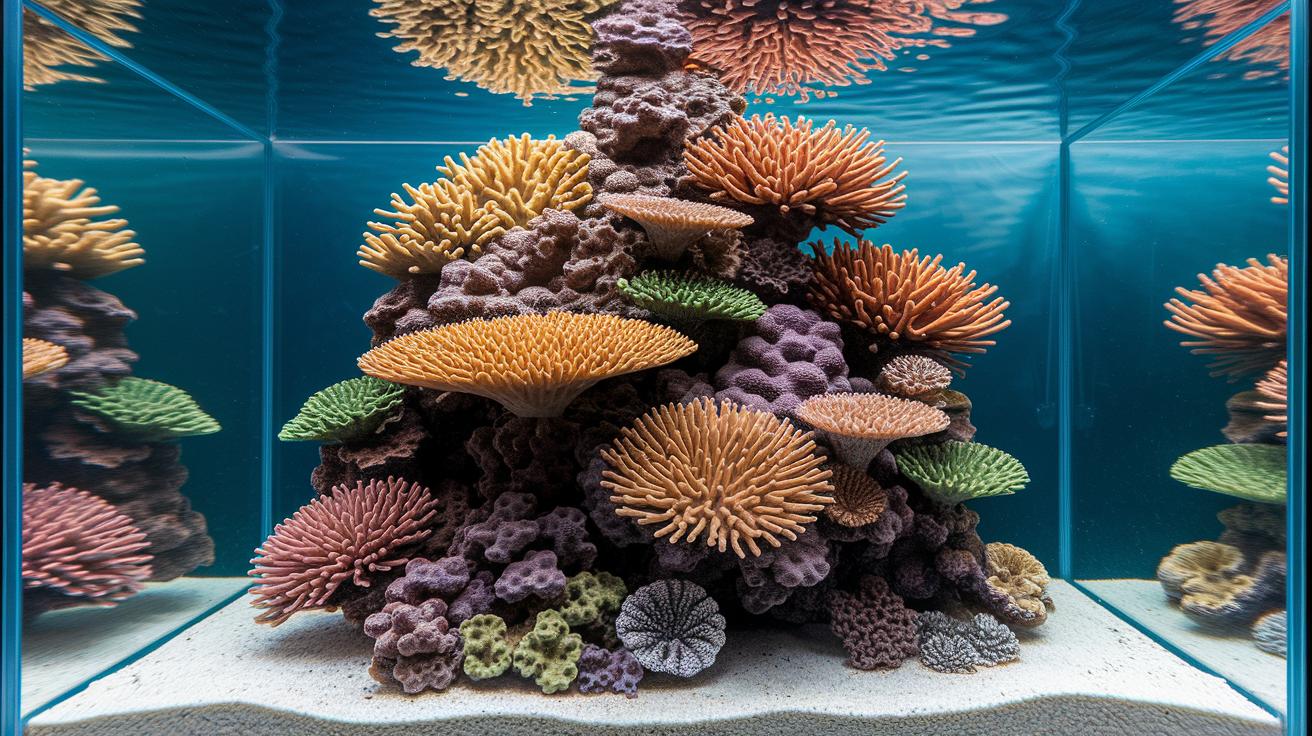
If you're setting up a saltwater tank, think of arranging your corals like placing different shells along a sandy beach. Each coral type has its own style, they love different light and water movements. By zoning your tank, you give each coral exactly what they need while creating a beautiful underwater scene.
Place your SPS corals like Acropora and Montipora near the top. They enjoy the bright light and stronger water that feels like the crashing waves on a busy shore. Meanwhile, LPS corals such as Euphyllia, Favia, and Acanthastrea do best in the middle or lower parts where the lighting is softer and the water flows gently. Soft corals like zoanthids, mushrooms, and leathers are happiest in areas with lower light and calm, quiet water. This thoughtful layout helps deliver nutrients to all areas, cuts down on debris, and gives each coral plenty of room to grow.
| Coral Type | Ideal Placement | Light (PAR) | Flow Requirements |
|---|---|---|---|
| SPS Corals | Upper tank regions | High | Strong, turbulent |
| LPS Corals | Mid to lower rockwork | Moderate | Smooth, gentle |
| Soft Corals | Lower zones | Low | Calm |
Mixing these zones isn't just smart, it brings more life and variety to your tank. When you set up different areas, from high-energy spots that suit SPS corals to peaceful nooks perfect for softer species, you're crafting an environment that feels both natural and artful. And really, there's something magical about watching your underwater garden flourish as you give each coral a slice of ocean bliss.
Lighting Optimization in Saltwater Aquarium Aquascaping
Lighting in your reef tank is super important for keeping your corals healthy and helping them grow. The mix of blue and white light mimics natural sunlight, which is like fuel for your corals to perform photosynthesis (that’s just a fancy way of saying they use light to make energy). One measure to note is PAR, short for Photosynthetically Active Radiation, which tells you how much light your corals are getting. I remember a buddy excitedly mentioning, "When I boosted the blue tones in my tank, my SPS corals started showing off brighter, more vibrant colors!" Getting your light balance just right can be the secret to turning your reef into a lively, thriving scene.
Modern LED lights from brands like EcoTech Marine and AquaIllumination let you control your tank’s day-night cycle with ease. You can set them to mimic a soft sunrise, a strong midday glow, and then a gentle dusk as the day winds down. These systems work great with PAR meters and test kits so you know every part of your tank gets just the right amount of light. Experienced aquarists pair high PAR levels with those light-loving SPS corals, while medium and lower settings work better for LPS and soft corals.
When you set up your lights, think about their height and spread to avoid bright spots in one area and shadows in another. Using fixtures with adjustable lenses helps in spreading the light evenly, making sure no part of your beautiful aquascape is left in the dark. This careful arrangement not only highlights the charm of your reef but also creates a balanced home where every living creature can thrive.
Water Flow and Filtration in Saltwater Aquarium Aquascaping
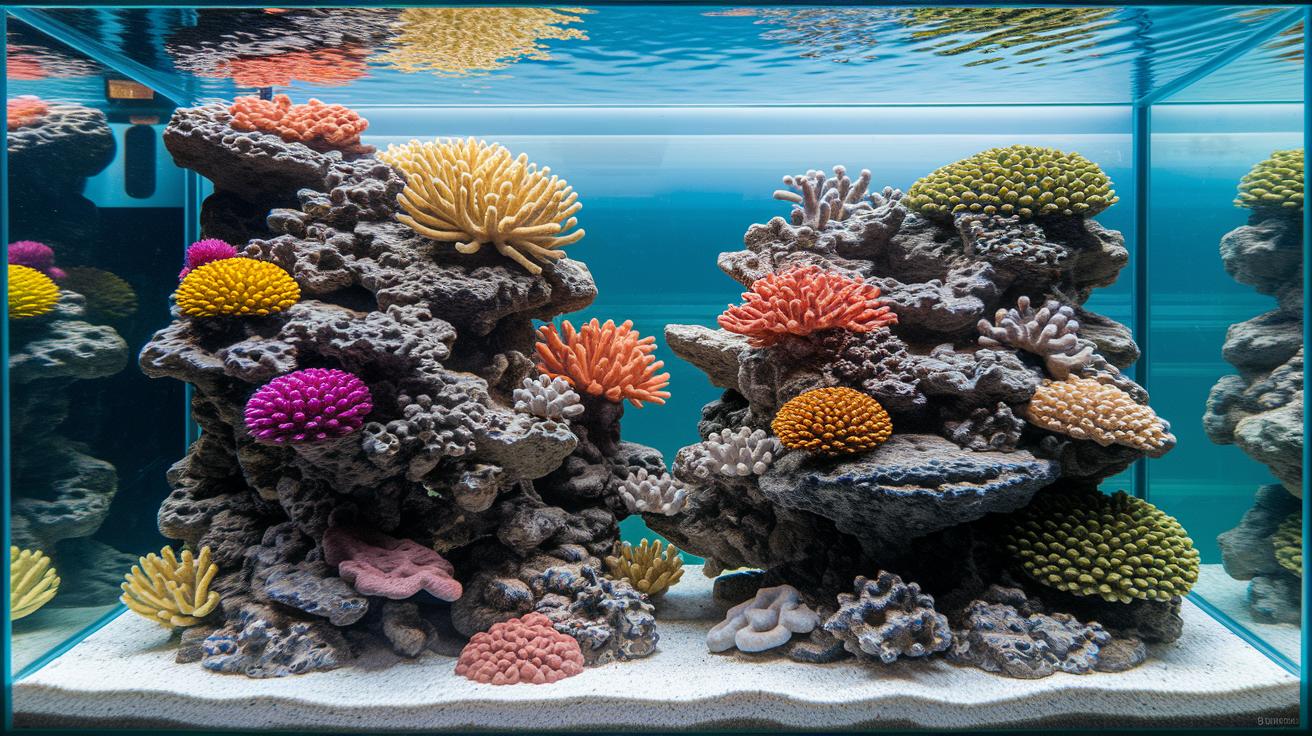
When your tank has lively water movement, it looks stunning and stays healthy too. Powerheads and wavemakers create gentle currents that encourage a smooth flow, making sure nutrients spread out evenly like ripples on a quiet pond. By keeping clear paths between rock islands, any debris is swept away before it can settle, so you avoid murky corners where algae might grow.
Adding filtration gear without messing up your aquascape is really important. Try tucking biopellet reactors, calcium reactors, and dosing pumps behind panels or within rock formations. This smart move hides the equipment while still taking care of your water’s balance. It all comes together to give you a clean, natural look that supports both your underwater world and the beauty of your marine life.
Designing Fish-Friendly Saltwater Aquarium Aquascapes
A fish-focused design turns your aquarium into a friendly, relaxed space where every fish truly belongs. It creates wide-open areas for active swimmers like tangs and anthias while offering cozy corners for more territorial fish such as blennies, gobies, and dottybacks. Plus, plenty of space on the bottom makes sure that bottom dwellers like jawfish and sand-sifters feel right at home.
Open Swim Zoning
Imagine smooth, curving arches that mimic natural reef channels. These open swim zones let tangs and anthias glide around freely, just like in the ocean. By setting up rocks with generous gaps, you keep the water flowing smoothly, which helps these energetic swimmers move about without stress.
Architecting Hiding Spaces
Now, think about adding secret hideaways. Build little caves, overhangs, or rock bridges, and you’ll create safe spots for shy and nocturnal fish. These snug retreats not only make your tank feel natural, like discovering a hidden covey along a coastal reef, but also give your fish a cozy place to take a break.
Territory-Driven Layouts
Finally, setting clear boundaries in your tank is a smart move. Separate rocky outcrops let territorial species like blennies, gobies, and dottybacks claim their own patch without clashing. Meanwhile, open substrate areas give bottom dwellers a clear space to forage. This thoughtful layout keeps stress low and makes the tank look organized and inviting.
Maintenance Strategies for Saltwater Aquarium Aquascaping
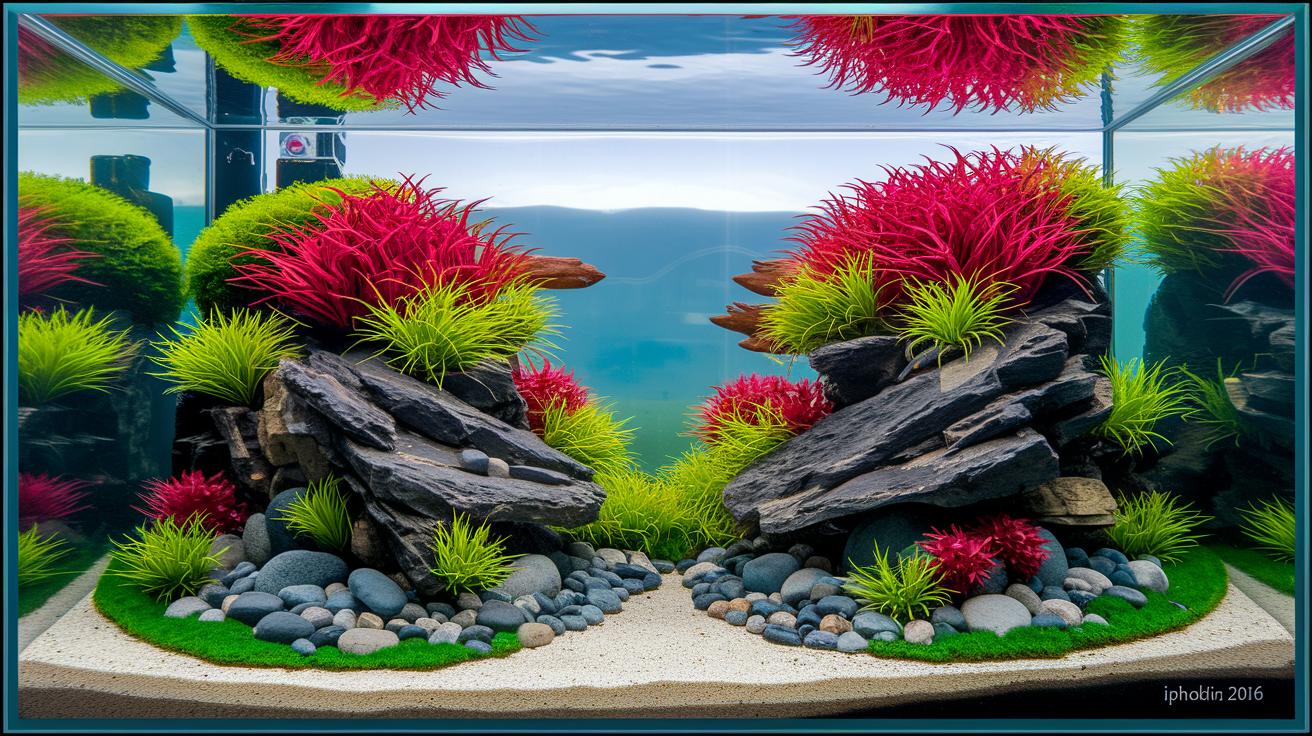
Keeping your aquascape thriving is a bit like watching gentle waves roll over a sandy shore. Regular care is essential. Vacuum the substrate to whisk away debris that builds up over time and can trap unwanted nutrients, like nitrates and phosphates. And while you’re at it, have a close look at your epoxy joints, spotting a slight crack or loose bond early on can save you a lot of trouble later. Prune any overgrowth on corals and live rock to keep the water flowing freely, giving your aquatic friends plenty of room to swim.
Weekly water tests are just as important as a deep sea dive in clear water. Check the salinity, temperature, and nitrate levels to catch any changes before they become a problem. Keeping a log of your readings can be like mapping out the currents in your tank, helping you predict when a water change or targeted cleaning might be needed. If you see algae starting to bloom or notice the water isn’t as clear as it used to be, it may be time to clear out that buildup and readjust your cleaning schedule.
Consider adding stabilization systems to help keep your aquascape steady. Sensor alarms can alert you if the temperature or salinity starts to drift, and auto top-off devices keep your water level constant. These handy tools let you focus on the creative design of your reef while they work quietly in the background to protect your underwater world.
Budget-Friendly and Eco-Friendly Saltwater Aquarium Aquascaping
Building your aquarium layout can be both fun and budget-friendly. Instead of using live rock, try dry rock like Marco Rocks to save on costs. Setting up a mock layout outside your tank gives you a clear plan before you commit, which means you waste less material. Plus, reusing saltwater-safe epoxy that bonds like concrete cuts down on extra expenses, so you end up spending less while still creating a strong, lively habitat.
Opt for LED lights that use less energy and low-flow pumps to further reduce long-term resource use in your reef. Choosing eco-friendly reef sand not only helps water flow smoothly but also keeps your ecosystem balanced. These smart picks lower both energy use and material costs, resulting in an aquascape that's as beautiful as it is kind to the environment.
Isn't it neat how every choice can make your underwater world better? Enjoy the process, each decision brings you one step closer to a thriving aquatic haven.
Step-by-Step Planning for Saltwater Aquarium Aquascaping Projects
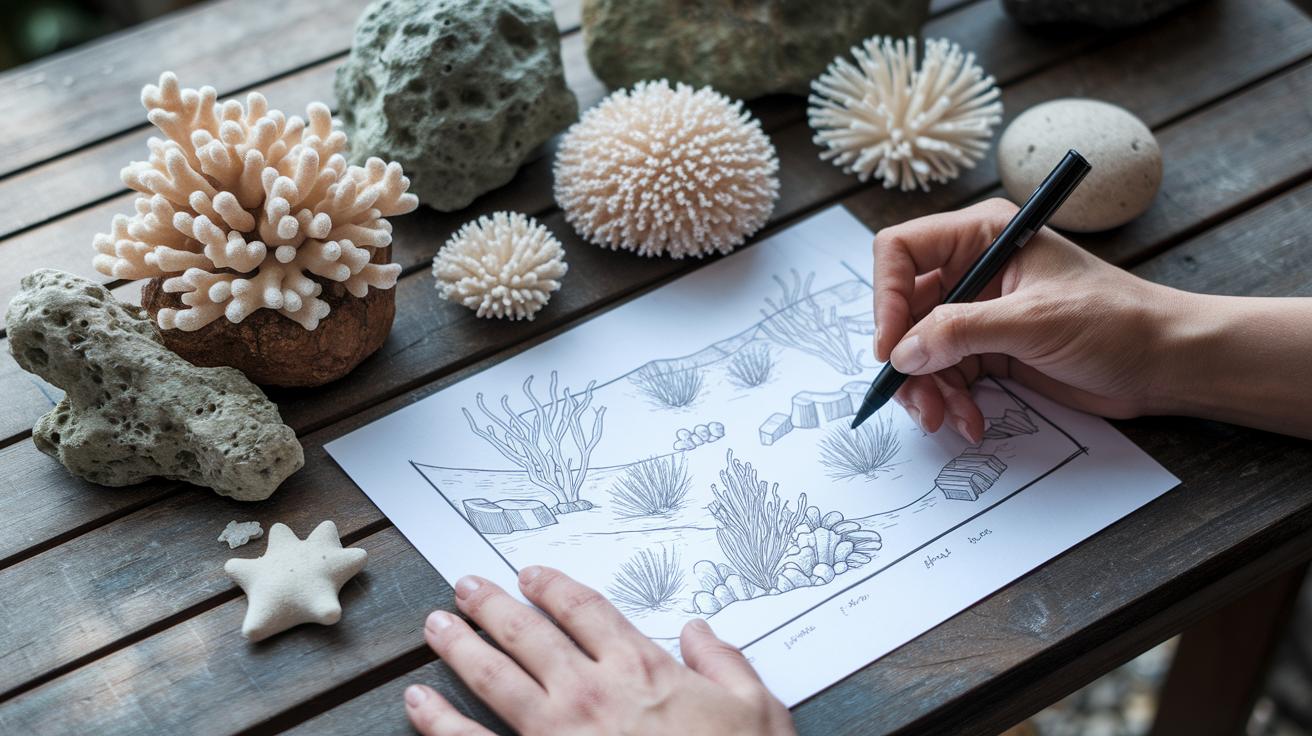
Before diving in, take a few moments to sketch out your plan. Consider your tank’s size, your budget, and the type of underwater world you want to bring to life. A bit of planning now makes it easy to tailor your design for anything from a snug marine hideaway to a wide, vibrant seascape.
Next, grab a pencil and start drawing a layout with all the details. Picture where each rock will go, choose the kind of substrate (that’s the base that supports everything), and figure out how many rocks you’ll need. For example, one 225-gallon tank used about 100 lbs of live rock arranged in two small islands with a channel right in the middle. Pick coral types that match your vision and plan out the lighting and water flow they require, plus some room for friendly fish. It’s like creating your own treasure map to a tiny, living ocean.
Then, give your design a test run in a separate setup before you commit to it in your actual tank. This dry run helps spot any potential hiccups, like the wobble seen in a 90-gallon tank arranged in a wall style. Let the tank settle and run through its natural cycle slowly, so your aquascape can develop nicely over time. Taking a little extra time now means your finished setup will support a thriving, balanced underwater world.
Final Words
in the action, our guide explored vital elements from layout design to smart maintenance for a saltwater aquarium aquascaping that supports both coral and fish. We talked through choosing the right substrate, positioning robust rock features, and zoning coral placements for the best light and flow. Practical tips on water movement and energy-smart choices capped off the insights for building an attractive yet healthy underwater scene. Keep experimenting with what works best, and watch your tank come alive with calm, dynamic beauty.