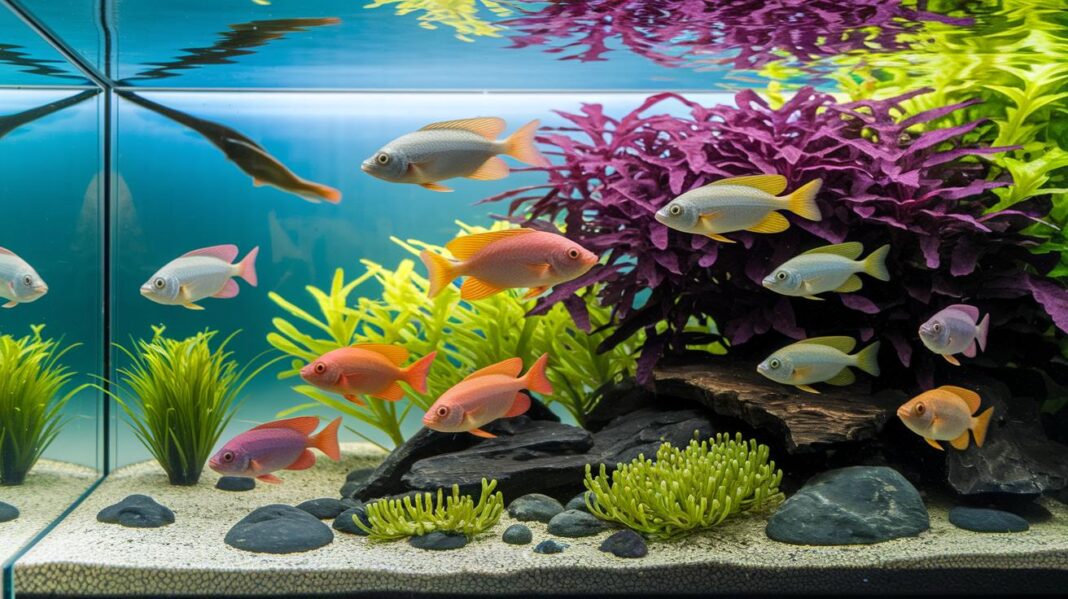

Have you ever wondered if your fish are really getting the right fuel? Research shows that a mix of proteins, fats, and key fatty acids can give them a healthy boost. It’s a bit like giving your fish the perfect set of tools: proteins help build their muscles, while the right balance of fat and nutrients keeps them active and full of life.
I’m excited to share some science-backed ideas to help you serve a balanced diet that turns each meal into a moment of true care. Ready to dive into some simple tips that can transform your aquarium into a thriving, vibrant home for your aquatic friends?
Foundational Science-Backed Principles for Aquarium Fish Nutrition
When keeping your fish happy and thriving, it all starts with the right mix of nutrients. Research tells us that fish food should have about 40–55% protein to build strong muscles and support healthy growth. For young fish, a bit more fat, around 10–20%, is ideal, while adult fish do well with 5–10% fat. Since fish can’t make EPA and DHA on their own (these are healthy fatty acids), they need to get them from their food. A simple tip is to rinse frozen feeds to wash away any extra preservatives that might drain away important vitamins.
Feeding your fish small meals several times a day mimics their natural grazing habits, keeping them nourished all day long. Mixing live, frozen, and dry feeds makes sure they get a little bit of everything they need to stay strong and vibrant.
| Key Point | What It Means |
|---|---|
| Protein | 40–55% in their feed to build muscles and support growth |
| Fat for Juveniles | 10–20% to help growing fish develop well |
| Fat for Adults | 5–10% to keep mature fish in tip-top shape |
| Essential Fatty Acids | EPA and DHA must be added in their diet since fish can’t produce them |
Following these steps can lead to real improvements. With balanced protein, the right amount of fat, and all the essential fatty acids, your fish will look stronger and more vibrant. And by offering several small meals each day, you not only give them steady nourishment but also help keep their water clean and reduce stress, a little routine that makes for a happier, healthier aquarium.
Feed Types and Ingredient Analysis for Optimized Tank Nutrition
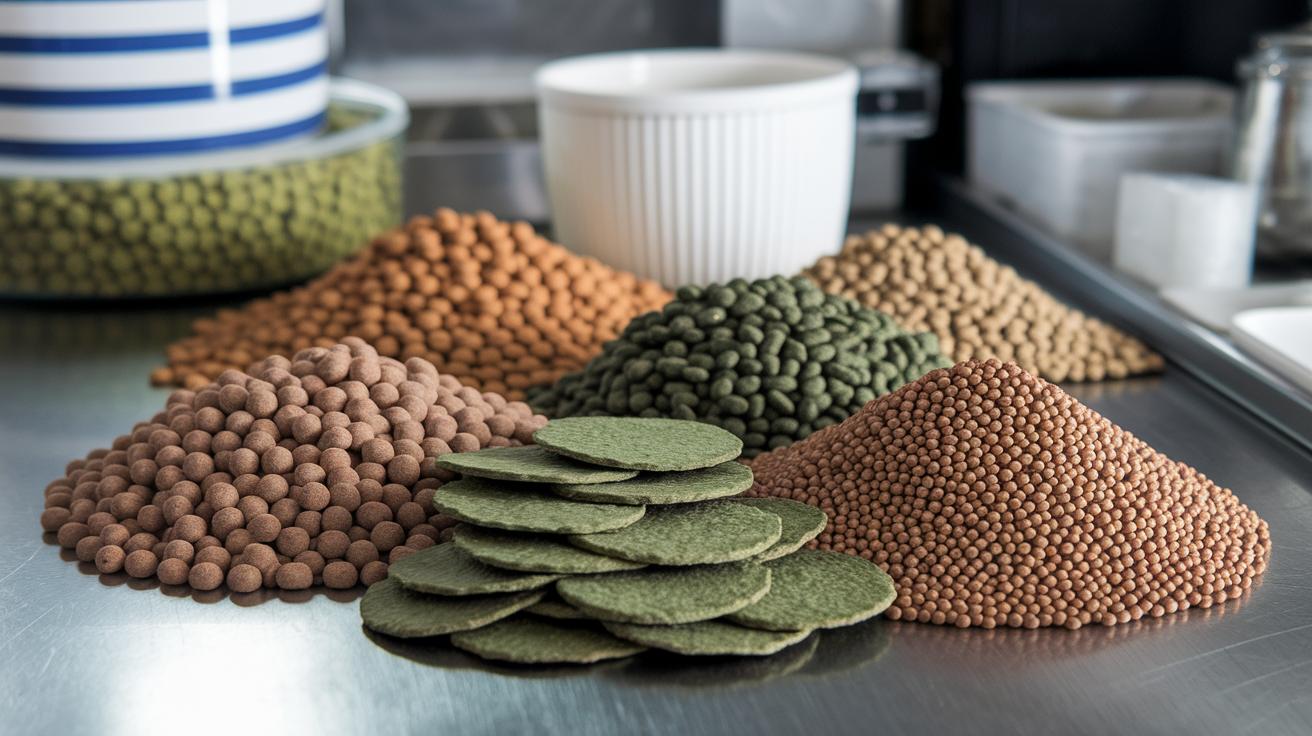
Every fish has its own way of eating, so picking the right food is like choosing the perfect water current for your fish friends. Some foods float on the water, making them just right for surface feeders like bettas and goldfish. Others, like pellets, stay together longer so they don’t break apart quickly and cloud your water. And then there are algae wafers, which slowly sink to the bottom for those fish that prefer a gentle meal near the floor of the tank.
Some foods are loaded with extra protein to help muscle growth, while others are packed with plant matter to boost your fish’s immune system. It’s all about reading the ingredients carefully and steering clear of fillers like wheat or corn that might dull your water’s clarity.
| Feed Type | Best For | Primary Ingredient | Key Benefit |
|---|---|---|---|
| Floating Food | Surface Feeders (bettas, goldfish) | Specialized pellet mix | Keeps food near the top for easy snacking |
| Pellets | General Omnivores | Fish meal blend | Stays together to protect water quality |
| Algae Wafers | Bottom Dwellers | Algae and spirulina | Helps boost the immune system and aids digestion |
| High-Protein Feed | Carnivorous Fish (cichlids, tetras) | Protein-rich fish meals | Supports strong muscles and bright colors |
When you look at the chart, it’s clear that each type of feed is meant for different fish behaviors and needs. So when you choose a food, check out its ingredients. For fish that need muscle power, foods with 40–55% protein work best. And if your fish are all about boosting their defenses, look for options with up to 70% plant ingredients. Paying attention to details not only keeps the water crystal clear but also helps you create the perfect tank nutrition plan, a bit like setting the perfect stage for your underwater world.
Precision Feeding Protocols and Validated Schedules for Optimal Growth
Keeping to a set feeding plan is super important for keeping your fish strong and happy. Research tells us that when fish stick to regular meal times, their digestion works better and they grow faster. It’s like having a little mealtime routine that helps them use every bite and wastes less food.
Young fish really benefit from getting fed three to five times a day. This way, they get plenty of nutrients to help them grow quickly. On the other hand, adult fish do best with two to three evenly spaced meals. This kind of routine stops overfeeding and makes sure each fish has enough energy without overloading their systems.
If you feed your fish too much or at the wrong times, it can cause water quality problems. Extra food might quickly raise levels of ammonia and nitrites, which stresses out your fish. Controlled tests have shown that a steady supply of sinking micro-pellets can improve food use by about 12%, which means less waste overall. But if your fish don’t get enough food, they might not grow well and could get sick.
In truth, keeping an eye on what your fish eat and when they eat not only keeps your tank cleaner but also helps your fish stay healthy and energetic.
Live and Enriched Feeds: Boosting Health with Natural and Probiotic Supplements
Live feeds like brine shrimp and daphnia are a real treat for your fish. They offer a mix of natural enzymes and tiny nutrients that help keep digestion smooth and boost overall energy. Imagine brine shrimp as that refreshing splash in the morning that jumpstarts your day.
Probiotic feeds work like a well-tended underwater garden. They introduce friendly microbes into your fish’s gut, which in turn helps them get more from their food, about a 15% improvement in nutrient use. It’s like giving your fish a helper that turns every meal into a nourishing feast.
Enzyme-packed gels make eating even more effective, especially for those who take their time at meals. With a sprinkle of phytoplankton for extra minerals and pre-biotics that kick-start enzyme work, every bite your fish takes is used to the fullest. This smart feeding approach means even the choosier eaters get all the good stuff they need to stay healthy and keep their colors bright.
Vitamin and Mineral Enrichment Strategies in Aquarium Diets
When you add water-soluble vitamins like vitamin C and the B complex to fish food, they can disappear in just a few minutes, almost like a flash of a fish darting away. That’s why many premium feeds now use a neat trick called microencapsulation. This method wraps fat-loving vitamins A, D, and E in a protective bubble so they stick around longer, much like a cozy current that keeps your fish nourished. Along with these vitamins, trace elements such as iodine and selenium are added in just the right amounts to help keep your fish’s thyroid and overall defenses strong. And there’s astaxanthin, a gem taken from algae, which not only works as a powerful antioxidant but also adds a splash of vibrant color to your aquatic friends.
Mineral supplements play a big role in keeping the metabolic rhythm in your tank steady. Think of them as the pebbles that help stabilize a bubbling brook. When water or regular feed loses its essential nutrients quickly, these minerals ensure that all the important functions in your fish’s body keep running smoothly. Gel feeds are getting popular because their unique, jelly-like structure locks in vitamins and minerals, making sure your fish get all the goodness they need.
Opting for gel-based feeds can really change the game. Imagine each bite as a tiny treasure chest where antioxidants and water-soluble vitamins are kept safe from harm, much better than the flaky alternatives that let nutrients slip away. This way, feeding time becomes more than just a routine meal. It turns into a strategic boost that supports your fish’s immunity, thyroid function, and vivid coloration, helping maintain a healthy and lively aquarium.
Species-Specific Dietary Plans for Tropical and Coldwater Fish
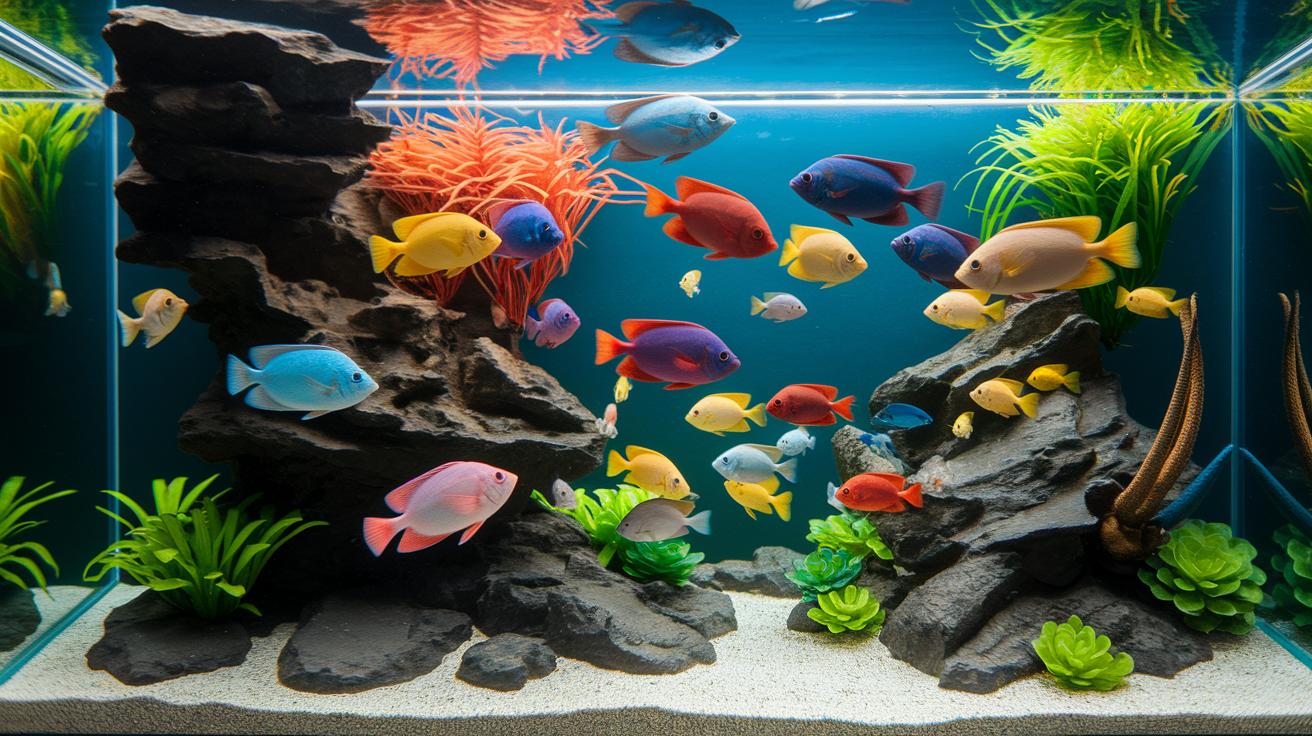
Each fish has its own way of feeding that fits its natural home. Tropical fish live in warm water and are full of energy, so they need food rich in protein and fat to keep up their lively swims. On the other hand, coldwater fish thrive in cooler water and do best with lighter meals that are gentle on their digestion.
Tropical Species Dietary Guidelines
Tropical fish, with their bright colors and bustling activity, enjoy a meal mix that has about 45 to 55 percent protein and 8 to 12 percent fat. This blend fuels their energy and keeps their colors popping, especially when they live in water between 75 and 82°F. If your tropical friends prefer plants, you might offer them a diet with up to 70 percent greens like spirulina or algae. Carnivorous fish, such as cichlids, love meals enriched with live or frozen protein. It’s a bit like crafting the perfect smoothie, each ingredient adds its own burst of freshness to the meal.
Coldwater Species Dietary Guidelines
Coldwater fish like goldfish do best with food that contains around 35 to 40 percent protein and 8 percent fat. They enjoy buoyant flakes that drift on the water’s surface in tanks kept between 60 and 70°F. This gentler protein level, coupled with a careful mix of plant material, helps them digest their meals easily and keeps their water looking clean and clear.
When you have both tropical and coldwater fish sharing a tank, it helps to plan different feeding zones or set up a schedule that meets each group’s needs. That way, every fish can enjoy a meal that suits its unique habitat perfectly.
Monitoring Nutrition and Water Quality for Sustainable Fish Health
Imagine your aquarium as a peaceful underwater home. When you feed your fish too much, the extra food starts to spoil and change the water, much like ripples that disturb a calm pond. Studies show that even just a little extra food can bump up ammonia levels in only a couple of hours and nitrate levels in just one day. These quick shifts stress out your fish and can invite illness. Keeping meals small and feeding often helps the nutrients get used up instead of turning into waste.
It’s a good idea to keep an eye on your tank’s water. Simple test kits can check for things like ammonia and nitrate, which are important for your fish’s well-being. Sometimes, even looking at tiny creatures in the gut can tell you if the food is working right. When you check these things regularly, you can notice early signs of imbalance and tweak how much you feed before problems deep dive.
A steady routine also makes a big splash. A weekly water change of about 20% clears away contaminants much like cleaning out the leaves in a pond. You can also mix in additives like phytase to help break down food better, giving your fish a little extra boost in digestion. Adding a quarterly check of the tiny gut helpers rounds off a smart care plan for keeping your tank as healthy as a coral reef.
Final Words
In the action, we've explored essential science-backed principles like protein and fat ratios, ingredient analysis for different feed types, and precision feeding schedules. We touched on live feed benefits, vitamin and mineral enrichment, and species-specific dietary plans that help create a balanced, thriving aquatic habitat. These insights provide practical, science-backed tips for improving aquarium fish nutrition and maintaining a vibrant tank environment. Every step adds flavor to your aquarium care, making it a rewarding experience for both you and your aquatic pets. Enjoy the process and keep your tank lively!
FAQ
What is science-backed aquarium fish food?
The term science-backed aquarium fish food refers to feed developed using research on protein, fat ratios, and essential fatty acids that support fish health and vibrant colors.
How many times and how much should I feed my aquarium fish?
The routine feeding schedules are 3–5 times daily for juveniles and 2–3 times for adults, with small portions per feeding to mimic natural grazing and maintain water quality.
Is there a fish food calculator I can use?
A fish food calculator helps determine portion sizes based on fish biomass and water conditions, making daily feedings simpler while keeping nutrition balanced.
What food can I use for fish at home?
You can offer a mix of live, frozen, and dry feeds at home to ensure variety and proper nutrient balance while avoiding fillers to support your aquatic pets.
How can I increase nutrients in a fish tank?
You can elevate nutrients by adding live feeds, probiotic supplements, and pre-biotics that boost enzyme activity and support overall digestive health for fish.
What are the 5 essential ingredients in fish nutrition?
Essential ingredients include high-quality protein, regulated fat levels, vital fatty acids like EPA and DHA, necessary vitamins and minerals, and a varied feed mix to fill nutrient gaps.
How do you make a fish tank healthier?
A healthier fish tank features balanced nutrition, proper feeding schedules, regular water testing, and occasional water changes to keep ammonia and nitrate levels in check.
How can I increase minerals in a fish tank?
Mineral levels can be raised by using feeds enriched with trace elements and astaxanthin, along with occasional mineral supplements that boost overall fish vitality.