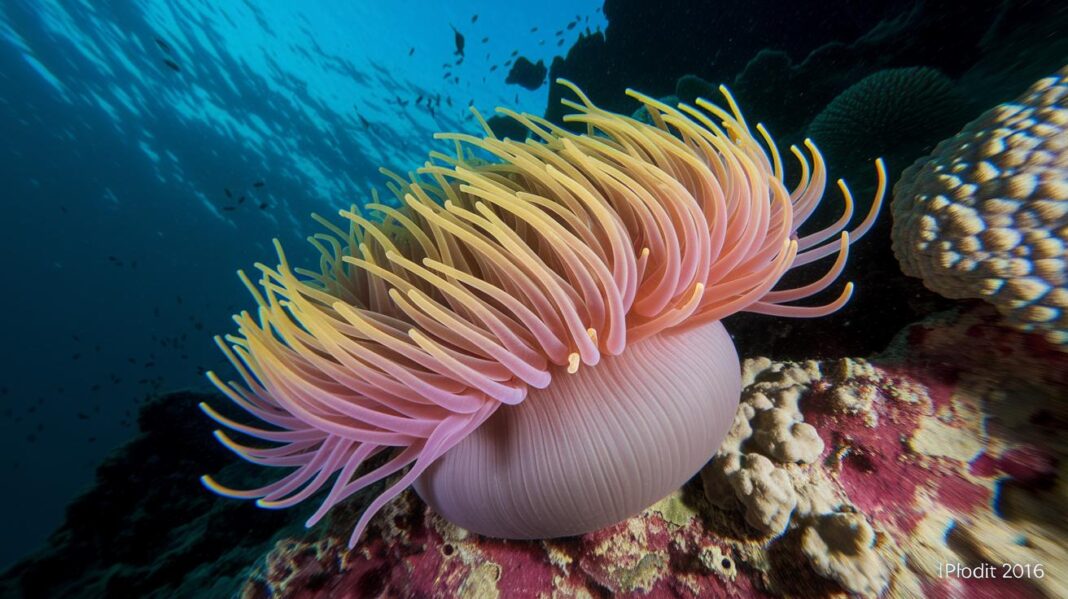

Have you ever thought about how sea anemones might be nature’s secret wonders? These lively critters attach themselves to rocks and old shipwrecks, showing off bright colors and fun shapes. There are over a thousand kinds swimming in the ocean, and each one carries its own awesome story of survival and beauty.
In this talk, we’ll explore how sea anemones live, gently move through the water, and shield themselves from danger. Get ready to see these underwater stars in a new, refreshing way, like catching a glimpse of sunlight dancing on the waves.
Sea Anemone Overview: Characteristics, Habitat, and Behavior
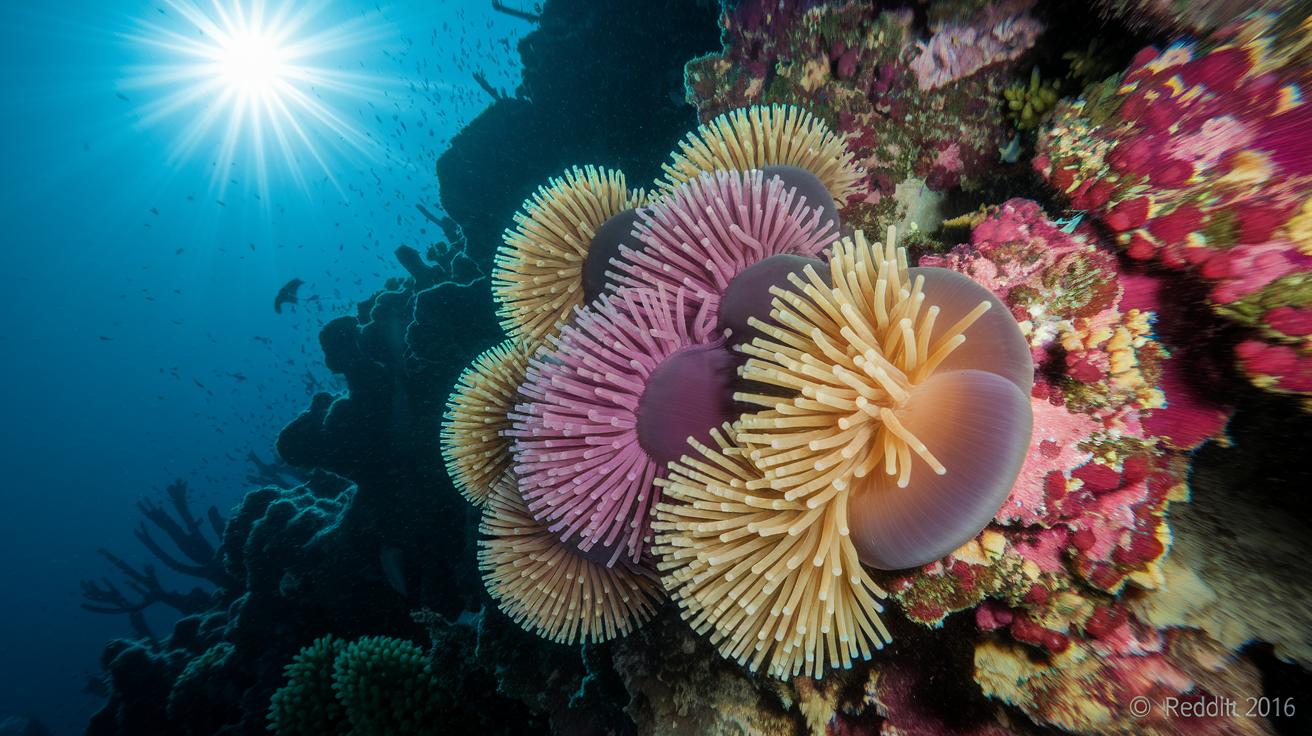
Sea anemones are truly captivating creatures that share a family tree with jellyfish and coral. There are over a thousand species swimming around our oceans, each sporting its own mix of colors and shapes that can really catch your eye. Imagine a little creature that skillfully clings to a reef with a sticky, suction-cup foot, keeping it safe on rocks or even old wrecks. And here's a neat tidbit: some anemones can slowly shift their position, like watching a gentle ripple spread across a calm pond.
They mostly hang out in one spot, which we call being sessile. But if the water starts flowing differently or if trouble comes their way, these anemones can slowly move to a nicer spot. Even though they usually stay still, waiting patiently for a meal to float by, they know just how to protect themselves. When danger lurks, be it strong currents, injury, or predators, many anemones pull in their tentacles and form a neat little ball to reduce their chance of harm.
Found in places ranging from sunlit, shallow waters to the mysterious depths of the ocean, sea anemones show off their incredible ability to adapt. Their strong grip, smart defense moves, and unique look make them a wonder to both casual fish lovers and dedicated marine researchers alike.
Sea Anemone Anatomy: Structure and Defense Mechanisms
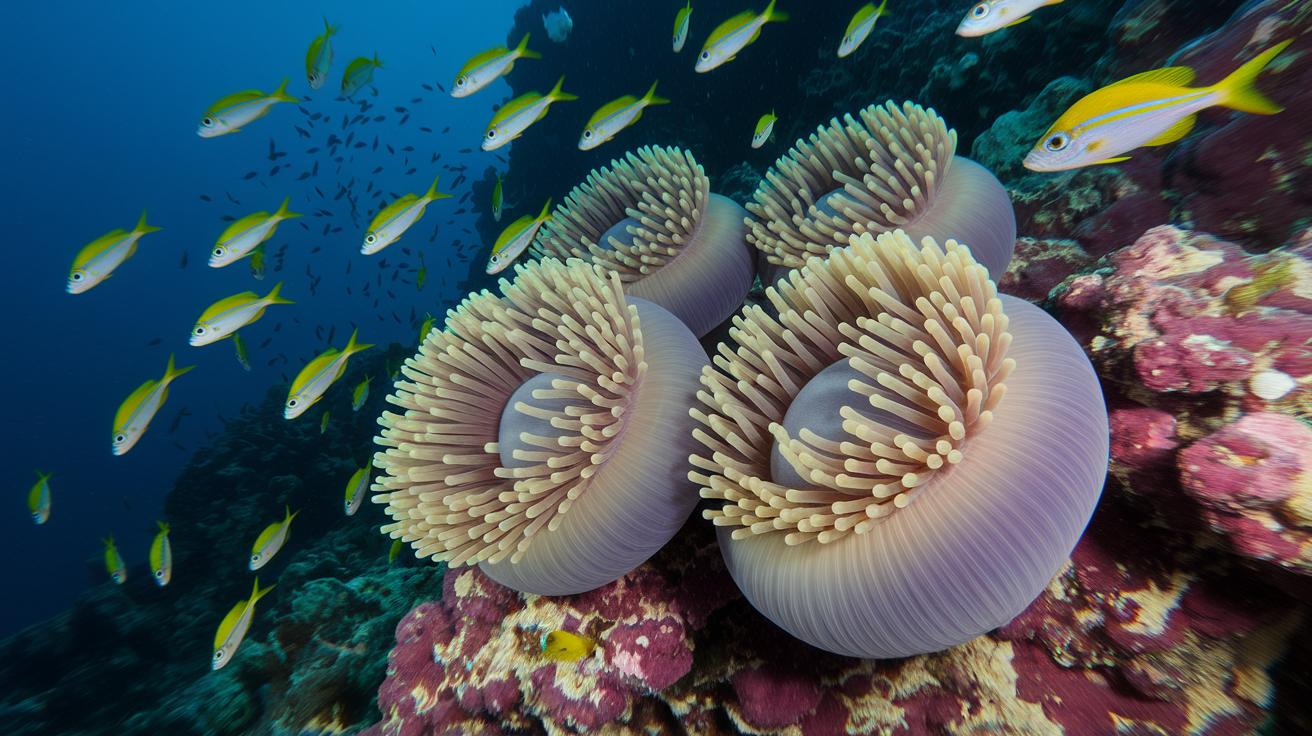
In the underwater world, sea anemones show off some truly fascinating details in how they're built. Their body is like a smooth, tube-shaped column crowned by an oral disk that serves as a central hub, with soft tentacles fanning out like the gentle currents around a coral reef. Each tentacle hides special stinging cells called cnidocytes, tiny, secret arrows ready to scare off anything that might harm them.
At the bottom, there’s a pedal disk that really makes a difference. This part releases a sticky mucus that lets the anemone cling tightly to rocks, reefs, or even sunken ships, much like a well-secured anchor during choppy waves. Instead of a single brain, sea anemones rely on a network of nerves scattered throughout their body, helping them sense even the tiniest ripple in their watery home.
When danger appears, many sea anemones snap their tentacles inward almost instantly, protecting themselves from harm. Their nematocysts then kick into action, releasing venom that can stun small creatures drifting too close. Imagine a split-second flash under the waves, a burst of venom halts an unsuspecting fish right in its tracks, neatly tying together their feeding and defense strategies.
All in all, the blend of elegant structure and smart defense in sea anemones offers a peek into nature’s clever designs. It’s a beautiful balance of form and function, much like the serene yet effective rhythm of a peaceful aquarium.
Sea Anemone Feeding Habits and Diet
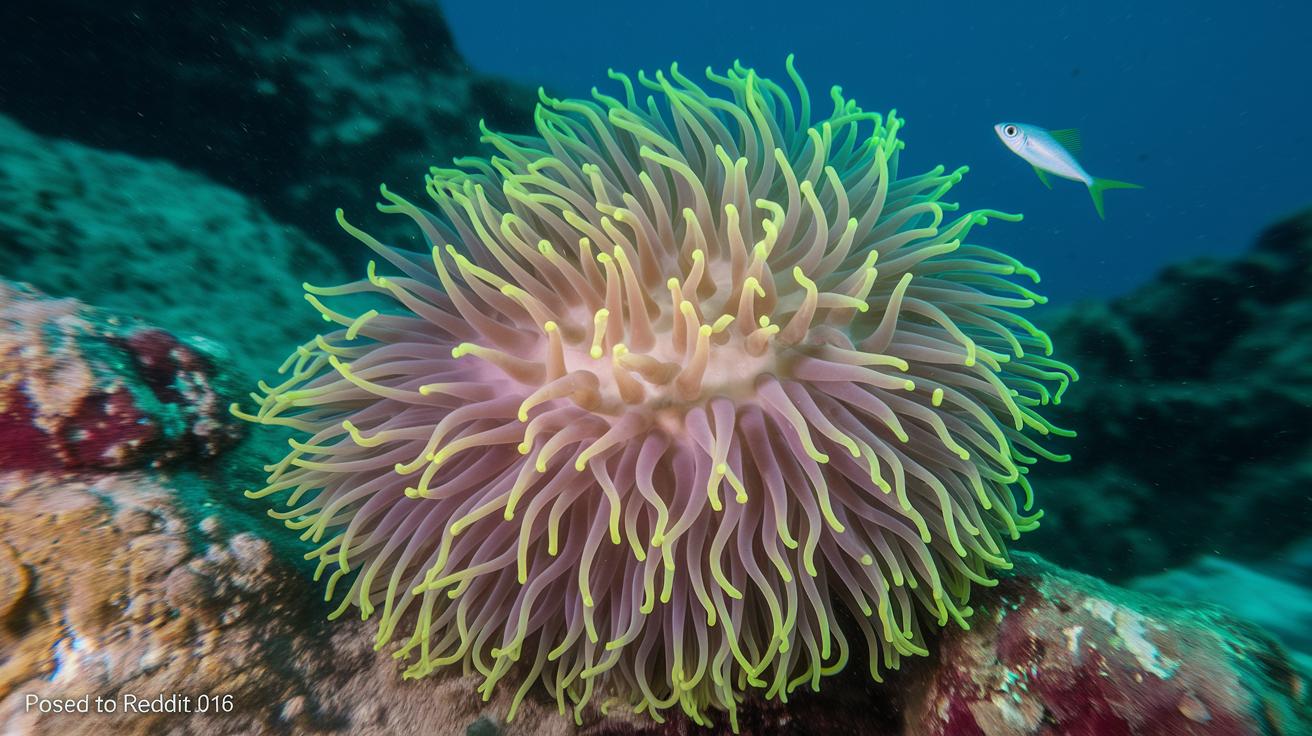
Sea anemones show off some truly unique feeding habits. They act like quiet hunters, patiently waiting for a meal to drift by. Their long, graceful tentacles work just like a seasoned fisherman, quickly snapping up tiny plankton and little fish. Imagine a surfer catching the perfect wave, these creatures seize a surprise snack straight from the water.
Sometimes, they even go after larger prey. A few bigger sea anemones can tackle starfish, shrimp, or crabs, turning every meal into a display of impressive strength. Their secret lies in special stinging cells that quickly release a burst of venom, making sure their catch stays put.
These marine marvels do more than just feast. They help maintain a healthy reef by keeping plankton and small fish numbers in check, which balances the underwater ecosystem. Plus, by offering shelter to small fish and certain shrimp, they quietly support a diverse and lively reef community.
- Ambush artists grabbing tiny swimmers
- Big eaters taking on more robust prey
- Quiet guardians supporting reef balance and safe havens for small critters
Sea Anemone Reproduction and Regeneration
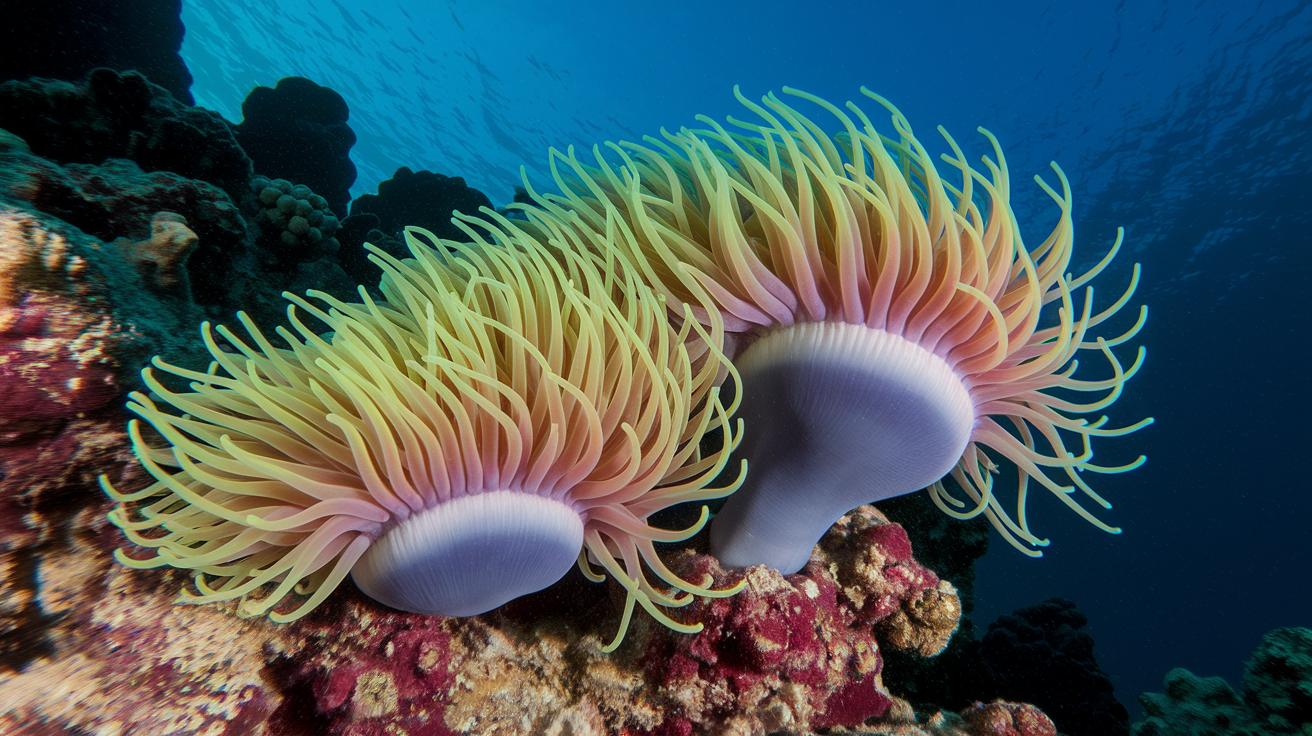
These clever sea creatures have two ways of making more of themselves, each as fascinating as watching bubbles rise to the surface. In sexual reproduction, sea anemones release eggs and sperm into the water when the conditions feel just right. Factors like water temperature and the moon’s phase act as secret signals, helping them sync up with others around them. Once the eggs and sperm meet, tiny free-swimmers called larvae begin their journey, drifting through the water before settling on a safe surface to grow into adult anemones. It’s a bit like watching a new story start unfold in the watery realm.
On the other hand, these anemones can also choose a different path: asexual reproduction. They have an amazing trick called longitudinal fission, a fancy way to say they split down the middle, and each side slowly grows into a whole new anemone. Another neat method is pedal laceration, where small pieces from the base break off and start a new life. These methods not only help keep their species thriving, but they also highlight how well anemones can repair themselves. If a tentacle or a part of their body gets hurt, it can quickly grow back, almost like nature’s own magic. This strong ability to mend helps them flourish and build big, lively colonies in their ocean homes.
Sea Anemone Symbiotic Relationships
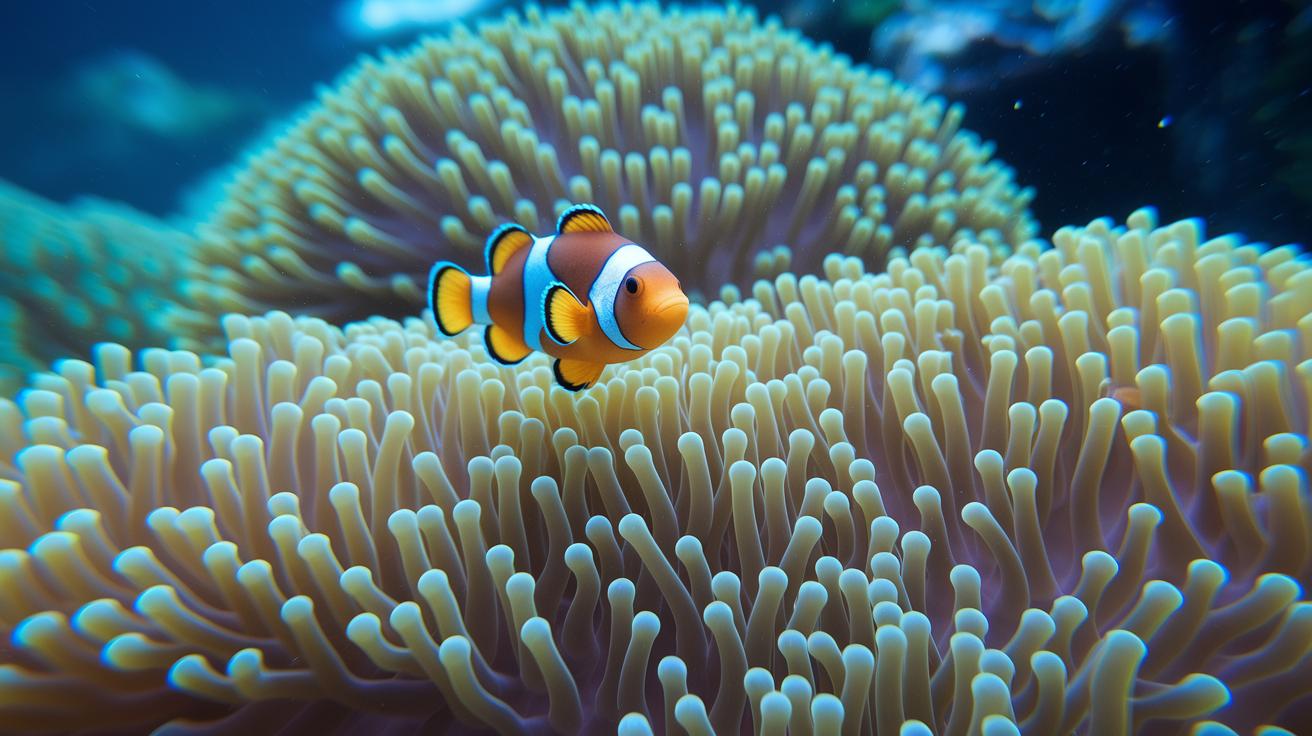
Sea anemones have a beautiful way of teaming up with ocean friends. One standout partnership is with clownfish. These little fish rest safely among the anemone’s soft tentacles because they have a special mucus on their skin that keeps the stingers at bay. In return, clownfish leave behind tiny food bits and gently stir the water, helping to boost oxygen levels and sweep away debris. This simple water movement makes the anemone’s home healthier.
Other sea creatures pitch in too. Anemone shrimp wander nearby, nibbling on unwanted parasites to help keep the anemone spotless. Certain crabs even take on the role of cleaning up debris from the anemone’s body. Each guest in this underwater family plays a part, showing us how mutual care creates a thriving community.
Major symbionts include:
- Clownfish, which boost water flow and lend a cleaning hand.
- Anemone shrimp, who remove tiny parasites.
- Certain crabs, that clear away debris from the anemone’s surface.
| Partner | Benefit to Anemone | Benefit to Partner |
|---|---|---|
| Clownfish | Improved water flow and cleaning from leftover food | Safe haven among tentacles, away from predators |
| Anemone Shrimp | Removal of parasites and upkeep of a clean surface | Access to food scraps and a snug hideout |
| Certain Crabs | Debris removal to keep the home tidy | Refuge and occasional feeding chances |
Sea anemone Aquarium Setup and Care Tips
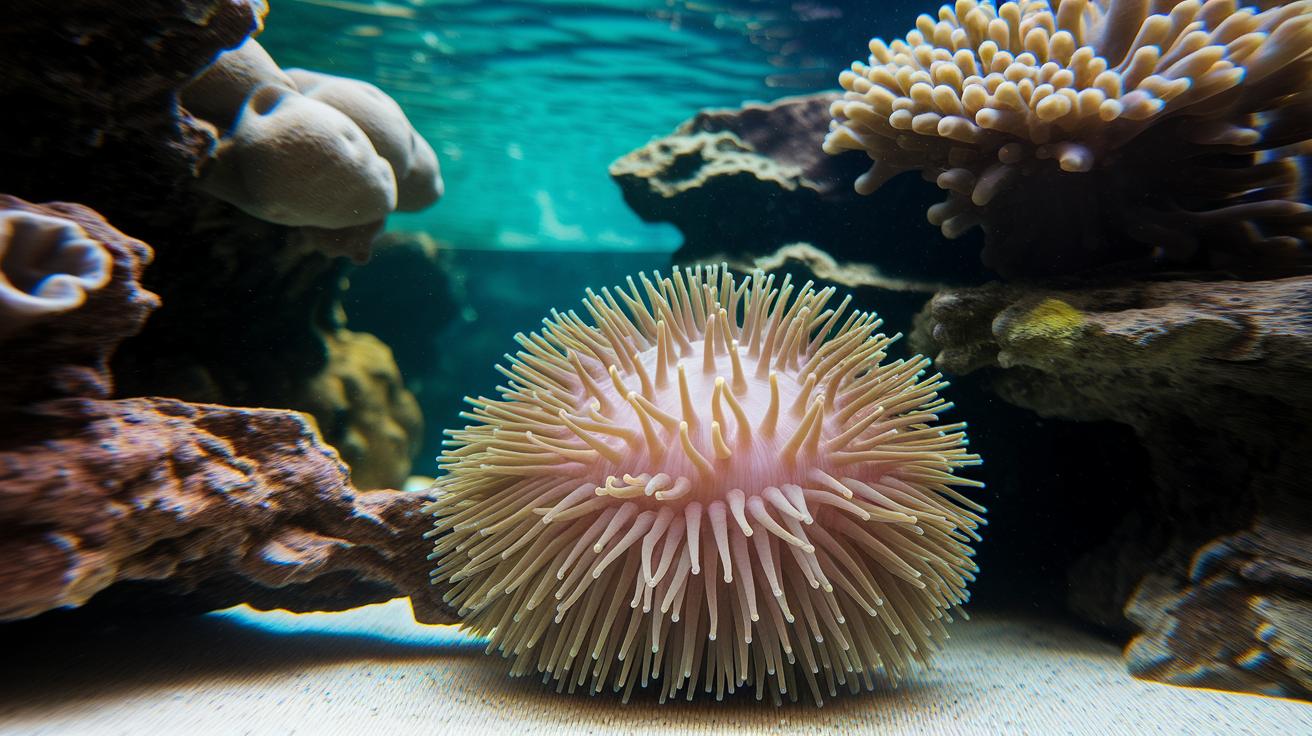
Setting up a tank for your sea anemone is a bit like preparing a special underwater retreat. First, get the water just right by keeping the salt level steady; aim for a specific gravity between 1.023 and 1.025. Imagine the water as a cozy ocean bay, perfectly balanced to make your anemone feel right at home. Also, keep the temperature snug between 75 and 82°F so your sea anemone can thrive.
Water movement is super important too. You want a flow that feels like a gentle yet determined current, refreshing every corner of the tank and echoing the natural ocean tide. And don’t forget about lighting, using full-spectrum LED or a T5 light brightens up those vibrant colors and keeps your anemone healthy, much like how sunlight wakes up a coral reef.
When you're ready to introduce your new friend, use a slow, careful drip method to let your anemone get comfortable with its new surroundings. This gentle acclimation helps avoid any shock from the change. Feeding is simple too, offer tiny shrimp or plankton once or twice a week, just like the snacks that float by in the open sea. And be sure to choose calm tank mates that won't disturb your sea anemone’s peaceful vibe.
| Key Steps | Details |
|---|---|
| Water Quality | Specific gravity between 1.023 and 1.025 |
| Temperature | 75–82°F |
| Water Flow | Moderate to strong, like a gentle current |
| Lighting | Full-spectrum LED or T5 to bring out vibrant colors |
| Acclimation | Slow drip method to ease the transition |
| Feeding | Small shrimp or plankton once or twice a week |
Stick to these guidelines and you'll create a supportive, calm environment that lets your sea anemone glow and grow. Next, if you're keen on exploring more about reef aquarium care, check out the Reef Aquarium Maintenance guide, it’s full of friendly tips and ideas to help your underwater community flourish.
Threats and Conservation of Sea Anemones
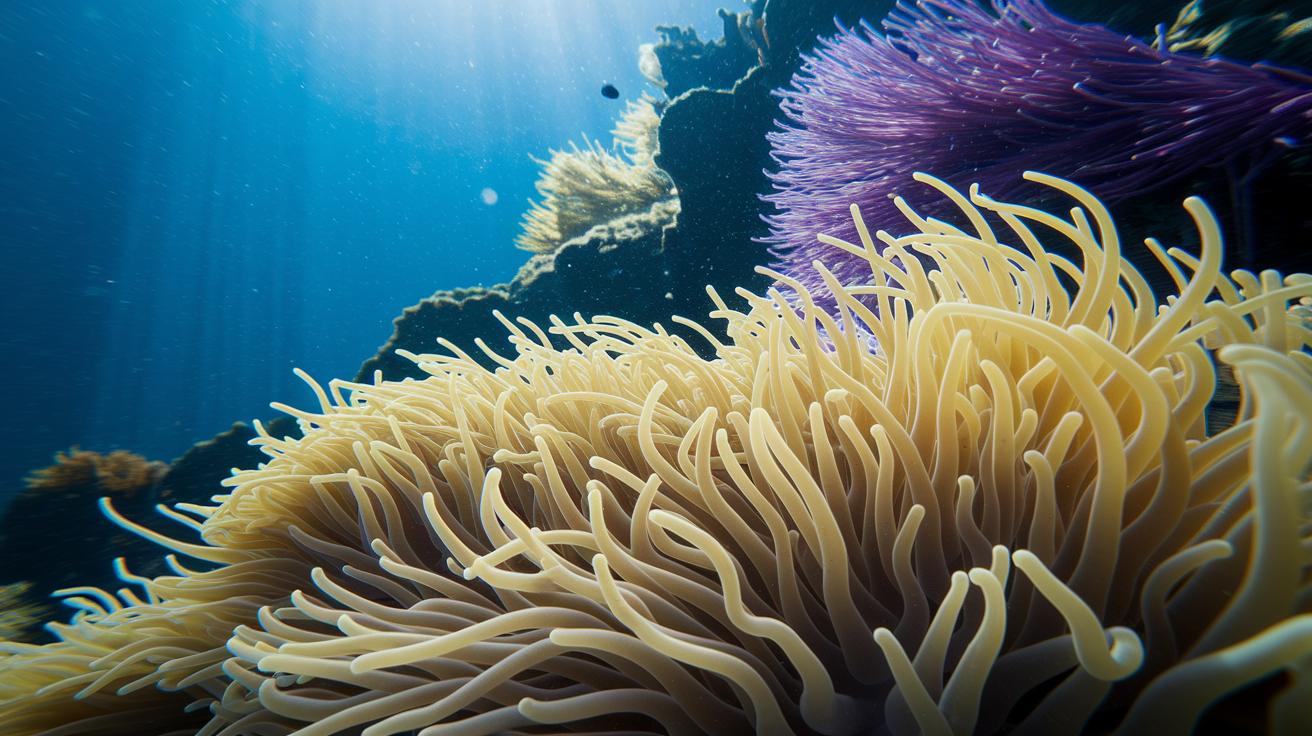
Sea anemones face many risks in our ever-changing oceans. Their peaceful homes are getting stressed by coral bleaching, which strips away the colorful coral they rely on. Rising water temperatures, pollution, and ocean acidification change the natural balance, making it tougher for these creatures to flourish. Picture your favorite quiet spot slowly turning into a confusing maze, that’s how sea anemones feel when their surroundings suddenly change.
Conservation efforts try to protect these unique marine animals by creating safe marine areas and supporting reef restoration projects. Think of these actions as gentle nets that catch harm before it spreads throughout the delicate underwater world. Saving sea anemones isn’t just about one species; it helps keep whole coral reefs vibrant, which serve as cozy homes for many other creatures. Their role as both hunters and shelters for smaller fish adds to the lively mix of life on the reef.
These conservation steps remind us how everything under the sea is linked together. Projects that cut down on pollution and laws that limit environmental harm help not only the anemones but also all the underwater friends that share their world.
| Threat | Conservation Action |
|---|---|
| Coral bleaching and rising temperatures | Marine protected areas and reef restoration |
| Pollution and ocean acidification | Pollution control and environmental regulations |
Final Words
In the action, we swam through the world of sea anemone, exploring their traits, anatomy, and unique ways of defending themselves. We touched on feeding habits, reproduction, and the special bonds they share with other marine life. We also offered hands-on tips for setting up and caring for your underwater habitat while keeping threats in mind. May your aquarium thrive and your love for aquatic life blossom every day.
FAQ
Sea Anemone price
The sea anemone price varies based on species, size, and source. Specialty marine shops or online retailers typically offer them with pricing reflecting their rarity and care requirements.
Sea anemone species
The sea anemone species range widely, with over 1,000 types displaying differences in color, shape, and habitat. They belong to diverse groups related to jellyfish and corals.
Sea anemone scientific name
The sea anemone scientific name is categorized under the order Actiniaria, a classification that highlights its close connections with jellyfish and corals in the marine world.
Sea anemone drawing
The sea anemone drawing often captures graceful, flowing tentacles and vibrant colors, showing how these creatures blend soft curves with textured bodies in artistic depictions.
Hanging sea anemone
The hanging sea anemone typically describes species that attach loosely to surfaces, seeming to float or hang in water currents while waiting to capture passing food particles.
Sea anemone and clownfish
The sea anemone and clownfish partnership offers mutual benefits—clownfish receive protection among stinging tentacles, while anemones gain extra food scraps and improved water circulation.
Sea anemone sting, harmful to humans, and can a sea anemone sting you?
The sea anemone sting occurs when tentacles make contact with skin, sometimes causing mild irritation. Most stings are not dangerous, but it’s wise to avoid touching them to prevent discomfort.
Sea anemone habitat
The sea anemone habitat covers reefs, rocky ocean floors, and wreck sites worldwide. These creatures anchor themselves to surfaces and rely on water currents to capture food.
What are sea anemone 3 facts?
The sea anemone has surprising diversity, uses stinging cells (nematocysts) for defense and feeding, and can regenerate lost parts—a handy trait for survival in dynamic marine settings.