

Have you ever thought that keeping your aquarium might be easier than you imagined? A few simple daily checks and a bit of cleaning can turn your tank into a cheerful home for your fish.
Here’s the scoop: we’ve mapped out a smart routine, from checking your water every day to cleaning your filter once a month. It’s like giving your tank a little spa day that keeps the water clear and your fish happy.
Stick with these easy steps, and soon you might find that caring for your underwater world is just as relaxing as watching sunlight dance on the water.
Complete Fish Tank Maintenance Walkthrough (Step-by-Step)
Picture your fish tank like a tiny underwater world that needs a little love every day. Start by breaking your routine into three parts: daily check-ups, weekly or semi-weekly cleaning, and monthly testing with filter upkeep. Each day, take a moment to check the water temperature, peek at how your fish are behaving, and make sure your heater, filter, and air pump are all working nicely. Look out for any floating debris or changes in water clarity. It’s like a little celebration when you see your fish happily swimming in clear water!
Next, set aside some time each week (or every other week) for a more thorough cleaning. Here’s a simple plan to follow:
- Turn off your heater and filter before you start draining any water.
- Use a siphon to vacuum about one-third of the tank’s gravel. This helps remove waste and any leftover food.
- Change out 15% to 25% of the water. As soon as you add fresh water, don’t forget to mix in some water conditioner to handle chemicals like chloramine.
- Gently scrape away any algae that has built up and trim back any overgrown or dead plants.
Then, every month, give your tank a bit of a deep clean. Use a water test kit to check that ammonia and nitrite levels are at zero, and make sure nitrates stay below 40 ppm. Also, clean your filter media by rinsing it in some tank water, and replace any cartridges or sponges if needed. This extra care keeps your tank’s natural filtering system strong and ready to support your aquatic friends.
| Frequency | Tasks |
|---|---|
| Daily | Check equipment, water clarity, and fish behavior |
| Weekly/Semi-weekly | Vacuum substrate, partial water change, algae removal, plant trimming |
| Monthly | Test water and clean filter media |
Keeping up with this step-by-step care routine is like giving your underwater world a breath of fresh, clear water, helping your fish thrive and making your tank a peaceful, happy place.
Daily Aquatic Care Guidelines for Consistent Tank Health
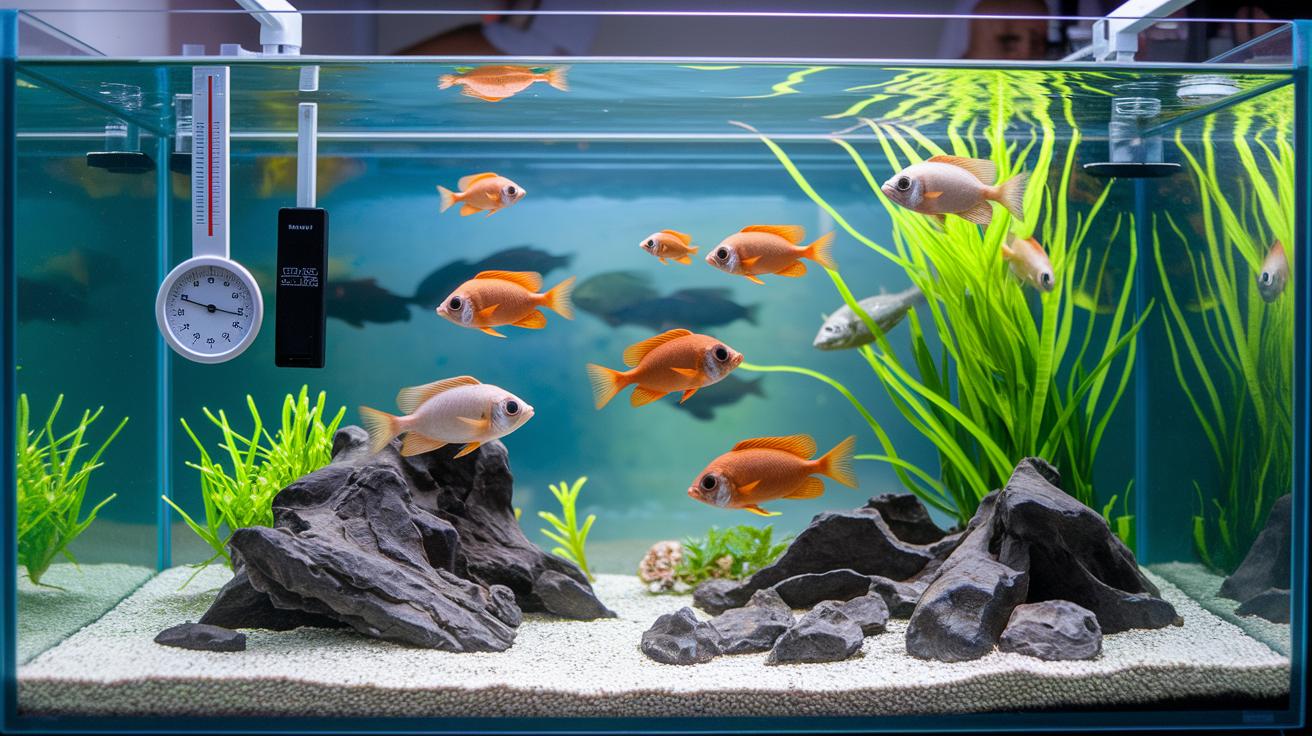
Every morning, take a few moments to check your tank’s water temperature. Keeping it just right makes your fish feel safe and cozy, like a gentle hug from the water. A trusty chemical test kit will help you confirm that ammonia and nitrite levels are zero, imagine dipping your kit in and feeling a smile as you see a perfect reading for the day.
Keep a close eye on your fish too. If you notice anything off, like odd swimming, signs of tiredness, or little spots appearing, these can be clues that your tank needs a bit of tender care. Scoop away any surface film or floating bits with a fine net, and gently clean the inside of the glass for a sparkling view.
Before you wrap up, glance over your tank’s gear. Make sure the heater, filter, and air pump are all working smoothly, just like they should.
- Check that the water temperature stays in your target range.
- Use your chemical test kit to make sure ammonia and nitrite levels are zero.
- Watch for unusual swimming, sluggish behavior, or spots on your fish.
- Skim off surface film and clear away any floating debris.
- Gently clean the interior glass so your view remains crystal clear.
- Confirm that your heater, filter, and air pump are running as expected.
Weekly Cleaning Procedures for Substrate, Decor and Algae Control
Before you start cleaning, remember to switch off your heater and filter to protect your equipment while you remove water.
- Use a siphon to vacuum about one-third of the substrate, which helps lift away waste and leftover food.
- Remove roughly 15%–25% of the tank water and immediately top it up with water that’s been dechlorinated and warmed to match the tank’s temperature.
- Gently scrape algae from the glass walls with a safe pad or blade, being careful not to scratch the surface.
- If your tank has live plants, trim any dead leaves and remove 30%–50% of any floating surfaces to keep your plants healthy.
For cleaning your decor:
- Take decor items out of the tank and place them in a container filled with tank water.
- Use a soft brush to scrub off any algae and dirt; avoid any chemicals or soaps as they can harm your aquatic friends.
- While cleaning, check each piece for any cracks or loose parts.
- Rinse everything thoroughly in dechlorinated water and let them air dry before putting them back.
- Think of your decor like cherished artwork, a gentle clean helps restore its natural shine, much like a light rain revives a weathered sculpture.
Always follow safety precautions by turning off all equipment before you start and handling each item with care.
Monthly Water Quality Testing Methods and Filter Maintenance Tips
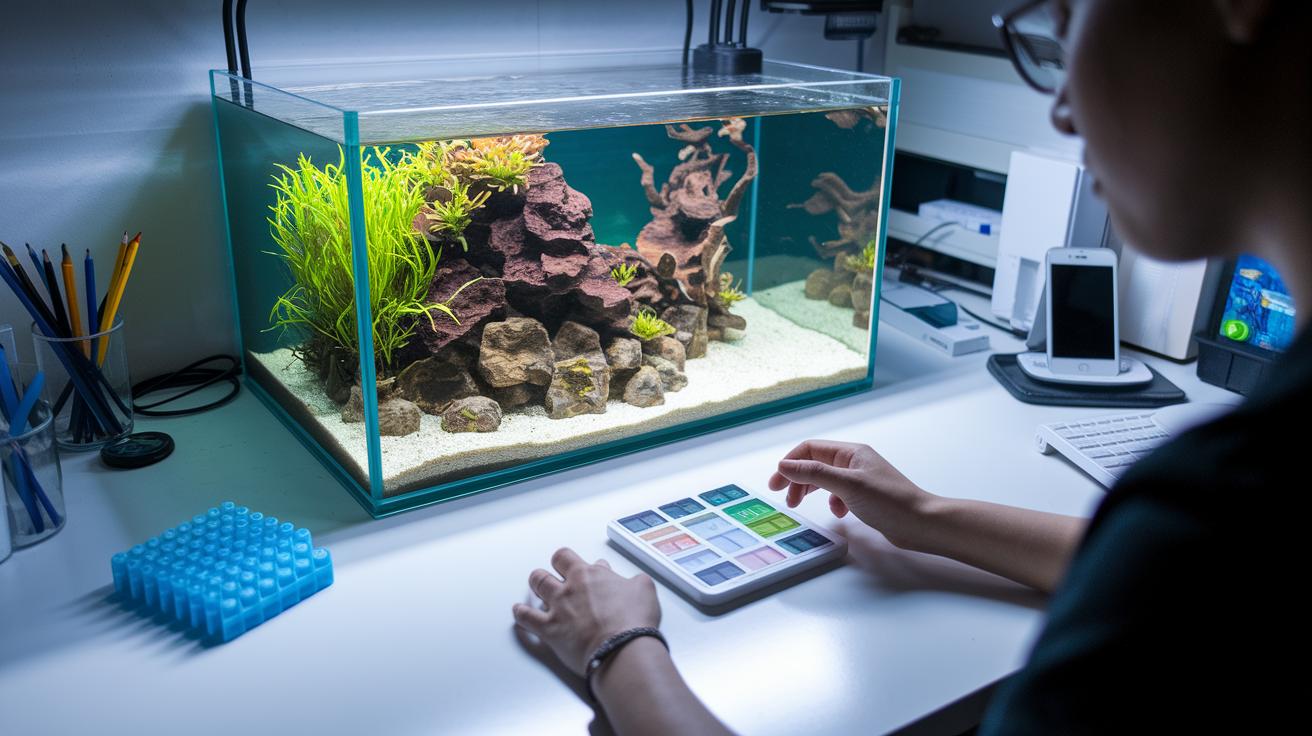
Every month, grab your multi-parameter water test kit and check your tank's chemistry. Make sure ammonia and nitrite read 0 ppm, nitrate stays below 40 ppm, and phosphate is under 0.2 ppm. Also, check that your pH falls between 6.8 and 7.8. Think of it like checking your bike’s tire pressure before a ride, it’s a simple step that makes a big difference.
- Use your kit to test each water parameter carefully.
- Compare your pH reading to the ideal 6.8 to 7.8 range.
- Write down your results to keep track of any changes over time.
After you finish testing, it’s time to focus on the filter. Here’s an easy way to keep it in top shape:
- Turn off your tank equipment before you touch the filter.
- Gently remove the filter media from the tank water.
- Rinse the cartridges, sponges, and other parts using some of the water you already removed from the tank.
- Replace any parts that look worn out to keep the biological filtration working smoothly.
Seasonal Deep Cleaning and System Disinfection Strategies
Every three to six months, give your aquarium a refreshing reset. Start by removing all decorations and gently rinsing each piece using water from your tank. This warm rinse helps sweep away buildup while keeping your tank’s delicate balance just right.
Next, take care of your hardscape and equipment with an aquarium-safe disinfectant. Grab a soft brush and gently scrub dirt off decorations, pumps, and heaters. Vacuum the substrate to scoop up hidden waste and food bits, and wipe down the outside of the glass so it shines clear like a mountain stream.
After that, check the seals on your lids, pumps, and heaters and give them a little lubrication. This small step ensures everything runs smoothly and helps prevent leaks. Soak any removable parts in the disinfectant for the time the product recommends, almost like giving your tank a deep cleansing ritual that sweeps away unwanted bacteria.
Once all parts are completely dry, put your filter, heater, and lighting back in place. Then run the system empty for 24 hours, allowing the pH and temperature to stabilize, before carefully welcoming your fish back into their refreshed home.
Troubleshooting Common Issues in Your Step-by-Step Fish Tank Maintenance Routine
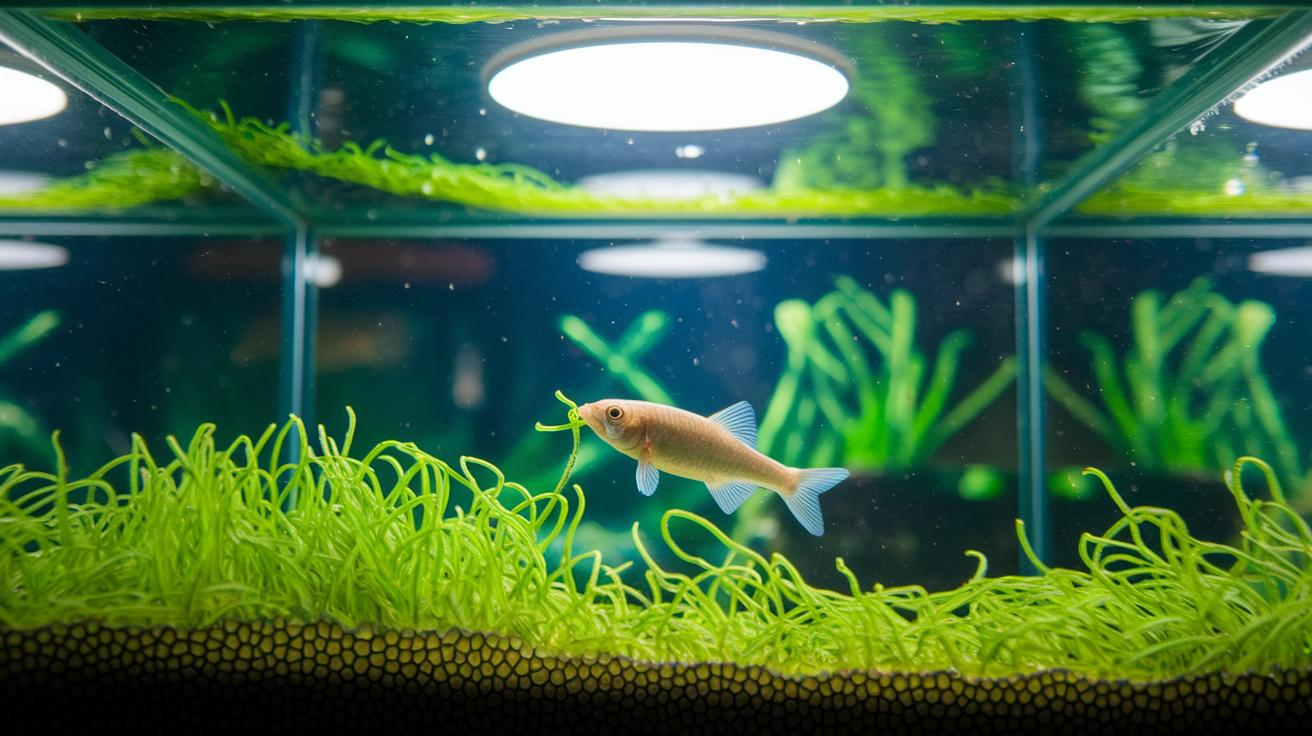
Sometimes your tank might get a bit too green because of an algae bloom. When you notice extra green creeping into your view, try giving your tank less light or cutting down on the nutrients that feed the algae. You might even want to do a water change that’s about 15% extra or add some fish that like to snack on algae to help keep things balanced.
Also, keep a watchful eye on your tank’s ammonia levels. If your test shows it’s over 0.25 ppm, it’s a good sign you should change the water more often. You can also toss in some commercial nitrifying bacteria, these little helpers break down harmful stuff. And if the water looks cloudy, that usually means the filter is struggling a bit; just let it run a bit longer and consider using activated carbon to clear things up.
If your filter ever fails to do its job, there’s no need to panic. Check the impeller for any debris or damage, because often a gentle clean is all it needs. And if cleaning doesn’t do the trick, swapping in a backup filter or a spare part can get your tank back in tip-top shape in no time.
- Reduce light or nutrient input to keep algae blooms in check.
- Change water more frequently and add nitrifying bacteria if ammonia goes above 0.25 ppm.
- Let the filter run a bit longer and use activated carbon to clear cloudy water.
- Inspect and clean the filter impeller or use a backup unit if needed.
- Boost air flow with a stronger air pump or by adding air stones to increase dissolved oxygen.
Final Words
In the action, this guide walked us through daily care checks, weekly cleaning tasks, monthly water testing, and seasonal deep cleaning. Each section detailed essential steps from routine substrate vacuuming to troubleshooting common issues. The blog laid out a clear, step-by-step fish tank maintenance routine to keep your aquatic environment balanced and vibrant.
Take these insights to heart as you care for your tank, and enjoy the calm, clear water that makes every moment with your fish special.
FAQ
What are the key steps in a step-by-step fish tank maintenance routine for beginners?
The routine for beginners includes daily care, weekly cleaning, and monthly water testing. This covers temperature checks, debris removal, partial water changes, substrate vacuuming, and filter cleaning to keep your tank balanced.
What should be included in a fish tank maintenance checklist and log?
A checklist and log let you track daily inspections, scheduled cleaning, water changes, and filter maintenance. Recording these tasks helps you maintain water quality and manage routine care effectively.
What options are available under aquarium maintenance services near me?
Local maintenance services usually offer regular cleaning, water testing, and equipment checks. These services help keep your tank in top shape, letting you enjoy your aquatic life without extra hassle.
How can I keep my fish tank clean without changing water?
Keeping your tank clear without water changes relies on regular debris removal, filter checks, and algae control. Daily surface skimming and periodic vacuuming help manage waste and maintain clarity.
What items are found in a typical Fish Tank Maintenance Kit?
A maintenance kit often includes a siphon, test kits, a net, an algae pad, and a brush. These tools assist in routine water testing, waste removal, and tank cleaning to promote a healthy aquatic home.
What is a regular maintenance schedule for aquariums?
A regular schedule features daily checks, weekly cleaning like partial water changes and vacuuming, monthly filter upkeep and water testing, plus seasonal deep cleaning to keep your aquarium thriving.
How do I perform a fish tank cycle step by step?
Cycling a tank involves building beneficial bacteria by adding a small dose of ammonia, running the filter continuously, and testing until ammonia and nitrite levels drop to zero, preparing the tank for fish.
What is the golden rule for tank maintenance?
The golden rule is consistent, regular care. Regular water tests, debris and filter cleaning, and adherence to a cleaning schedule help maintain a stable, healthy environment for your aquatic life.