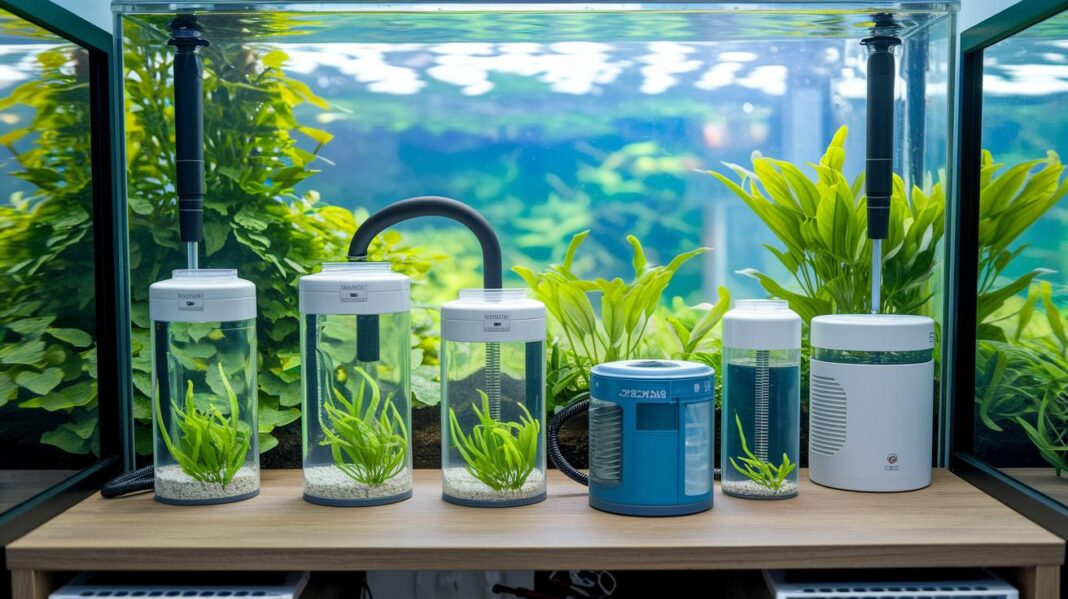

Have you ever wondered why your aquarium gear doesn’t seem to last very long? Taking care of your tank’s equipment is a bit like tending a small garden, you water, trim, and sometimes refresh the soil. Regular upkeep keeps everything running smoothly and even saves you money in the long run. In this post, I’ll share five easy tips to help your pumps, filters, and other gadgets last longer. Even small tweaks in your routine can make a big splash in keeping a healthy, happy home for your underwater friends.
5 tips for extending the lifespan of your aquarium equipment
Taking care of your tank is like looking after a little underwater world. Regular care and a bit of routine maintenance can make a big difference. Every month, give your pumps and powerheads a gentle clean to keep them free of buildup , this stops them from wearing out too quickly.
Before cleaning, always unplug and remove any devices so that the cleaning process doesn’t stir up debris and cause clogs. Proper water flow is like a life force for your tank; it helps oxygen mix with the water and keeps the natural balance of gases and nutrients right on track.
Having a regular cleaning routine stops parts from being overworked and can save you money on repairs later. It’s all about creating a healthy, thriving space for your aquatic friends.
Here are some friendly tips to help you keep your gear in top shape:
- Clean your pumps and powerheads every month to prevent buildup.
- Always disconnect devices before you clean to avoid spills.
- Stick to a routine maintenance schedule so you catch any early signs of wear.
- Keep the water moving steadily to maintain a balanced mix of oxygen and nutrients.
- Check cables, plugs, and nearby electrical parts regularly for any signs of aging or damage.
- Use only non-toxic cleaning solutions to protect plastic parts.
- Work in a cool and well-ventilated area to prevent electronics from overheating.
Each of these steps helps your equipment last longer, just like a steady current that supports life in your favorite underwater landscape. Enjoy your journey in creating a beautiful, long-lasting aquarium!
Equipment Cleaning Routines: From Pumps to Filters
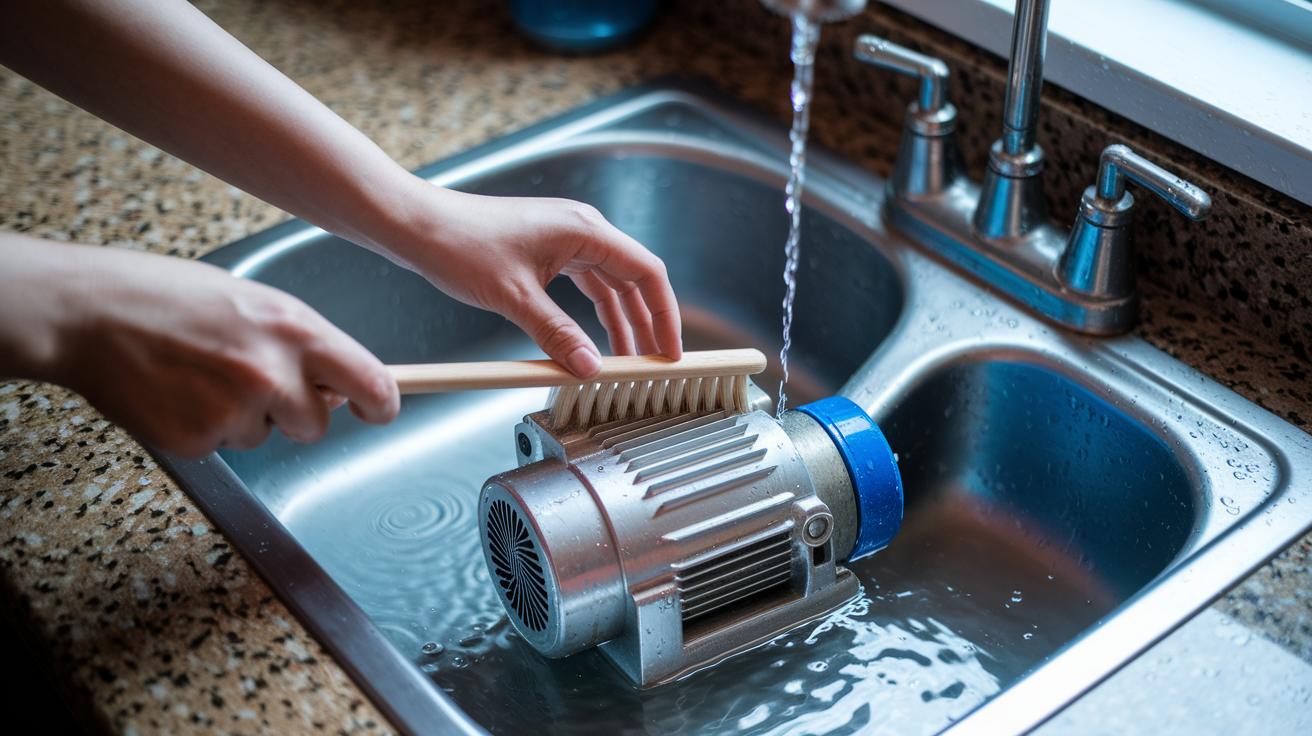
First, make sure your pump is off. Unplug it and gently remove it from the aquarium so nothing gets kicked up that might block your filter lines or mess with your water.
Next, mix up a safe cleaning solution using citric acid. Use 1 cup of citric acid for every gallon of water. Dunk the pump in this mild bath and let it run for a short moment so the solution can break down any buildup. It’s like giving your pump a little spa treatment without any harsh chemicals that might hurt its plastic parts.
Now, take the pump apart by removing pieces like the impeller and the drive shaft. Grab a stiff-bristled brush and scrub these parts for about 15–20 minutes. Think of it as carefully washing a favorite dish, making sure you reach every hidden corner for a fresh, sparkling clean finish.
Once all parts have been scrubbed, rinse them thoroughly with RO water to wash away any leftover cleaning solution. A routine like this once or twice a month can really help your pump run better and last longer, keeping your aquarium safe and vibrant.
| Step | Description |
|---|---|
| Power Down | Turn off and unplug the pump. |
| Remove Pump | Gently take it out of the tank to avoid stirring up debris. |
| Citric Acid Bath | Submerge in a cleaning solution (1 cup citric acid per gallon of water) for a brief run. |
| Disassemble & Scrub | Take apart the pump and scrub with a stiff brush for 15–20 minutes to remove deposits. |
| Rinse Thoroughly | Wash all parts with RO water to clear any traces of the solution. |
Scheduling Regular Maintenance and Inspections for Longevity
Keeping a regular routine for your aquarium care is like making sure your favorite pond stays clear and lively. When you plan out your maintenance, you give your gear the best chance to stay in top shape. Setting up a schedule prevents your equipment from being overworked and lets you catch early signs of rust or wear. For instance, changing your filter media every 4 to 6 weeks keeps your water fresh, and checking your pumps monthly helps ensure everything runs smoothly. Then, a full check of your entire system every few months lets you spot any tiny issues before they turn into a big problem.
Using a simple logbook or setting up automated reminders can work wonders. These little helpers make sure you never miss a task and keep your tank's routine flowing just right. Regular checkups can stop unexpected breakdowns and help maintain a balanced mix of water and nutrients for your aquatic friends.
Here are some friendly intervals to remember:
- Replace filter media every 4–6 weeks.
- Check pumps at least once a month.
- Do a complete system inspection every quarter.
- Keep an eye on your gear regularly to spot any early signs of wear.
- Use a log or set reminders for these tasks.
By sticking to this routine, you build a steady and healthy aquarium environment. This approach not only improves the lifespan of your equipment but also keeps your underwater world vibrant. For more details on setting up a routine that works perfectly, check out this guide on a stable aquarium ecosystem: (https://sweetfysh.com?p=1059). Taking these steps keeps your aquatic home thriving while reducing repair costs and helping everything work like new.
Optimizing Pump Performance and Electrical Safety Measures
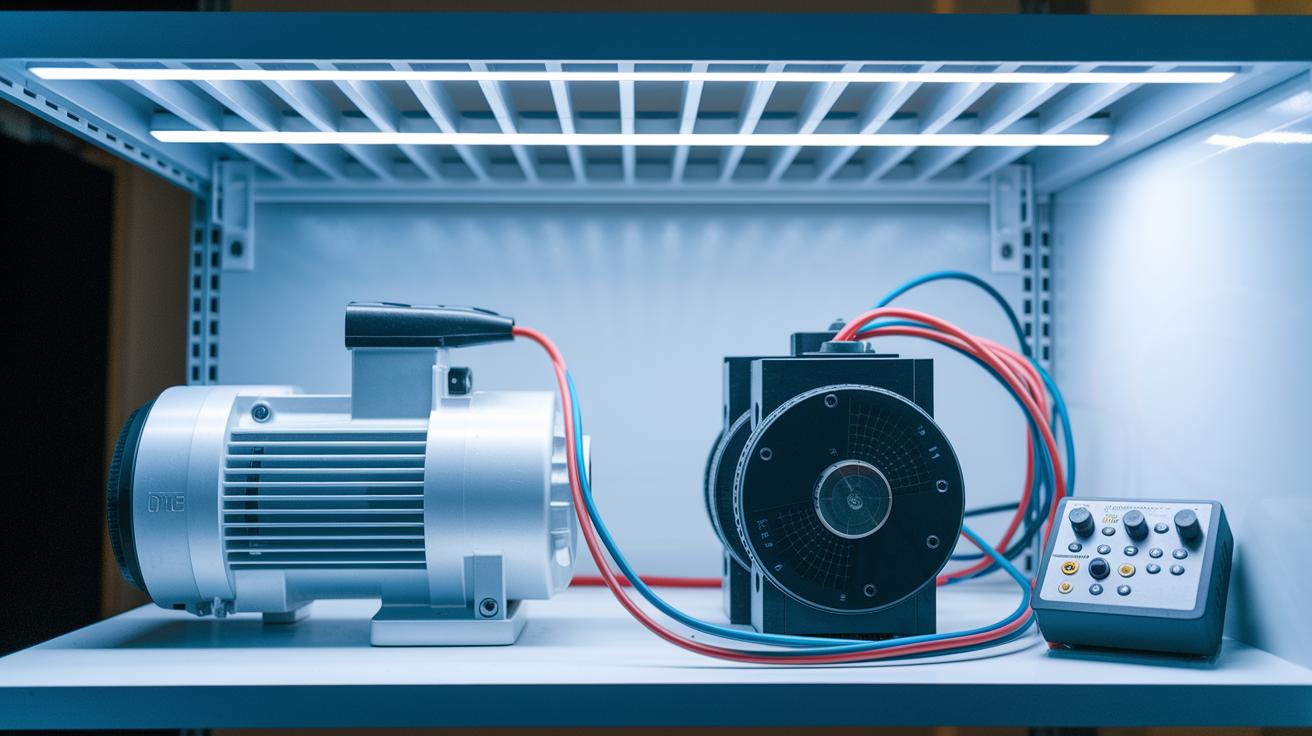
Keep your pump happy and running smoothly by taking care of both its performance and electrical safety. Think of your pump and its controller like a pair of fish in a calm, open pond, they need plenty of room and fresh air. Place them somewhere well-ventilated so they can breathe easy and stay cool, just like enjoying a gentle current on a sunny day.
Make sure your pump’s electronic parts feel loved by keeping their space clean. I like to clean the cooling fans every week, much like one would gently clear away small bits of debris from a clear stream. This simple act helps the fans spin freely and prevents dust or lint from blocking the airflow, ensuring the pump feels refreshed and ready for action.
Be kind to your cables and connectors by not cramming them in tight. Instead, loosely coil them or use soft ties to keep them in place. This gentle handling prevents stress on the inner copper wires, much like not tangling the graceful fins of a fish. Also, take a moment now and then to inspect your cords, plugs, and outlets for any signs of fraying or moisture, they are the lifelines that keep your pump swimming strong.
Here are a few quick pointers to keep in mind:
| Quick Tip | What to Do |
|---|---|
| Airflow | Place the pump in a spot with plenty of fresh air |
| Cooling Fans | Clean them weekly to remove dust and buildup |
| Cable Management | Avoid tight wraps; loosely coil or tie them gently |
| Inspecting | Regularly check cords, plugs, and outlets for any damage |
| Moisture | Keep all electrical parts dry to prevent issues |
By taking these simple steps, you help your pump keep swimming smoothly, extend its life, and keep your aquatic setup safe. Ever notice how a clean, well-cared-for tank makes you feel at ease? Keeping your pump in top shape brings that same calm into your underwater world while saving you from costly repairs later.
Monitoring Water Circulation and Preventing Flow Issues
Imagine your aquarium's water flow as a gentle current that keeps everything refreshingly alive. When water moves just right, it helps mix in oxygen, swap out gases, and gives a boost to the helpful bacteria that clean your tank, kind of like letting a cool stream revive each fish.
But if clogs or sluggish water slow things down, your equipment works harder than it should. That extra strain can wear out your gear sooner than expected. So, it's a smart move to check on your system regularly before a little issue grows into a big headache.
Take a quick peek at the pump to see if anything is blocking the impeller, the spinning part that keeps the water moving like a lively current. Also, have a look at the intake grilles for any algae buildup that might be blocking the flow. A simple flush of the lines can clear away sediment, just like rinsing off a favorite snack to get rid of any leftover bits.
These little actions work together to keep your underwater world calm and well-balanced. Regular checks are like a refreshing rinse that helps prevent problems before they start, letting your equipment run smoothly and your fish swim happily every day.
Preventive Upkeep and Early Troubleshooting Tactics
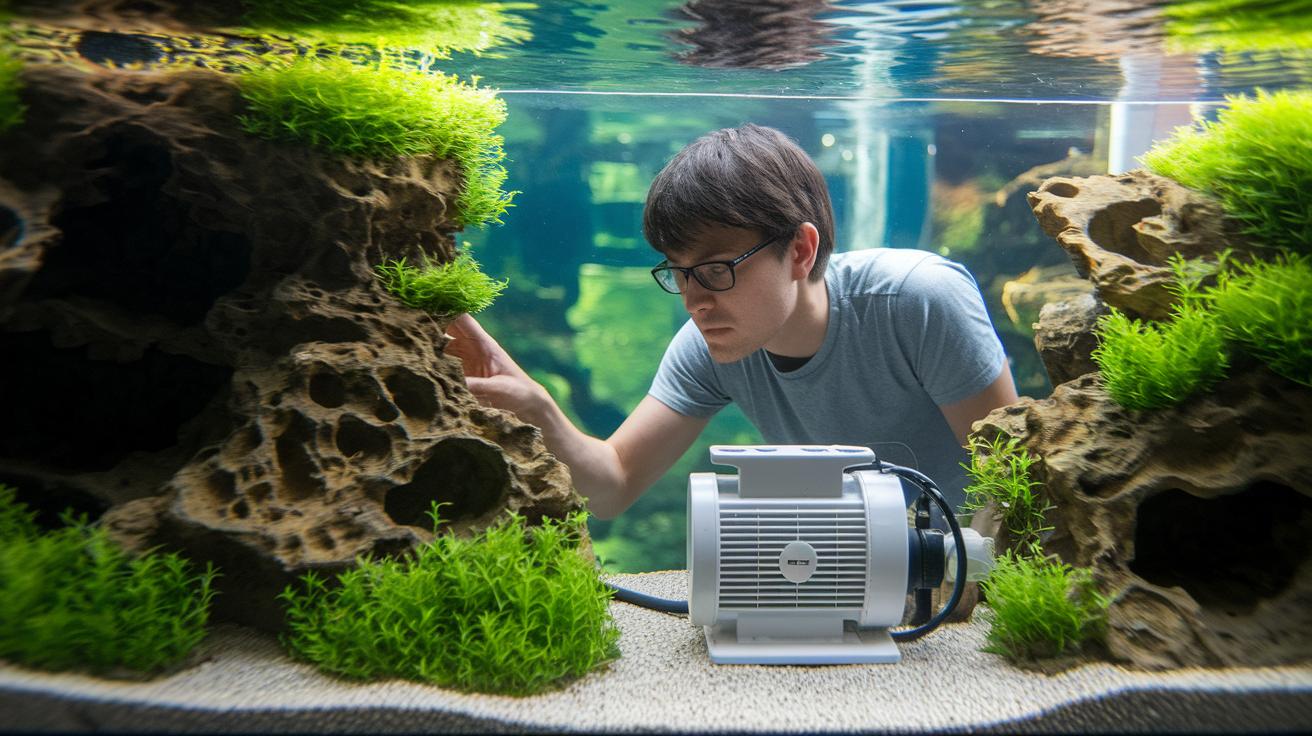
Listen closely to your pump like it's a friend from the deep; notice if its gentle hum starts sounding off or if the flow changes like ripples on a calm pond. Catching these small hints early lets you address tiny issues before they grow into big waves. For instance, if the soft whirl you once loved turns into a louder buzz, it's a nudge that a part might be wearing down, inviting you to take a look.
Avoid reusing vinegar for cleaning because it can weaken plastic parts and upset the delicate balance of your aquarium world. Instead, stick with a citric acid solution or another non-toxic cleaner to keep your pump safe and sound.
Here are a few friendly tips to help you spot and fix minor problems:
- Listen often for unfamiliar sounds coming from your pump.
- Check for any changes in vibrations that might hint at an issue.
- Make sure the water flow remains gentle after cleaning so it doesn’t overwhelm your overflow system.
- Use cleaning agents that are safe and kind to your equipment.
- Inspect electrical connections, cords, and plugs for any early signs of wear.
Doing these simple checks is like giving your pump a little care, helping it swim along happily for a longer time while keeping repair costs down. For more detailed tips on troubleshooting, check out troubleshooting common issues in aquarium ecosystems.
Final Words
In the action, the post covered practical methods to keep your aquarium equipment running smoothly. It outlined regular cleaning routines for pumps and filters, scheduled checks, optimal pump care, water flow monitoring, and early troubleshooting tactics.
These core practices help maintain a visually appealing and healthy underwater habitat while cutting long-term expenses. Remember, taking these simple steps can make a huge difference in equipment life, so follow our tips for extending the lifespan of your aquarium equipment and enjoy a thriving aquatic environment with peace of mind!
FAQ
What are some tips for extending the lifespan of your aquarium equipment?
The advice for extending your aquarium equipment’s life includes regular cleanings, proper water quality checks, and a fixed maintenance schedule. These habits help reduce wear and cut down long-term costs.
What does aquarium care for beginners involve?
The guidance for beginner aquarium care involves learning simple routines like cleaning, equipment checks, and water conditioning. Following these basics creates a stable environment for your fish.
How do you prepare water for a fish tank?
The method for preparing water for a fish tank involves treating tap water to remove harmful chemicals, balancing pH levels, and adjusting temperatures so your fish have a safe and comfortable home.
How do I maintain my fish tank at home and keep it clean for longer?
The strategy for maintaining a fish tank at home is setting up regular cleanings, checking filters, and using water conditioners. This routine helps keep the tank clear and supports a healthy aquatic environment.
Should I use spring or distilled water for my fish tank?
The choice between spring and distilled water comes down to water testing. When conditioned to remove unwanted chemicals, either water source can work, but always test before using to protect your fish.
What do aquarium maintenance services offer?
The explanation for aquarium maintenance services is that they provide expert, routine cleaning and checks. This professional support keeps your equipment in good shape and eases the task for busy aquarists.
How does a fish tank water conditioner work?
The description for a fish tank water conditioner is that it neutralizes harmful chemicals like chlorine from tap water, making it safe for your fish and ensuring a balanced, healthy habitat.
How many years does an aquarium last?
The answer to an aquarium’s longevity varies, but with proper care and regular maintenance, both the tank and its equipment can perform well for many years, forming a trusted home for your aquatic life.
Can I leave my aquarium light on 24/7?
The explanation for leaving your aquarium light on continuously is that it’s not ideal, as fish and plants need a natural day-night cycle. A regular light schedule helps maintain a healthy tank ecosystem.
What is the golden rule for tank maintenance?
The rule for tank maintenance is keeping a consistent cleaning and inspection schedule. Regular check-ups help prevent equipment issues and create a stable home that supports all your aquatic friends.