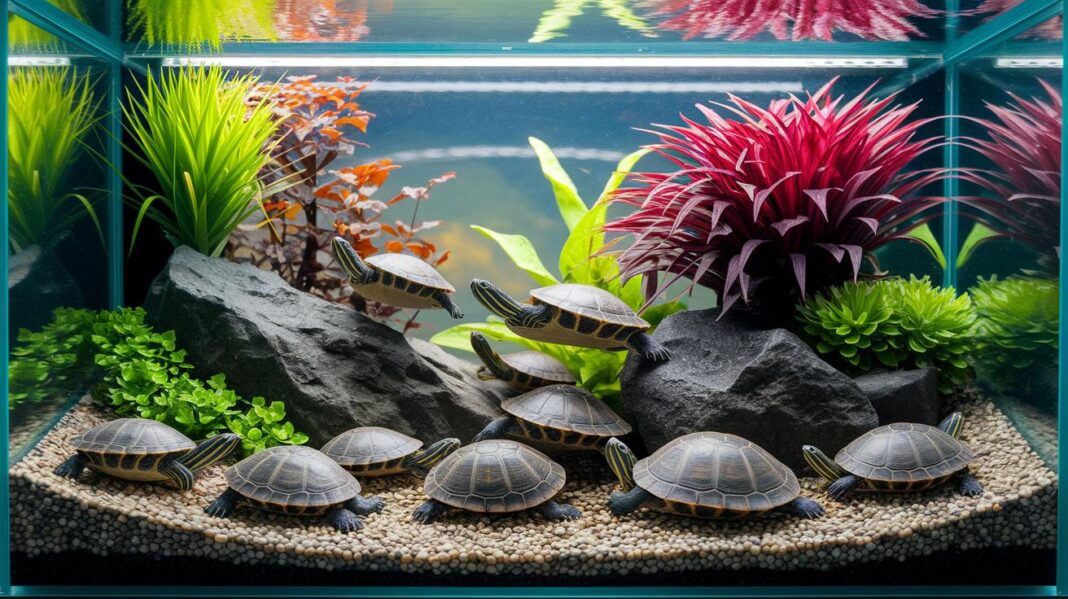

Ever thought about giving your turtle a home as cheerful and bright as a sunlit pond? With a few easy changes, you can create a snug tank where your little swimmer feels active and cared for.
Let’s break it down: First, choose a tank that’s just the right size for your pet. Next, adjust the water temperature so it feels like a warm, inviting bath. And finally, design a cozy basking spot where your turtle can relax, much like settling into a soft, sandy nook.
Before you know it, your turtle’s tank will be a peaceful retreat, a little slice of calm that welcomes your pet like a gentle, refreshing ripple on a sunny day.
Comprehensive Turtle Tank Setup Guide
Pick a tank that offers about 10 gallons for every inch your turtle’s shell will grow. So if your turtle might reach 4 inches, go for a tank with at least 40 gallons. Also, keep the water as deep as about one and a half times your turtle's length so it can swim easily.
Then, add a water heater to keep things comfortably warm. Use one with a thermostat to hold the temperature steady between 73 and 84°F. This small step helps your turtle stay relaxed. For even warmth, set the heater near where the water swirls but not too close to the basking spot.
Next, set up a filter that can move water equal to 2 to 3 times the tank’s volume every hour. For example, a 50-gallon tank works best with a filter that cycles more than 100 gallons per hour. This keeps the water sparkling clean and helps your turtle stay healthy.
Give your turtle a dry place to bask. Make a platform about one and a half times the turtle’s length and use a heat lamp to keep it warm, around 85 to 90°F. Think of this spot as a sunny resting area where your turtle can dry off and soak up the UVB light it needs to stay strong.
Finally, hang a UVB lamp so that it covers at least half the length of the tank, placing it 10 to 12 inches above the basking area. Replace the bulb every 6 to 12 months to keep it working well. You could even use a timer to run the light for 12 to 14 hours, then give it 10 to 12 hours of darkness, just like nature’s day and night cycle.
Follow these steps and you’ll create a turtle home that feels like a gentle pond, spacious, clean, and perfectly lit, making it a cozy habitat for your little swimmer.
Turtle Tank Setup: A Bright Home for Turtles
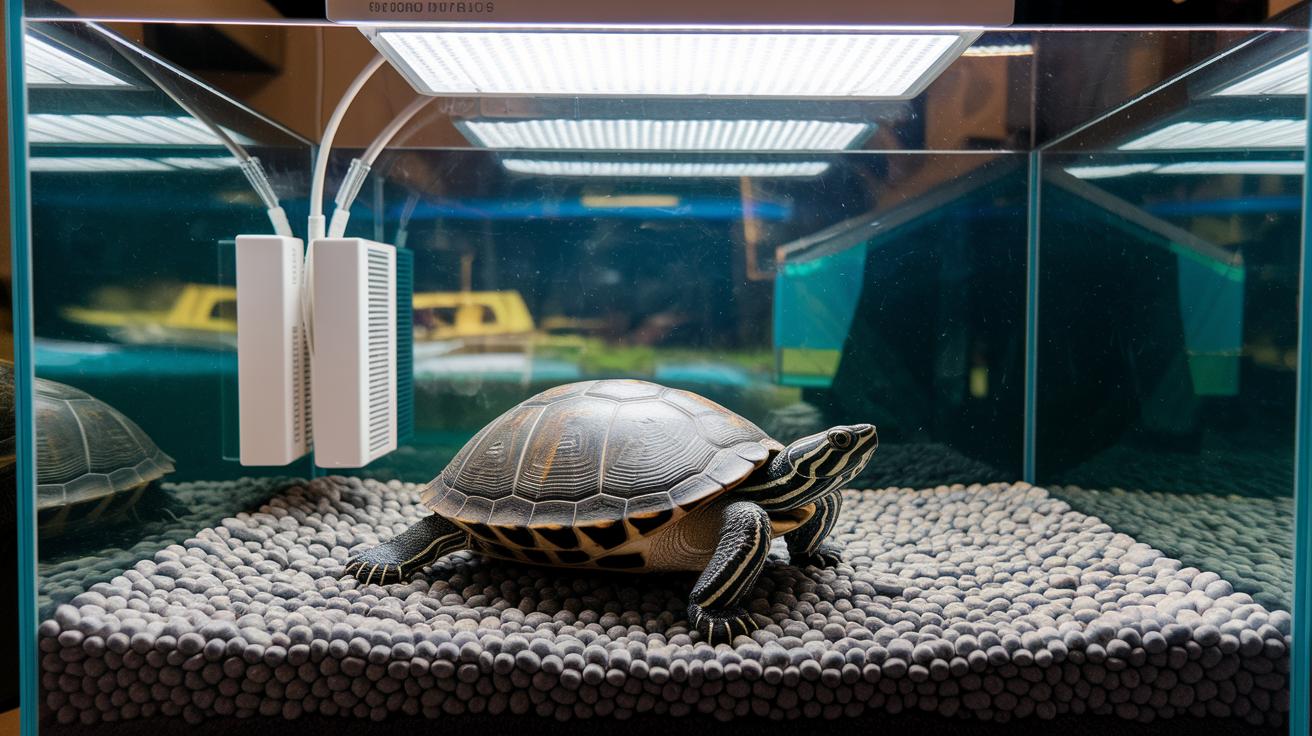
If you’re just starting out with young sliders, a 20-gallon tank is a great cozy spot for them to begin with. As your turtles grow, they’ll appreciate a bigger space, around 40 to 55 gallons, or even more.
Keep the water depth about 1.5 times the length of your turtle’s shell. This simple trick lets your turtle swim around comfortably without feeling cramped.
A strong filter is a must-have. Choose one that can move water two to three times the tank’s total volume. This keeps your water clear and clean even when there’s lots of waste.
Here are some filter options that work well for turtle tanks:
- Hang-on-back filters – provide a solid mid-range option with easy access.
- Canister filters – offer high capacity with an external setup.
- Sponge filters – serve as a good backup for extra biological cleaning.
This tip is just one piece of a bigger guide, offering beginners a focused suggestion to create a bright and safe home for their turtles.
Temperature and Lighting Essentials in Turtle Tank Setup
Water Temperature Control
Keep your turtle's water between 73°F and 84°F using an aquarium heater with a dependable thermostat. Place the heater where the water flows steadily, but away from the basking zone so the heat stays even, kind of like a smooth, flowing stream. A friend once mentioned, "I moved my heater several times until the water felt as calm as a quiet pond." Remember to check the temperature often with a thermometer to be sure it's just right.
UVB and Heat Lamp Configuration
Hang your UVB bulb so it covers at least half the tank's length and stays about 10 to 12 inches above the basking area. This gives your turtle the right amount of UV light to keep its shell healthy. Make sure to replace the bulb every 6 to 12 months so it stays effective. For the heat and UVA-UVB lights, set a timer to mimic a natural day, about 12 to 14 hours of light, followed by 10 to 12 hours of darkness. One keeper shared, "When I set my timer, the tank lights up like a gentle sunrise, easing my turtle into the day."
Constructing the Ideal Basking Area in Your Turtle Tank Setup
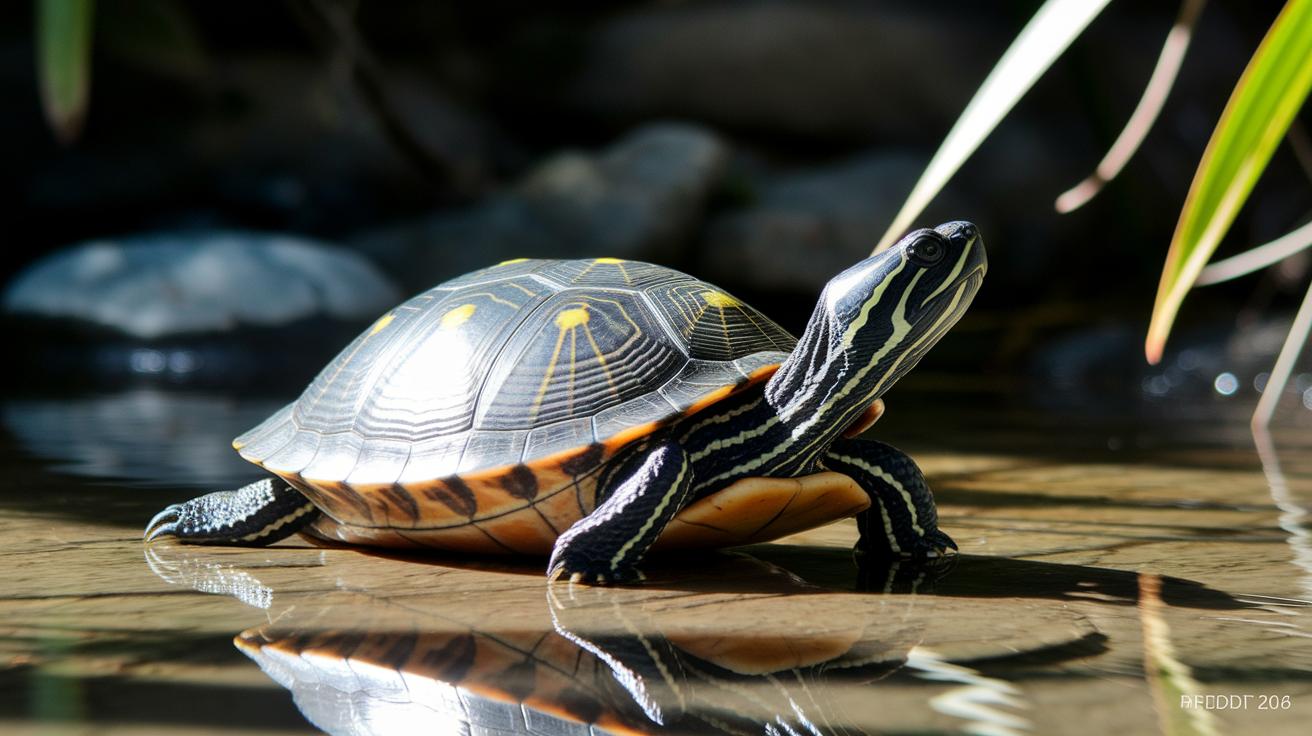
Start by planning a platform that’s about one and a half times the length of your turtle’s shell. This gives your little buddy plenty of room to dry off and relax. You can use non-toxic resin, driftwood, or even a commercial reptile dock, each of these is safe and durable for your pet.
Place the basking spot where your turtle can easily climb out of the water. It’s best to put it right under the heat and UVA-UVB lights so the area stays warm and your turtle gets the proper UV exposure. One keeper once mentioned, "My turtle always heads straight to the sunny spot under the heat lamp," which shows how well it works.
Here are some handy tips to get the perfect platform:
| Tip | Why It Matters |
|---|---|
| Choose a smooth, secure surface | Prevents your turtle from slipping |
| Use water-resistant materials | Keeps the structure intact for a long time |
| Ensure it’s sturdy | Supports regular use without wobbling |
Think of the basking area as a little retreat for your pet, a safe haven that mixes cozy warmth with the right amount of UV light, all while adding charm to your turtle’s setup.
Decor and Substrate Choices for Turtle Tank Setup
Picking the right base for your turtle tank is all about blending a beautiful look with your turtle's safety in mind. There are a few choices that can work well for you. For instance:
- Bare bottom – it’s super easy to clean but might be a little slippery.
- Smooth river stones – they add a neat, aquatic vibe and are simple to maintain.
- Sand – it brings a natural feel to your tank, though it can pack down over time.
Each of these options creates its own mood in your tank. A bare bottom lets you focus on your turtle’s graceful moves, while smooth river stones can remind you of a calm, flowing stream. Sand gives your setup a cozy, natural pond look.
But the base is only part of the story. Adding fun decor items can make your turtle’s home even more inviting. Think about using PVC pipes that double as playful tunnels, floating logs that look like real driftwood, or small turtle hides that offer comfy little spots for your pet to chill. These pieces not only enhance the tank’s visual appeal but also give your turtle places to explore and feel secure.
Mixing the right substrate with engaging decor elements creates a balanced setup that is both easy to care for and offers a natural, soothing environment for your turtle. Enjoy watching your little friend explore its aquatic world, it might even bring a sense of calm to your own day.
Maintenance Routine and Water Quality in Turtle Tank Setup
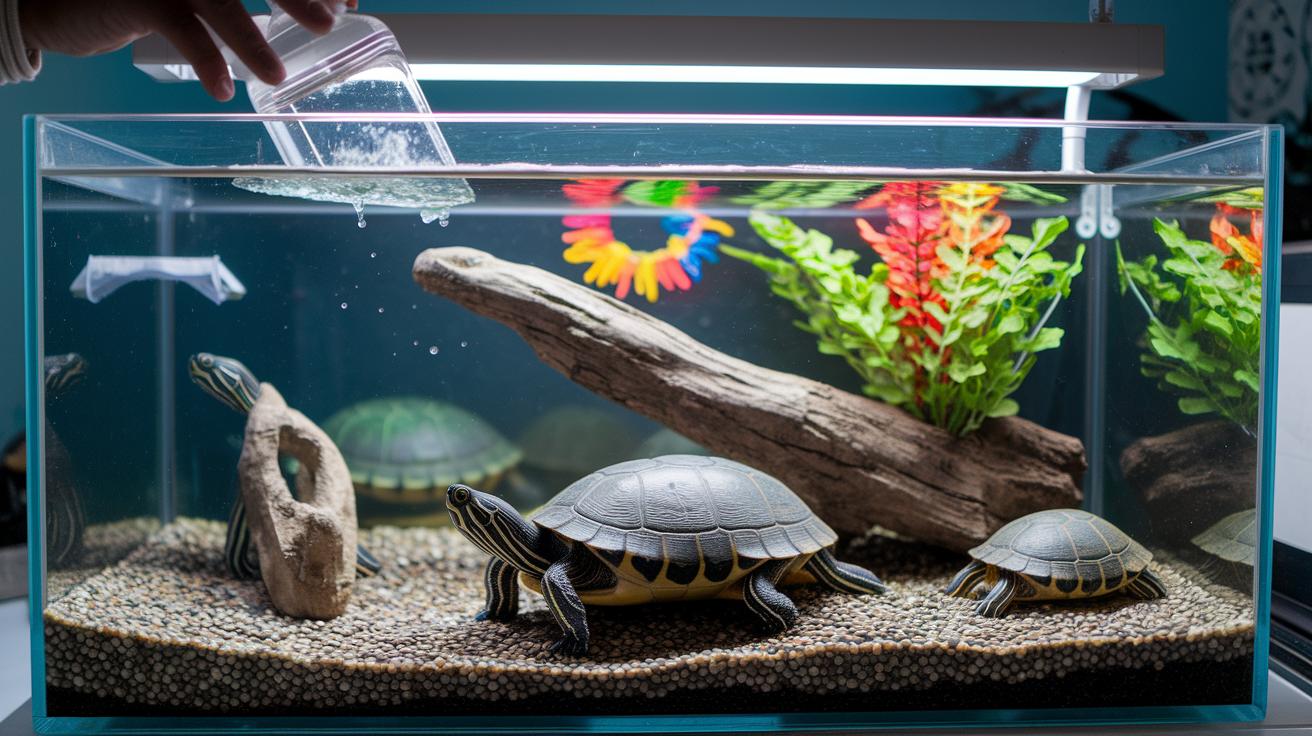
Routine Water Changes
Keeping your turtle tank clean is a bit like tending to a small, lively pond. Every week, try swapping out 30 to 50% of the water if you don’t have a filter. This practice helps clear away extra waste, keeping the tank sparkling and safe. If you have a filter, even then it’s a good idea to do water changes from time to time to help keep things balanced. Always remember to remove chlorine from the new water before adding it to your tank. Testing the water for ammonia, nitrite, and nitrate levels once a week is like checking the weather forecast, it helps you spot changes quickly. One keeper shared, "I love the peace of mind knowing my water tests stay steady." Writing down the details like the water change percentage and any chemical tweaks can help you see trends and prevent little troubles from turning into big ones.
Filter Cleaning Schedule
Taking care of your filter is just as important as cleaning the water. Clean the outer parts of your filter and swap out the filter media when the maker suggests, which is usually every few months. When you clean your filter, skip using tap water directly on the media. Instead, rinse it in some old tank water to keep the good bacteria safe. Jotting down the date and what you did during each cleaning session can really help you stay on track. This simple, routine care not only boosts water quality but also helps prevent stress for your turtle by keeping its home calm and healthy.
Recommended Tank Sizes by Turtle Species for Turtle Tank Setup
When setting up your turtle's home, a good rule of thumb is to allow about 10 gallons of water for every inch of shell growth. For a tiny hatchling with a shell up to 1 inch, a 10-gallon tank is just right for the start. As your turtle grows to 2 inches, a 20-gallon tank becomes a comfy space in its early months.
When the shell reaches between 3 and 5 inches, a tank holding 40 to 55 gallons gives enough depth for smooth swimming, roughly one and a half times the shell's length. And if you have a larger adult turtle or even more than one, upgrading to a tank of 75 to 100 gallons or more is a smart move.
For example, think of a 10-gallon setup as a cozy starter home for that little hatchling until its shell grows larger.
| Tank Size | Ideal For | Water Vol per Inch Shell |
|---|---|---|
| 10 gal | Hatchling (≤1 in) | 10 gal |
| 20 gal | Juvenile (2 in) | 10 gal |
| 40–55 gal | Subadult (3–5 in) | 10 gal |
| 75–100 gal+ | Adult (>5 in) / multiple turtles | 10 gal |
turtle tank setup: A Bright Home for Turtles
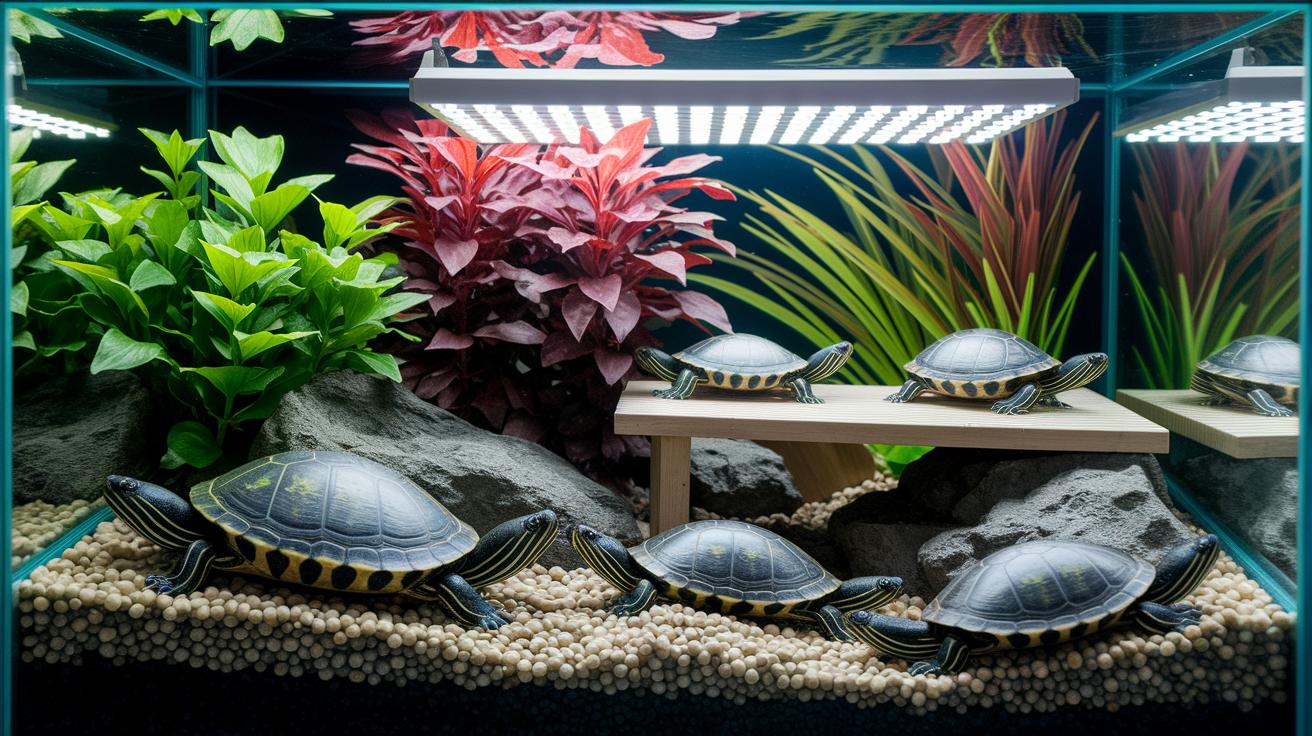
Red-eared sliders love a setup that feels lively and clean. They really need a strong filter to keep the water fresh and a lot of UVB light to stay healthy. A floating basking dock lets them soak up warmth right when the lights come on, like a little sunny patch just for them. It’s much like watching ripples on a calm pond that refresh the whole space.
Painted turtles enjoy having a few cozy spots to bask. They like several landing areas along with a gentle, shallow ramp that feels like a natural pond edge. This gives them plenty of options to climb up and relax under the morning sun. Picture it as a series of small retreats, each inviting your turtle to take a comfortable break.
Yellow-bellied sliders are happiest in water that isn’t too deep. They need room to swim freely, yet still close enough to call it home when it’s time to rest. Adding a few well-placed logs gives them secret nooks to hide and feel safe, kind of like discovering a new, exciting hideout each day.
Box turtles prefer a much shallower water environment, ideally no deeper than their shell height. They thrive with plenty of land space and a soft gradient of UVB light that lets them wander and bask at their own pace. This design makes their little world feel just right, safe, balanced, and inviting.
Final Words
In the action, this guide walked you through every key step for your turtle tank setup. We covered tank sizing, filtration options like hang-on-back, canister, and sponge filters, as well as temperature, lighting, and creating a safe basking area.
We also shared tips on eco-friendly decor, substrate choices, and regular maintenance to keep your tank balanced. Your turtle tank setup will soon shine with a clean, comfortable habitat that supports the well-being of your aquatic buddy. Enjoy building your underwater haven!
FAQ
What does a turtle need in its tank?
The turtle needs a spacious home with filtered, temperature-controlled water (73–84°F), proper lighting with UVB, and a safe basking area. These features help maintain the turtle’s health and natural habits.
How to properly set up a turtle tank?
The proper setup starts with choosing the right tank size and water depth, adding strong filtration (2–3× tank volume), installing a heater with a thermostat, setting up UVB lighting, and building a secure basking spot.
Can I put tap water in my turtle tank?
The tap water can be used if treated to remove chlorine and other chemicals. This treatment makes it safe for your turtle, protecting its sensitive skin and overall health.
What should I put in the bottom of a turtle tank?
The bottom of a turtle tank works best with choices like a bare bottom, smooth river stones, or sand. These options help with easy cleaning while offering a natural look and safe footing for your turtle.
What turtle tank kit options are available?
Turtle tank kits are available in many forms, including DIY setups, pre-assembled kits, and larger setups for species like red-eared sliders. This variety makes matching your turtle’s needs easier and more convenient.
How do I set up a tank for a red-eared slider?
The red-eared slider setup requires robust filtration, strong UVB lighting, and a floating basking dock. This design mimics its natural environment by providing swimming space and a dry area for basking.
What key features make a good baby turtle tank setup?
A baby turtle setup focuses on safety and growth with a smaller tank, gentle filtration, and adjustable water depth alongside proper heating. This ensures a secure, nurturing environment until it outgrows its space.
What differences exist between turtle and tortoise tank setups?
The turtle setup emphasizes deeper water for swimming and a secure basking spot, while a tortoise setup needs shallower water and more land area. Each design caters to the unique behaviors and needs of its species.