

Ever thought about giving a well-loved aquarium tank a new home? Many fish lovers are now discovering that used tanks can be both a quality and budget-friendly choice. Imagine a tank where every soft ripple tells a story of gentle care, just waiting to bring life and beauty to your aquatic setup. Today, we'll chat about how choosing a pre-loved tank can mix quality with savings, making your underwater display both smart and charming.
Used Aquarium Tanks: Superior Selection

Finding a great deal on a used tank is easier than ever. Imagine the gentle ripple of water as you discover a pre-loved enclosure waiting for a new home. Many fish lovers have uncovered surprising treasures, a 40-gallon tank picked up from a drive-thru dumpster or a 55-gallon tank found curbside. With so many ways to source these tanks, you can explore options ranging from local pre-owned sales to online refurbished listings. Each method has its own charm, whether you need a tank right away or enjoy chatting with fellow enthusiasts to snag a bargain.
You can hunt for these finds through several channels:
- Curbside free discoveries (yes, those curb-left tanks)
- Garage and estate sales
- Online platforms like classified ads and social marketplaces
- Local fish clubs and forums where fellow hobbyists share tips
- Specialty aquarium shops that offer trade-in stock
Mixing local searches with online exploration gives you the best of both worlds. For instance, checking online classifieds along with community marketplaces in places like Thousand Oaks, CA, lets you see a wide range of available inventory. This approach not only opens up more choices but also lets you contact sellers directly to ask questions. And when you swing by local fish clubs or specialty stores, you might even swap stories about previous aquarium finds. In truth, this balanced mix helps you land a quality tank that fits your aquatic dreams without breaking the bank.
Evaluating Condition of Pre-owned Aquarium Tanks

First off, try a simple water-test method to uncover any secret leaks. Fill up the tank either in a sink or a bathtub, and let it sit undisturbed for about one to two days. A neat trick is to mark the water level with a dry-erase marker; later, you can easily tell if the water loss is from evaporation or an actual leak. It’s a bit like running a small experiment that shows you how well your tank can hold water.
Then, take some time to feel around the seams and check the overall material quality. Gently run your fingers along the silicone joints, if anything feels brittle or worn, that might be a red flag. Look for any scratches or chips on the glass or acrylic, and check that the edges look smooth and well-finished. This close-up inspection can reveal hidden clues about how well the tank has been cared for.
Finally, think about how the tank was used before you got it. Look for any discoloration or residue buildup that might suggest it wasn’t cleaned properly or was used in a rough setting. Consider if it was home to aggressive fish or vibrant coral displays, which might have taken a toll on its durability. Taking the time to evaluate these details gives you a clear picture of the tank’s history and helps ensure it will meet your standards for a brilliant aquatic display.
Types and Specifications of Second-hand Aquarium Tanks
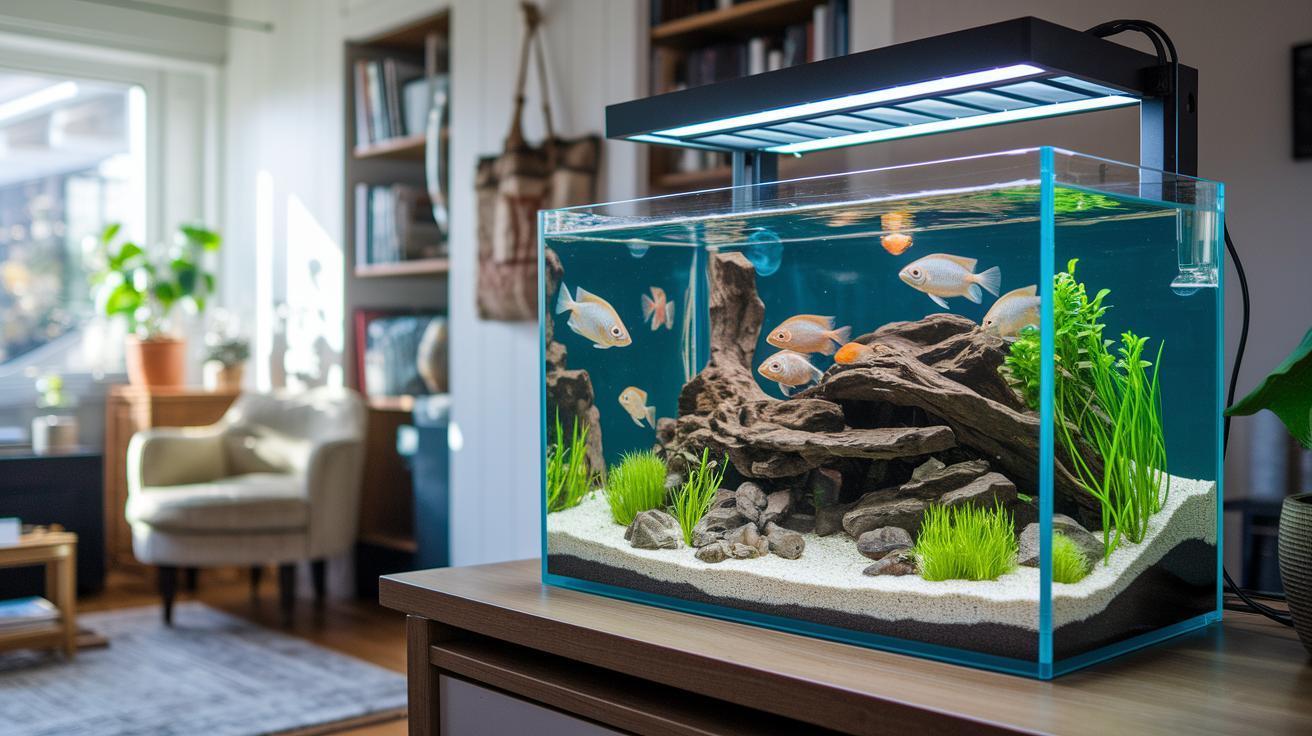
Used tanks and gear come in all sorts of shapes and sizes, perfect for every kind of aquatic display. Many fellow fish lovers enjoy refurbished tanks as cozy freshwater homes or stunning reef showcases. For example, you might find a 20"x16"x20" acrylic tank that comes with a 4-inch built-in wet-dry filter. It works great for freshwater, saltwater, or reef setups. And then there’s the eye-catching 32.5"x13.5"x74.5" jellyfish tank with a 21-inch window, a copper flange detail, and dual fluorescent lights that really make it pop. Plus, you can choose from chillers in 1/3 HP, 1/4 HP, or 1/2 HP, and pumps like the Velocity T2 at $150 or the Iwaki 70 RT at $350 to keep everything running smoothly.
| Item | Specifications | Price | Suitable Setup |
|---|---|---|---|
| Acrylic Aquarium | 20″x16″x20″, 4″ wet-dry filter | Varies | Freshwater, Saltwater, Reef |
| Jellyfish Tank | 32.5″x13.5″x74.5″, 21″ porthole | Varies | Jellyfish Exhibits |
| 1/3 HP Chiller | Up to 200 gal, digital control | Varies | Large Aquariums |
| Velocity T2 Pump | Efficient circulation | $150 | Various Systems |
| Iwaki 70 RT Pump | 1″ in/out, 1500 GPH at 4ft head | $350 | High-Flow Setups |
Many aquarists love the freedom to customize their setups. Tweaking tank dimensions or adding special fittings can turn a basic display into a perfect match for your space and style. It’s a bit like mixing the ideal blend of water and light, where each change makes your tank feel more personal. By working with knowledgeable sellers, you can adapt a pre-owned piece into something that fits your room or even a beautiful outdoor spot. In truth, these tweaks not only save money but also bring out the best in your aquatic home, making every tank uniquely yours.
Pricing Strategies for Discounted Aquarium Tank Setups
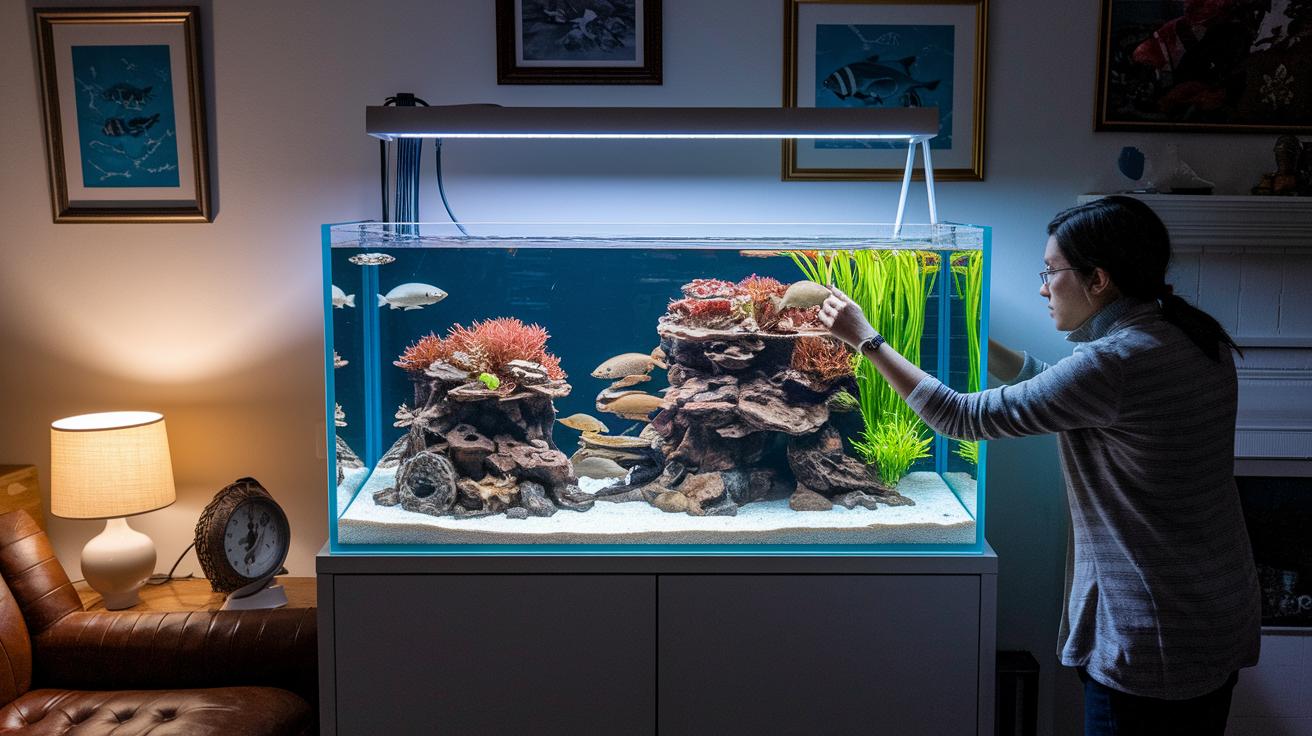
Used aquarium tanks and their gear often come with big savings compared to buying brand-new ones. Many pre-owned tanks sell for only 20% to 40% of their original price, so you can snag a deal even for larger systems. For example, a 20-gallon setup might cost you between $30 and $60, while a 55-gallon tank is often available for under $100, instead of costing over $200 if new. Pumps follow the same trend; the Velocity T2 pump usually goes for about $150 and the Iwaki 70 RT pump for around $350. Even smaller setups, like a 10-gallon or a 20-gallon tank, deliver excellent value when bought used.
When you're chatting with sellers, think about bundling different pieces of equipment to score even further discounts. They might be willing to drop the price if you agree to buy several items at once. This way, everything from pumps to chillers can fit more comfortably into your budget. Taking the time to discuss the whole package often leads to big savings and makes it easier to bring your underwater dreams to life without breaking the bank.
Setting Up and Maintaining Refurbished Aquarium Tanks
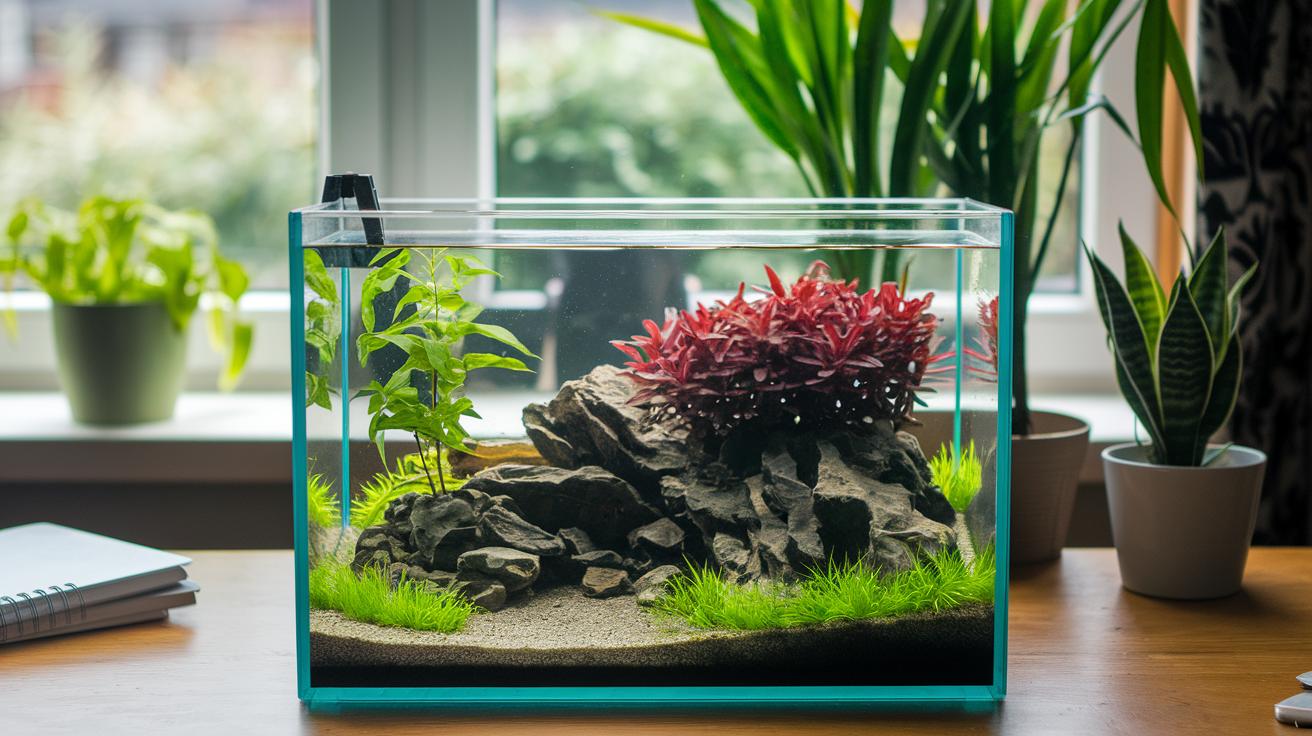
Begin by getting your tank ready for a fresh start. Remove any old silicone and leftover residue from previous setups. Carefully scrape off the hardened glue and give the tank a thorough cleaning with your preferred aquarium cleaning supplies (https://sweetfysh.com?p=50). A gentle scrub with a soft brush will uncover hidden spots that might shelter unwanted bacteria. This deep-clean step is like clearing the way for a beautiful, healthy aquatic world.
Next, think about updating your equipment to match what your tank needs now. Swap out tired, old filters for budget-friendly replacements that keep your water flowing gently and consistently. Also, consider brightening up your display with reliable, pre-owned lighting that won’t break the bank. These small tweaks can transform a basic tank into a setup that truly reflects your vision.
Once your gear is updated, it's time to create a steady biological cycle. Fill your tank with water that’s been conditioned to remove harmful substances, and add some biological media to help good bacteria grow. These friendly bacteria naturally break down problematic chemicals over time. Check the water’s pH and ammonia levels every few days to know when your cycle is complete and your tank is safe for its underwater residents.
Finally, keep your revamped tank thriving by sticking to a simple routine. Aim for weekly water changes of about 10 to 20 percent, and listen for any unusual sounds or watch for changes in water clarity. Regular care and attention will help your fish and plants flourish in their refreshed underwater home.
Buyer Reviews and Trusted Advice for Used Aquarium Tanks

When you think about getting a used aquarium tank, it’s a good idea to start by checking out what other buyers have to say. A lot of folks have shared their experiences with sellers from Thousand Oaks, CA. For instance, if you need more details about the tank’s condition, you can call 805-241-7140. Reviews usually point out that sellers who keep a clear record of maintenance offer tanks that you can trust.
It also helps to chat openly about warranties and any support you might get after your purchase. Some sellers even provide certified pre-owned tanks that come with a short trial period so you can see how well the tank performs over time. Clear talks about guarantees and past repairs can really help you avoid surprises, making your aquarium setup safe and sound.
Final Words
In the action, we explored the ins and outs of finding used aquarium tanks, from curbside treasures to online finds and local club tips. We broke down how to evaluate each tank’s condition and reviewed specific specs and pricing strategies. Next, we shared straightforward maintenance tips and trusted advice from fellow fish fans.
Each step helps set up a comfortable underwater retreat for your aquatic pets while keeping the process friendly and simple. Enjoy building your perfect habitat with quality aquarium tanks and a little helpful know-how.
FAQ
Where can I find used aquarium tanks near me or nearby?
Looking for used aquarium tanks near you means checking local classifieds, community forums, garage sales, or Facebook Marketplace. Local listings often offer affordable finds that have been cared for by previous owners.
How can I find used fish tanks for sale on Craigslist?
Searching on Craigslist reveals used fish tanks listed by fellow hobbyists. These listings usually provide detailed descriptions and local contact information to help you secure an affordable, pre-owned tank.
Where can I get large used aquariums, such as a 200-gallon or a 55-gallon fish tank?
Large used aquariums, like 200-gallon or 55-gallon tanks, are often available on sites like Craigslist, Facebook Marketplace, and local aquarium shops. These options help you get the size you need without spending as much.
What are some options to buy fish tanks for sale cheap?
Buying fish tanks at a low price is possible by exploring online community marketplaces and local ads. These methods offer budget-friendly used tanks that complete your aquatic setup with minimal cost.
Can you use a second-hand fish tank?
Using a second-hand fish tank is safe if you inspect it well and clean it thoroughly to remove any residues or damage. Make sure to check for leaks and structural issues before adding water.
What should I do with an unwanted fish tank?
If you have an unwanted fish tank, consider donating it to community groups, listing it for sale online, or repurposing it. Many aquarium enthusiasts look for inexpensive tanks to start their own setups.
Is it safe to reuse an old fish tank?
Reusing an old fish tank is practical when you check its condition, inspect seams and surfaces for damage, and perform a deep clean. This helps create a secure environment for your aquatic life.
What is the lifespan of a fish tank?
A fish tank’s lifespan depends on its material and care. Glass tanks can last for decades if maintained well, while acrylic tanks might require replacement sooner if scratches or stress compromise their strength.