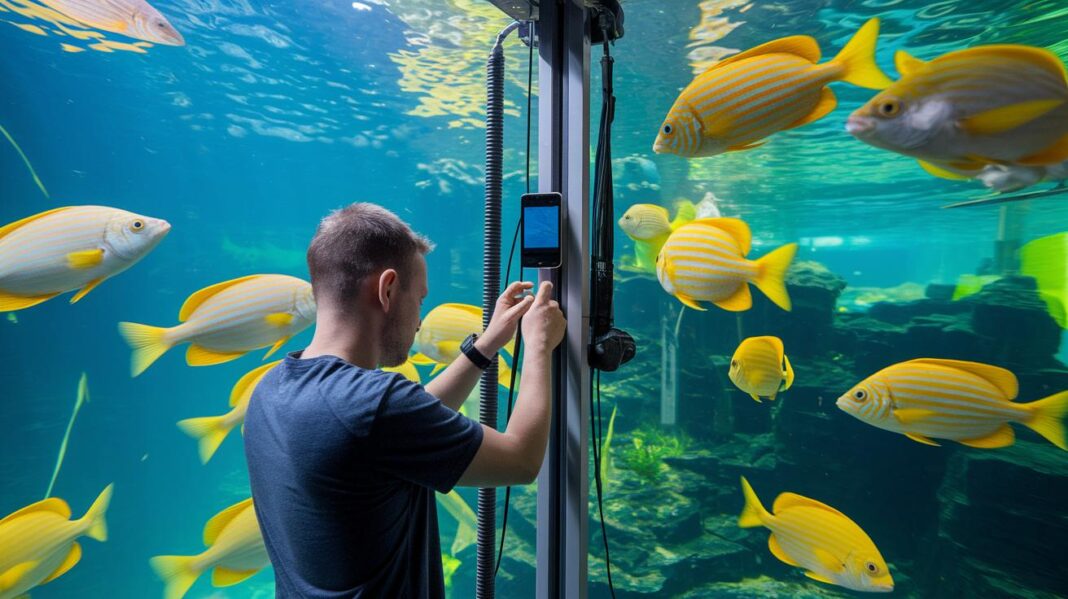

Ever worry a small change in your tank's temperature might upset your fish? Wireless systems let you keep a close eye on your aquarium by giving live updates on things like water temperature, pH, and clarity.
Imagine little sensors working like tiny guardians, sending alerts that move across the water like soft ripples. This easy, hands-free setup means you can check on your tank from anywhere, keeping your underwater pals happy and healthy.
In this post, we'll dive into how these systems work and the cool benefits they bring, so you can relax knowing your aquatic world is well cared for.
Real-Time Monitoring of Aquarium Equipment Using Wireless Systems
A setup using remote fish tank sensor systems once alerted an owner to a slight temperature change early enough to prevent damage to vibrant corals. Today’s wireless systems work like a gentle flow in your tank, using remote sensor units and water quality trackers to keep an eye on key readings such as temperature, pH, and water clarity, all in real time.
Take the Neptune Apex Classic, for instance. It pairs with two EB8 modules that watch over your tank’s temperature and can even signal a 300W Finex heater to shut off if things get too hot or too cold. This steady stream of data means you can relax knowing your fish are safe, and if something feels off, you can tweak the settings instantly.
Imagine your tank with sensors placed at just the right spots, a temperature probe near the heater and a pH sensor set up in another area. These devices send their readings through an IoT-enabled network, much like ripples spreading through calm water. I remember when I used to worry about sudden drops in water temperature; now I just check my mobile alerts and make quick adjustments even when I’m not near the tank.
Controllers like CoralVue Hydros and AquaController II are a hit among aquarists because they give quick alerts when something unexpected happens, like a sudden pH change. And then there’s GHL ProfiLux, which has earned its reputation for network reliability, it kicks in fast to help prevent any potential mishaps.
Some fish lovers have gone even further by adding smart features like AI-powered lighting that mimics natural sunlight and WiFi dosing pumps that handle feeding routines. These extras turn your setup into a full control system that keeps you posted with continuous updates. This real-time flow of information helps you maintain a healthy aquatic environment, allowing you to act as soon as any problem is detected.
Selecting Wireless Sensor Types for Aquarium Equipment Monitoring
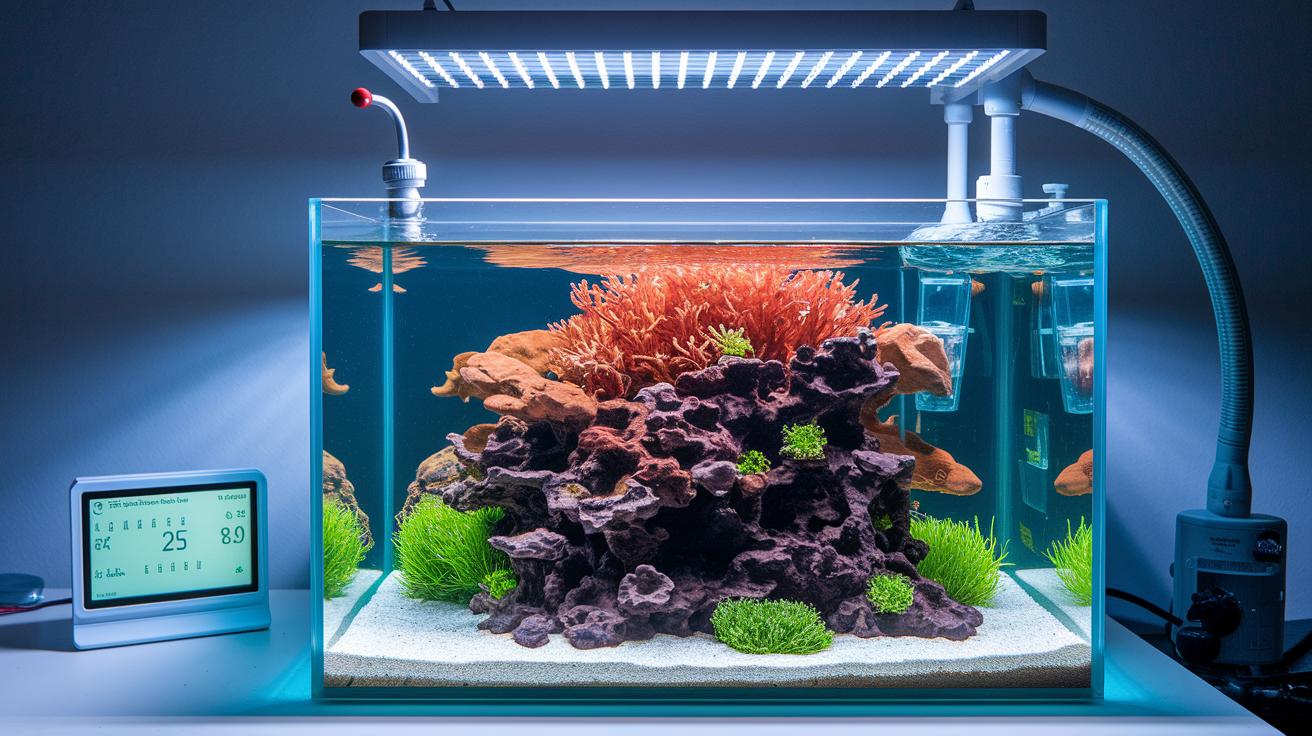
Choosing the right sensor for your aquarium is like adding a little bit of magic to your underwater world. Temperature probes work like cozy blankets for your water, ensuring it stays just right. And pH sensors help keep your water balanced so it’s never too sour or too sweet. Simple water-level detectors watch out for low water mishaps, while clarity monitors let you see the true sparkle and cleanliness of your tank.
Consider the Neptune Apex platform as a cool example. It uses EB 8 modules, which feel like little helpers watching over your tank by measuring temperature, water level, and even dosing. One time, a well-placed temperature sensor even caught an unexpected heater problem, saving a cherished collection of fish. It’s amazing how a tiny sensor can feel like a guardian in your aquatic oasis.
Then there’s the GHL ProfiLux system offering modular probes you can slowly add to your setup. Its sensors do a great job tracking changes, although it does mean you have to rely on wireless signals because there’s no built-in Ethernet backup. So, regular checks become extra important. On the other hand, the Felix controller supports basic sensors with strong vendor support. Though its list of sensors is a bit shorter, it still gives you timely alerts when something isn’t quite right.
When you set up your devices, think about how each sensor will work with your wireless system. Ask yourself if the sensor fits with your controller and matches your tank’s size and display needs. Also, decide early on if you need extra sensors for conditions like dissolved oxygen or even salt levels, making sure everything flows as smoothly as a calm stream.
Using these wireless sensor systems and water quality trackers not only simplifies the job of keeping your fish happy, it turns monitoring your tank into a little adventure. It’s all about creating an environment where every ripple really counts.
Wireless System Installation Guide for Aquarium Equipment
When setting up a wireless system for watching over your aquarium, start by planning your network and power needs as if you were arranging a great spot in your tank. For instance, one setup using Neptune Apex Classic used temperature sensors to automatically cut off a 300W Finex heater when needed. That example reminds you to plan carefully for sensor wiring and decide whether you need a battery backup or a nearby power outlet to avoid any interruptions. Choosing the right placement is key. A temperature sensor should be near heating elements, while clarity monitors are best kept in open areas where the signal can flow freely.
Next, keep your wireless modules safe by placing them in dry, well-ventilated spots. Think of it like choosing a cozy, secure nook in your tank for a shy fish. Avoid tight spaces that may trap heat; instead, pick areas where air circulates easily. This way, you minimize false readings and set up a solid base for reliable water quality tracking and remote sensor systems.
Once you have chosen your spots, follow the manufacturer’s guidelines to connect each sensor to your wireless hub. Set up the network details and do a quick test to make sure every sensor is sending accurate data. One user once mounted two temperature sensors under a cover and discovered that their readings nearly matched a manual thermometer check. That little win confirmed the installation was solid.
Finally, run your system for a full cycle before making it part of your everyday routine. Monitor the data to catch any issues with sensor response times or signal drops. Regularly check connections, battery levels, and keep your sensors clean. With thoughtful planning and careful setup, your wireless system will share your tank’s changes as smoothly as water flowing gently over a rock.
Integrating Wireless Monitoring with Smart Aquarium Control Apps
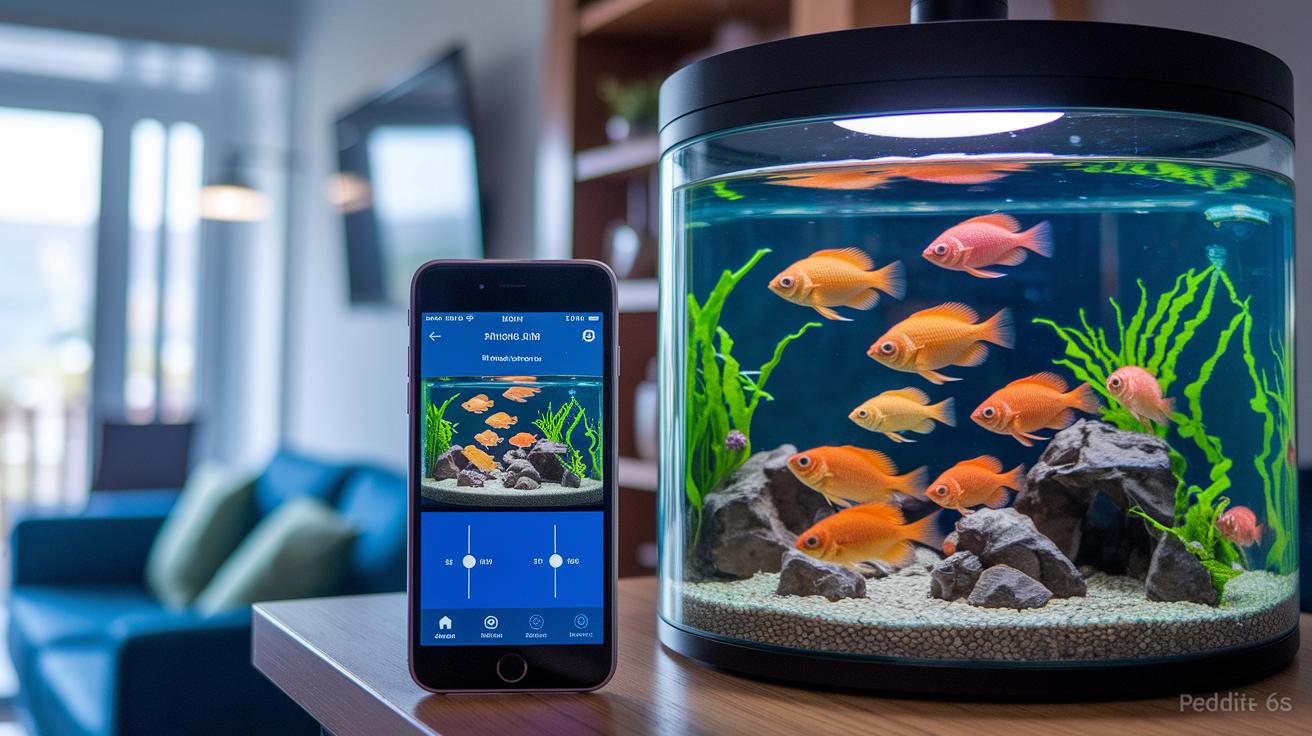
When you hook up sensors to smart apps, caring for your aquarium feels as natural as watching fish swim in a gentle current. With systems like Neptune’s Apex Fusion and GHL’s ProfiLux, you get friendly alerts on your phone, just like a caring buddy giving you a quick tap saying, "Hey, the water's a bit off; maybe it’s time to check the heater."
Let’s dive into setting up a neat dashboard on your mobile monitoring app. First, connect your remote tank sensors to the app. A few taps let you see real-time details like temperature, pH levels, and water clarity, so you can fix any issues quickly without even being at your tank.
• Connect your sensors and turn on notifications
• Customize your dashboard to see trends and alerts
• Keep an eye on several devices, like smart lighting and dosing pumps, in one app
Since some GHL units might not have built-in RJ45 ports, wireless connection is a must. Having all your water monitors in one place lets you coordinate your heating, lighting, and dosing systems smoothly. This smart integration not only keeps you in the loop but also makes maintenance as effortless as a calm swim.
Using mobile monitoring apps lets you check on every ripple and change in your aquarium from the pocket of your pants, making fish care feel simple and wonderfully modern.
Comparing Top Wireless Aquarium Equipment Monitoring Solutions
When it comes to wireless systems, each one plays its own tune in keeping your fish’s home just right. Neptune Apex is like a flexible, customizable stream that lets you add various sensors. It’s a strong pick, although a few fish enthusiasts have noticed its new design can cause slight hiccups, one aquarist even said, “I once trusted my Apex to regulate heater functions, but noticed slight inconsistencies in recent updates.”
GHL ProfiLux, on the other hand, feels as steady as the calm current in your tank. It earns high marks for running nonstop and handling different sensors smoothly. Users often share stories like, “GHL keeps my tank's conditions in check with virtually uninterrupted data flow,” which makes it a real favorite for those who value reliability.
CoralVue Hydros offers a simple plug-and-play experience that feels like a gentle dip in cool water when you want to start quickly. Its ease of use is perfect for hobbyists who enjoy getting started without a fuss, though it might not suit someone looking for a deep dive into customization.
For those watching their budget, AquaController II is an affordable catch. It might not have fancy extras, but it does carry the basic tools needed to keep an eye on your aquatic world without costing a lot.
Lastly, the Felix controller is noted for its thoughtful customer support and friendly service. However, its limited sensor ports may feel like a small tank if you're planning to expand your system.
In truth, each option has its own style, whether you’re after advanced settings, a steady data flow, or keeping costs down. Choose the system that feels just right for you and your tank, much like finding that perfect pebble to complete your underwater scenery.
Troubleshooting Wireless Aquarium Equipment Monitoring Systems
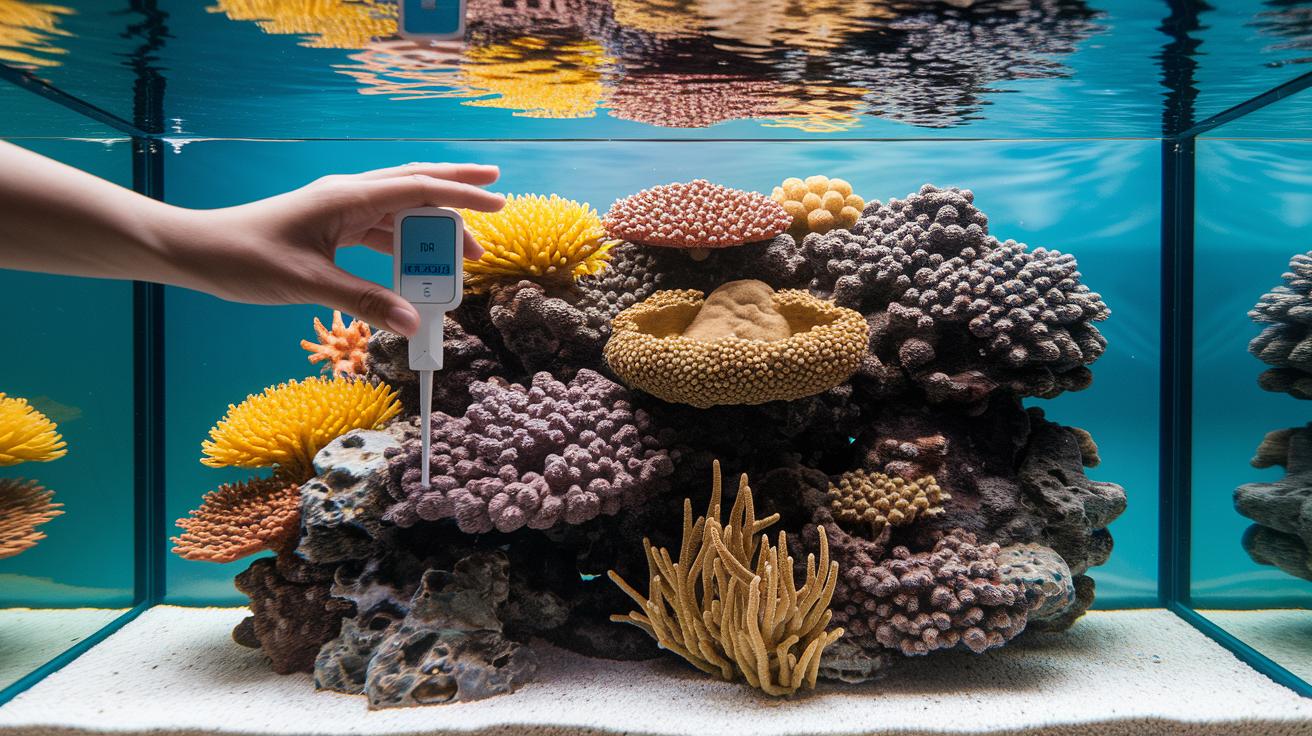
Wireless systems are a real lifesaver for a healthy tank, but even the best networks can hit a snag sometimes. I once heard about a fish keeper who lost about $10,000 in corals because an Apex alert didn’t go off during a heater malfunction. That little mishap reminds us that even smart, automated systems need a bit of our attention and a quick, manual check now and then.
Sometimes, WiFi interference can make your sensors drop out unexpectedly. For example, some GHL units have had trouble with weak signals, which means they might miss updates. When that happens, try these simple steps to get things back on track:
- Restart your wireless hub and sensors
- Check that your firmware is current
- Make sure your sensors are in spots with strong signal reception
I like to test each sensor one by one, kind of like checking every part of a well-set-up aquarium filter, to ensure all readings are steady and reliable.
If you notice something odd, like a temperature sensor showing sudden spikes, take a moment to recheck its connection. You can even compare its reading with a manual thermometer to be sure. Regular checks like these help catch little issues before they become big problems.
Following these easy troubleshooting tips for your IoT tank monitoring system will save you time and keep your underwater friends safe and sound.
Maintaining Wireless Aquarium Monitoring Devices and Calibration
Just like you care for a beloved fish, your wireless monitoring devices need gentle upkeep to swim smoothly. It all starts with regular calibration, think of it like giving your watch a fresh battery. Over time, sensors can drift, so many aquarium fans check their pH probes every month to keep their readings true.
Next, don’t forget to update your controllers' firmware each year. This update acts like a little instruction manual refresh, helping your sensors pick up every tiny change in water temperature and quality.
- Check the sensor housings often to remove any dust or buildup.
- Gently clean the contact points so no residue gets in the way.
- Always verify that your wireless system is calibrated when you make any changes to tank conditions.
Remember, a well-calibrated sensor feels as reassuring as watching the rippling water in perfect harmony. These simple steps not only keep your readings spot on but also ensure your entire wireless system remains reliable, just like a well-tended aquarium.
Final Words
In the action of setting up and caring for your aquatic haven, this guide covered key steps, from choosing the right sensors and installing them in optimal spots, to syncing them with your smart apps. It compared top solutions, tackled common glitches, and reminded you about regular calibration. These insights help create a beautiful, healthy underwater space. Remember, using wireless systems to monitor your aquarium equipment keeps everything running smoothly, letting you enjoy your aquatic world with a calm and steady heart. Enjoy watching your underwater paradise thrive!
FAQ
What does a wireless tank monitor do?
A wireless tank monitor tracks your aquarium’s temperature, pH, and water quality in real time while sending data to your mobile device, helping you keep your aquatic life safe and sound.
What is the app used for aquarium tracking?
The aquarium tracking app connects to your wireless sensors and pushes alerts straight to your phone so you can check readings and manage your equipment easily.
What are some top aquarium monitoring systems for freshwater and saltwater tanks?
Top systems cover both freshwater and saltwater environments by monitoring key factors like temperature and pH. They send real-time data to help you maintain a stable and healthy habitat for your fish.
How can I build an aquarium monitoring system using Arduino?
Building an Arduino-based system means using sensors to gather water data and programming the board to send that info wirelessly. It’s a fun DIY project for tech-minded aquarists.
What is an aquarium controller?
An aquarium controller links various sensors and devices to keep your tank’s environment stable. It automates functions like adjusting temperature or dosing by monitoring real-time data.
Is it safe to place a fish tank near a TV?
Placing a fish tank near a TV can expose it to extra heat or electromagnetic signals, so it’s best to keep the tank in a spot where temperature and interference remain minimal.
Where can I find reviews and discussions on wireless aquarium monitoring systems?
Reviews and discussions are shared on sites like Reddit and through video channels, where aquarists offer insights on products such as the Seneye Home and kactoily 7-in-1 monitors.