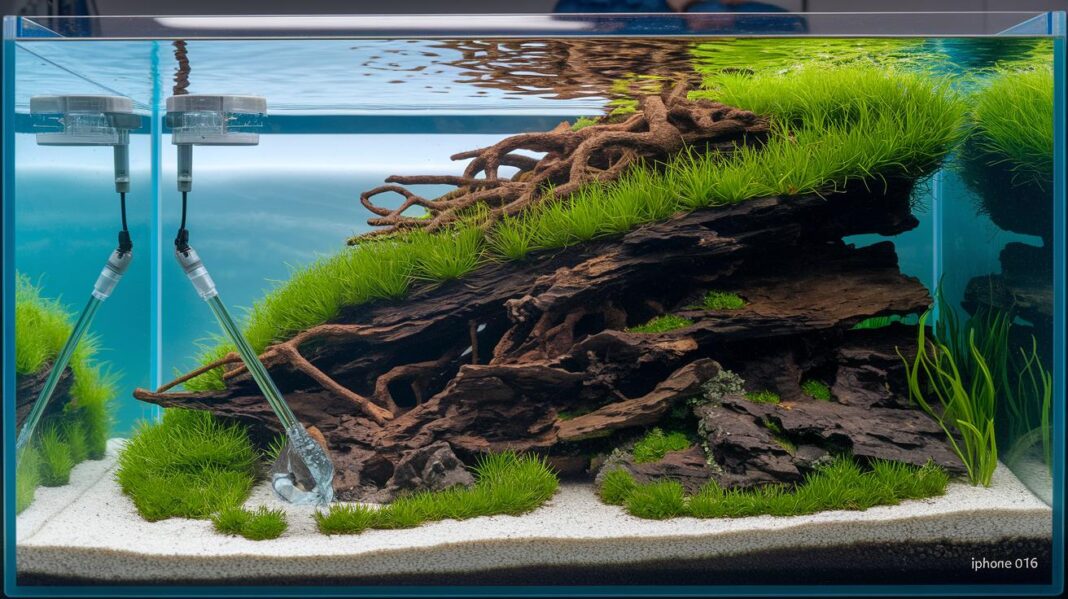

Have you ever wondered if changing your tank’s water too often might actually upset the balance? A solid routine for water changes can refresh your planted tank, much like a soft current stirs a quiet pond. In a lively tank with fast-growing plants and busy fish, routine water changes help wash away unwanted chemicals.
For a more peaceful setup with gentle plant growth, taking a lighter approach might be best. This guide will show you how to adjust your water change schedule to match your tank’s own rhythm, keeping your underwater world balanced and thriving.
Determining Ideal Water Change Frequency for Planted Aquariums
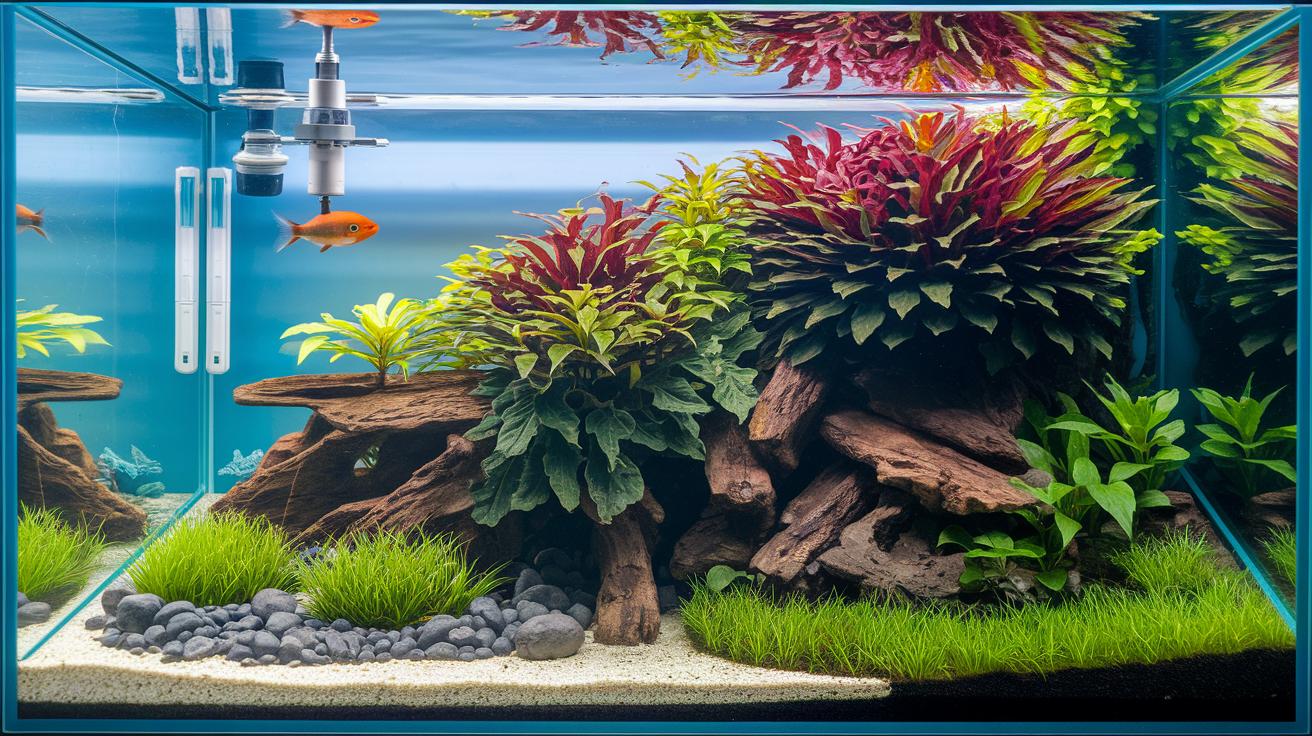
Keeping a steady water change routine is like giving your aquarium a fresh breath of life. If your tank is busy with fast-growing plants and playful fish, a weekly water change works wonders. It helps keep unwanted chemicals at bay and gives your underwater world a burst of clear, clean water, just like a good drink of fresh air.
In quieter tanks where plants take their time to grow and there are only a few fish, you can stretch the routine to every 2 to 4 weeks. A 30% water change is a safe bet when you're not too sure about your tap water. This gentle refresh keeps the nutrients balanced and makes sure your plants aren't shocked by sudden changes.
Some fish breeders even change all the water every day if their tap water is just right. They know that a full change can be perfect for their special tanks with steady water conditions. Even though it might seem a bold move, it works great for tanks where everything is stable and the underwater life is thriving.
Think of planning your water change routine like tending a small garden. Adjust your schedule based on how your tank behaves and always check the water quality. Sometimes, small changes can make a big splash in your aquatic world.
Key Factors Influencing Water Change Frequency in Planted Tanks
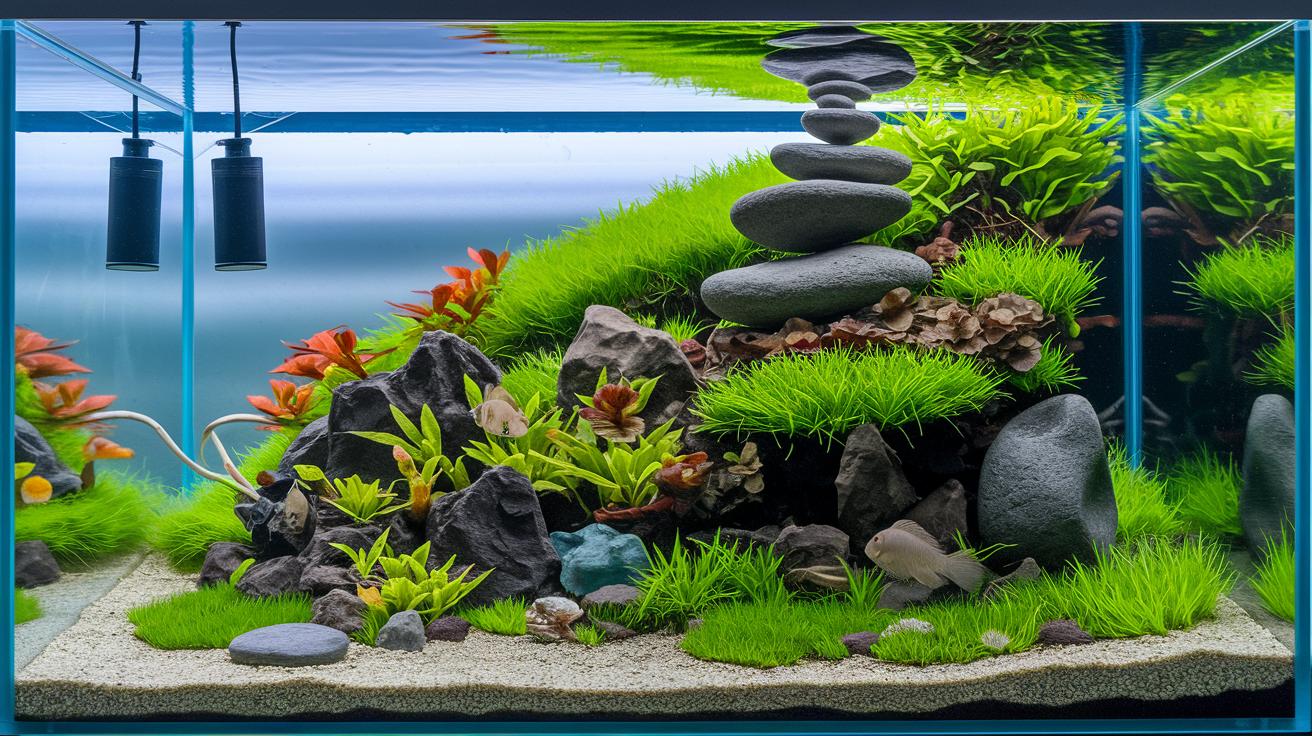
Keeping your planted aquarium in top shape means understanding what affects how often you need to change the water. Picture it like tuning a small orchestra in your tank, every part has its own beat.
First up, the type of plants you have plays a big role. Quick-growing plants and shyer species each need a water routine that suits them best. It’s a bit like caring for your favorite flower; even a little change in water can brighten its day or, if neglected, leave it drooping.
Then there’s your fish and their waste. A busy tank full of lively fish produces more waste, which builds up fast. Even just a few extra swimmers can mean you need to change the water a bit more often. Keep an eye on it, and you’ll soon feel the gentle ripple of a balanced tank.
What you use on your tank floor, the substrate, makes a difference too. Some materials, like Seiryu stone, naturally boost water hardness. This means you might have to adjust your water changes to keep everything steady. Add in other factors like CO2 injection and fertilizer doses, think of them as little ingredients in your underwater recipe, and you get a fuller picture of why each water change matters.
Finally, lighting and temperature add to the mix. Brighter lights and warmer water speed up plant growth as well as waste buildup. And don’t forget, the natural minerals or even heavy metals from your tap can shift the balance too, nudging you to tailor your cleaning routine just right.
Step-by-Step Water Change Procedure and Frequency Implementation
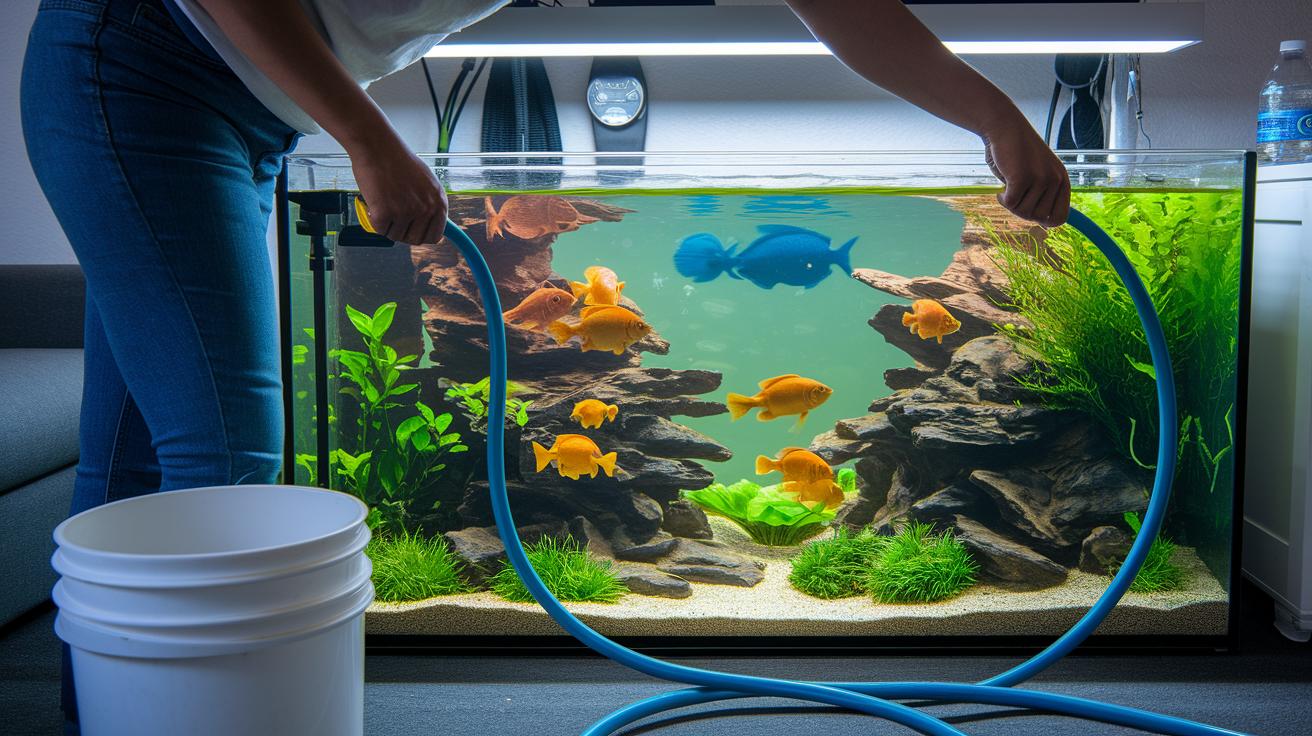
Start by gathering your water change kit, hoses, buckets, and a siphon. Having everything handy feels a bit like pulling ingredients together for your favorite meal, making the process smooth and stress-free.
Step 1: Get Your Workspace Ready
Before you begin, tidy up your work area and switch off any high-powered devices that might mess with the water flow. This small step helps protect your equipment and keeps everything running like a well-oiled machine.
Step 2: Remove Old Water
Using your siphon, gently draw out the old water. If your tank is moderately full, a weekly change is just right to keep nutrients balanced and waste at bay, almost like giving your tank a refreshing reset.
Step 3: Prepare Fresh Water
Next, treat your tap water by dechlorinating it. Chlorine can hurt the helpful bacteria and those lovely plants in your tank. You can simply let the water sit for a bit or add a dechlorinator; either way, you’re ensuring your tank's natural balance stays just right.
Step 4: Check the Temperature
Take a moment to make sure the new water is within 5°F of your tank’s current temperature. Even small differences can startle sensitive species. I always check first, it's like giving your fish a comforting, familiar hug.
Step 5: Refill Gradually
Slowly add the fresh water to the tank, letting it mix gently with what’s left behind. This gradual refill ensures a steady, calm environment that both your plants and fish will appreciate.
Water Change Percentages and Impact on Planted Aquarium Health
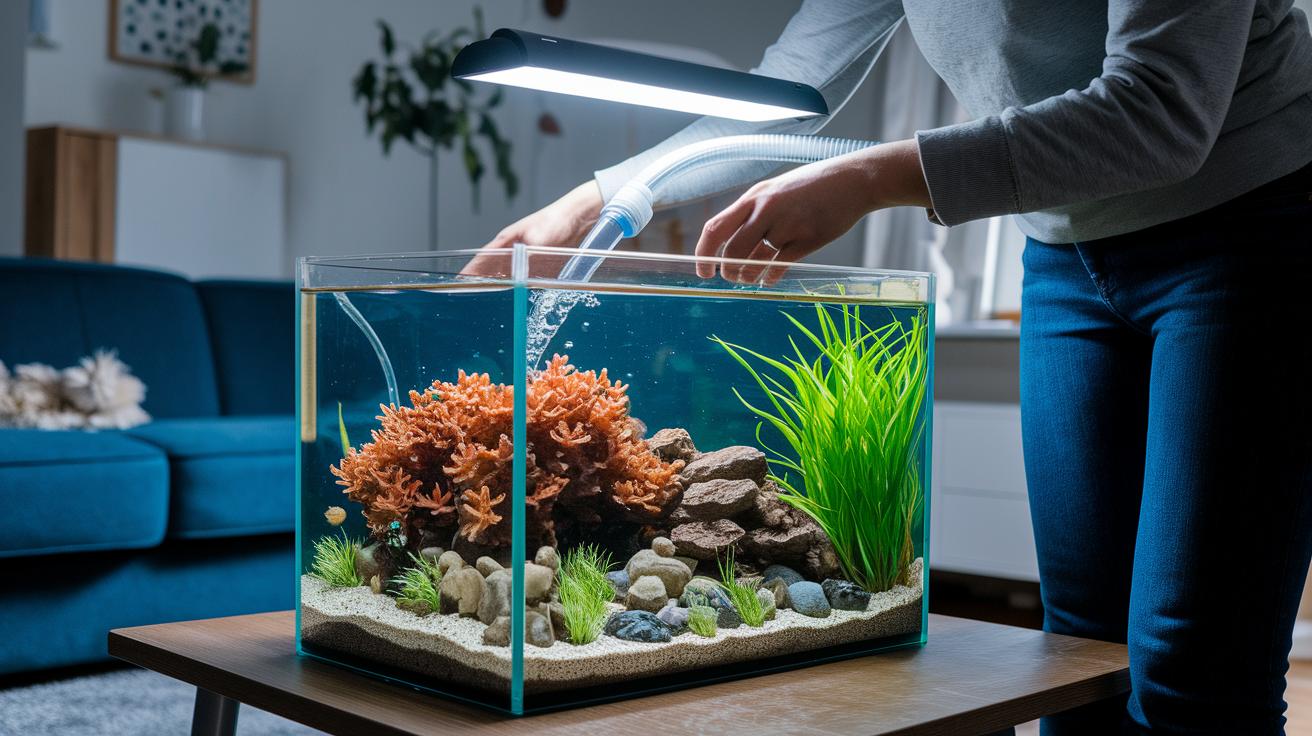
When you're figuring out your water change routine, the amount of water you replace really makes a difference for keeping your tank in balance. A small change of about 10–20% can help calm those nasty spikes from heavy metals. If your tap water has too many impurities, doing a weekly 10–20% water change is like having a gentle chat with a friend, it refreshes the tank slowly, so your sensitive fish and plants don’t get stressed.
A 30% water change often hits the sweet spot for most aquariums. Swapping out about 30% of the water on a weekly or every-other-week basis usually keeps the water just right for your plants to flourish. Imagine giving your plants a steady dose of fresh nutrients, nudging them toward a healthier state. This method works well even if you don’t have all the details about your tap water.
For tanks with lots of plant growth, many fish, or if you’re into breeding, sometimes you might need a big change, between 50% and 100%. In cases where your tap water closely matches your tank’s needs, a full water replacement might be just the trick, even happening weekly or daily. This bold move is like giving your entire aquarium an invigorating burst of fresh water to support fast growth and handle a heavy fish load.
| Change Volume | Recommended Frequency | Best Use Case |
|---|---|---|
| 10–20% | Weekly | Tanks with high tap-water contaminants or sensitive livestock |
| 30% | Weekly–Biweekly | General guideline for stable plant growth in most setups |
| 50–100% | Weekly–Daily | Fast-growing tanks, breeders, systems with robust water parameters |
By choosing the right amount of water to change based on your tank’s needs, you're helping keep the water chemistry just right for your plants and fish. This careful balance lets your underwater world thrive without any sudden surprises.
Adapting Change Frequency for Water Hardness and Tap Quality
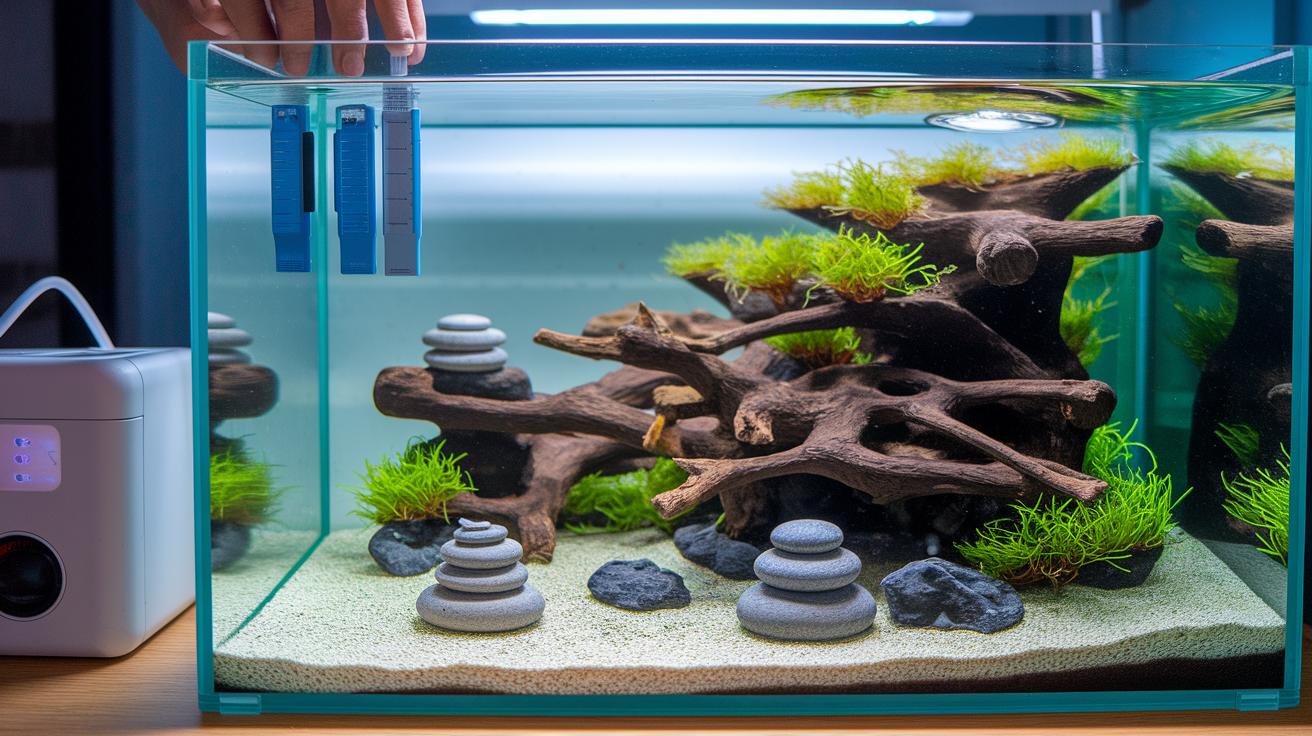
Water parameters tell you how to handle your water changes. When you add a substrate like Seiryu stone that boosts carbonate hardness (KH), a 30% water change helps keep your minerals steady, just like easing a little plant into a new pot.
If your tap water has heavy metals, aim to change 10–20% of it more often. Think of it like stirring a layered drink slowly, so you're preventing any sudden spikes that might stress your sensitive fish.
Before you pour in fresh water, be sure to dechlorinate it by removing chlorine and chloramine. It’s like letting your tea steep until it’s just right, protecting the friendly bacteria and delicate plants in your tank.
Also, make sure the temperature of your new water is within 5°F of your tank’s water. This little check helps avoid any shocking surprises for your aquatic buddies.
Regularly testing for KH, GH, and other impurities will let you fine-tune your routine. Adjust as needed to keep your water clear, healthy, and inviting.
Monitoring Aquarium Health and Troubleshooting Frequency Issues
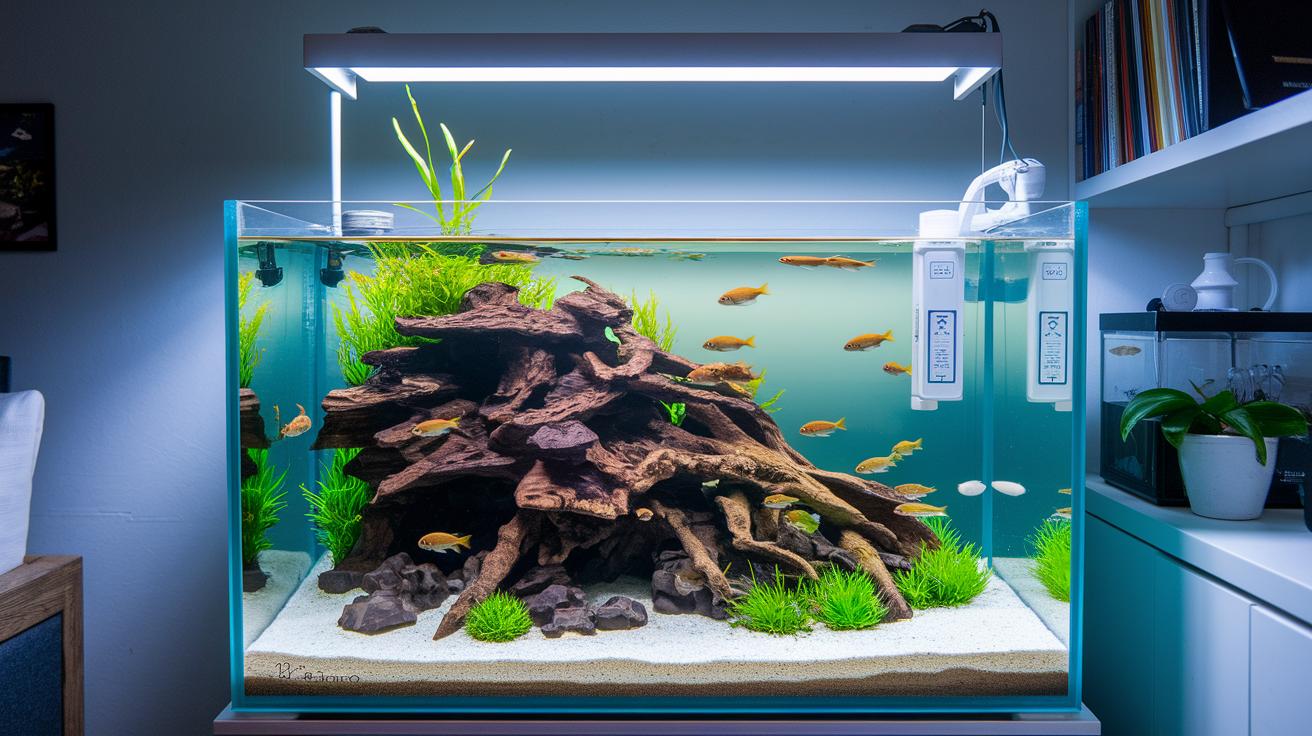
Keep an eye on your aquarium like you would watch a school of fish, if something seems off, it might be time to rethink your water-change routine. When nitrates build up, they can spark algae growth that clouds your water, much like a sudden ripple on an otherwise calm pond. That green tint or cloudy water is your tank’s way of whispering that waste and extra nutrients have started to pile up.
Also, take a moment to check on your aquatic plants. If their leaves begin to yellow or their growth seems stunted, it’s like giving them too much of a good thing. And if your fish start darting around in a frenzied way, it might be a sign that the water conditions are shifting and making them uncomfortable.
- Nitrate buildup that triggers algae blooms
- Plants showing yellow leaves or limited growth
- Cloudy or less-than-fresh water pointing to an overload of organic waste
- Fish acting out of character because of unstable water conditions
Simple test kits for nitrates, phosphates, and pH are your best buddies here. Regular checks can help catch problems early and let you adjust your water-changing schedule before any big issues emerge. A small tweak in your routine can bring back the calm balance in your tank, keeping both plants and fish happy.
Final Words
In the action, the article explored ideal steps for refreshing planted aquariums. We discussed various change percentages and practical routines to keep your tank balanced and inviting.
Each part worked together to create a comfortable and healthy underwater home. Following a proper water change frequency for planted aquariums helps your plants thrive and your fish feel at ease.
Keep enjoying the magic of your aquatic setup and the care that comes with it.
FAQ
Q: What is the water change frequency for planted aquariums according to Reddit?
A: The water change frequency for planted aquariums on Reddit is generally weekly partial changes. This keeps the water balanced for fast plant growth and active fish, while adjustments depend on your tank’s specific needs.
Q: How does water change frequency differ for a fish tank with a filter and for a freshwater aquarium?
A: The water change frequency for tanks with a filter or freshwater setups is usually about weekly partial changes. This routine supports stable water chemistry and healthy plants while accommodating different stocking levels.
Q: How often should water be changed in a fish tank without a filter?
A: A fish tank without a filter requires more frequent water changes. Regular small-volume renewals, done several times a week, help maintain clear water and reduce waste buildup.
Q: How often should water be changed in a fish tank that houses goldfish?
A: Goldfish produce more waste, so a goldfish tank needs regular water changes. A weekly partial change of around 30% is common to keep harmful chemicals low and the environment safe.
Q: What does an aquarium water change chart show?
A: An aquarium water change chart explains how different percentages and frequencies can be used based on tank conditions. It guides you in choosing the right volume and timing for a balanced aquatic environment.
Q: How often should water be changed in a fish bowl?
A: Fish bowls have limited water volume and little or no filtration, so they need daily small water changes. This helps keep the water clean and safe for your fish while preventing waste buildup.
Q: Is a 30% water change too much for my tank?
A: A 30% water change is a balanced method for many setups. It helps reduce excess waste and chemicals while keeping beneficial bacteria and plant life intact, making it suitable for various tank conditions.
Q: Do I need to perform water changes even if I have live plants?
A: Even with live plants, water changes are important. Plants absorb some nutrients, but they do not remove all waste; regular water changes help maintain proper water chemistry.
Q: Do water changes help control algae growth?
A: Water changes help control algae by lowering excess nutrients that fuel its growth. Consistent partial changes keep nutrient levels in check and help maintain clear, healthy water.