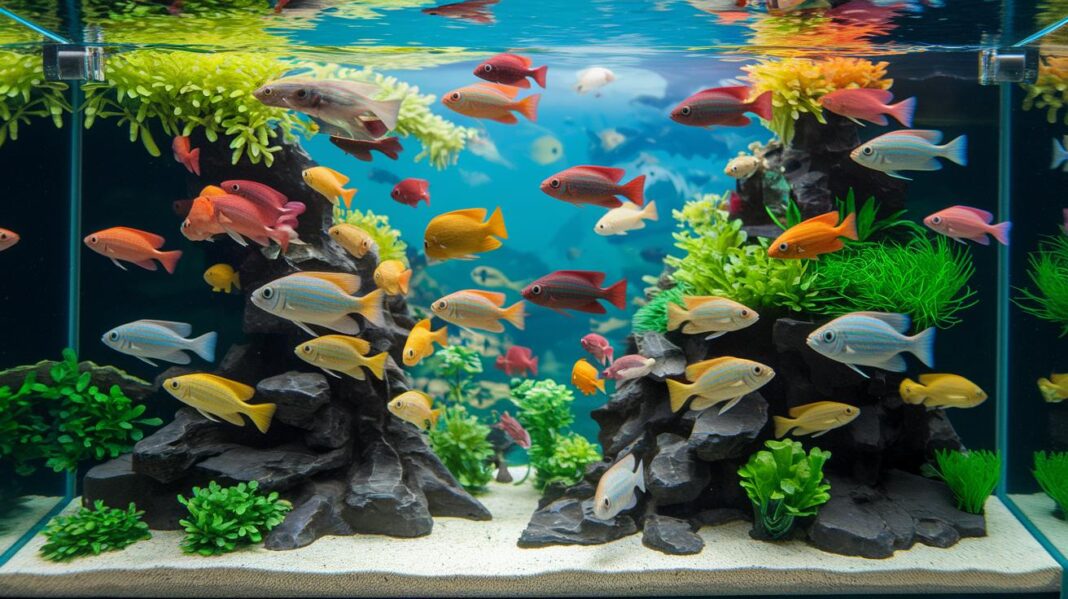

Have you ever paused to wonder if your fish really enjoy their meals as much as we think? In the wild, they feast on tiny plankton and little critters, each bite a small celebration in clear water.
At home, we serve them flakes, pellets, or even homemade treats that add a splash of color to their day. It’s a bit like swapping a gourmet meal for a simple, hearty dish that still warms the heart.
I’m excited to share a few easy tips to make mealtime fun and nutritious so your fish can stay bright and healthy. Ready to dive into a small change that could add a wonderful ripple of joy to your aquarium?
what fish eat: Lively Tips for Happy Fish
Fish meals come in many forms, just like the diverse waters they live in. In the wild, fish eat whatever is nearby, whether it’s tiny plankton that glimmers like scattered pearls or odd picks like small birds or even snakes. Many freshwater fish lean towards a meat-based diet, munching on little fish, worms, and crustaceans, while some gentle species nibble on algae and other water plants. Fun fact: some wild fish have been seen snapping up small critters unexpectedly, showing us that nature is full of surprises.
In home aquariums, the feeding routine changes a bit. Most pet fish enjoy dry foods such as flakes, pellets, and wafers. Flakes bob around on the water’s surface for those who like a top meal, pellets work well for nearly every fish, and wafers are great for bottom feeders who eat slowly. Many aquarists like pellet feeding because it makes the job simpler and gives each fish a steady serving of nutrients.
If you like experimenting with homemade fish food, try mixing fresh vegetables, fish meal, and grains to create a nutritious treat. Just be careful not to mix too much or add ingredients that could spoil quickly. You might also show your fish some variety with live foods, frozen goodies like shrimp cubes, or freeze-dried treats that remind us of a wild diet.
- Freshwater fish often seem to favor worms and insect larvae.
- Pet fish usually flourish on a blend of dry foods and live treats.
Balancing these feeding tips can help create a vibrant, lively aquarium where your fish stay happy and healthy.
Wild Feeding: Natural Diets of Freshwater and Ocean Fish
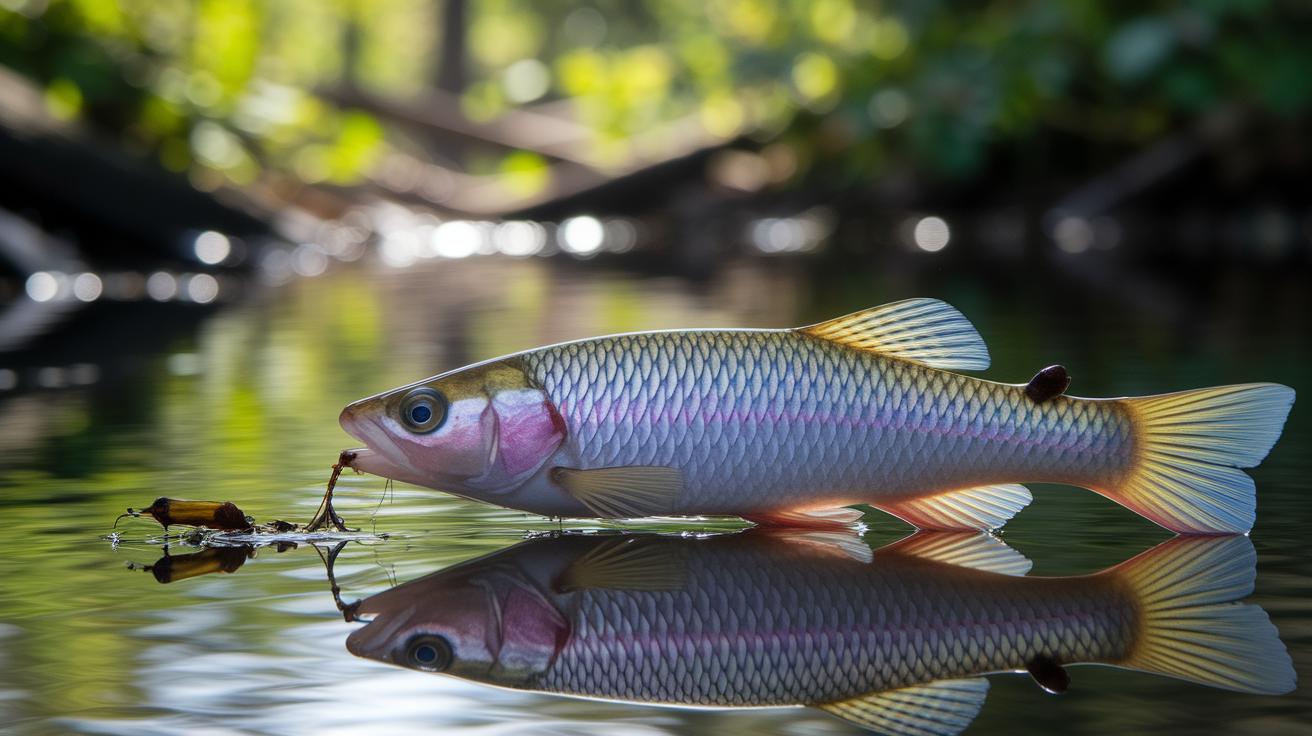
In natural waters, fish enjoy a menu as varied as the gentle ripples on a quiet pond. They take in what nature serves up, whether it's the quick dart of a small creature or a slow drift of plant bits floating nearby. Every bite feels fresh and full of opportunity, much like discovering a new treasure in the stream.
Freshwater Fish Feeding Patterns
Freshwater fish often lean toward a diet full of protein. Many chase after tiny critters like wiggly worms, lively insects, or even little crustaceans. Others opt for a softer bite by nibbling on algae and other feathery plant matter. I once saw a tiny fish in a clear stream gracefully picking off drifting insect larvae, almost like choosing its favorite dish at a seaside eatery. This mix of hunting and grazing keeps the pond balanced, with each fish playing its special role.
Ocean Fish Feeding Strategies
Life in the ocean is full of surprises, just like the colors and currents of a coral reef. Ocean fish show a wide range of feeding habits. Some, known as planktivores, gently drift with the current, grabbing tiny zooplankton that sparkle in the deep blue. Others, called benthivores, search the ocean floor for detritus and small invertebrates, turning the seabed into their personal buffet. Then there are the nimble predators who stealthily chase smaller fish and cephalopods with a burst of speed. Each of these feeding styles is perfectly tuned to the challenges of the ocean, reminding us that every meal is part of a bigger, balanced aquatic story.
Captive Feeding: Flakes, Pellets, and Live Food Techniques
Dry feeds like flakes, pellets, and wafers work best when they match your fish’s habits. Flakes are great for fish that nibble in the middle of the water, pellets suit many species, and wafers work well for bottom feeders. If your fish prefers nibbling near the surface, try forming a small circle of flakes to keep the bits together.
When you use live feeds, it helps to keep things simple so you don’t accidentally give too much food or let any go to waste. A small container works well, just scoop out any extra quickly. For fish that love a live snack, try feeding them in one spot so they can enjoy a little hunt. Frozen treats like brine shrimp give your fish steady nutrition without the fuss of extra care.
- Dry feeds match different feeding habits.
- Frozen treats like brine shrimp pack a good nutritional punch.
- Live feeds spark natural hunting that feels like a game when given with care.
Mix these feeding methods based on what each fish enjoys, keeping your routine short, focused, and stress-free.
Dietary Groups: Herbivores, Carnivores, and Omnivores Fish Diets

Herbivorous Fish Diets
Herbivorous fish love to nibble on algae and little bits of water plants. They depend on these greens to get the nutrients they need and keep their bellies happy. Sometimes, they even enjoy extra veggie treats that boost their natural grazing habits. Ever watch a fish swirl happily around lush plants? It’s like they’re dancing to the rhythm of the water.
Carnivorous Fish Diets
Carnivorous fish need meals loaded with protein to stay strong. They chase after crunchy insect larvae, wigglers, and tiny crustaceans much like a mini hunting adventure in their tank. So, fish keepers often offer worm bait and live or frozen treats that feel just like real prey. Every feeding time turns into a little underwater chase, sparking excitement like a burst of energy in clear water.
Omnivorous Fish Diets
Omnivorous fish enjoy the best of both worlds, mixing greens with protein-packed bites. Their daily feeding might include a mix of aquatic plants and insect larvae giving them both flavor and fuel. Young fry might start with tiny zooplankton while the bigger ones taste a blend of veggies and worm or crustacean treats. This balanced diet helps them stay active and healthy, much like finding the perfect balance between calm waters and playful currents.
Timing and Seasonal Changes in Fish Feeding Habits
Fish feeding habits change like the ebb and flow of the tide. Many fish get busy at dawn and dusk when the water is softly lit, and they glide near the surface in search of food. It's like nature's way of setting the stage for a little feeding party.
Some fish prefer to stick with the daytime rhythm, munching while the sun is up. Others, however, head out under the moon, nibbling on little snacks in the cool night air. Each fish follows its own natural beat, whether it's swimming in the wild or living in your cozy aquarium.
Seasonal changes also make a splash in how fish eat. In spring and fall, when the water is just right, fish may eat more as they wake up from a quiet winter. In warmer months, the extra energy sparks bigger meals, while cooler times slow them down. If you keep fish at home, you might notice these shifts and adjust feeding times to keep your aquatic pals happy and healthy.
DIY and Alternative Fish Foods: Homemade Recipes and Caution
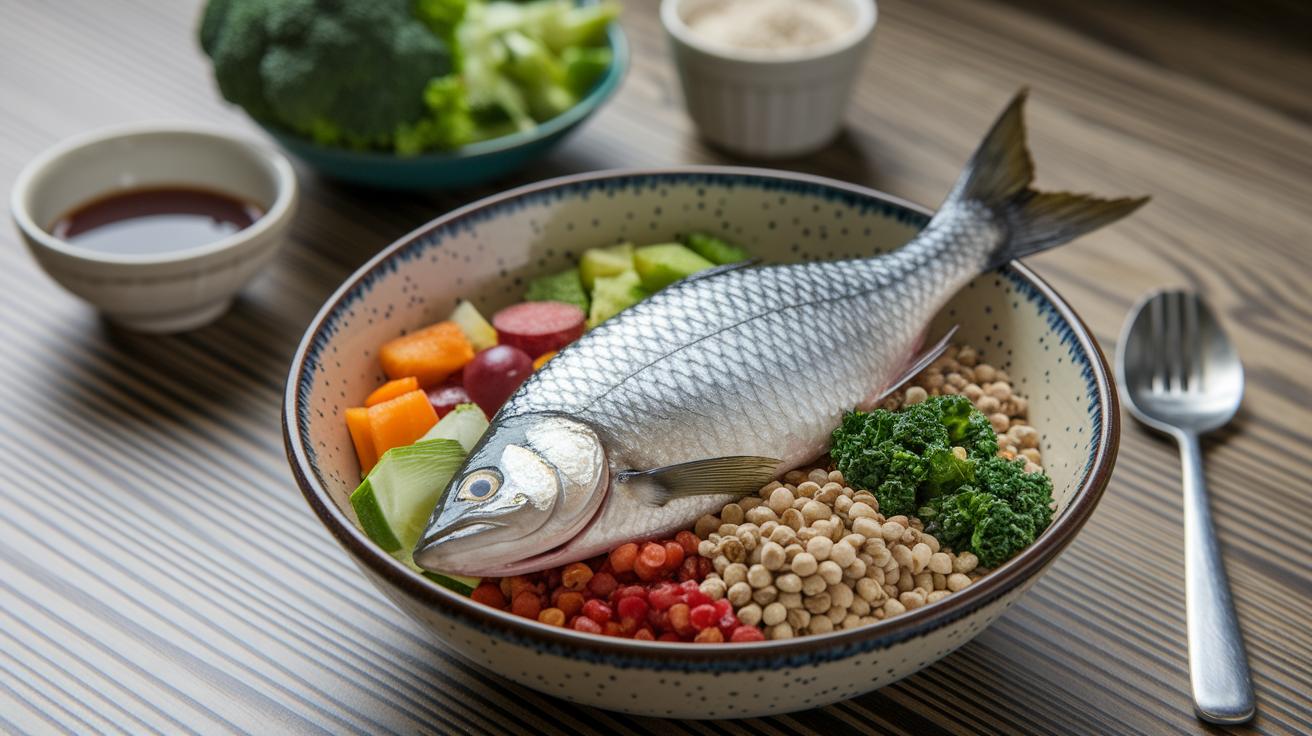
Many fish lovers like to craft their own fish meals using simple ingredients like fresh veggies, grains, and a little fish meal. It’s a bit like mixing a fresh salad that feels just right for your underwater friends. Imagine blending leafy greens with a touch of grain and a sprinkle of fish meal to create a treat that echoes what they might find in nature.
But remember, while bread and other leftovers might seem handy, they can cause more harm than good. Bread can mold quickly and just doesn’t give your fish the nutrients they need.
It’s also fun to try different bait ideas. You might use shrimp scraps, dried insect powders, or even mix up your own bait blend. These natural alternatives add variety and help you avoid some of the extra chemicals found in some commercial feeds.
| Tip | Note |
|---|---|
| Homemade Fish Meals | Use veggies, fish meal, and grains to create a balanced treat. |
| Bread Caution | Avoid bread because it can mold and lacks important nutrients. |
| Alternative Bait | Try shrimp scraps or insect powders for a fun, homemade mix. |
| Live Bait Safety | Always pick healthy, disease-free live bait for your fish. |
A bit of experimentation with these recipes could refresh your feeding routine, adding both a touch of creativity and a personal feel to your tank care. Ever notice how a small change can make your aquarium feel as welcoming as a quiet lagoon on a sunny day?
Best Practices in Feeding: Frequency, Storage, and Water Quality
Feeding your fish is a bit like caring for a mini underwater garden, you want to keep it balanced and vibrant. It’s best to offer small meals once or twice a day. Overfeeding can cloud your water and fuel algae blooms, while too little food can leave your fish feeling a bit weak. Imagine tossing too much food in at once; the leftovers sink, dirtying the water like a gentle storm of debris.
Storing fish food properly is just as important as feeding time. Keep your food in a cool, dry spot in a sealed container. This simple trick helps preserve the nutrients and stops unwanted elements from spoiling the food, ensuring every meal is fresh and healthy.
Water quality is the heart of a happy tank and healthy fish. Regular checks of your tank’s filtration system make a big difference, much like keeping a smooth current flowing through your favorite pond. Also, a steady pH helps reduce extra feed waste, so it’s wise to monitor it regularly using a pH meter.
By following these friendly tips, you create a tank that feels as clean and vibrant as a sunlit stream. Small, regular feeds not only keep waste to a minimum but also boost your fish’s energy, making your aquatic world a calm, thriving haven.
Final Words
In the action of caring for your aquatic pets, we looked at wild feeding habits and the different diet choices in tanks. We chatted about food types, from dry foods to homemade mixes, and shared tips on feeding frequency and water clarity. The post helped break down how different fish, whether herbivores, carnivores, or omnivores, make the most out of mealtime. Enjoy the process of setting up a balanced tank and observe closely what fish eat. Happy tanking!
FAQ
What do fish eat in different environments?
The question asks what fish eat in different settings. Fish diets change with their habitat. In aquariums, they often enjoy flakes, pellets, or live feed; pond and river fish feed on insects and plants; ocean fish target plankton and small invertebrates.
What is the best food for fish and what do they love to eat the most?
The question about the best food means commercial feeds designed for each species work well. Many fish love nutrient-rich flakes, pellets, and occasional live or frozen prey that mimic their natural diets.
Do fish eat any meat?
The question concerning meat in fish diets is answered by noting that many carnivorous and omnivorous fish naturally eat meat such as small fish, worms, crustaceans, and insect larvae to meet their protein needs.
What fish are popular to eat, and which ones might be less desirable?
The question about edible fish covers common choices and warnings. Popular types include walleye, trout, crappies, catfish, and rainbow trout, while some freshwater fish may be less palatable or have higher contaminant levels.
What do fish like to eat for bait?
The question about bait food means that many fish are attracted to bait like worms, insects, or small pieces of fish. These options mimic natural prey, triggering feeding instincts during fishing.