

Ever wonder why the pH of water matters so much, friend? Water is happiest at a pH of 7, much like a calm pond at dawn. A tiny change can show that nature has added minerals or other natural touches.
In plain terms, this number tells us if water feels just right or if it might seem a bit tangy or soapy. Today, we're diving into what water’s pH tells us about its quality and why this single number plays a big role in keeping your water fresh and friendly.
what is the ph of water: Bright Science
Pure water sits at pH 7, a perfect balance that feels as calm as a quiet pond at sunrise. pH tells us about the number of hydrogen ions in water. More hydrogen ions make the water a bit sour, or acidic (below 7), while fewer give it a slightly soapy, alkaline feel (above 7). Each step on this scale is like a big leap, a tenfold change in how strong the water is.
This balanced state works as our starting point when we check the quality of water from different places. A move away from 7 might mean that some minerals or other touches from nature have joined the water dance. For instance, a bit of contact with certain rocks can nudge water to be a little more acidic or alkaline. Knowing how far the water moves from that perfect 7 helps us decide if it’s safe to drink or kind on your pipes.
It’s a bit like watching a tightrope walker finding balance, every little shift tells you more about what’s happening. And really, isn’t it interesting how something as simple as 7 can make all the difference in keeping water pure and friendly?
The Water pH Scale and Measurement Methods
Imagine the pH scale as a ruler that lets you measure water’s mood. It runs from 0, meaning very sour or acidic, up to 14, which is very alkaline. Each step along this scale changes how many hydrogen ions are in the water, a bit like how adding one more splash of lemon juice makes it tangier or a little extra soap makes it feel slippery.
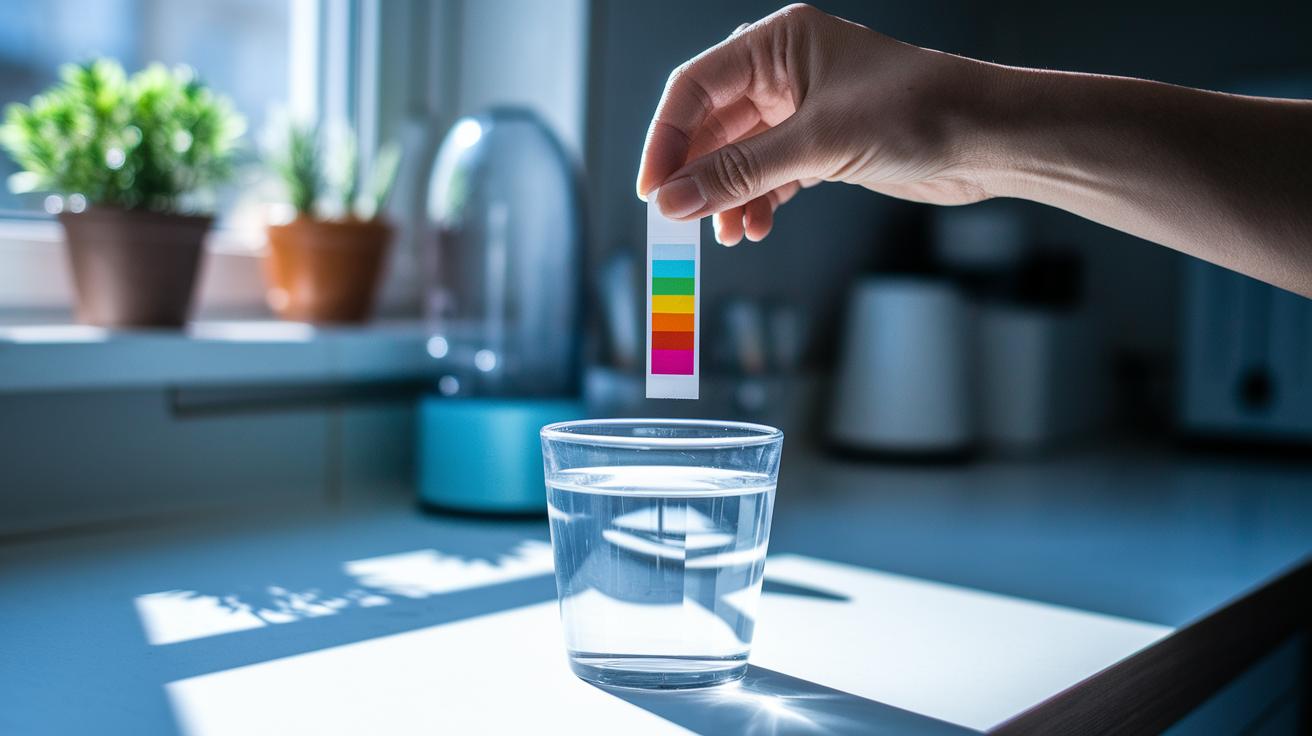
Testing your water’s pH is a must if you care about your water’s quality. Many fish lovers use simple color strips for this. You just add a drop of your water to the strip, watch it change color, and then compare it with a color chart. So, if it lands near the color for 7, that means your water is almost perfectly balanced, like calm water on a clear day. This method is quick and gives you an idea within about ±0.5 pH units.
For an even sharper reading, digital pH meters are a great choice. These gadgets show you numbers that are accurate to about ±0.01 pH units. They work by sensing the tiny activities of ions in your water, which is super helpful if you have sensitive fish that really need a steady environment.
Ever notice how a small change in pH can feel like the gentle pull of a tide shifting your aquarium’s world? It’s a reminder that even the tiniest ripple can make a big difference in keeping your aquatic friends happy.
Factors That Influence Water pH Levels
Water pH is shaped by lots of different factors, both natural and from people. It’s like listening to a quiet conversation between water and its surroundings. Changes in pH can hint at the water’s balance and may even change its taste, affect your pipes, and influence the health of fish and plants.
Think about these key ingredients:
| Factor | What It Does |
|---|---|
| Dissolved mineral content | Minerals like calcium and magnesium can raise the pH, making the water more alkaline. |
| Atmospheric carbon dioxide | Extra CO2 in the water turns it into a weak acid, which lowers the pH. |
| Water temperature | Changes in temperature can speed up or slow down chemical reactions, altering the pH. |
| Organic matter decomposition | As leaves and plants break down, they release acids that can lower the pH. |
| Industrial/agricultural runoff | Extra substances from farms or factories can nudge the water towards being more acidic or more alkaline. |
Each factor plays its part, much like different currents in a stream. For example, water flowing over rocks that are rich in minerals may naturally be more alkaline, while water that catches lots of organic debris can lean toward acidity. Even small changes, like a bit of extra warmth from the sun or a few extra pollutants, can shift the pH balance. And just like watching gentle ripples on a pond, these shifts affect the overall quality of the water and the lively ecosystem that calls it home.
Ideal pH Levels for Drinking and Household Water

A water pH that’s just right does more than make your drink taste smooth, it also keeps your pipes, fixtures, and appliances in top shape. US experts say water should have a pH between 6.5 and 8.5. When the pH falls outside this range, the water might taste odd and can even become a bit harsh on your metal pipes and appliances. Imagine your tap water as a gentle stream; when its balance shifts too much, that calming flow can be lost to unexpected reactions.
In Canada, the guidelines are a bit wider, allowing a range from 7.0 to 10.5, but most city supplies stick close to 7.0 to 8.0. This narrow range helps ensure the water stays safe to drink, works well at home, and keeps away problems like off flavors or extra wear on your plumbing.
- Protects plumbing and household appliances
- Keeps water tasting just right
- Follows health and safety standards
- Helps prevent metals from seeping into your water
Health and Environmental Implications of Water pH
Water that isn't balanced can really cause trouble both at home and underwater. When water gets too acidic, dropping below a pH of 6.5, it can start to eat away at your pipes. This kind of water makes metals like lead, copper, and zinc leach out, which may harm your health and put your plumbing at risk.
But it’s not just acid that poses a problem. Water that leans too alkaline, above a pH of 8.5, can leave stubborn mineral deposits in pipes and appliances. This buildup, known as scale, makes systems work harder and can lead to expensive fixes. It’s a bit like trying to force smooth water through a rough, rocky stream.
Aquatic life is no stranger to these changes either. Fish and other water creatures get stressed when the pH swings too far in one direction. This stress can upset their natural functions, making it hard for them to thrive. Over time, even small shifts in pH can lead to less variety in underwater ecosystems.
Key concerns include:
- Acidic water that causes pipes to corrode and metal to seep into the water.
- Alkaline water that creates scale buildup in pipes and appliances.
- Imbalance that stresses aquatic life and disrupts their natural environment.
It all adds up to a gentle reminder: keeping water pH levels in check isn’t just about clean drinking water, it’s also crucial for maintaining the vibrant, life-filled underwater world we all love.
Techniques for Testing and Adjusting Water pH at Home

Testing and adjusting your water’s pH at home is easier than you might think. With the right tools and simple steps, you can keep your water balanced for drinking and your aquatic pals. Regularly checking your water is key to staying on top of any changes.
pH Testing Methods
There are two common ways to check your water’s pH. First, colorimetric test strips are both affordable and simple. Just dip one in, wait a moment, and compare its color to the chart. This gives you a reading that’s usually accurate within about ±0.5 pH. For a more exact measurement, a digital pH meter works well. It tells you the pH with an accuracy of about ±0.01, but you’ll need to calibrate it with a known solution to keep the numbers reliable.
pH Adjustment Techniques
Once you know your water’s pH, you can adjust it if needed. If your water is too acidic, you can raise the pH by carefully adding small amounts of soda ash or even baking soda. If the pH is too high, a little bit of food-grade citric acid or vinegar can help bring it down. Add these gradually, stir thoroughly, and test your water again to make sure the pH moves slowly toward the safe range.
| Method | Advantages | Limitations |
|---|---|---|
| Test Strips | Affordable and easy to use | Approximately ±0.5 pH accuracy; single use |
| Digital pH Meter | High precision (±0.01 pH) | Higher cost and requires calibration |
| Acid/Base Dosing | Allows for careful pH control | Risk of overcorrection if not measured properly |
Final Words
In the action, we explored how water pH, measured on a scale where pure water clocks in at 7, impacts everything from household safety to aquatic habitats. We took a close look at testing techniques, key factors that sway pH levels, and simple methods for tweaking the balance. Our discussion on what is the ph of water covered both natural influences and practical home tips. Every step makes a real splash when it comes to keeping your aquatics happy and healthy. Enjoy your tank setup and the clear, calming water it brings.
FAQ
What does pH mean and what is its full form?
The term pH measures the concentration of hydrogen ions in a solution. It tells us if water is acidic, neutral, or alkaline, with neutral water holding a pH of 7.
What is the pH formula and the value of pure water?
pH is calculated as -log[H⁺]; this formula helps show why pure water, with a balanced hydrogen ion concentration, naturally sits at a pH of 7.
What is the best pH level for drinking water?
The best pH for drinking water falls between 6.5 and 8.5. This range keeps water safe, taste balanced, and helps protect your plumbing and appliances.
What factors influence pH levels in water?
pH levels in water can change with dissolved minerals, atmospheric carbon dioxide, temperature shifts, organic matter decay, and runoff from industrial or farm areas.
Is water with a pH of 9.5 better for you?
Water with a pH of 9.5 is quite alkaline. Although some people believe it offers certain benefits, standard guidelines recommend staying between 6.5 and 8.5 for optimal drinking water quality.
What is the pH range of water in Utah?
Water in Utah usually ranges from neutral to slightly alkaline, though local sources and conditions may lead to variations in these pH levels.
What is the pH of vinegar?
Vinegar typically has a pH in the range of 2 to 3, making it a strong acid that is often used in cooking and cleaning.