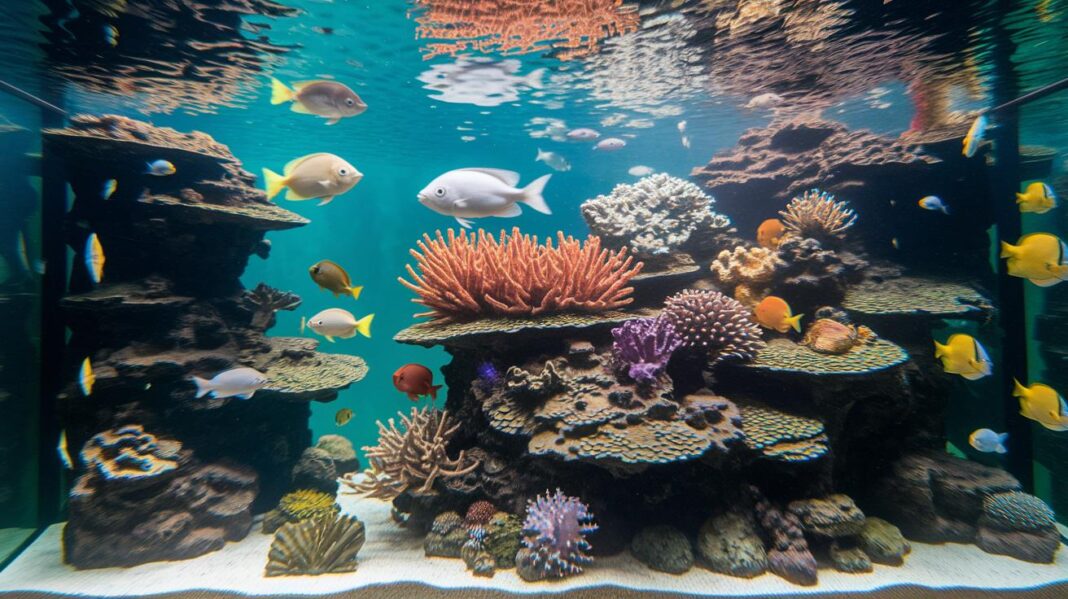

Have you ever peeked into your aquarium and wondered how little plants and critters come together to form their own mini underwater world? Think of it like a tiny slice of the ocean, where sunlight fuels life and every creature, big or small, plays a special role in keeping the balance.
In our post, we dive into how even the most modest tank can mimic the natural energy flow you’d find in the deep blue. Each plant and critter works hard to keep the water clear and the whole system thriving, just like a busy, bubbling reef.
Take a look and see how your aquarium can transform into a lively, balanced world all its own!
Fundamentals of Aquarium Food Web Dynamics
Aquarium food webs are a lot like the natural food chains found in the ocean. In the big blue, tiny plants capture sunlight to create energy, and that same idea works in a well-set-up tank. Every little creature, from the tiniest microorganism to the more noticeable fish, plays a part in keeping the tank lively and balanced. It’s a clear reminder of how energy flows from small life forms to larger ones, even indoors.
There are some cool experiments that show this in action. Imagine a small marine globe that had a clump of algae and seven shrimp living with just a bit of indirect light for over two years. Or think about a 1.5-gallon freshwater tank that supported five different levels of life for eight weeks. These examples tell us that even small, sealed ecosystems can hold complex food webs if the conditions mimic natural sunlight, nutrient cycles, and balanced energy flows.
Keeping a tank balanced is really the key to a thriving aquatic display. When plants in the tank capture light and turn it into energy and other creatures pinch a bit of that energy for themselves, every step in the process helps maintain a healthy system. Aquarists know that tweaking water quality, light levels, and population balance is super important to avoid problems like pollution. In truth, by recreating nature’s little networks, you can set up an aquarium that is vibrant, sustainable, and a joy to look at.
Primary Producers Driving Food Webs in Aquarium Ecosystems
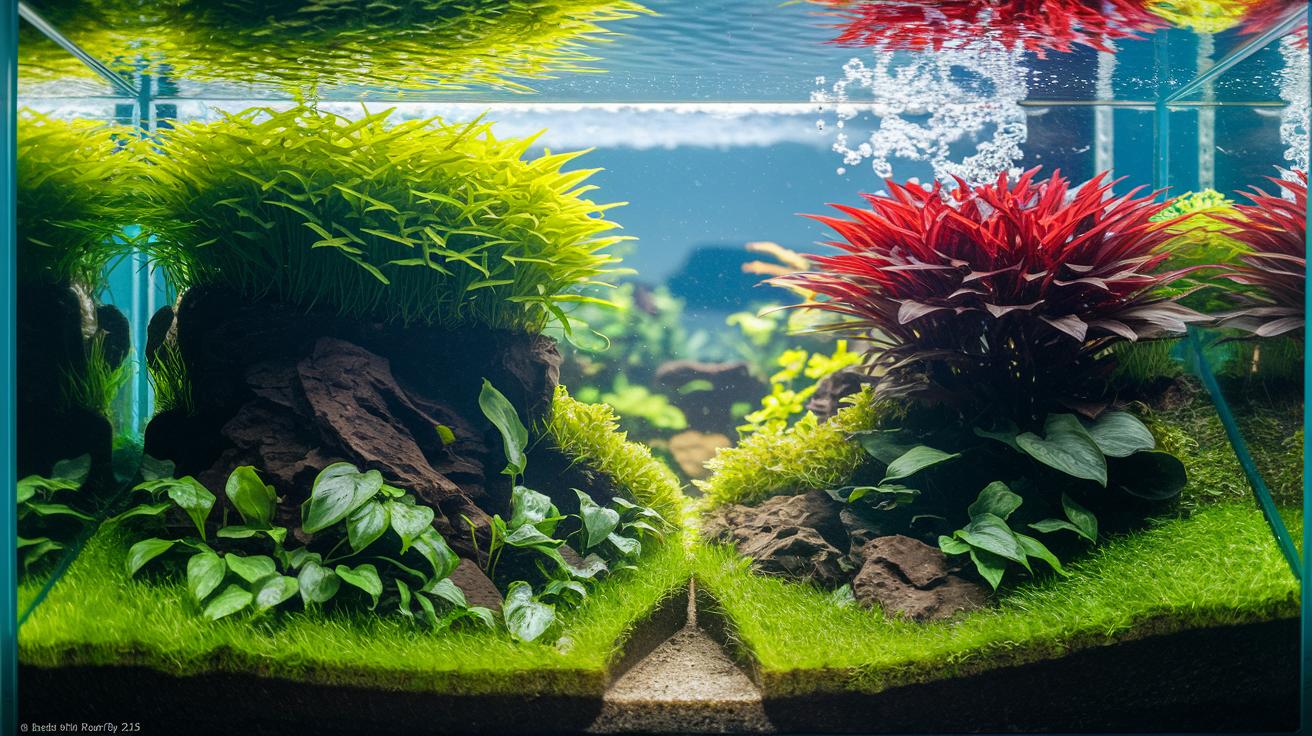
Primary producers are the unsung heroes in your aquarium. They soak up sunlight and turn it into energy through a process called photosynthesis. This natural process fuels everything in your tank, much like a kitchen where every dish starts with a simple, fresh ingredient.
Light and a mix of nutrients are key to their success. Even if your tank only gets indirect light, the right soil nutrients can help your plants flourish. Sometimes just a small tweak in the light or nutrient levels can spark a big change in how lively your plants become.
- phytoplankton
- macro-algae
- Java fern
- Anubias
- duckweed
- hornwort
To keep your aquatic garden thriving, it’s best to match the light levels to each plant's needs and check nutrient levels regularly. Think of it like fine-tuning your favorite song; a little adjustment here and there can make all the difference. With the proper care, these primary producers will keep capturing energy, supporting a vibrant and balanced underwater world.
Consumer Dynamics and Predator-Prey Oscillations in Aquarium Ecosystems
Zooplankton are the little helpers in your tank. They munch on phytoplankton (tiny water plants) and pass on energy up the food chain. Then, small critters like shrimp come in and feast on these zooplankton, much like friendly messengers carrying a secret recipe from one station to the next. Imagine shrimp quietly chasing their tiny meals as if they were handing off special ingredients in a busy kitchen, each step matters to the whole community.
In both freshwater and saltwater aquariums, nature keeps things in balance with a gentle dance of predator and prey. Fish like guppies and tetras often take turns chasing and being chased, echoing a natural rhythm you might find in the sea. In one small study, a 1.5-gallon sealed tank showed these patterns over eight weeks, with larger fish like cichlids helping to keep their smaller friends in check. Watching these cycles is a bit like seeing nature’s clockwork at work, it reminds you that every little creature, from the tiniest zooplankton to the vigilant cichlids, plays an important role in making your aquarium a peaceful, thriving environment.
Decomposer Roles and Nutrient Recycling in Aquarium Ecosystems
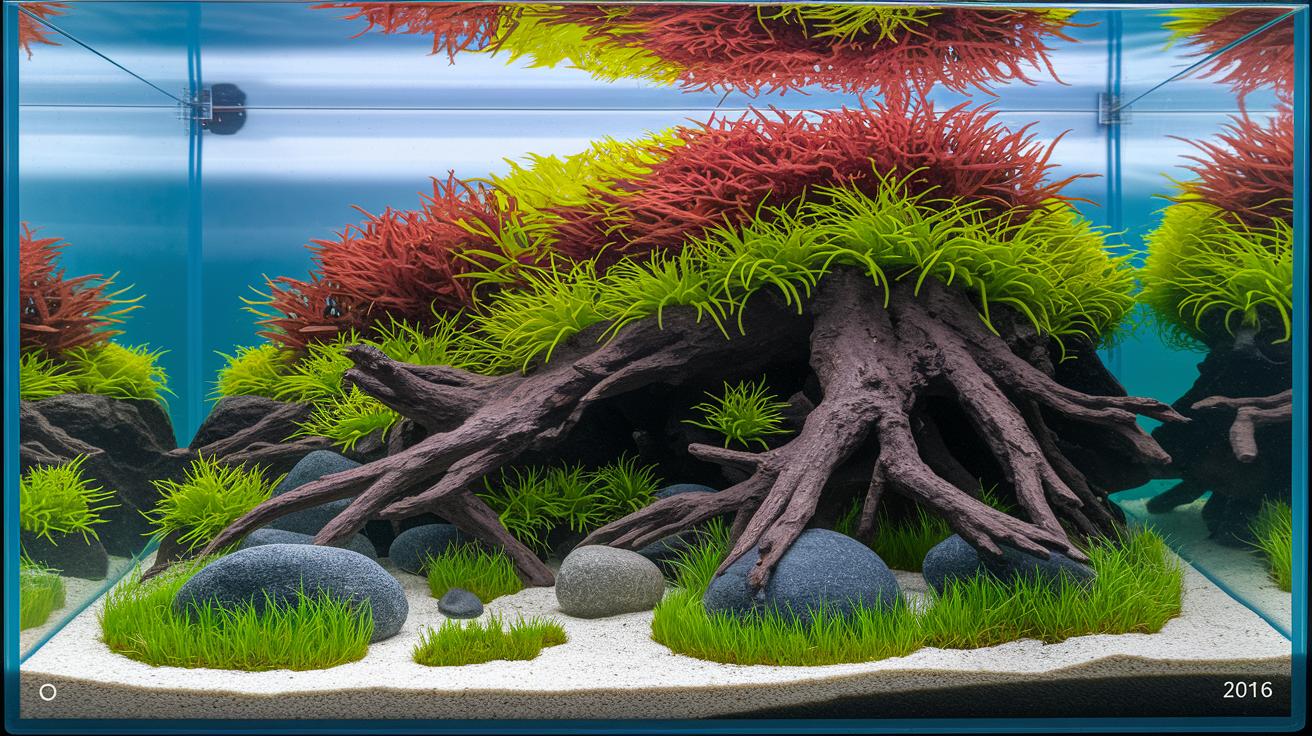
In your aquarium, decomposers like bacteria and fungi are the unsung heroes that keep things running smoothly. They munch on leftover food and fish waste, breaking them down into simpler, safe compounds. One big part of this process is nitrification, where harmful ammonia is changed into nitrite and then nitrate, which helps keep your water clear and healthy.
These tiny helpers love a cozy home with bio-pellet substrates, and they really benefit when you add natural elements like stones and twigs that help biofilm grow. Think of them as a hardworking cleanup crew that transforms debris into valuable nutrients for your plants and other tank mates.
| Decomposer Type | Function | Optimal Conditions |
|---|---|---|
| Bacteria | Break down organic waste and convert ammonia | Warm water, stable pH |
| Fungi | Degrade complex organic materials | Moist, nutrient-rich environment |
| Detritivorous Invertebrates | Consume particulate debris | Well-oxygenated water |
| Biofilm Colonies | Recycle nutrients via substrate formation | Steady food supply, minimal disturbance |
By including these decomposers in your regular tank routine, you help create a balanced ecosystem. Routine checks keep the nutrient cycle humming along, making sure your aquarium remains as clean and healthy as a clear mountain stream.
Symbiotic Cooperation and Community Interactions in Aquarium Food Webs
When two different species cooperate in a tank, it's a win-win for both, this is what we call symbiosis. And when one creature benefits while the other stays safe, we label that commensalism. These friendly underwater partnerships help keep our aquariums calm and balanced.
In a vibrant reef, coral and tiny algae work together in a close-knit bond. The algae live inside the coral and help it get energy from the sun, while the coral gives the algae a safe place to live. Cleaner shrimp add to the good vibes by gently picking off little pests from fish. And then there are clownfish who find shelter with sea anemones. The anemones provide a cozy hideout and sometimes even get some protection from the clownfish. It’s like a community where every little critter plays a part.
Different herbivores, such as snails and small fish, nibble on various parts of the underwater garden. This sharing makes sure no one fights over food, keeping the tank peaceful. For reef tanks with delicate SPS corals, the right kind of light and water flow is essential. If you’re looking for the perfect setup, visiting https://sweetfysh.com?p=230 might help you find just the gear you need to support these lovely partnerships.
Balancing Abiotic Factors and Sustainable Food Web Management in Aquarium Ecosystems
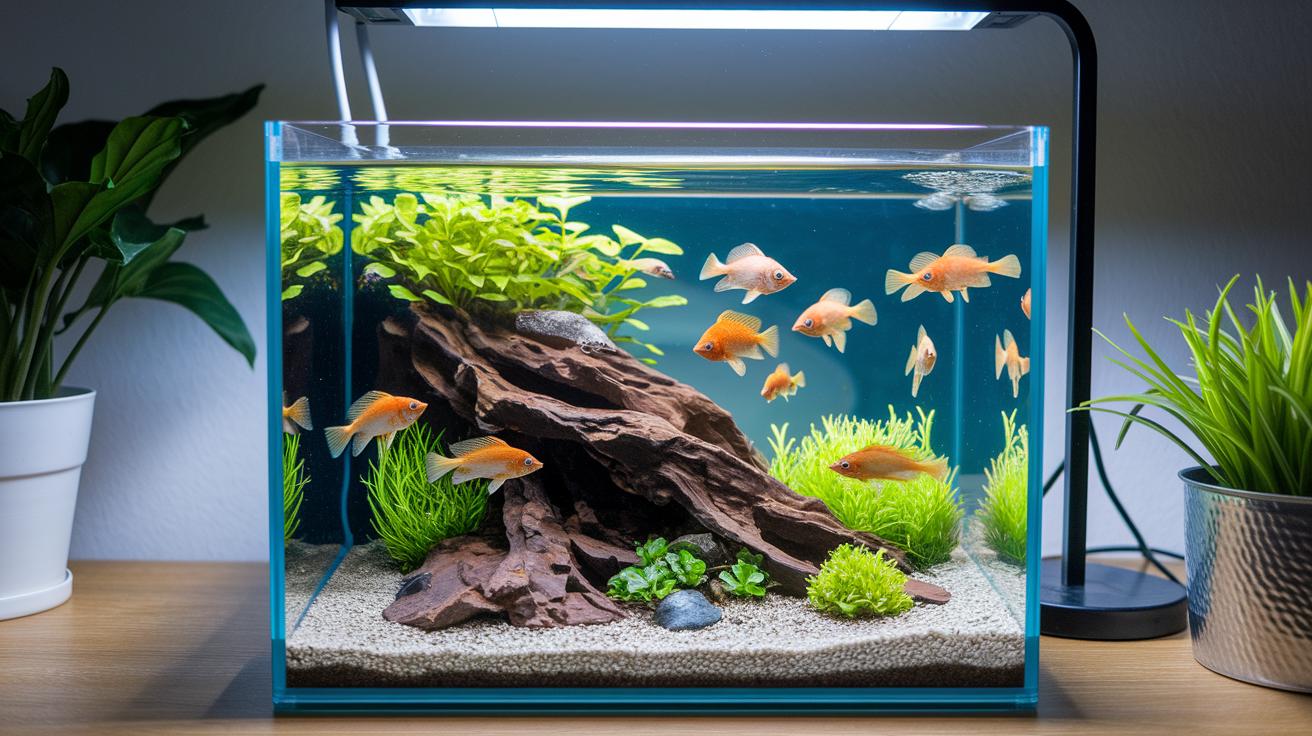
Your tank’s natural cleanup relies on tiny bacteria that work hard to break down waste, almost like little helpers keeping things tidy. Using the right base, like gravel or bark, gives these helpful microbes a cozy spot to live.
Keeping an eye on water details such as pH levels and oxygen content is key to a healthy environment. It’s like watching a gentle river move impurities away, ensuring your aquarium remains a calm and inviting space.
To maintain sustainability, try to mirror the endless cycles you see in nature. Regular water changes boost nutrient flow, and careful fish management stops the tank from becoming overcrowded, keeping the food web in balance. In a smaller setup, like a 20 gallon tank, choosing a reliable filter and managing how many fish call the tank home can create a mini ecosystem that feels just as natural as the wild.
Final Words
In the action, we looked at the basics of aquarium food web dynamics, from primary producers like phytoplankton and macro-algae to the roles of consumers and decomposers. Small sealed systems and reef setups showed how thoughtful decor and lighting shape a balanced underwater habitat. We also touched on proper maintenance steps to keep water clean and life interacting smoothly. Every tip works together to form a healthy, thriving home for your aquatic friends. Keep exploring the complex food web in aquarium ecosystems with enthusiasm and care.