

Have you ever wished your aquarium felt as gentle and lively as a natural pond? Danio fish might just be the cheerful companions you need. Their playful swims and bubbly energy can transform a plain tank into a cozy, sparkling retreat.
In this guide, we share friendly, simple tips to create a comfy home for these spirited swimmers. Stick with us and picture your tank coming alive with playful ripples and joyful vibes. Dive into our fun ideas and watch your aquatic world bloom with delight.
Danio Fish Care Overview and Habitat Basics
Danios are fun, tough little swimmers from the Cyprinidae family that bring a splash of energy to your tank. Zebra danios typically grow to about 2 to 2.5 inches, while some of their larger cousins can reach up to 5 inches. They come from places like northern India and Bangladesh, where they dart through calm ponds, gentle streams, and rice fields bursting with plants. In these natural settings, they swim through open water paths and hide among lush vegetation for food and safety. Their lively motions can even help keep shy tankmates at ease.
Creating an aquarium that feels just like home for them is key. A 20-gallon tank or bigger filled with open swimming areas and clumps of live plants works wonders for these spirited swimmers. The setup should have a gentle water flow, which you can easily set up using soft sponge filters or low-key circulation pumps. Aim for water temperatures between 65°F and 75°F (18°C to 24°C) and pH levels from 6.0 to 8.0. This careful balance reflects the type of seasonal changes they experience in the wild, ensuring a clear, cozy environment for them to thrive.
Danios really enjoy being in a group, just like they would in the wild. Keeping them in groups of six or more boosts their confidence and lets their colors shine brightly. Open water spaces and moderate currents encourage their active, surface-skimming style, creating a lively, serene backdrop in your tank. Plus, regular check-ups on water quality, like routine testing and partial water changes, help keep the environment just right for these happy fish.
Aquarium Setup and Water Quality Management for Danio Fish

Setting up a cozy home for your danios begins with picking the right tank size. A 20-gallon long tank or something bigger gives them plenty of room to swim. You can add tall or floating plants to mimic the lush, natural setting they love. Think of your tank as a tiny pond where every rock and plant plays a role in a beautiful underwater dance.
Keeping the water clean is just as important as a good layout. Choose soft sponge filters or low-power pumps to create a gentle current that comforts your fish without stressing them out. It’s a bit like having a calm stream in your backyard. Regularly testing the water helps you catch any changes early so you can keep the temperature, pH, and alkalinity just right. Here’s a handy guide to your ideal water settings:
| Parameter | Ideal Range |
|---|---|
| Temperature | 64–75°F (18–24°C) |
| pH | 6.0–8.0 |
| Alkalinity | 3°–8° dKH |
| Water Change Frequency | 10% weekly or 25% biweekly |
Rounding out your care routine, stick to a regular cleaning schedule. Doing water changes helps clear away any unwanted waste and stops harmful chemicals from building up. Always treat new water first to remove chlorine or ammonia. Keeping a log of your test results and cleaning sessions will ensure your danios always enjoy bright, clean water, a place they can truly thrive.
Feeding Guidelines and Nutrition Recommendations for Danio Fish
Danio fish love a mix of foods that remind them of their natural meals, like tiny crustaceans, insects, worms, and little microorganisms. In your tank, try giving them a combo of tropical flakes, nano pellets, frozen bloodworms, and live baby brine shrimp to keep them energetic and bright. It’s best to feed them once or twice a day and only the amount they can eat in about 2 minutes. This simple trick stops extra food from fouling the water, much like finishing a quick snack so nothing goes to waste.
A varied diet is key for keeping your danios healthy and their colors vivid. Every now and then, you can toss in a bit of vitamin C or E to boost their immune systems and make their natural hues pop. By offering a blend that mimics their wild menu, you’re helping your fish stay lively and full of energy.
- tropical flakes
- nano pellets
- frozen bloodworms
- live baby brine shrimp
- freeze-dried daphnia
- vegetable-based fish wafers
Danio Fish Behavior, Schooling Dynamics, and Community Compatibility
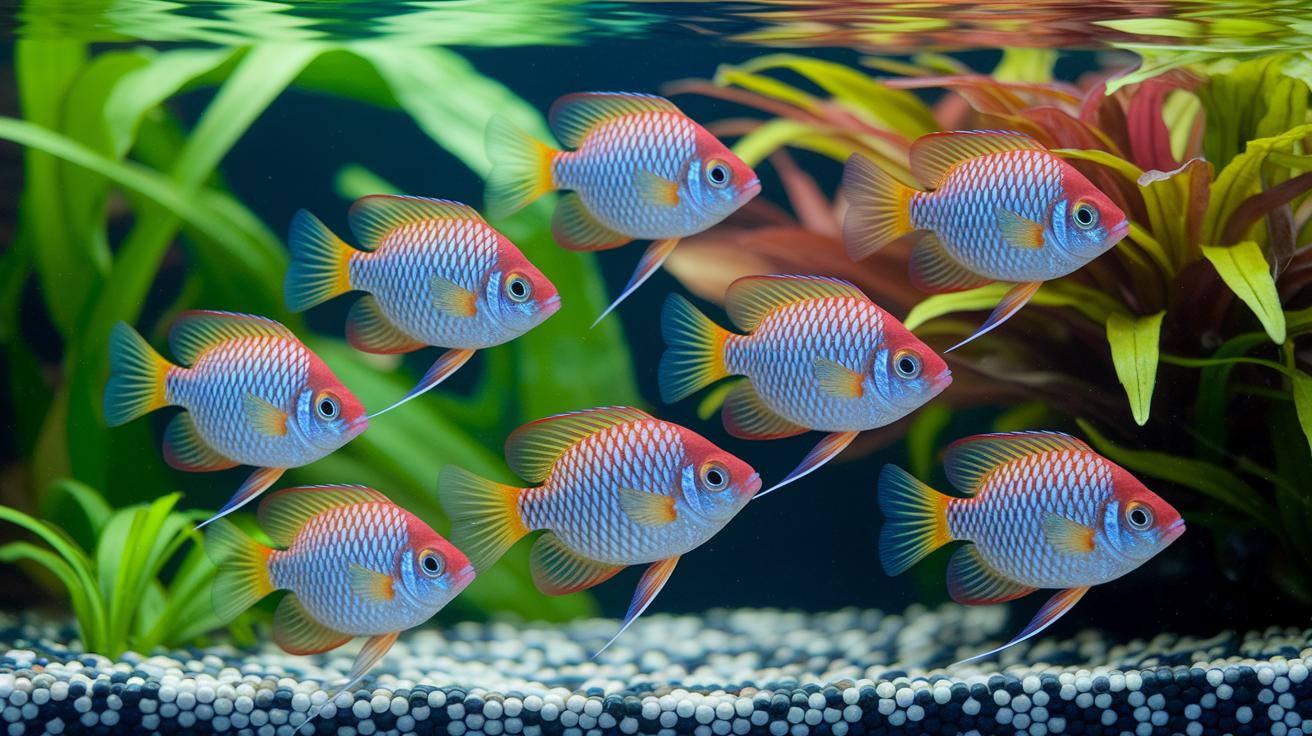
Danio fish love to swim around in lively groups. When you keep them in schools of at least six, they feel more at ease and show off their natural, playful movements near the top and middle of the tank. Imagine a cheerful parade underwater, with each danio zipping by like a spark of color in a clear, bubbling stream.
Picking the right buddies for your danios is just as important as making sure there are plenty to swim with. Friendly tankmates like tetras, platies, mollies, and barbs mix well with danios, much like ingredients in your favorite dish where every bit adds its own special taste. Together, they create a bright and harmonious underwater scene that feels both lively and relaxed.
To keep the tank full of fun and energy, it’s best to avoid fish that might disturb the danios’ happy vibe. Fish that are too slow or tend to be aggressive, like angelfish and bettas with their long, flowing fins, can disrupt the gentle flow of the group. Think of it like a well-oiled team: when every member fits just right, the whole tank becomes a stress-free, vibrant stage where every danio shines.
Breeding Danio Fish: Spawning Procedures and Fry Rearing
Breeding danio fish is as delightful as watching water glide over smooth stones on a sunny day. These nimble fish grow up in about four months, and momma danios can lay over a hundred eggs every two or three days. Setting up a special space for them not only keeps them safe but also lets you enjoy their natural dance from mating to caring for their tiny fry.
Setting Up the Breeding Tank
A 10-gallon tank can be your little underwater haven. Fill it with water kept cozy at around 64–75°F, just the temperature danios love. Add some java moss or glass marbles to the tank; these serve as gentle hiding spots for the eggs while mirroring their wild home. Think of your tank as a mini-outdoor pond, where every detail helps inspire the spawning process.
Spawning Triggers and Egg Care
A slight cool water change can feel like a whisper of a rainy day to your danios, nudging them to spawn. Soon, you’ll see the eggs stick quickly to the moss or marbles. To keep these delicate eggs safe from being snacked on, remove the adult fish right after spawning. Watch over the eggs closely, they usually hatch in about 48 hours. And if you spot any unfertilized eggs, gently remove them to keep the nursery clean and welcoming.
Fry Rearing and Growth
Once the eggs hatch, the little fry start swimming freely by day five. Now it’s time to offer them tiny treats like micro-worms, infusoria, or freshly hatched brine shrimp. These small, regular feedings help them grow without overwhelming their little tummies. Keep the water fresh with gentle changes, almost like a soft, daily rinse. Enjoy every bubbly moment as your danios explore their new, vibrant home.
Identifying Danio Fish Species: Patterns, Sizes, and Color Variations
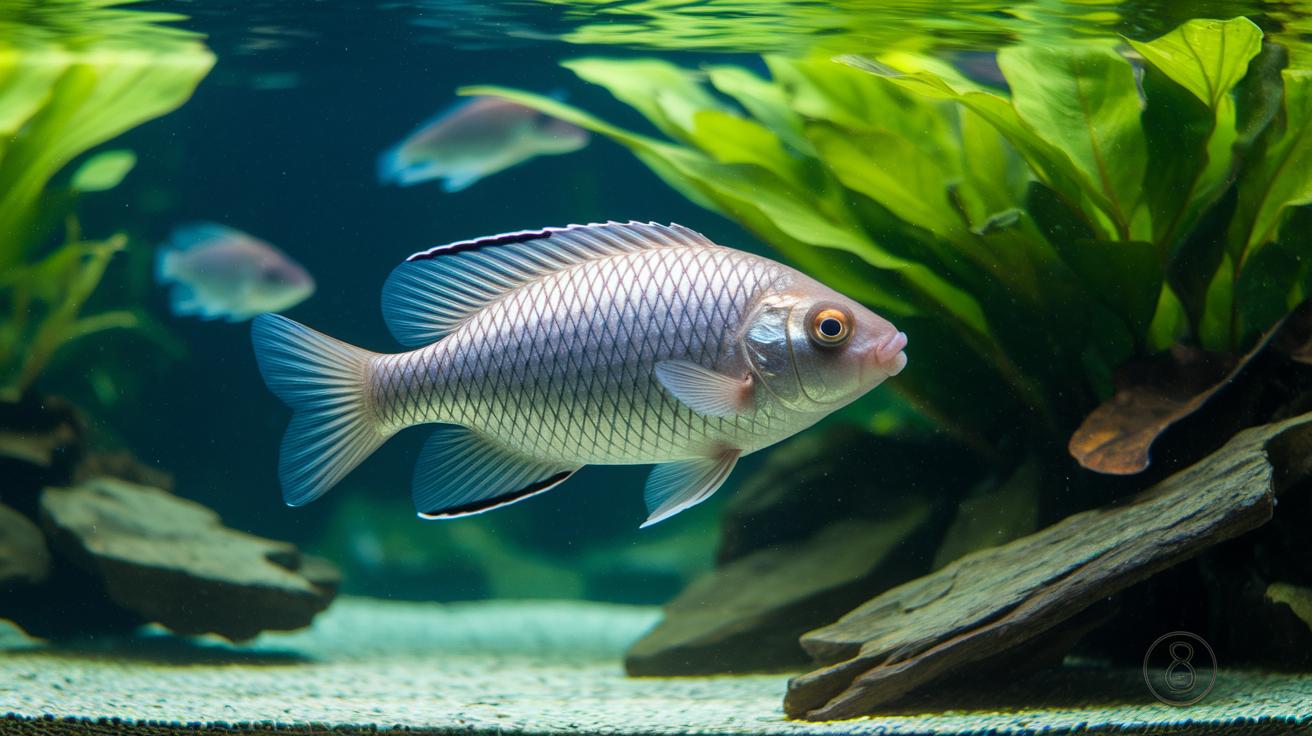
When you dive into the world of danio fish, you'll notice each type brings its own unique charm to the tank. The zebra danio, for example, glides gracefully with neat horizontal dark stripes on a shimmering silver-gold body, usually measuring about 2 to 2.5 inches. Then there's the leopard danio, which flaunts a light gold background dotted with dark spots that create a playful, dotted look.
The giant danio, a truly impressive swimmer, can reach up to 5 inches and sports bold, clear stripes that really stand out. If you’re looking for something more delicate, the celestial pearl danio is just the ticket with its soft bluish body and pearl-like spots, resembling tiny treasures scattered beneath the water’s surface. And for a pop of color, the glowlight danio shines with a distinct orange-red stripe, lighting up its body like a flash of vibrant light.
Seeing these wonderful details in your aquarium not only adds a burst of visual excitement but also lets each fish truly shine. Imagine the quiet elegance of a zebra danio joining in the lively dance of its tank mates, it's like watching a little piece of underwater art in motion.
| Species | Distinctive Pattern | Adult Size |
|---|---|---|
| Zebra danio | Horizontal dark stripes on silver-gold body | 2–2.5 in |
| Leopard danio | Light gold background with dark spots | ~2–2.5 in |
| Giant danio | Bold, prominent stripes | Up to 5 in |
| Celestial pearl danio | Bluish body with pearl-like spots | ~2 in |
| Glowlight danio | Distinct orange-red horizontal stripe | ~2 in |
Health Management and Disease Prevention in Danio Fish
When you’re watching over your danio fish, it’s important to notice even the smallest signs of illness. If you spot tiny white dots (ich), ragged looking fins (fin rot), a swollen belly (dropsy), or fuzzy, cotton-like patches (fungal infections), don’t wait. It’s like noticing a slight ripple in a calm pond, nipping these issues in the bud can keep your fish safe.
When you introduce a new fish to your tank, give it a little time to adjust by placing it in quarantine for about two weeks. This simple step lets you observe the fish closely for any early symptoms without risking the rest of your underwater community. Think of it as letting a new friend dip their toes in the water before joining the big school.
Routine care is key. A weekly 10% water change keeps the water fresh, and checking levels of ammonia, nitrite, and nitrate is like ensuring the water remains as clear as a mountain stream. If you notice any signs of trouble, a bit of anti-parasitic or antibacterial treatment, along with isolating the affected fish, can help maintain a cheerful, healthy environment for all your danios.
Final Words
In the action of setting up and caring for danio fish, we’ve walked through everything from habitat basics to feeding routines and breeding tips. We talked about ideal tank size, proper water management, and community behavior to keep your aquatic pets happy and active. Each section helps you create an inviting environment where danio fish can thrive with their natural schooling habits. Enjoy every moment while fine-tuning your aquarium, knowing that each step makes your underwater world even more vibrant and full of life.
FAQ
Danio fish price
The danio fish price can vary by region and vendor, but they are generally affordable. Prices often range modestly, making them a cost-effective addition to your aquarium.
Danio fish pregnant
The notion of danio fish being pregnant is a misunderstanding. Female danios release eggs rather than carrying live young, so they are not actually pregnant.
Danio fish for sale
Danio fish for sale can be found at many local pet stores and online aquatic retailers. They are popular for their hardy nature and active behavior in community tanks.
Danio fish lifespan
The danio fish lifespan typically spans 3 to 5 years in a well-kept tank where water quality and diet are properly managed to keep them thriving.
Danio fish size
The danio fish size varies, with standard zebra danios reaching 2–2.5 inches and giant danios growing up to 5 inches when given ample space and care.
Danio fish tank mates
The danio fish tank mates should include other small, peaceful fish like tetras or platies. They complement danios well in a community setup while maintaining a calm social environment.
Danio fish Green
The danio fish Green refers to specific varieties that show hints of green in their coloration. While most danios are silver with dark stripes, some can appear greenish under certain lighting.
Danio fish freshwater
The danio fish freshwater status means these fish live in freshwater environments and thrive in aquariums with clean, temperate water and moderate currents.
How many danios should be kept together?
Keeping danios together means housing them in schools of at least six. This helps reduce stress and encourages natural schooling behavior among these active swimmers.
Are Danio fish aggressive?
The danio fish aggression level is generally low. They are peaceful by nature and mix well with compatible tank mates, though they may engage in light nipping as part of their behavior.
Are danios fin nippers?
The danios fin nippers behavior means they sometimes nip at the fins of long-finned or slow-moving fish. It’s best to house them with active, similarly sized species.
Where do danios swim in the tank?
Danios typically swim in the mid-to-upper areas of the tank, favoring open water spaces where they can move freely and display their energetic, playful nature.