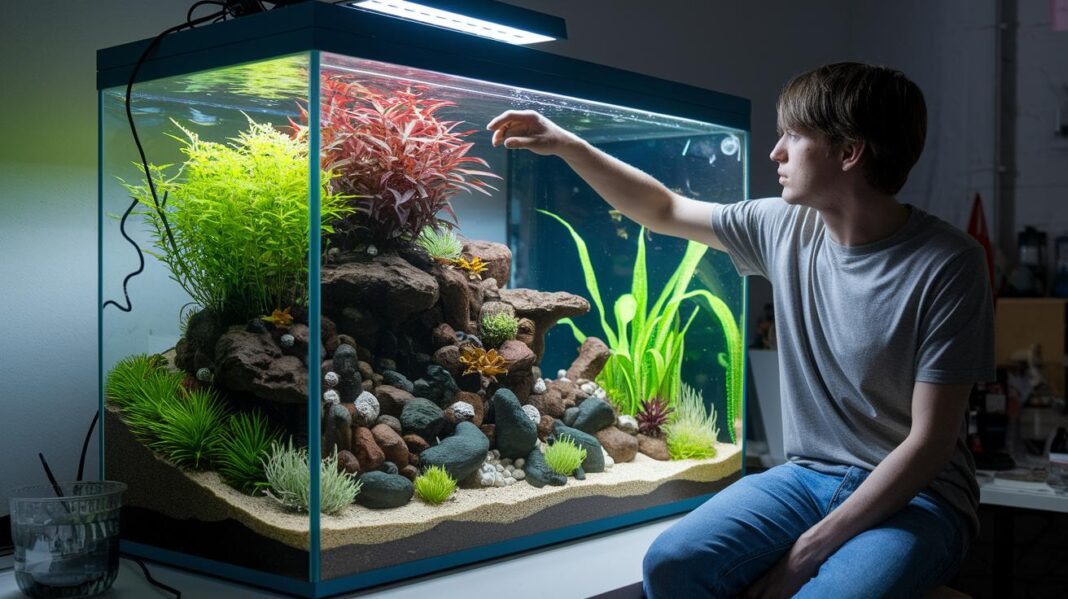

Have you ever pictured water and land sharing a living space in perfect harmony? Paludarium tanks bring together the gentle flow of water and patches of dry land to create a cozy home for your aquatic buddies.
In this guide, you'll find simple setup ideas, care tips that feel like friendly advice, and honest reviews to help you build your own little paludarium wonderland. Imagine a place where fish glide through crystal-clear water and plants thrive on little dry spots, all blending together like the soft murmur of a trickling stream.
Understanding Paludarium Tanks: A Unique Aquarium Vivarium Hybrid
A paludarium tank is like having a mini world where land and water mingle in perfect harmony. It mixes the beauty of underwater life with a little patch of dry land. Imagine listening to the gentle ripple of water and admiring the vibrant greenery all at once. This setup is a lively little home where fish and plants share the same space.
Designing your paludarium feels a bit like drawing your dream garden. You start by sketching out where the watery parts go and where the land should be. For instance, you might plan for a shallow water area just right for your fish and a raised section filled with lovely plants. This kind of planning helps ensure that every creature in your tank gets just what they need.
For those new to the hobby, setting up a paludarium can be a fun and simple adventure. You can begin with a clear tank, natural substrates, and a few easy-to-find plants. Many hobbyists enjoy this hybrid style because it lets you get creative and think about both the look and the care its residents need. Every tank you create is a unique blend of land and water, both functional and a joy to behold.
Planning Your Paludarium Tank Setup: Design and Mapping
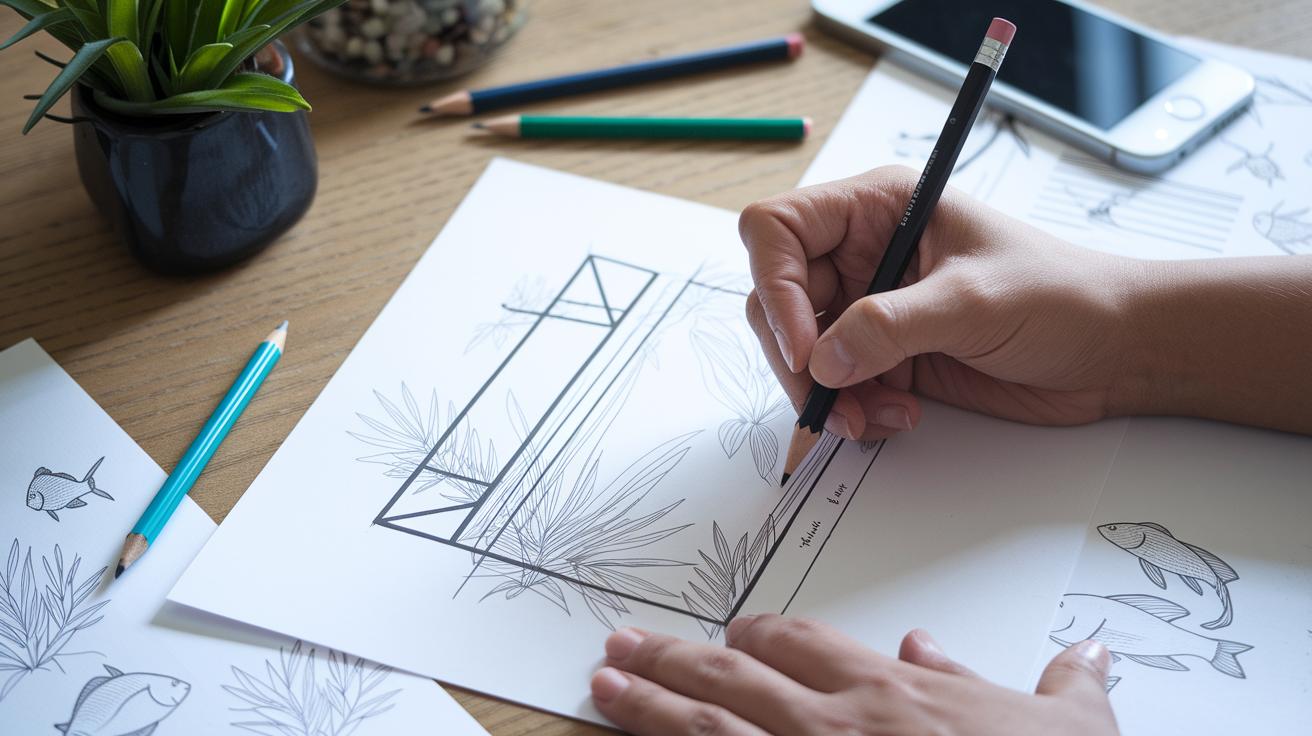
Start by sketching a rough layout of your paludarium. Picture a gentle split between the watery side and the land area, like the smooth ripple of water meeting solid ground. A quick drawing, even if it's just lines on paper, can serve as your guide. I once jotted down a simple design that showed me right away how my aquatic and dry zones could flow together beautifully.
Next, think about the size of your tank and choose a material that fits your vision. Whether you go with glass for its clear, sparkling look or opt for acrylic because it holds up really well, this choice will shape both the appearance and safety of your home for aquatic life. Take a moment to measure the space where you plan to place your tank, and consider a DIY build that matches your needs. A well-planned, custom enclosure really makes your water and land areas pop.
Then, lay out your tank with clear spots for everyone to shine. Map out the water section so your fish can swim freely, and set aside a cozy island of land to highlight your favorite plants. This careful planning helps every resident in your little world find just the right place to thrive.
Essential Supplies for Paludarium Tank Builds
When it comes to making a lively paludarium, the magic begins with picking out the right supplies. Every item, from the glass tank to the tiny accessories, works together like a team of rippling waves to create a balanced space where water and land come together in harmony. Think of it as putting together a colorful underwater puzzle, each piece is special and helps your little ecosystem burst to life.
Take a moment to imagine how a small detail, like choosing the perfect substrate, can change the whole vibe of your tank. It’s like picking the right canvas before painting a masterpiece. The right coco coir mix can set the stage for a lush scene where aquatic and terrestrial plants thrive side by side.
Here are the key supply categories to keep in mind:
- Tank type (like a glass paludarium tank)
- Substrate (for instance, a coconut coir mix)
- Drainage/raised bed system (think of a raised bed that marks out land areas)
- Water pump (a trusty submersible pump does the trick)
- Filter (an external aquatic filter keeps things clean)
- Lighting fixtures (an LED aquarium light brightens up your scene)
- Accessories (including tubing, fittings, and humidity controllers)
- Bio-filtration media (such as bio-balls to maintain water quality)
Sourcing top-notch items for each group makes sure every layer of your paludarium works in sync. It’s just like how a living stream depends on every ripple. When all parts join together, your tank isn’t only beautiful to look at, it also becomes a balanced, thriving home for both water and land life.
Step-by-Step Guide to Building Your Paludarium Tank
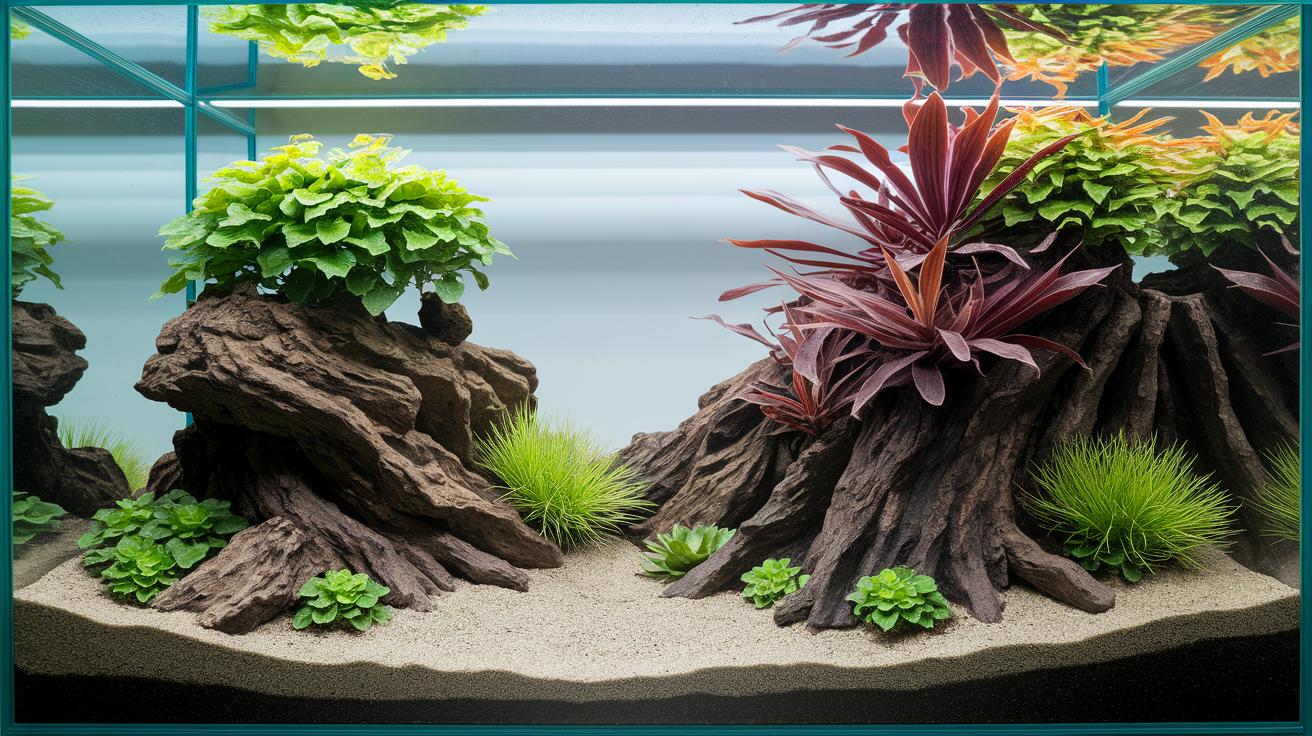
Hey friend, if you’re ready to create a cozy home for both water dwellers and land lovers, here’s a fun, simple plan. Imagine blending the soft ripple of water with a patch of dry soil where plants can thrive. Let’s dive into the steps!
-
Layout and Base Installation
Start by marking where water meets land. Picture the gentle dance between a clear pool for the fish and a sunny spot for the plants. Grab a piece of paper and sketch your vision, it’s like drawing a friendly map for your tank. -
Drainage Layer Assembly
Next, set up a drainage layer on the land side. Think of it as a cushion that stops water from spreading where it shouldn’t. This keeps your soil fresh and dry, just like a little sponge that lets excess water slip away. -
Substrate Layering
Now add your substrate in layers. Begin with a rough base and top it with finer materials that help plant roots grow strong and keep the water clean. This layering builds a natural soil bed, much like setting down the foundation for a garden. -
Hardscape Placement
Time to arrange your natural decor! Place rocks, driftwood, or other treasures to shape your tank. Arrange them with care so they enhance both the watery and dry parts, almost like setting up mini islands for plants and fish to explore. -
Planting Land and Water Zones
Introduce your favorite flora now. Plant species that enjoy a dry patch on the land side and others that love to be submerged in water. This mix not only brings beauty but also helps balance the ecosystem, kind of like adding vibrant colors to a painting. -
Controlled Water Fill
Slowly fill your tank with water, watching closely where the water meets the land. This careful fill helps keep your layers intact, much like steadily pouring a warm drink without stirring up the last sip at the bottom. -
Pump and Filter Setup
Finally, install your water pump and filter, and adjust the flow so the water moves gently. This steady current circulates the water, keeping your tank clean and calm, like a soft breeze over a peaceful pond.
Following these friendly steps turns your paludarium into a living masterpiece, a blend of aquatic charm and earthy delight. Enjoy the process and savor every drop in your new underwater haven!
Choosing Plants and Inhabitants for Your Paludarium Tank
When picking plants and critters for your paludarium, imagine you’re creating a living masterpiece that beautifully blends art and nature. Start by gathering lush, water-loving plants that thrive completely underwater. You might try species like Java fern or Anubias, they bring a natural, calm vibe under the water's surface. Then, mix in some riparian plants such as Pothos or even terrestrial moss that do well in the moist, shallow edges where water meets land. It’s like sketching out your ideas before painting, it makes planning fun and creative.
Next, choose a few hardy fish that can easily settle into mixed water areas. Guppies and rice fish are great picks because they adapt well and add bright splashes of color to your tank. A lively, balanced fish display also helps keep the whole paludarium healthy.
After that, round up a little bioactive cleanup crew to keep things neat. Shrimp and nerite snails work like nature’s tiny janitors, quietly taking care of any leftovers and helping to maintain water quality.
- Use water-loving species for the underwater zone.
- Pick riparian and land plants for the border areas.
- Start with hardy fish that have plenty of room to swim.
- Bring in a cleanup crew to keep the tank fresh.
- Consider small amphibians or reptiles if your setup can support them.
If you decide to add small amphibians, remember they like warm, humid corners and gentle care. Keep a clear boundary between the water and land areas so every plant and animal gets the space it needs to flourish.
Maintenance Best Practices for Long-Term Paludarium Tank Health
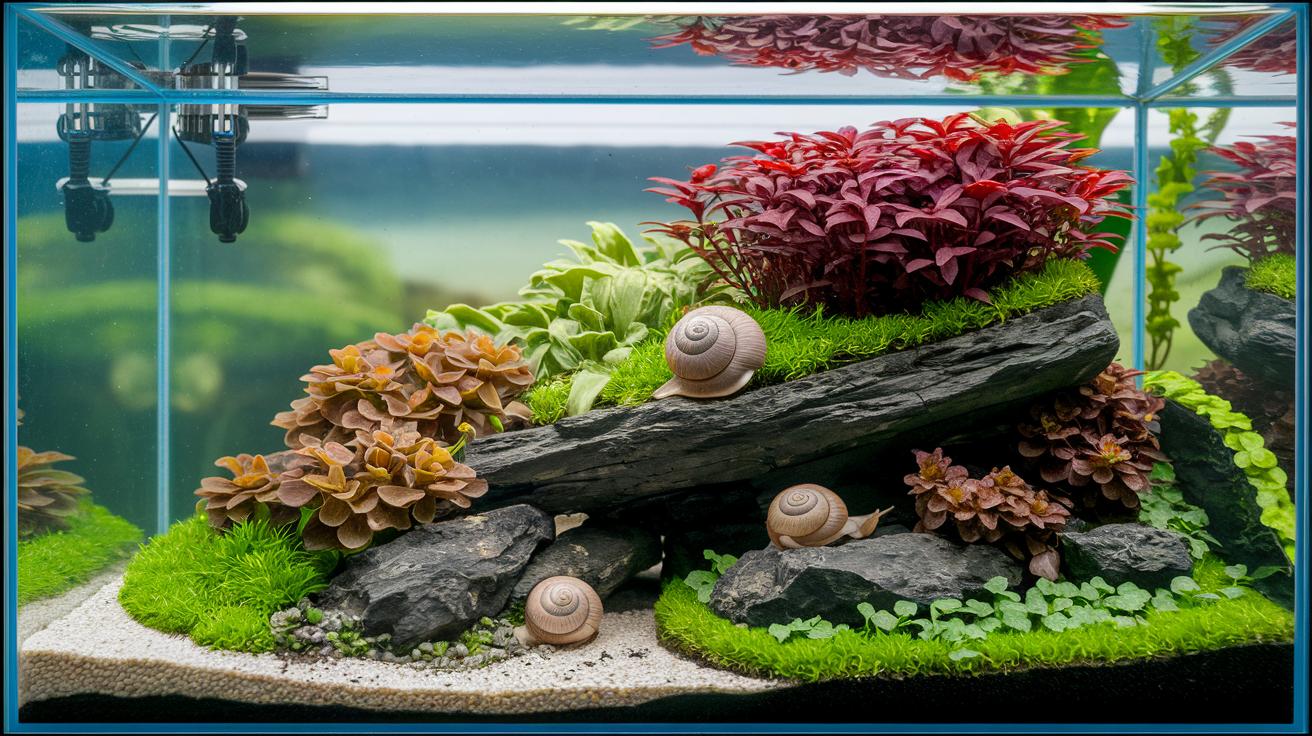
Taking care of your paludarium is like looking after a tiny, lively world. Every day, a few simple checks help keep the water clear and balanced, while little helpers like snails and shrimp take care of waste. Quick water tests for pH and ammonia catch any changes before they turn into big problems. And running an automated misting system keeps the land area nice and moist for plants and amphibians.
Here's a simple plan to keep all parts of your paludarium happy:
Daily Tasks:
- Look at the water to make sure it's clear and free of any floating bits.
- Watch your fish and see if your cleanup crew is busy at work.
- Check water settings by testing pH and ammonia levels.
- Run the misting or fogger system to keep the land area humid.
Weekly Tasks:
- Add water to make up for what evaporated.
- Clean the glass so you can enjoy a crystal-clear view and remove any algae.
- Wipe down the hardscape areas where water might collect.
- Check the lighting and make sure it's working just right.
Monthly Tasks:
- Clean or change the filter media to keep water flowing smoothly.
- Trim your plants and remove any dead leaves from both water and land parts.
- Look over the substrate and drainage layers to see if they are settling or compacting.
- Fill up the misting system’s reservoirs and test that the system is working as it should.
This regular routine not only keeps your water quality in check but also stops common issues before they start. By keeping an eye on all the details and acting when needed, your paludarium will stay a vibrant mix of water and land, a peaceful home where every resident can flourish.
DIY vs Pre-Assembled Paludarium Tank Kits: Pros and Cons
If you're setting up a paludarium, you might wonder if doing it yourself or picking a ready-made kit is best. It really depends on your style, time, and budget.
Going DIY means you control every detail. You get to choose the tank, the substrate, and even how much space goes to water versus land. It’s a fun way to bring your aquatic vision to life, and you might even save a bit of cash if you shop smart.
On the other hand, pre-assembled kits make things easy, especially for beginners. They come with everything matched up and ready to go, which means you spend less time hunting down parts. It’s a simple way to get your setup running quickly.
Consider these points:
- DIY lets you tailor your paludarium to your unique vision.
- DIY might be cheaper if you pick your own parts.
- Pre-assembled kits offer great convenience with everything included.
- Pre-assembled options may cost more at first, but they save you time.
For more options, check out aquarium supplies near me to find local kits that work for you.
In the end, it’s all about finding the right balance between creative control and hassle-free setup.
Design Inspirations and Advanced Ideas for Paludarium Tanks
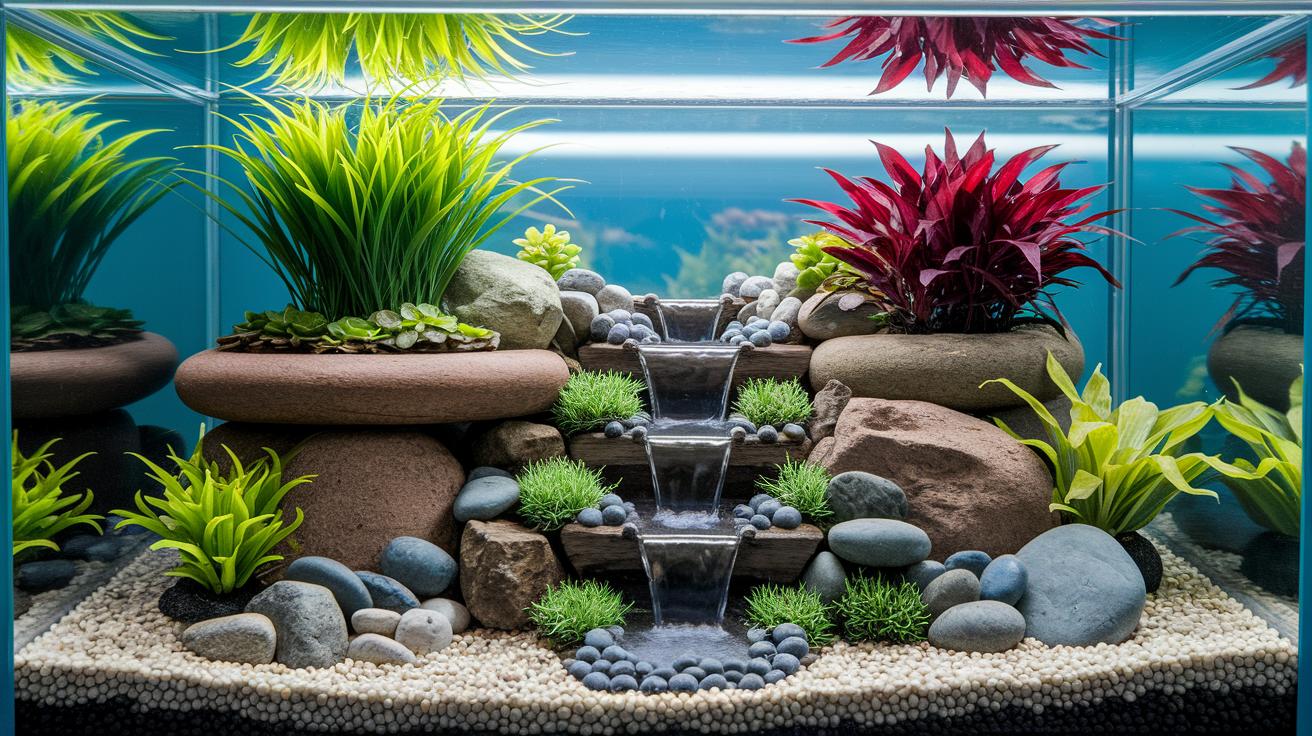
Imagine your paludarium tank as a unique blend of art and nature, where every part enhances the natural habitat. It mixes the soothing flow of water with the vibrant appeal of land plants, creating a comforting space that invites both peace and fascination.
Consider spicing up your design with these creative touches:
- Mini waterfall: Add a small, built-in waterfall that mimics a natural cascade. Its gentle bubbling sound provides a peaceful rhythm and a smooth flow along the edge of your tank.
- Tiered planting wall: Create a vertical garden using different levels. With cascading plants on modular shelves, you get a lush green wall that adds both height and depth.
- LED-accented streams: Brighten up tiny water channels with soft LED lights. The modern, dim glow highlights the water’s movement while keeping a natural vibe.
- Root-network terrarium: Let plant roots peek above the waterline to form a living, textured tapestry. This design blurs the boundaries between land and water, adding a touch of wild beauty.
- Mixed-media hardscape accent: Combine natural stones, driftwood, and contemporary background panels to craft a layered, eye-catching hardscape. This mix not only looks great but also supports the living habitat.
These advanced ideas blend modern style with natural elegance, perfect for anyone ready to explore creative and inspiring paludarium setups.
Final Words
in the action, we explored the unique blend of land and water in a paludarium tank. We touched on planning your design, picking the right supplies, and building your semi-aquatic display step by step. The post also covered choosing ideal plants and faunas, daily care routines, and weighing DIY methods against ready-made options.
Every step helps create a visually appealing and healthy underwater habitat. Enjoy setting up your very own paludarium tank and let your passion for aquatic life shine.
FAQ
Paludarium tank for sale
The phrase “paludarium tank for sale” refers to available tanks that combine water and land elements. It helps buyers find setups that suit their space and habitat needs.
Paludarium tank kit and build
A paludarium tank kit offers a ready-made package with key supplies, guiding you through building a hybrid display. It simplifies the build process while letting you add your own creative touches.
Paludarium tank setup
The term “paludarium tank setup” explains how to arrange both aquatic and terrestrial sections in one enclosure. It means carefully planning zones so that both plants and animals thrive.
Paludarium tank price
“Paludarium tank price” indicates that cost depends on size, materials, and special components included. It lets you compare options and choose one that fits your desired budget.
Paludarium tank size and large options
When discussing “paludarium tank size,” focus on choosing a tank large enough to comfortably host both water and land sections. Adequate space benefits the health of your plants and animals.
Paludarium tank ideas
“Paludarium tank ideas” inspire creative builds like integrated waterfalls, layered planting, and mixed-media displays. These ideas encourage both simple setups and innovative designs for any skill level.
What is a paludarium tank?
A paludarium tank is an enclosure that blends aquatic and terrestrial environments. It offers a unique view of natural life and serves both as a habitat and a display.
Are paludariums high maintenance?
Saying paludariums are high maintenance means careful and regular care is needed to balance water quality and plant health. Routine checks and adjustments help keep the system stable.
What is a paludarium vs vivarium?
Comparing a paludarium to a vivarium shows that a paludarium includes both water and land areas, while a vivarium focuses mainly on land, catering to terrestrial species.
Are paludariums self-sustaining?
Saying paludariums are self-sustaining implies they can manage natural processes with bioactive elements and cleanup crews. Still, periodic care and adjustments are needed to keep the balance right.