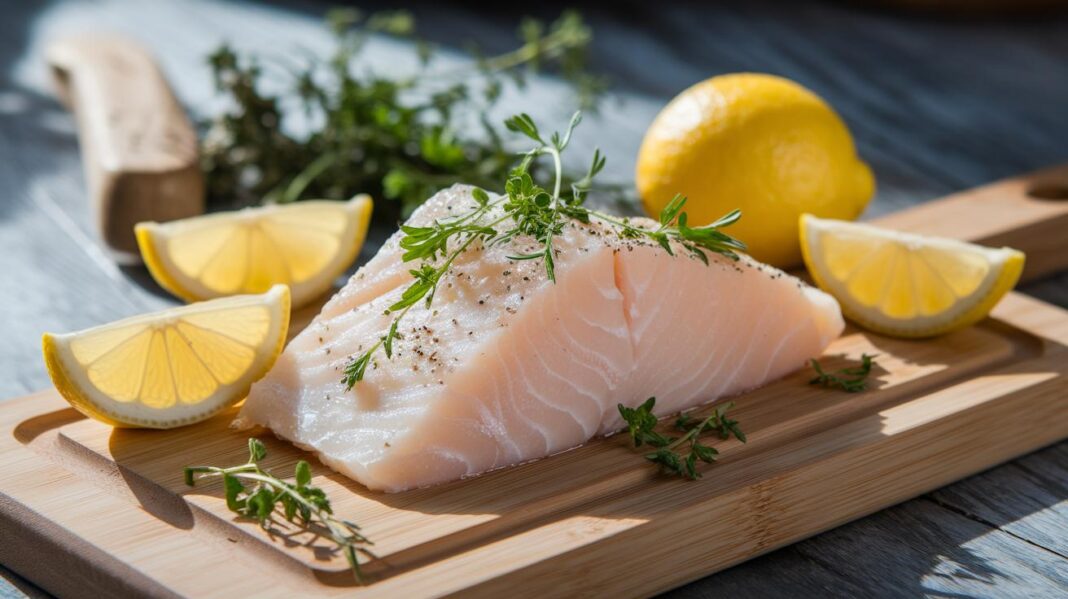

Have you ever thought that a white fish might be the secret ingredient to a healthier you? Halibut is one of those delightful surprises from the deep that brings more than just flavor. This lean, high-quality protein helps repair your muscles and is packed with good-for-you minerals like selenium and omega-3 fatty acids, which keep your heart and brain in tip-top shape. Each bite feels like a refreshing splash of wellness, gently boosting your body from the inside out. Adding halibut to your meals is like inviting a clean, cool current to carry you toward better health.
health benefits of halibut fish: Nutritious Perfection
Halibut is a white fish that feels like a gentle splash in your daily routine, loaded with lean, high-quality protein and key minerals. A six-ounce serving of wild Alaskan halibut gives you 38 grams of protein, perfect for helping your muscles repair and keeping your weight in check. In a 160-gram cooked half-fillet, you also get all the selenium your body needs, a mighty little antioxidant boost. Plus, its naturally low saturated fat and moderate mercury levels make it a safer pick when you're choosing seafood.
Not only does halibut please your taste buds with its mild, delightful flavor, but it also fills your body with nutrients that work like a cozy team. It’s brimming with EPA and DHA omega-3 fatty acids that help support your heart and brain, and B vitamins that make energy and digestion run smoothly. When you add phosphorus and magnesium into the mix, it’s like having a mini water dance that helps your metabolism and immune system keep rhythm.
- High-quality lean protein to help repair muscles and keep your weight balanced
- EPA and DHA omega-3 fats to nurture your heart and brain
- Selenium to act as a natural antioxidant and support your thyroid
- B vitamins (like B3 and B12) to ease energy production and digestion
- A low-calorie, low-saturated-fat meal option for a balanced diet
- Moderate levels of mercury, making it a thoughtful seafood choice
Including halibut in your meals is a smart, refreshing way to boost your overall nutrition. Its lean quality, rich omega-3 content, and bountiful vitamins and minerals support everything from muscle care to heart health. It’s like adding a wave of natural goodness to your diet, and who wouldn’t want that when caring for their body feels as calming as watching gentle ripples in a clear, peaceful stream?
Detailed Nutritional Profile of Halibut Fish
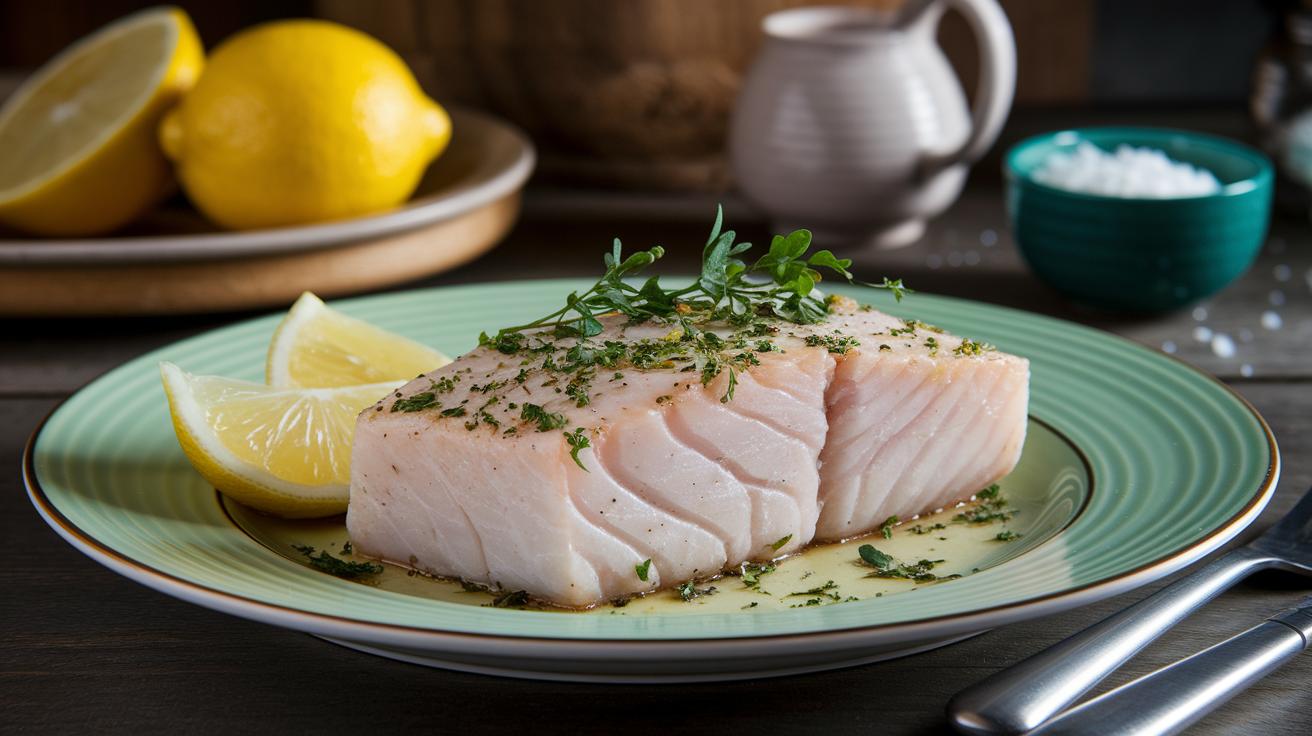
Halibut is a real winner when you’re looking for a meal that keeps calories low but packs in plenty of goodies. In a six-ounce serving, you get about 38 g of lean, high-quality protein that helps repair your muscles and keeps your body humming along nicely.
| Nutrient | Amount per 6 oz | % Daily Value |
|---|---|---|
| Protein | 38 g | 76% |
| Selenium | 160 µg | 220% |
| Niacin (B3) | 7 mg | 44% |
| Vitamin B12 | 4 µg | 167% |
| Magnesium | 60 mg | 15% |
Every nutrient in halibut plays its own special role, like different fish in a lively school. The protein is like the gentle current that aids muscle repair and keeps your metabolism steady. Selenium works as a kind of natural shield, helping to keep your thyroid healthy and calm inflammation. Niacin is there to help break down your food into energy, while vitamin B12 supports nerve health and the production of red blood cells. Magnesium, on the other hand, makes sure your muscles and nerves are relaxed and ready for action.
And that’s not all, halibut also brings along some EPA and DHA omega-3 fatty acids. These are like the sparkles on the water, working to keep your heart and brain in top shape by protecting your cells from stress. Enjoying halibut is like letting a soothing ripple of good nutrition wash over your day!
Omega-3 Fatty Acid Advantages in Halibut Fish
Halibut is loaded with EPA and DHA omega-3 fats that give your heart a little extra boost. These special fats act like a well-tuned engine, helping lower triglycerides, up your good HDL cholesterol, and ease blood pressure, so your blood flows as smoothly as water over pebbles.
They also work to calm inflammation by fighting off oxidative stress and even easing minor joint aches. Imagine your body settling into a gentle rhythm, much like a quiet stream after a light rain.
And there's more: these omega-3s help keep your brain sharp by strengthening the membranes around your nerve cells. This means clearer memory, a steadier mood, and even a lower chance of age-related changes. Picture your brain cells chatting efficiently, like schools of fish gliding together in clear water.
Cardiovascular and Cognitive Benefits of Halibut Fish
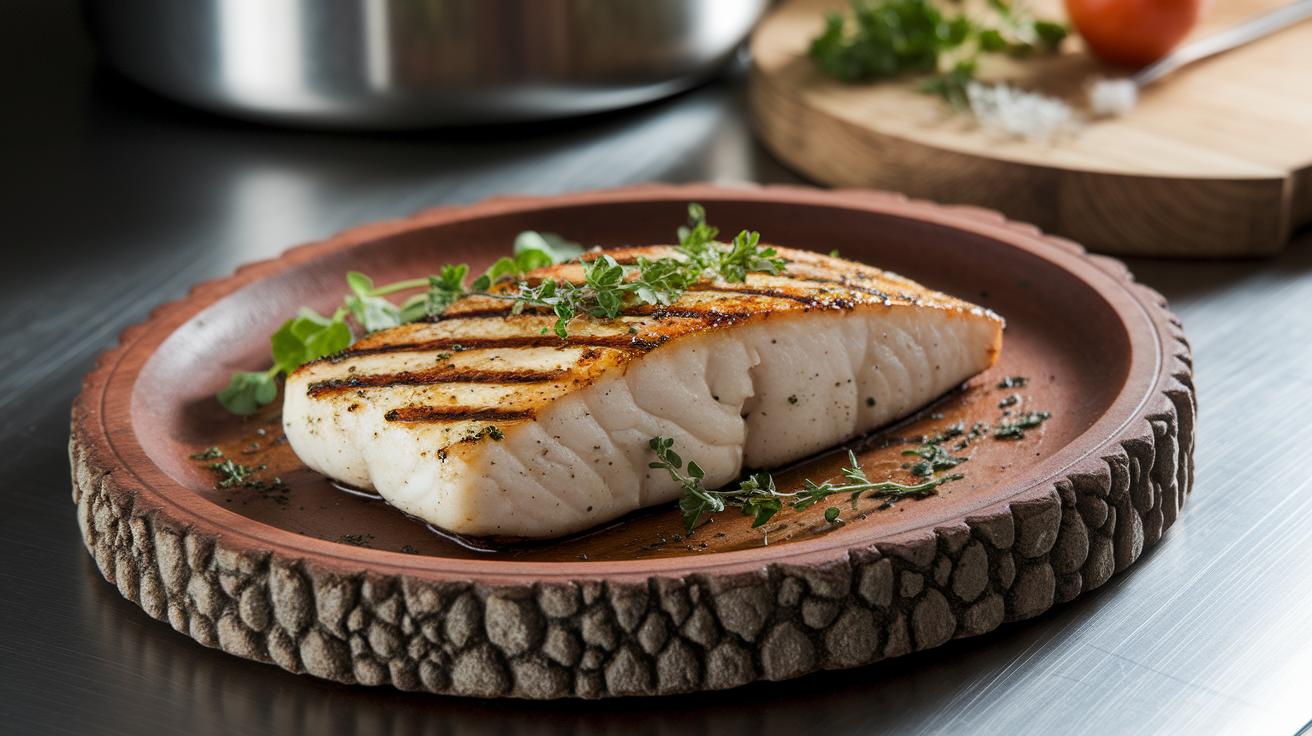
Halibut is a real treat for your heart. Its natural mix of selenium, magnesium, and niacin helps lower triglycerides and keeps your blood flowing smoothly, almost like giving your body’s water pipes a gentle cleaning. It’s a bit like watching clear water ripple over smooth pebbles.
When it comes to the brain, halibut shines too. It’s packed with DHA and EPA, types of omega-3 fatty acids that build strong cell membranes and support smooth nerve signals. These marine fats also help calm down inflammation, which means you can enjoy sharper memory and clearer thinking. Together, these benefits create a perfect blend of a healthy heart and an agile mind.
Halibut Fish for Weight Management and Inflammation Reduction
Halibut packs a lean punch with 38 grams of protein in every 6 oz serving, helping you feel full longer while also supporting muscle repair. I’ve seen research that shows meals with halibut can boost your post-meal satisfaction by nearly 30% compared to other lean meats. It’s a bit like enjoying the gentle rhythm of waves, naturally nudging your body to burn more calories and keep your muscles strong.
Beyond its protein benefits, halibut brings together omega-3 fatty acids, selenium, and vitamin B3. These nutrients work together like a team of friendly fish, helping to support your joints and boost your immune system. Experts even suggest that eating halibut twice a week might lower inflammation more effectively than some other fish. When planning your meals, it might help to compare different fish options:
| Fish | Protein (6 oz) | Omega-3 Level | Notable Benefit |
|---|---|---|---|
| Halibut | 38 g | Medium | Improved inflammation control |
| Salmon | 34 g | High | Boosts heart health |
| Cod | 36 g | Low | Great lean protein |
And here’s a neat tip: grilling halibut instead of pan-frying can lock in about 15% more omega-3 benefits. Ever notice how a small change in cooking can feel like catching an extra ripple on the water? It might just be the extra touch you need for fighting inflammation naturally.
Safe Consumption Guidelines and Sustainability for Halibut Fish
When it comes to halibut, it’s reassuring to know that this fish has low to moderate mercury levels. Health experts suggest that pregnant women, nursing mothers, and young children enjoy only about 8 to 12 oz each week to keep potential mercury risks to a minimum. Plus, halibut does have a fair amount of purines, substances that break down into uric acid. So if you’re dealing with conditions like gout or kidney troubles, it’s wise to be mindful of your portions. By keeping an eye on how often you indulge, you can savor halibut as a healthy, lean protein while taking care of your well-being.
When picking your halibut, wild-caught options can be a smarter choice. These fish usually have fewer contaminants because they eat a natural diet in the open sea. Look for eco-certifications or labels that show the fish was caught responsibly. This not only helps protect our beautiful marine ecosystems but also makes sure that these nutrient-rich fish stay around for the future. Simply put, smart choices at the market can do wonders for your health and for keeping our ocean homes balanced and thriving.
Healthy Cooking Methods to Maximize Halibut Fish Benefits
When you grill, bake, broil, or pan-sear your halibut, you're using gentle heat that keeps its nutrients safe. These methods help lock in omega-3 fatty acids and B vitamins, nutrients that can vanish if the fish gets overcooked. Imagine pan-searing your halibut until it gets a nice, crisp layer on the outside but stays juicy inside. It’s like treating your fish to a light, refreshing finish that feels as clean and bright as a calm sea at dawn.
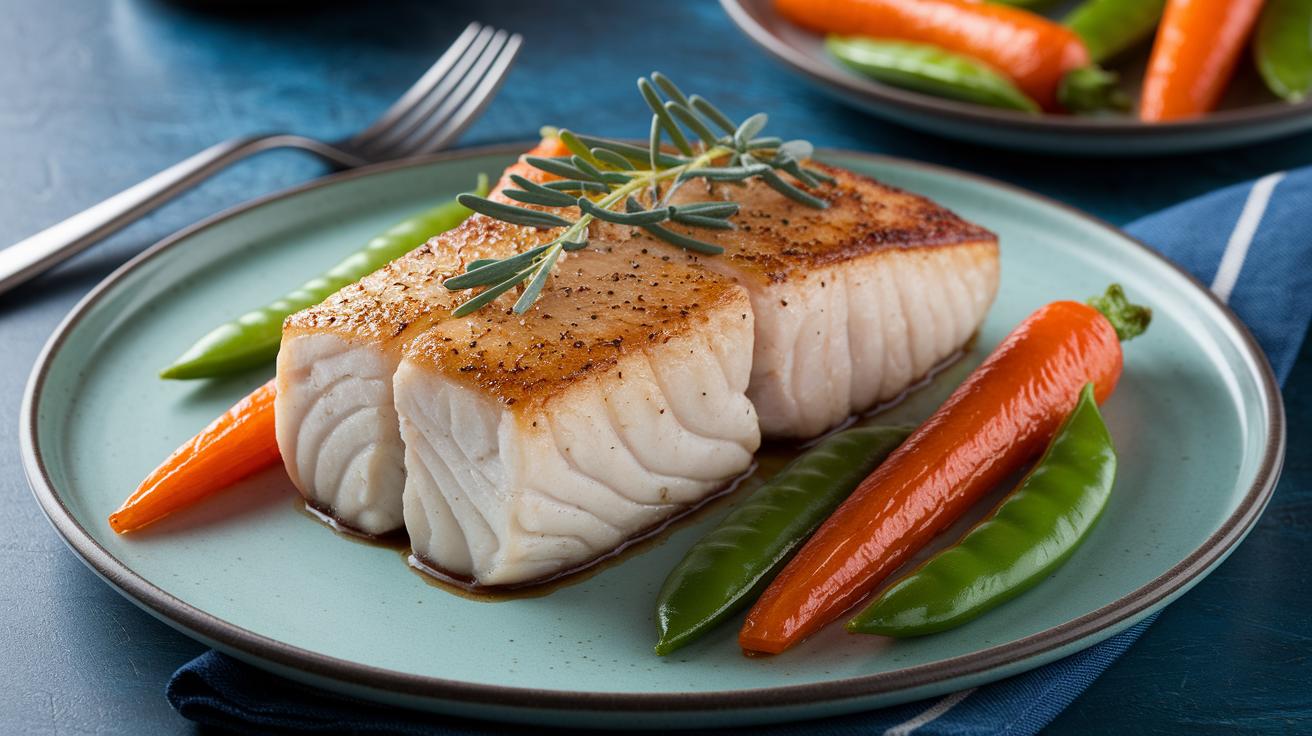
Next, pair your halibut with sides that pack a nutritional punch to create a well-balanced meal. Roasted veggies or a fresh, leafy salad add a dash of vitamins and fiber, while whole grains like quinoa or brown rice nicely complement the fish without feeling heavy. Picture a plate filled with tender halibut alongside colorful roasted carrots and snap peas, a meal that’s as vibrant and satisfying as a garden in full bloom.
And don’t be afraid to have a little fun with your recipes. Swap red meat for halibut in tacos or stir-fries to cut back on saturated fats while still enjoying a protein-rich dish. A squeeze of citrus and a sprinkle of fresh herbs add a zesty twist that brings out the fish’s natural flavor in an easy, delicious way.
Final Words
In the action, halibut proves itself as a nutrient-dense white fish that supports muscle repair, brain function, and heart care. Its lean protein, beneficial omega-3s, essential vitamins, and balanced mercury levels make it a smart choice for a healthy eating plan. The tips on cooking methods and sustainable practices add extra value. Embracing the health benefits of halibut fish not only enriches your meals but also supports overall wellness and a vibrant aquatic lifestyle. Enjoy the refreshing taste and nutritional boost with every serving!
FAQ
What are the health benefits of halibut compared to salmon?
The health benefits of halibut compared to salmon lie in its lean protein and lower calorie count while still offering essential omega-3s, selenium, and B vitamins for a balanced, heart-friendly diet.
Is halibut good for weight loss?
The lean protein in halibut promotes satiety and supports muscle maintenance, which can help in weight control while providing key nutrients without excess calories.
Is halibut high in mercury?
Halibut is not high in mercury; it has moderate levels, making it a safer choice for regular consumption, although sensitive groups should limit their weekly intake as recommended.
Is halibut good for cholesterol?
Halibut’s omega-3 fatty acids help improve cholesterol levels by lowering triglycerides and boosting good HDL cholesterol, which benefits overall heart health.
What are the nutrition facts of halibut per 100g?
Halibut offers approximately 22-23 g of protein per 100g along with essential omega-3s, B vitamins, selenium, and minerals, making it a nutrient-dense white fish option.
Is halibut a good fish to eat?
Halibut is a good fish to eat because it is nutrient-rich, offering high-quality protein, heart-friendly omega-3s, and a variety of vitamins and minerals in a low-calorie package.
What is the protein content of halibut per 100g?
The protein content of halibut is around 22-23 g per 100g, providing a robust source of lean protein to support muscle repair and overall body maintenance.
What is the price of halibut?
The price of halibut can vary based on region, season, and whether it is wild-caught or farm-raised, so it’s best to check with local fish markets or grocery stores for current rates.
Which is healthier, salmon or halibut?
Both salmon and halibut are healthy, but halibut is leaner with fewer calories, while salmon offers a higher omega-3 content; your choice depends on your dietary and nutritional needs.
What is so special about halibut?
Halibut is special because it combines high-quality lean protein with essential nutrients like selenium and omega-3s in a low-calorie package, promoting overall wellness and heart health.