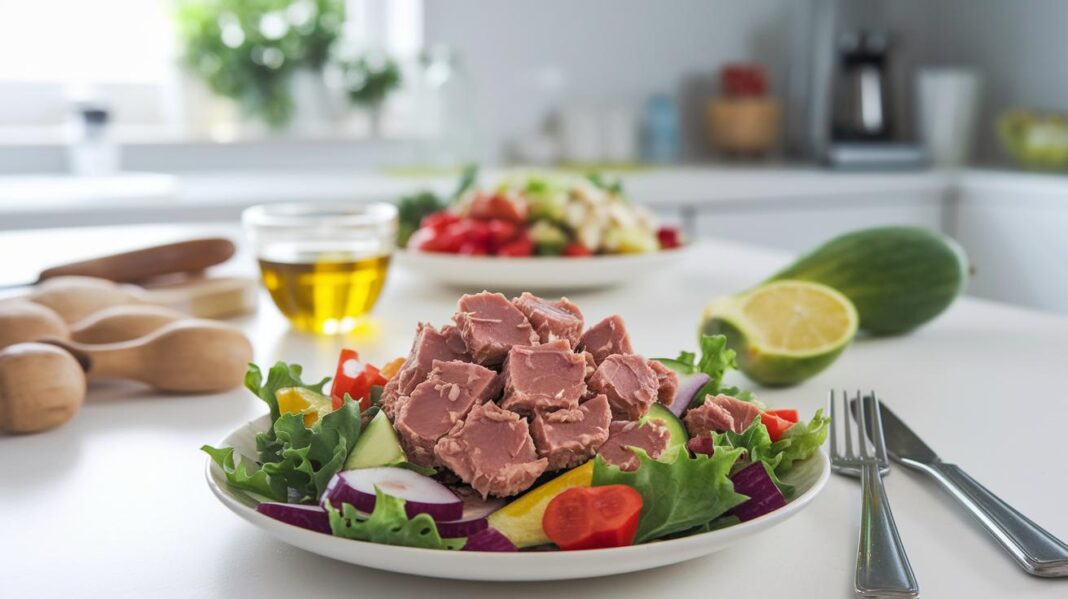

Have you ever thought that a can of tuna could really boost your day? This humble can is filled with protein, vitamins, and minerals that help keep your heart happy and your energy high. I remember a busy student who grabbed one during a long study night, and it worked like a little lifesaver. Every serving acts like a tiny powerhouse, giving you the fuel you need. Stay with me, and you'll see how this simple, wallet-friendly snack can brighten your journey to feeling great.
How Canned Tuna Fish Delivers Essential Health Benefits
Canned tuna is a real lifesaver when you want tasty food without breaking the bank. It costs just a few dollars, needs no cooking, and is ready to enjoy for a fast meal or a packed lunch. Plus, its long shelf life means you can always have a healthy snack on hand, a busy college student even swore by it during late-night study sessions, whipping it up with some pantry staples in just minutes.
Not only is it convenient, but canned tuna is also packed with goodness. It gives you high-quality protein and heart-friendly omega-3 fatty acids, the kinds that help keep your heart in tip-top shape. You also get vitamins D and B-12 along with important minerals like selenium, potassium, iron, and phosphorus, all working together to give your body what it needs without much fuss.
And let’s not forget the different textures. Whether it’s skipjack or the milder albacore (about 70% and 30% of U.S. consumption respectively), each can brings a slightly different taste that keeps things interesting. This quick, protein-rich option helps fuel your body while also looking after your heart and overall health, much like the gentle care we give our favorite aquariums.
Canned Tuna Fish Nutrition Facts Spotlight
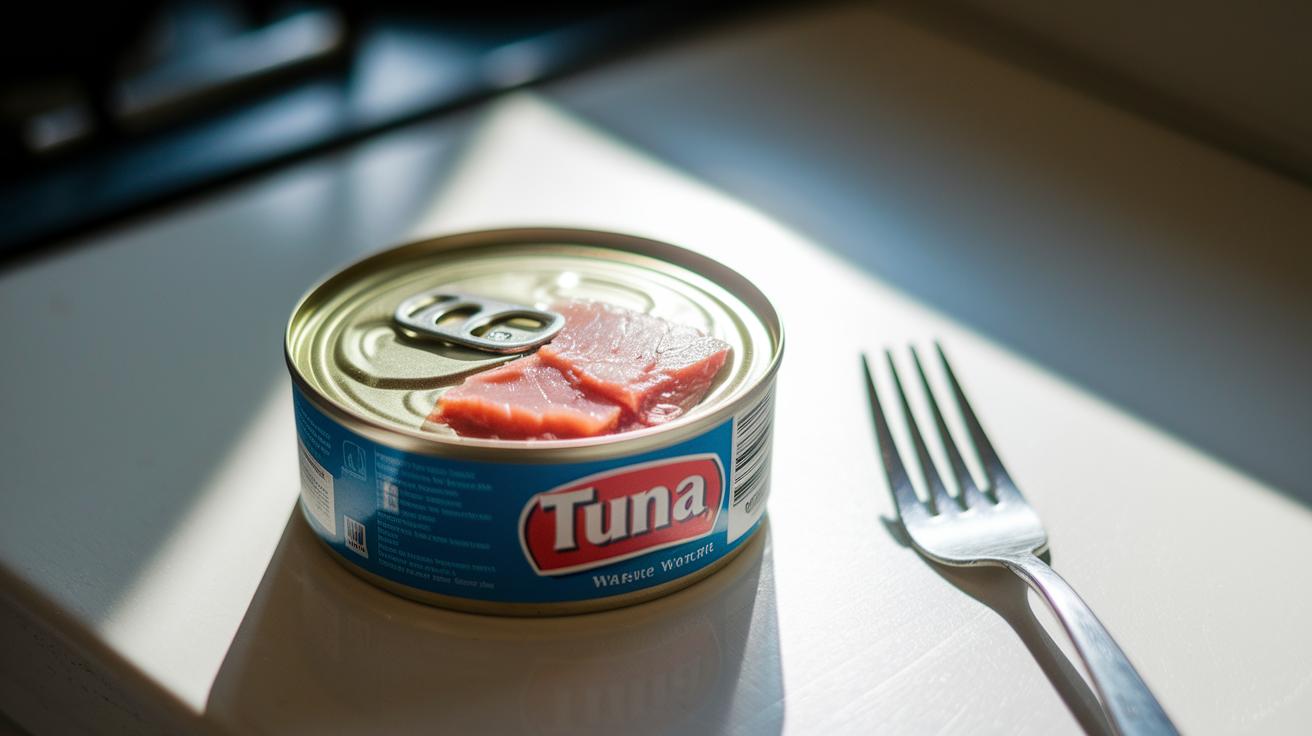
A 4-ounce serving of water-packed tuna is like a burst of lean energy for your body. It comes with 24 grams of protein, less than 1 gram of fat, and about 0.5 gram of omega-3 fatty acids, those good fats that help your heart. It’s a simple, ready-to-eat option that works wonders for muscle repair and overall health.
Tuna also brings along important minerals like potassium, iron, and phosphorus. These nutrients team up with its protein and healthy fats to support your body, making it a smart pick when you want a quick, nourishing meal.
| Nutrient | Amount per Serving | % Daily Value |
|---|---|---|
| Protein | 24 g | 48% |
| Fat | <1 g | 1% |
| Omega-3 | 0.5 g | N/A |
| Vitamin D | Up to 5 oz can: 10% DV | 10% |
| Vitamin B-12 | ~2 μg | 80% |
| Selenium | Approx. 30 mcg | 55% |
Every can of tuna is like a mini adventure for your taste buds and body. It adds a refreshing boost to any meal, much like a cool ripple in a clear pond. Enjoy it as a smart, tasty choice to keep you feeling strong and ready for your next dive into the day.
Omega-3 Fatty Acid Boost from Canned Tuna Fish
Canned tuna is a neat source of DHA and EPA, two omega-3 fats that help keep your brain sharp, your vision clear, and your heart beating steadily. In each 4-ounce serving, you get less than 0.5 gram of these fats, working quietly like a gentle current that keeps everything balanced.
When you look at tuna compared to salmon, the difference is clear. Salmon provides about 1 to 2 grams of omega-3 fats per serving, a much stronger boost, while tuna offers a light, low-calorie way to get your omega-3s. Imagine tuna as a soft shimmer on the water, giving you a delicate nudge of nutrients.
Studies have shown that omega-3 fats can help maintain a calm heart rhythm and balanced blood fats, supporting overall well-being. Every small serving of tuna adds to your daily care, much like a little ripple that keeps a beautifully tuned engine running smoothly.
Canned Tuna Fish as a Marine Protein Advantage for Muscle and Weight Management
Imagine a 4-ounce serving of water-packed tuna as a gentle rush of clean water for your muscles. This lean protein helps repair muscle fibers quickly after a good workout, much like a refreshing stream that soothes tired tissues, getting you set for the next exercise burst.
Tuna’s low-calorie nature makes it a perfect part of a balanced eating plan. It fuels your busy day right after a long run or tough gym session without piling on extra calories. Ever notice how a post-workout smoothie makes you feel recharged? Tuna works much the same way, offering the necessary boost for muscle recovery.
Because canned tuna is ready to eat, it’s a lifesaver for busy days. You can toss it into a salad, wrap, or mix it into a dish for a quick protein hit. It’s the kind of meal that fits smoothly into an active lifestyle while keeping your energy levels high.
Essential Vitamins and Minerals in Canned Tuna Fish
Canned tuna is like a hidden treasure in a seaside cove, offering essential nutrients that help your body run smoothly. The vitamins and minerals in this fish are absorbed easily, almost like water flowing gently over smooth stones.
-
Vitamin D gives you up to 10% of your daily value in just one 5 oz can. It helps your body soak up calcium as easily as a sponge soaks up water, keeping your bones strong.
-
Vitamin B-12 provides about 2 μg per can and comes bound with protein, so your body gets it quickly to support red blood cell production and keep your nerves happy. It's like the protein helps deliver the vitamin straight to where it's needed.
-
Selenium works like a little guardian in your cells, protecting them from damage and boosting your immune system. The type in tuna is used by your body without any extra fuss, much like a strong current that never lets you down.
-
Potassium keeps your electrolytes balanced, which is important for muscle and heart function. The natural potassium in tuna helps you bounce back after a busy day, kind of like a refreshing splash of cool water.
-
Iron and phosphorus work together to keep you energized and strong. The iron in tuna is easy for your body to use, almost like a speedy delivery service taking oxygen to your cells, while phosphorus helps keep your bones healthy and your energy levels up.
Each of these nutrients plays a key role in keeping your body healthy, from building strong bones to boosting your energy, making canned tuna a standout choice for a nutrient-packed meal.
Assessing Mercury Levels and Seafood Safety in Canned Tuna Fish
When it comes to canned tuna, top brands swim against the current by testing their fish with standards that are ten times tougher than what the FDA requires. This extra care is much like watching water gently trickle over smooth pebbles, it keeps mercury levels low and builds trust in every can.
The EPA and FDA suggest enjoying 2 to 3 servings of fish each week so you can savor the goodness of protein and omega-3 fatty acids without too much worry. Imagine having a trusted water filter that cleans every droplet before it reaches your glass. Each can of tuna is treated with the same loving attention, which is especially comforting for households that rely on it as a budget-friendly meal.
- Adults: 2–3 servings per week
- Children ages 1–11: Light tuna should be limited to 8–12 oz per week; white (albacore) tuna to 4 oz per week
- Pregnant or breastfeeding women: Follow the same limits as children for light and white tuna
These friendly guidelines help keep harmful metals in check while still adding a nutritious splash to your weekly menu.
Comparing Canned Tuna Fish with Fresh Tuna: Health and Nutritional Differences
Both canned tuna, whether it’s packed in water or oil, and fresh tuna give you a solid boost of protein along with important vitamins and minerals. But here’s the catch: the amount of fat and calories can change the game. For example, oil-packed tuna has about 2.3 grams of fat per ounce, while water-packed tuna comes in with less than 1 gram. Fresh tuna usually offers around 28 calories per ounce, whereas the oil-packed kind can hit about 56 calories per ounce. It’s a bit like picking between a richer sauce and a lighter dressing, you get a similar nutritional punch, but the extra fat makes the calorie count climb.
Canned tuna wins when it comes to storage and ease of use. You can keep a can in your pantry for months, ready for a quick meal whenever you need one. Fresh tuna, on the other hand, has to be eaten pretty soon after you buy it. This makes canned tuna a friendlier option for busy days when you want to save time and avoid waste.
Practical Tips for Incorporating Canned Tuna Fish into a Healthy Diet
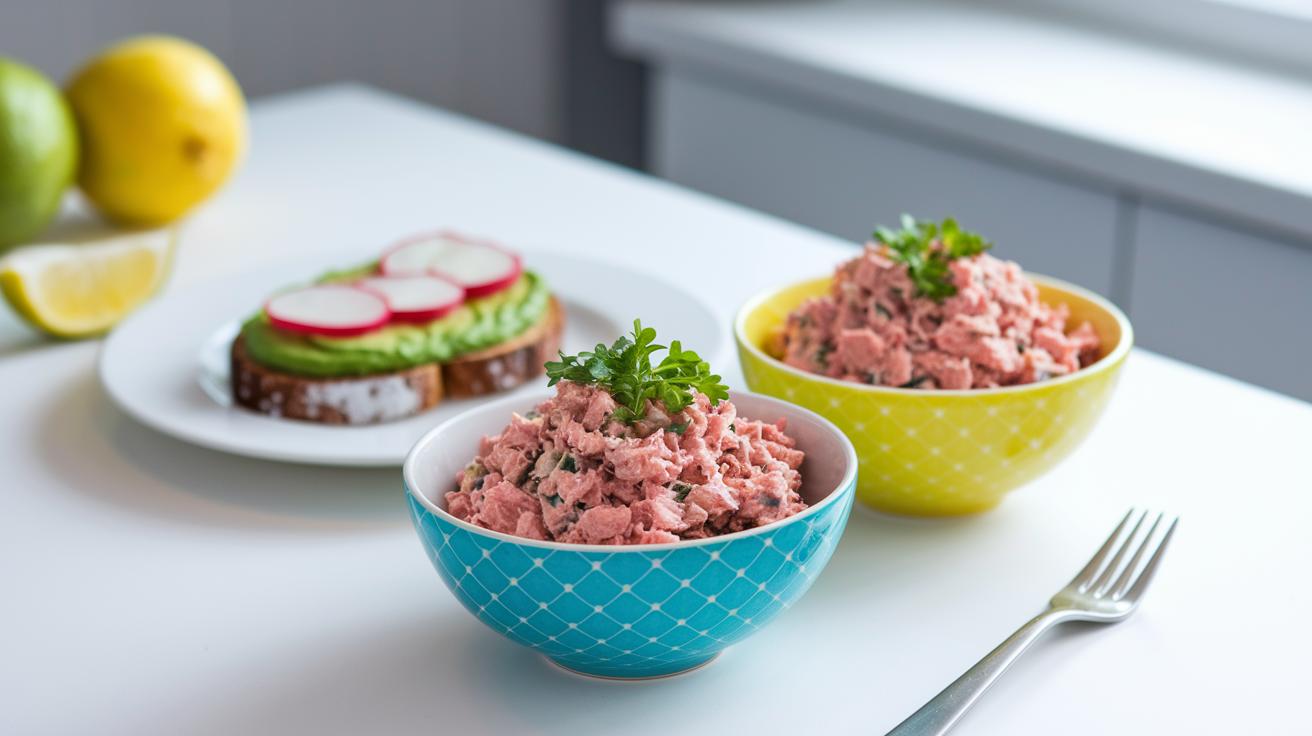
Canned tuna is like a trusty friend in your kitchen, ready to bring a burst of variety to every meal. Whether you're blending it into a zesty bruschetta, mixing up a Paleo-inspired salad, or creating a Mediterranean bowl with vibrant herbs, its light and smooth texture makes it a perfect match for bold flavors. Imagine turning everyday pantry staples into something that tastes almost gourmet, it's that simple.
Using tuna with familiar ingredients makes cooking feel breezy and fun. It’s an ideal pick for a balanced lunch or a quick dinner when you want to enjoy something healthy without spending hours in the kitchen. Stir it into a lively pasta dish, or toss it over a fresh garden salad. The convenience of tuna means more time savoring your meal and less time fussing over preparation. Plus, many brands offer free shipping on orders over $40, which is a cool bonus if you’re planning for the week ahead.
- Tuna lettuce wraps with a squeeze of lime and a handful of fresh cilantro
- Classic tuna and avocado toast, topped with crispy radish slices
- A filling tuna pasta salad loaded with cherry tomatoes and olives
- Tuna-stuffed bell peppers mixed with quinoa and spinach
- A quick tuna and vegetable stir-fry with a splash of soy sauce
Enjoy these ideas and let the simple charm of canned tuna bring a little extra joy to your day!
Final Words
In the action, we've seen how one can rely on canned tuna to add affordability, convenience, and nutrient density to everyday meals. Its lean protein, omega-3s, and essential vitamins support muscle building, weight management, and overall vitality. Canned tuna fish health benefits are clear, making it a smart, tasty pick for a quick dietary upgrade. The easy recipe ideas and safety tips shared here remind us that caring for a balanced diet can be both simple and enjoyable. Enjoy the refreshing boost it brings to your daily routine!
FAQ
Why is canned tuna not healthy?
Canned tuna is seen by some as unhealthy due to concerns about mercury. However, strict testing and guidelines ensure that when eaten in moderation, it provides valuable protein, omega-3s, and essential vitamins.
What are the benefits and side effects of canned tuna fish?
Canned tuna offers lean protein, omega-3 fatty acids, and crucial vitamins for heart and muscle support, but overconsumption may raise mercury levels. Moderation is key to enjoying its benefits safely.
Is canned tuna healthy for weight loss?
Canned tuna is healthy for weight loss because it is low in calories, high in lean protein, and delivers key nutrients that help you feel full, making it a smart snack or meal addition.
What health benefits does canned tuna offer for both women and men?
Canned tuna supports both women and men by delivering high-quality protein, omega-3 fatty acids, vitamin D, and vitamin B-12, which contribute to heart health, muscle maintenance, and overall energy levels.
How much canned tuna is safe to eat per week, and is a can daily healthy?
Most guidelines suggest two to three servings weekly to keep mercury in check. Eating one can daily is generally safe for adults, but be mindful of individual consumption recommendations, especially for pregnant or young individuals.