

Ever thought your dinner could be both tasty and good for you? Flounder fish brings a light, lean protein punch with very little fat, shining on your plate like a little treasure from the deep.
Every bite helps build strong muscles and fills you with important vitamins to keep your body running like a well-tuned aquarium pump.
Isn’t it amazing that a meal can make you feel nourished and bright? Let’s dive into why flounder fish is a smart and scrumptious pick for your next meal.
flounder fish health benefits: Tasty, wholesome gains
Flounder is a lean, light fish that serves up a healthy dose of top-notch protein with very little fat. Imagine savoring a meal that offers about 20 grams of quality protein and only 2 grams of fat per 100 grams, perfect for helping your muscles repair and keeping your energy steady, all while staying around 110 calories.
Not only does flounder provide solid protein, but it also brings along a host of micronutrients that help your body work just right. Each serving gives you nearly 600 IU of vitamin D to support strong bones. Plus, it includes vitamin B12, phosphorus, selenium, and potassium that work together to boost your energy and nervous system, making each bite not just flavorful but truly nourishing.
| Nutrient | Amount per 100 g |
|---|---|
| Calories | 110 kcal |
| Protein | 20 g |
| Total Fat | 2 g |
| Omega-3 (EPA + DHA) | 1.5 g |
| Vitamin D | 600 IU |
| Vitamin B12 | , |
| Selenium | , |
| Phosphorus | , |
This nutrient-rich fish makes it easy to hit your dietary goals, offering lean protein for healthy muscles and omega-3 fats that support your heart and brain. It's a great choice if you're looking to enjoy a delicious, wholesome seafood treat that feels as refreshing as a cool splash on a sunny day.
Flounder’s Omega-3 Support for Heart Health and Cholesterol Balance
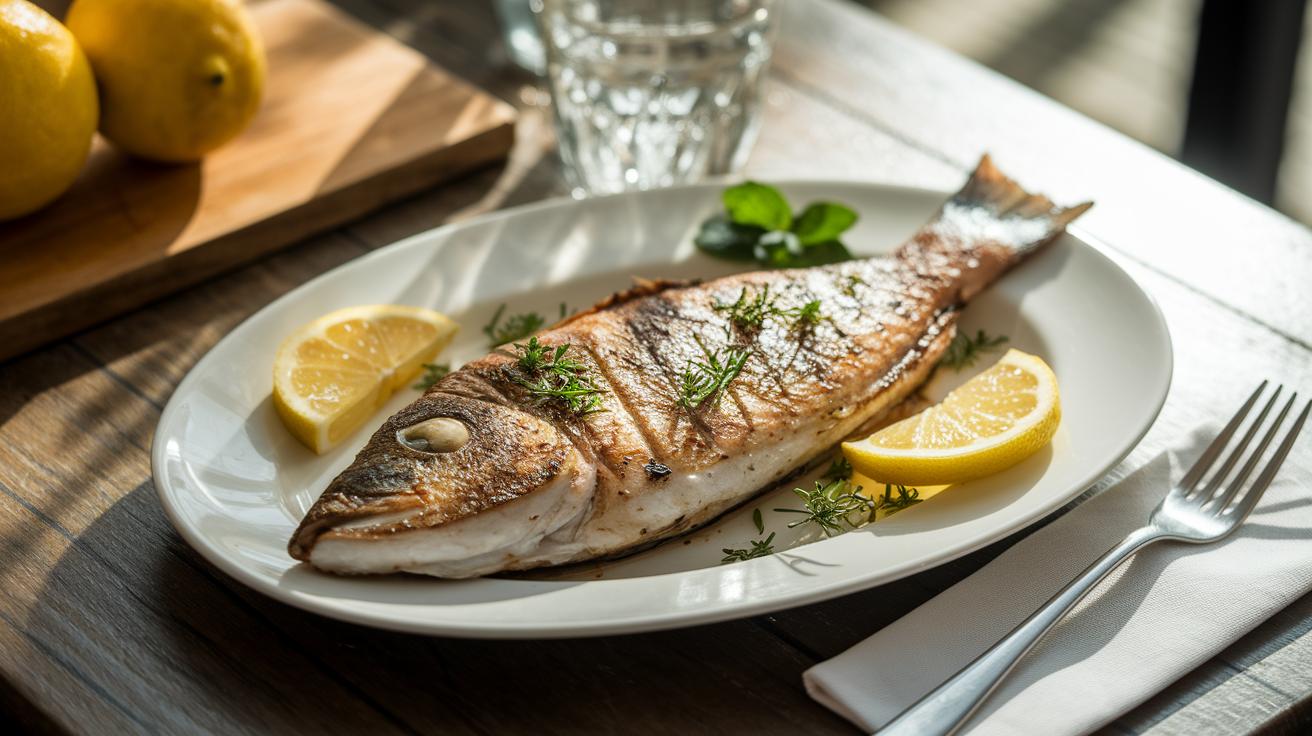
Flounder is a tasty marine treat that offers plenty of heart-healthy omega-3 fatty acids. These special fats work like little helpers in your body, they lower the bad cholesterol while lifting the good one. They even make your blood vessels more flexible, so your arteries can expand and contract easily. Imagine water flowing smoothly over pebbles in a gentle stream; that’s how these omega-3s help your heart.
Research shows that eating flounder regularly may lower the chances of heart rhythm problems, heart attacks, and strokes. Some folks have noticed fewer irregular heartbeats and better overall heart performance after adding flounder to their meals. I remember a friend saying, "After including flounder in my diet, I saw a big change in my test results!" It just goes to show that this omega-3-rich fish can be a great choice for a heart-friendly diet.
A good tip is to enjoy a 100-gram serving two to three times a week. This keeps a steady flow of omega-3s coming in, which helps keep your cholesterol steady and your blood pressure in check. So, not only do you get to savor a delicious catch, but you also give your heart the support it deserves.
How Flounder’s Lean Protein Aids Weight Management
Flounder is nature’s little gem if you’re aiming to keep hunger away while enjoying something light and nourishing. With around 110 calories and 20 grams of protein per 100 grams, this fish gives you the fuel you need without extra fuss. And with just about 2 grams of fat, it’s like a gentle ripple on a calm pond , simple, pure, and effective.
The protein in flounder plays a big role in keeping your muscles strong and your metabolism humming. When your muscles are well taken care of, they burn calories more easily, even when you’re relaxing. Think of it as a steady current that keeps your energy flowing throughout the day. A little tip from a fellow fish lover: try including flounder in your weekly meals for that reliable protein boost and to help manage your overall calorie intake.
If you’re working on weight management, consider making a habit of enjoying a 100-gram serving of flounder two to three times a week. This small addition can help you control portions, spark an active metabolism, and keep your appetite in check , kind of like adding a fresh stream to your daily routine.
Brain and Eye Health Advantages from Flounder's Omega-3s
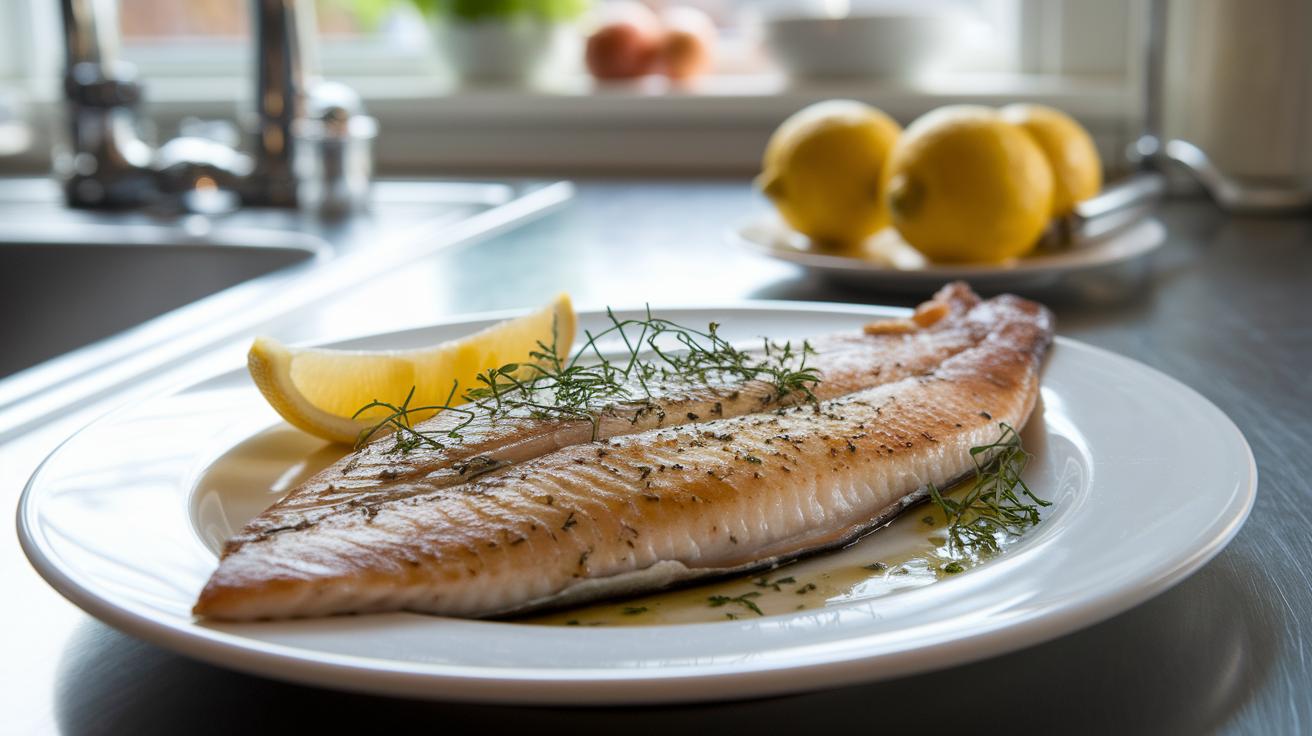
Flounder is packed with omega-3 fatty acids that are not only tasty but also great for your brain and eyes. These healthy fats can help boost your memory, keep your thoughts clear, and even make your eyes feel refreshed and comfortable.
Cognitive Support
EPA and DHA, two special omega-3 fats found in flounder, work like a gentle current for your brain. They reduce inflammation and protect your nerve cells, much like a soothing water flow that keeps everything in balance. Some studies even suggest that regular omega-3 intake can sharpen your focus, making your mind work as smoothly as water over rocks.
Visual Health Support
When it comes to your eyes, EPA and DHA are just as important. They help increase tear production and shield the cells in your retinas, which can make your eyes feel like they've had a gentle, refreshing rinse. This natural care can slow down the effects of aging on your vision, keeping your view clear and comfortable.
Key Vitamins and Minerals in Flounder for Overall Wellness
Flounder really shines as a tasty, healthy catch. This fish is packed with vitamin D and vitamin B12, which are like little helpers that keep your body strong and steady. Vitamin D works to keep your bones strong, kind of like a sturdy foundation for a cozy house, while vitamin B12 makes sure your nerves and energy levels are in good shape. Together, these vitamins help your well-being flow as smoothly as a gentle stream.
In a 127-gram cooked fillet, you get about 41.4 µg of selenium, which is roughly three-quarters of what you need every day. Think of selenium as a protective shield that helps your immune system and keeps your cells balanced. Along with selenium, flounder provides phosphorus to build strong bones and potassium to keep your fluids in check so your heart and muscles work just right. This mix of vital nutrients makes flounder a smart choice to boost your daily nutrition.
Consumption Safety, Mercury Awareness, and Sustainable Flounder Choices

Keep in mind that only a few people, about 0.3 to 1% of folks in the U.S., might be allergic to finfish. Since some flounder can have mercury, it’s a smart idea to enjoy it in moderation. Aim for roughly 100 grams per serving two to three times a week. This tip is especially important for pregnant women, who need to keep their mercury intake really low. Think of it like taking a slow, refreshing sip of cool water on a hot day.
When you’re picking out flounder, look for labels that show it was caught in a sustainable way. Friendly certifications like “OK” from the Marine Conservation Society or a “Best Buy” from Seafood Watch can make a big difference, especially if the flounder comes from Alaska, California, Oregon, or Washington. Over in the U.S. Pacific region, starry flounder even earns a “Best” rating from the Environmental Defense Fund. These marks help you choose fish that are caught responsibly, so you can enjoy your meal while taking care of our blue planet.
Cooking and Serving Flounder: Easy Recipes to Enhance Health Benefits
When you head out to choose flounder, check for sparkling, clear eyes, firm but springy flesh, and smooth, intact scales. These are signs that the fish is as fresh as the early morning tide. Fresh flounder has a subtle, gentle taste and a tender texture that really shines when cooked with care. Imagine it as nature’s gift from the sea, ready to add a refreshing burst of ocean vitality to your meal.
When it comes to cooking, keeping things simple helps preserve all the good nutrients and delicate flavor. Steaming, baking, grilling, broiling, or a quick sauté all work wonders to keep the natural taste of the fish undisturbed. For example, gently baking your flounder in a preheated oven locks in its soft, tender texture, much like a quiet ripple capturing the peaceful essence of the sea.
- Citrus-herb baked flounder fillet
- Garlic-butter pan-seared flatfish
- Mediterranean grilled flounder skewers
- Simple oven-roasted flounder with olive oil and herbs
- Light stir-fry with vegetables and flounder
- Lemon-dill poached flounder
Pair your flounder with hearty whole grains or a vibrant medley of steamed vegetables to perfectly match its light flavor. Enjoying flounder a couple of times a week not only creates a delightful dining experience but also gives you a healthy boost, just like a cool sea breeze on a sunny day.
Final Words
In the action, our post broke down flounder’s nutritional profile, from its lean protein and low fat content to the rich supply of omega-3s. We touched on how these nutrients boost heart, brain, eye, and overall wellness while also sharing safe and sustainable ways to enjoy this fine fish.
This guide shows that embracing flounder fish health benefits can lead to a clean, balanced diet and greater enjoyment of your aquatic meals. Keep exploring and savoring every bite.
FAQ
Q: What flounder fish health benefits support weight loss?
A: The flounder aids weight loss by offering lean protein and low calories that boost satiety and support muscle maintenance, making it a smart choice for balancing your meals.
Q: What are white flounder fish health benefits?
A: The white flounder brings lean protein, omega-3 fatty acids, and vital vitamins that encourage heart health, brain function, and overall energy, making each meal both healthy and satisfying.
Q: Is flounder high in mercury?
A: The flounder generally contains low mercury levels, meaning it is a safe seafood option when enjoyed in moderation, especially for those mindful of mercury intake.
Q: How does flounder compare to salmon nutritionally?
A: The flounder offers lean protein with lower calories, while salmon provides richer omega-3 fatty acids. Both deliver important nutrients, so your choice depends on your health goals.
Q: What is the protein content in flounder fish?
A: The flounder offers about 20 grams of high-quality protein per 100 grams, which is key for muscle building and repair while keeping your meal light and nutritious.
Q: What does flounder do for the body?
A: The flounder nourishes the body with lean protein for muscle, omega-3s for heart and brain function, and essential vitamins and minerals for overall wellness.
Q: What is the healthiest white fish to eat?
A: The flounder stands out as one of the healthiest white fish due to its low fat, high-quality protein, beneficial nutrients, and low mercury levels, ideal for a balanced, nutritious diet.