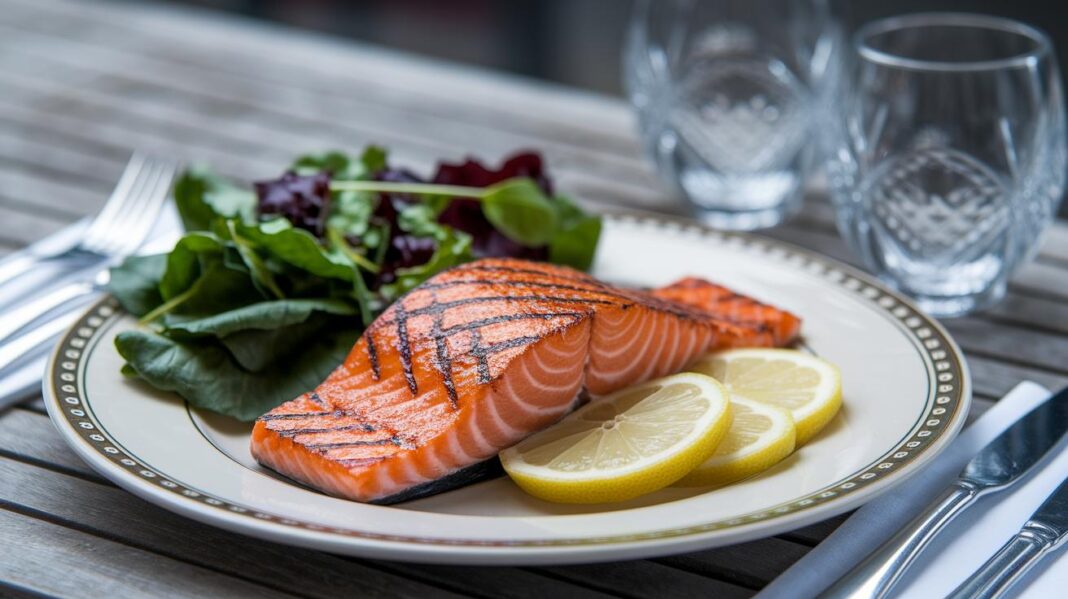

Have you ever thought that your favorite fish might give you a healthy boost of vitamin B12? Many people skip fish simply because they don’t realize that these delicious dishes pack a mighty nutrient punch.
Take salmon, for example. A single serving can easily provide more than the daily amount of vitamin B12 your body needs. This vitamin is important because it helps keep your nerves running as smoothly as a gentle stream and supports the creation of strong red blood cells.
In this post, we’ll explore how choosing popular fish can be a smart way to care for your health. After all, enjoying a meal by the water may be one of the simplest, most natural ways to look after yourself.
Fish as a Reliable Source of Vitamin B12
Fish is a great way to get your daily dose of vitamin B12. This nutrient helps keep your nerves in tip-top shape, makes red blood cells, and even repairs your DNA. For example, a 3-ounce serving of cooked salmon gives you more than the 2.4 micrograms you need every day. It’s like nature’s little helper, ensuring your body runs smoothly.
But that’s not all, fish is also loaded with high-quality protein and heart-friendly omega-3 fatty acids, which work like tiny workers to reduce inflammation. You also get a boost from minerals like selenium and iodine. All these nutrients team up to keep you feeling your best, making fish a smart and tasty choice for your regular meal plan.
Top B12-Rich Fish Species and Their B12 Levels
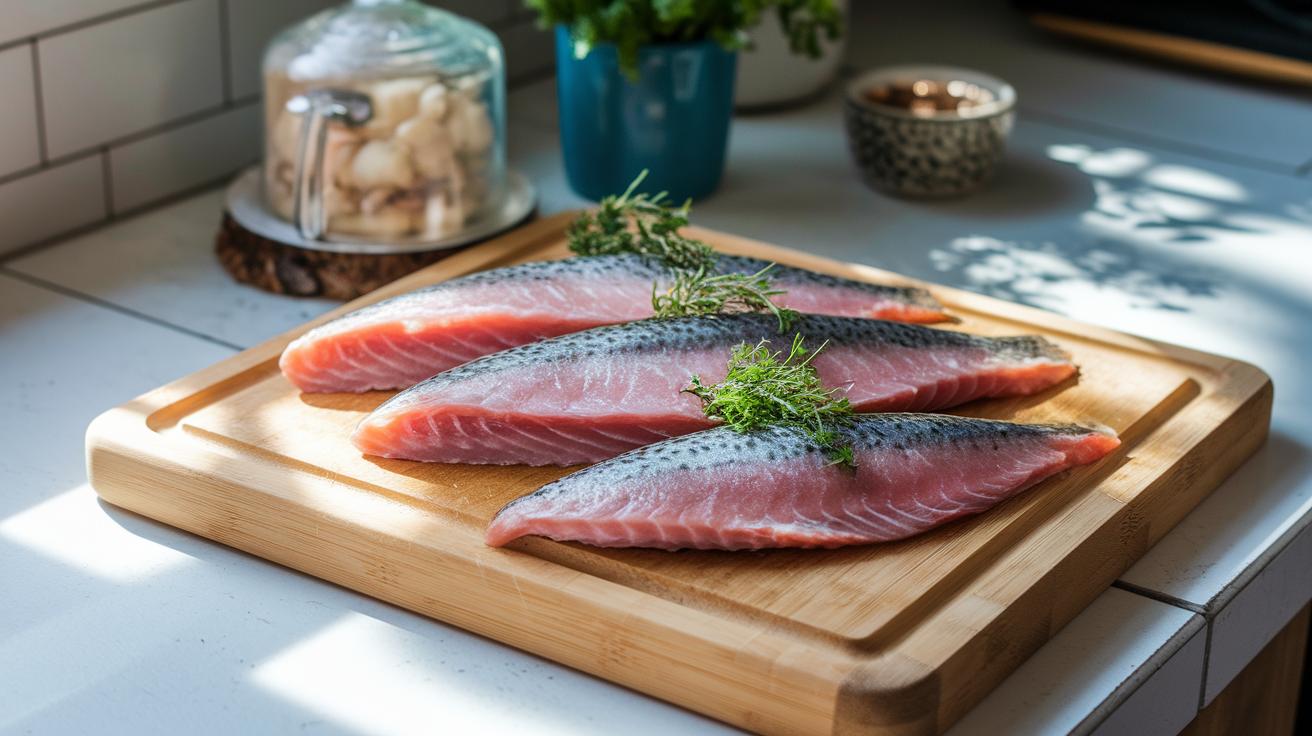
Ever notice how a tasty fish dish can feel as refreshing as a dip in a clear, gentle stream? These fish are real gems, each bringing a boost of vitamin B12 to help you stay vibrant every day. They make it easy to get your required B12 with every bite. For instance, a serving of canned sardines gives you about 8.9 µg, while a plate of cooked trout offers around 5.4 µg of vitamin B12. And it doesn’t stop there, salmon, tuna, and mackerel not only blend B12 into your meal but also bring heart-friendly omega-3 fats, quality protein, and vital minerals.
| Fish Species | Vitamin B12 (µg per 3 oz) |
|---|---|
| Sardines | 8.9 |
| Salmon | 4.2 |
| Trout | 5.4 |
| Tuna | 2.8 |
| Mackerel | 7.2 |
| Cod Liver Oil | 10.0 |
Switching up your fish choices is a fun, simple way to keep your meals both interesting and nutrient-packed. Each option supports your nerve health and helps build red blood cells, while also delivering protein and omega fats that contribute to overall well-being. So why not mix in different types of fish during your weekly menu? It's like adding a new ripple to your day, refreshing, healthy, and delightfully diverse.
Wild-Caught vs. Farmed Fish: Effects on B12 Content
Wild-caught fish usually come with a little extra vitamin B12 compared to those raised in controlled ponds or tanks. They feed on a mix of tiny water critters, which naturally boosts their nutrient goodness. On the other hand, farmed fish, grown in managed environments, still pack enough B12 for your daily needs, but their levels tend to be slightly lower. This tiny difference shows how eating natural foods can really enrich a fish's nutrient mix.
Flash-freezing fish right at sea is a clever trick to keep all that valuable B12 locked in. This fast-freezing process happens just after the fish are caught, preserving their vitamins as if they were freshly caught. By stopping any loss of nutrients from the moment of capture, this method helps you enjoy every bite filled with nature's full gift of B12.
Maximizing B12 Intake: Serving Sizes and Preparation Methods
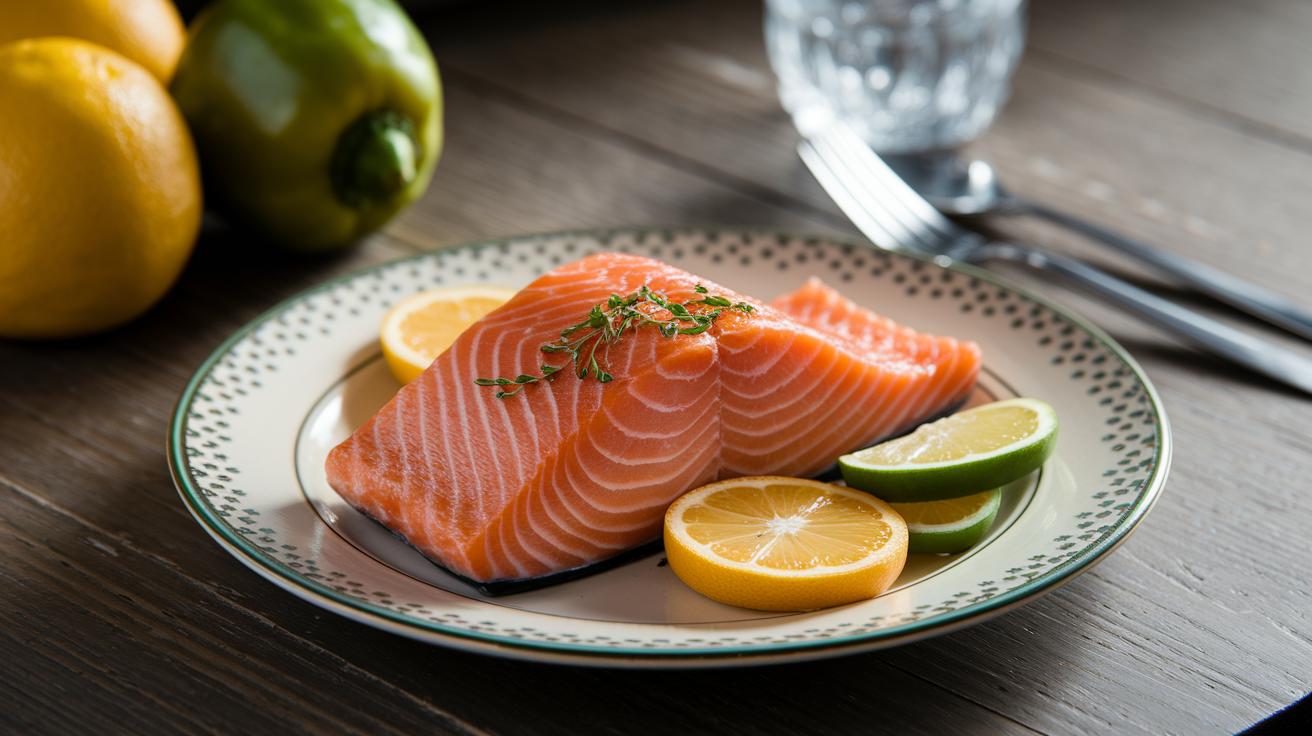
A 3 oz serving of cooked salmon or tuna is just the right size to easily hit your daily vitamin B12 goal. This little portion gives your nerves and red blood cells a healthy boost while keeping things light and tasty. When you choose gentle cooking methods, you keep the wise vitamin intact along with the fish's soft texture and natural flavor. And pairing your fish with a few slices of citrus or crisp bell peppers can help your body absorb that B12 even better.
- Steam instead of frying
- Poach in a light broth with a squeeze of citrus
- Marinate in a vinegar-based sauce
- Avoid overcooking (aim for an internal temperature under 145°F)
- Serve with foods rich in vitamin C like bell peppers
Using methods like steaming or poaching helps lock in the essential vitamins without drying out your fish. A broth touched with citrus not only adds a fresh zest but also supports your B12 uptake. With these tips, every bite becomes as healthy as it is delicious, kind of like a gentle ripple in your daily wellness routine.
Health Benefits of B12 from Fish and Deficiency Prevention
Did you know the B12 in fish works wonders for your body? It helps your nerves feel right, speeds up DNA repair, and builds red blood cells. Even small shortages can lead to noticeable problems, so eating fish regularly is like giving your cells a quick checkup with each bite.
Fish packed with B12 also eases inflammation and supports overall cell health. Recent research even suggests that keeping your B12 levels balanced can ease nerve discomfort and boost your energy. Think of it as your body’s way of repairing itself after a busy day, much like a well-tuned aquarium filter keeping the water clean.
Regularly enjoying B12-rich fish can fend off issues like:
| Issue | Description |
|---|---|
| Fatigue | Feeling constantly tired |
| Memory Disturbances | Difficulty remembering things |
| Numbness | Sensation loss in hands or feet |
| Anemia | Low red blood cell count |
Every meal with B12-rich fish adds a dose of essential nutrients, keeping you as vibrant and healthy as a lively underwater scene.
Safety and Sustainability: Balancing B12 Benefits and Risks
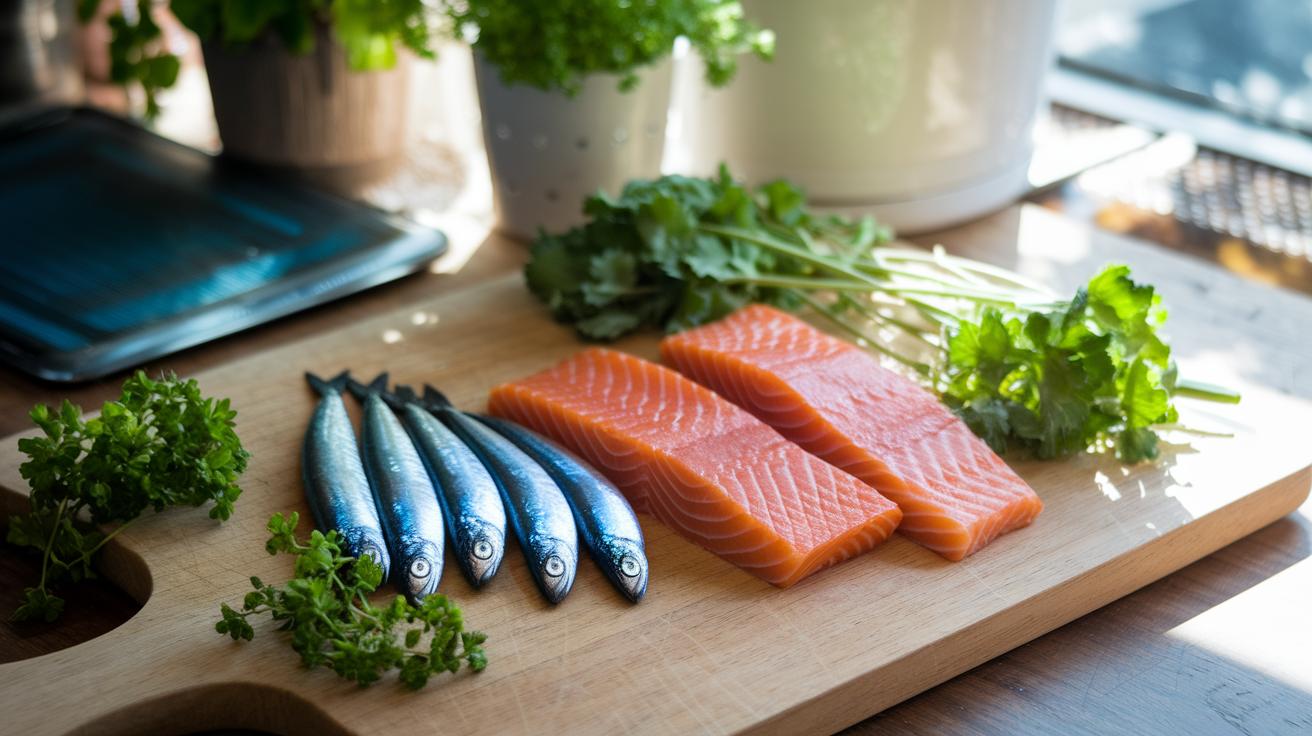
When it comes to fish, bigger ones often gather more mercury, so it’s smarter to pick smaller kinds like sardines, trout, or salmon. These fish give you a hearty dose of vitamin B12 along with omega-3 fats and protein, all without the extra worries about mercury. I’ve noticed that choosing fish caught in a responsible way is like letting the gentle ripple of the ocean soothe your day, it keeps our waters balanced while filling our plates with goodness.
Sometimes, life means you can’t eat fish because of allergies or other restrictions. In those cases, supplements can be a practical way to get your B12 fix. They help maintain your nutritional needs when fish isn’t an option, ensuring you stay on track with your health while still watching out for your well-being and our environment.
does fish have b12: A Rich Nutrient Source
Fish is a great source of vitamin B12 that your body can use almost immediately. It offers a form of B12 that is more easily absorbed than what you might find in other foods. This means your cells get what they need with less hassle.
Other foods do provide B12 too, but here’s a quick peek at how they compare:
- Clams: 84 µg per 3 oz
- Mussels: 20 µg per 3 oz
- Liver: about 70 µg per 3 oz
- Milk: roughly 1.2 µg per cup
- Eggs: around 0.6 µg per large egg
It’s interesting to see how different sources stack up, isn't it? Whether you’re mixing up a healthy meal or just curious about what helps your body thrive, knowing your B12 sources can make a real splash in your daily nutrition!
Final Words
In the action, we explored how fish powerfully offers vitamin B12 while boosting nerve health, red blood cells, and DNA care. We also looked at serving sizes, cooking tips that protect B12, and why both wild and farmed fish bring value to everyday diets.
Each section built on a simple idea, optimal care for aquatic pets through food choices that matter. Enjoy your next meal knowing that, yes, does fish have b12 can truly support a balanced and healthy lifestyle.
FAQ
Are fish rich in vitamin B12?
The question “Are fish rich in vitamin B12?” shows that fish are excellent providers of this nutrient. A single serving can exceed daily needs while also offering heart-healthy omega-3s, selenium, and iodine.
Does chicken have vitamin B12, or is fish a better option?
The question “Does chicken or fish have vitamin B12?” indicates that while both contain B12, fish often delivers higher levels along with beneficial omega-3 fats, making it a stronger choice overall.
What foods have the most vitamin B12?
The question “What foods have the most vitamin B12?” highlights that fish such as salmon and sardines are among the richest sources. Shellfish and certain organ meats also pack high amounts of vitamin B12.
What vitamin B12 options exist for vegetarians, including Indian foods?
The question “Vitamin B12 foods vegetarian” reveals that vegetarians often turn to fortified products, plant-based milks, cereals, or B12 tablets since fruits and vegetables naturally contain almost no vitamin B12.
How can I raise my vitamin B12 levels quickly?
The question “How can I raise my B12 levels fast?” suggests adding servings of fish, fortified foods, or taking B12 tablets to your diet. These methods can effectively boost your vitamin B12 levels in a timely manner.
What vitamin B12-related foods should be avoided when concerned about deficiency?
The question “B12 deficiency: foods to avoid” implies that rather than focusing on what to skip, it’s best to include vitamin B12–rich options. Prioritize nutrient-rich foods to help prevent low vitamin B12 levels.
Are vitamin B12 tablets a viable alternative to food sources?
The question “Vitamin B12 tablets” shows that supplements can be a practical alternative, especially for those with dietary restrictions or absorption issues, when getting enough vitamin B12 from food is challenging.