

Ever wonder if fish oil supplements might be your hidden trick for smoother movement? They pack lots of omega-3s, which help tame swelling and keep your joints nicely cushioned. Imagine it like a gentle polish smoothing out the rough edges of your day.
It may seem a bit surprising, but many folks feel more ready to tackle their routines when their joint discomfort eases up. In truth, fish oil naturally supports you to stay active and comfy, even on the busiest days.
Keep reading to discover how this natural boost can help your joints keep on moving with the ease of water flowing over smooth stones.
How Fish Oil Supplements Improve Joint Health
Fish oil is full of omega-3 fatty acids called EPA and DHA that help your joints move the way they should. These friendly fatty acids act like a little tune-up for your joints, reducing swelling and keeping them cushioned so you can stay active. It's a bit like giving your joints a smooth, gentle polish on a soft stone, ensuring everything flows along nicely.
When you think about getting fish oil from a supplement versus eating fish, the benefits are pretty clear. A supplement with about 1,000 mg of omega-3s is similar to eating a 3-ounce serving of fatty fish. This makes it a great choice on those days when cooking a healthy meal feels like a tall order. It provides your body with a steady flow of DHA, which helps keep your joints feeling agile and comfortable, even when fish isn’t on your plate. Imagine it as a reliable backup that lets you enjoy your day without the nagging worry of joint pain.
Mechanism of Omega-3 Fatty Acids for Joint Support

Omega-3 fatty acids from fish oil act like little helpers for your joints, easing discomfort and keeping your cartilage in tip-top shape. They work by cutting down on inflammation, which is like turning down the heat on swelling. EPA and DHA, two key parts of omega-3, team up to give your body the care it needs, EPA tackles the chemicals that cause inflammation, while DHA keeps your cells flexible and ready to repair.
EPA’s Role in Inflammation Control
EPA quietly lowers the amount of chemicals that spark swelling, almost like pressing a gentle pause button on your body’s overactive responses. Many people have found that a daily boost of EPA feels like a soft, cool breeze on a hot day, easing joint stiffness and making everyday movements more comfortable.
DHA’s Contribution to Cartilage Health
DHA lends a helping hand by supporting the cells that care for your cartilage. Think of it as a nurturing friend, keeping cell membranes flexible so that your cartilage stays cushioned and strong. It’s like tending to a little garden in your joints, where each cell gets enough water and care to thrive over time.
Clinical Evidence Supporting Fish Oil for Joint Pain Relief
Recent research shows that omega-3s from fish oil can really help people with rheumatoid arthritis. In a 2012 review, many patients noted that adding omega-3s to their diet eased joint inflammation and discomfort. It’s like giving your joints a gentle tune-up, calming the chemicals that cause pain and swelling.
Animal studies also back up these benefits. A 2015 review of research on animals found that omega-3s might slow down the wear on joint cartilage and help joints move more easily. While these early findings are exciting, more human studies are needed to find the best ways to use fish oil for osteoarthritis. In truth, more research will help us understand exactly how omega-3s can keep your joints feeling better day after day.
Recommended Dosage and Safety Considerations for Marine Oil Supplements
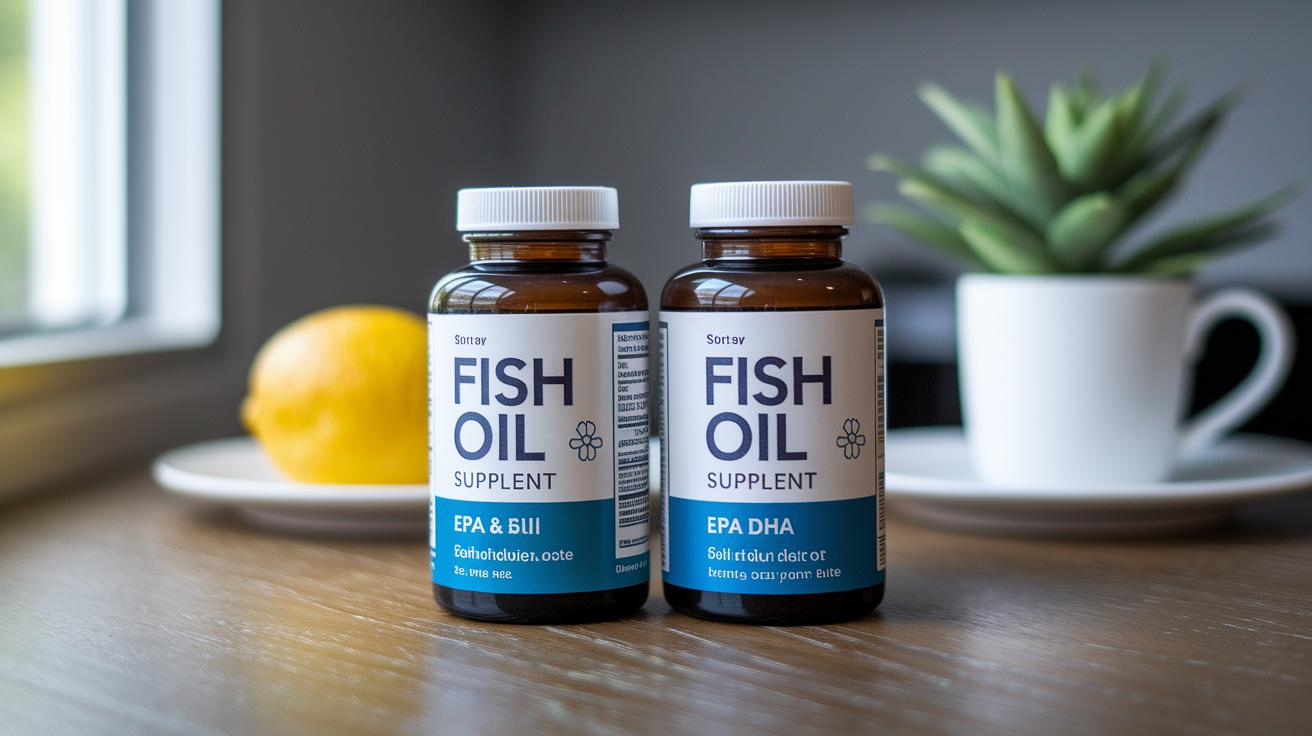
Fish oil supplements that provide between 1,000 and 3,000 mg of EPA and DHA each day can help keep your joints feeling smooth and steady. This amount gives you enough of these special omega oils to support movement and ease any unwanted swelling. It’s a smart idea to look for products that have passed third-party checks since fish oil isn’t regulated by the FDA for quality or purity.
Dosage Recommendations
Try to hit around 1,000 mg to 3,000 mg of EPA and DHA daily if you want to support joint health. For example, a supplement with 1,000 mg is like enjoying one serving of oily fish without having to cook up a seafood feast every day. Think of it as a simple way to get your daily dose of omega oils, keeping your joints happy and healthy.
Potential Side Effects and Precautions
Some folks might feel a little tummy upset or notice minor changes with how their blood clots after taking fish oil supplements. Taking too much can raise the chance of bleeding, so it’s best to stick to the recommended amounts. Always make sure your supplement has been checked for purity, because not all products are created equal.
Comparing Fish Oil to Other Omega Sources for Joint Care
Marine and plant oils both offer omega-3 fatty acids, but they don’t work exactly the same when it comes to joint care. Fish oil, which comes straight from the sea, is packed with EPA and DHA. These fatty acids help reduce swelling and support the repair of cartilage, much like a gentle wave smoothing out rough stones. On the other hand, plant oils like flaxseed deliver ALA. Your body has to change ALA into EPA and DHA first, and that process isn’t as quick or efficient.
Cod liver oil is a bit different, it brings extra vitamins A and D to the mix, but it doesn’t have as much EPA and DHA as a typical fish oil supplement. And while eating fatty fish naturally gives you these omega-3s, it’s harder to control the exact amount you consume every time.
Here are some key differences to think about:
- ALA from plants barely meets the body’s need for omega-3 fatty acids because the conversion isn’t very effective.
- Marine oils are like a direct stream of EPA and DHA, making them more useful for your joint health.
- Cod liver oil adds vitamins A and D, but its lower EPA/DHA might not be enough for the best joint support.
- Using fish oil supplements lets you measure your omega-3 intake precisely.
- When you consider cost, supplements can offer a more consistent and concentrated source than regularly buying fatty fish.
Mixing dietary sources with supplements can be a smart plan. Enjoy some fish when you can, but keep a fish oil supplement handy on those busy days when preparing a meal isn’t easy. This way, you’ll get steady joint care support while still keeping your meals fun and varied.
Selecting a High-Quality Fish Oil Supplement for Joint Health

When you start your search for a fish oil supplement, the first thing to do is check for seals of approval. Look for labels like IFOS or USP, which tell you the oil has been thoroughly tested and is free from harmful contaminants. It’s a bit like ensuring your favorite tank is properly filtered to keep the water clean.
Next, consider the supplement’s strength and the balance of EPA and DHA, those are the omega-3 fatty acids that help keep your joints moving smoothly. When the label clearly shows how much of these nutrients you get in each serving, it’s simpler to compare different products and pick the one that offers a solid boost for joint care.
Lastly, pay attention to how the oil is sourced. Quality fish oil often comes from small, oily fish caught in ways that protect the ocean. Choosing a supplement made with responsible methods means you’re not only taking care of your joints but also being kind to our marine friends.
Final Words
In the action, we explored how omega-3 fatty acids work to ease joint swelling and enhance mobility. The post walked through the science behind EPA and DHA, compared doses and safety, and even looked at different omega sources. We also shared tips on picking a quality product. Remember, taking fish oil supplements for joint health can really make a difference in maintaining comfort and movement. It's all about giving your joints the gentle care they deserve. Enjoy nurturing your underwater world with every step you take.
FAQ
Which fish oil supplement is best for joint pain and arthritis?
The best fish oil supplement for joint pain and arthritis contains high levels of EPA and DHA, which help reduce inflammation and improve joint lubrication, easing discomfort in conditions like rheumatoid arthritis and osteoarthritis.
What can be better than fish oil for inflammation?
While some natural alternatives, such as turmeric, exhibit anti-inflammatory properties, fish oil remains a trusted option because its omega-3 fatty acids are backed by research to reduce joint inflammation effectively.
How do collagen and fish oil compare for joint support?
Collagen helps with cartilage strength, while fish oil delivers omega-3s to soothe joint inflammation and enhance lubrication, making each beneficial based on your specific joint support needs.
What should be looked for in a high-quality fish oil supplement for joints?
A high-quality fish oil supplement should have verified purity standards and a strong EPA/DHA ratio, with third-party testing and sustainable sourcing ensuring optimal support for joint health.
What is the recommended omega-3 dosage for osteoarthritis and joint health?
The recommended dosage for joint health typically ranges from 1,000 to 3,000 mg of combined EPA and DHA daily, an amount shown to help lessen inflammation and joint discomfort effectively.
Does fish oil actually help your joints?
Fish oil helps your joints by supplying EPA and DHA that lower inflammatory molecules, which eases joint pain and supports smoother movement, supported by studies on both rheumatoid arthritis and osteoarthritis.
Which is better for joints, turmeric or fish oil?
Turmeric offers natural anti-inflammatory benefits, while fish oil provides lubrication support through omega-3 fatty acids. Each works differently, so your choice may depend on your specific joint health goals or a combined approach.