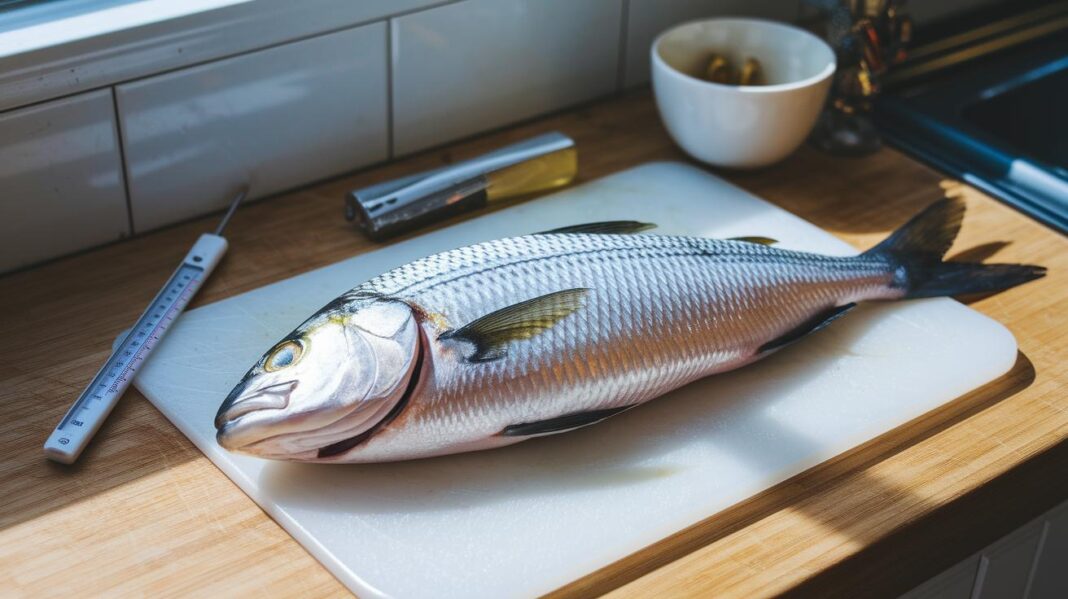

Ever wondered why fish end up carrying mercury? It’s not just a modern issue but something nature has been doing for ages. Natural events, like rocks slowly wearing down and even the occasional volcanic burst, release tiny bits of mercury into our waters. Once in the water, little aquatic microbes work their magic, turning the mercury into a form that fish can easily absorb.
And as fish swim, eat, and grow, this mercury quietly builds up over time. In truth, both nature’s gentle processes and our own actions work together, filling our waters with mercury.
Quick Overview: Mercury Bioaccumulation in Fish
Mercury has always been a quiet guest in our natural world, hanging out in rocks, soil, and water. Even before we built our modern industries, small traces of mercury were naturally present, thanks to the gentle wear of rocks and the occasional volcanic blast. Imagine it like a hidden story, with tiny hints of mercury softly woven into the fabric of our Earth.
Human activities, like burning coal or artisanal gold mining, have turned up the mercury volume significantly, about 450 percent more than the natural levels. Picture a peaceful pond suddenly receiving a gentle yet persistent sprinkle of mercury-laden rain; over time, these droplets shift its natural rhythm. In this way, industrial work has sent more mercury into our skies, which then finds its way into lakes, rivers, and oceans.
When mercury lands in water, friendly little microorganisms work their magic by converting it into methylmercury, a form that aquatic life finds easy to absorb. Tiny creatures like plankton soak it up, and as bigger fish munch on them, the mercury slowly builds up along the food chain. With each step, the concentration grows, leaving top predators with the highest levels in their bodies. This gradual buildup of mercury poses concerns for our natural waters and the folks who enjoy them.
2. why do fish have mercury: Fresh Insight
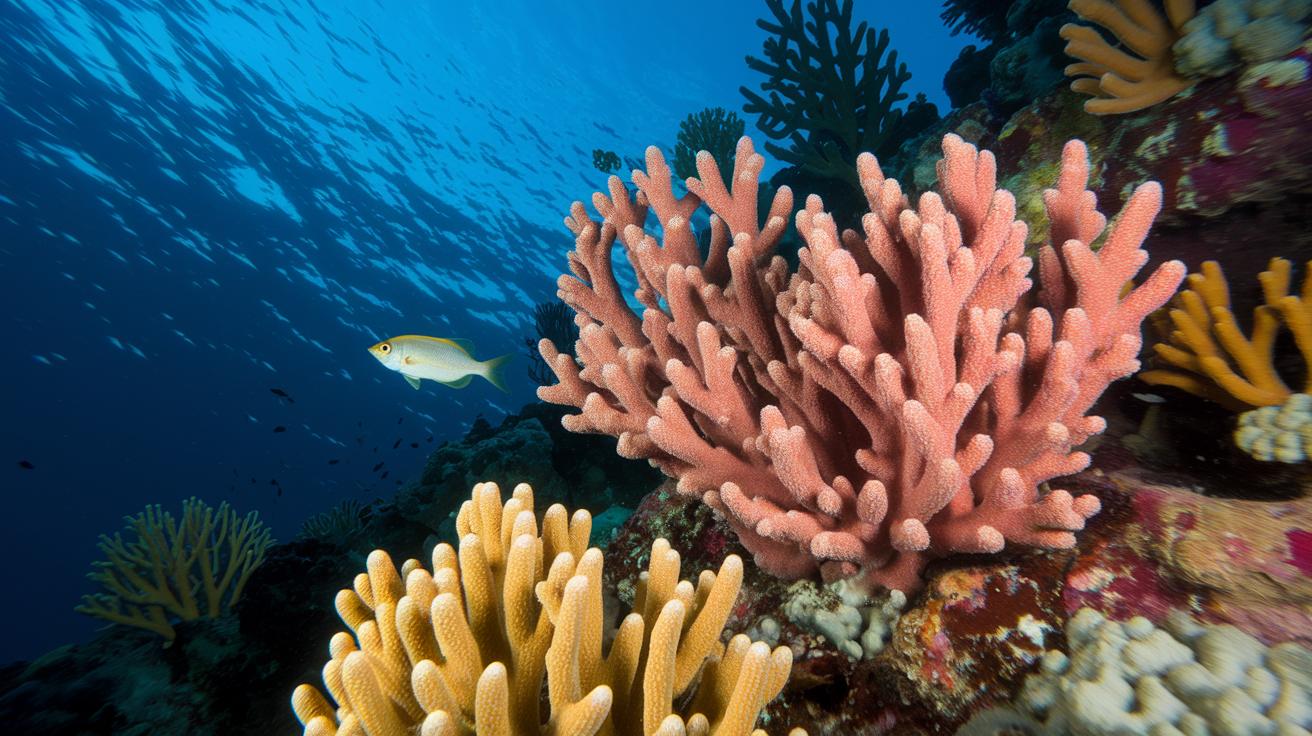
Nature adds a little mercury to our waters all on its own. Rocks slowly wear away and volcanoes sometimes burst, releasing tiny amounts of mercury. The wind and water then carry it gently across the land, settling into rivers, lakes, and coastal areas, much like raindrops catching little specks as they fall.
In our watery world, tiny microbes get to work on this mercury. They change it into a form that fish can absorb more easily. It’s a natural process, almost like a quiet transformation taking place just beneath the surface.
But human activities have a role too. Coal-fired power plants send mercury high into the sky, and it eventually lands in our water. Small-scale gold mining, waste from paper mills, chlor-alkali plants, and runoff from farms and cities also add their share. Once this extra mercury enters rivers and estuaries, microbes quickly convert it into methylmercury.
Small creatures in the water take up this methylmercury, and then larger fish eat them. With each step up the food chain, more mercury builds up. This accumulation can eventually reach levels that may affect both the fish and the people who enjoy them.
How Mercury Bioaccumulates in Fish and Marine Food Chains
Little bacteria work to change inorganic mercury into methylmercury, which tiny plankton quickly take up. Ever notice how a few small changes in the water can ripple out to affect the whole marine community? This conversion kicks off a process where mercury slowly builds up as it moves up the food chain.
Small fish nibble on the contaminated plankton, and each time they do, the methylmercury level jumps by about ten times. It’s a bit like adding a pinch of salt that grows stronger with every meal. Check out the table below for some real numbers showing how mercury levels compare among different sea creatures:
| Fish Species | Average Mercury Level (ppm) |
|---|---|
| Salmon | 0.022 |
| Tuna | 0.350 |
| Swordfish | 0.976 |
| Shark | 1.500 |
| Anchovy | 0.010 |
Big predators like sharks, swordfish, and king mackerel end up with the highest levels of methylmercury due to this build-up. Their case shows us exactly how chemicals can stack up in the food chain, turning small amounts into a major warning sign. It's a clear reminder of why understanding this process is key to keeping both our oceans and our plates safe.
Consumer Health Risks from Mercury in Fish

Even a tiny bit of methylmercury can have a lasting impact on our health. This small amount of toxin might disrupt how a baby’s or young child’s brain develops. Research shows that mercury exposure can lead to slower thinking, movement troubles, and even problems with senses like sight and balance. It’s really concerning when you think about how fragile growing brains can be. That’s why the EPA and FDA set safe limits to help protect moms-to-be and little ones. In truth, even minimal exposure can quietly affect our health, so keeping an eye on what we eat is super important.
Below are some key groups and symptoms that call for extra care:
- Fetuses: They might face challenges with brain development.
- Young children: They can experience delays in learning and thinking.
- Pregnant women: They’re at increased risk, as mercury can affect their unborn babies.
- Consumers of high-mercury species like shark and swordfish: They could build up higher toxin levels.
- Adults with existing nerve sensitivities: They might be more prone to movement issues.
- Individuals with sensory impairments: They could notice changes in vision or balance.
These points remind us to choose our fish carefully and monitor our consumption. Just like keeping an aquarium clean, even small traces of toxins can add up over time, making it essential to make informed dietary decisions.
Safe Fish Consumption Guidelines to Balance Nutrition and Mercury
If you're pregnant or feeding little ones, it's smart to stick to eight to twelve ounces of low-mercury fish each week. Good choices like salmon, sardines, anchovies, and trout pack plenty of omega-3, nature's way of keeping your heart happy, while keeping mercury levels low. Picture your plate as a simple seesaw: one side filled with nutritious omega-3, and the other with just a tiny caution for mercury. Keeping this balance is key.
For fish that carry a bit more mercury, such as shark, swordfish, and king mackerel, it's best to enjoy them only once in a while. This way, you still get a splash of omega-3 without stirring up too many health concerns. With a bit of meal planning and smart fish choices, you can savor the taste of the sea while taking care of your body. Ever notice how mindful eating feels like dipping your toes into cool, refreshing water? It's all about enjoying a balanced and healthy diet.
Monitoring Mercury Levels in Fish: Research and Future Directions

Government agencies work hard to keep our seafood safe by keeping a close eye on mercury levels. The EPA and FDA join forces to check fish from coast to coast and share easy-to-follow advisories for each state. Local health departments and community groups also chip in by putting together maps that help fishers and consumers pick the best, safest options. It's a bit like giving your aquarium a quick check-up to make sure the water stays clear and healthy. These steady efforts make sure we all have the latest info on pollution in our coastal waters and help us see long-term changes, empowering everyone with proactive knowledge.
New research is now diving deeper into ways to spot and manage even tiny bits of mercury in our waters. Scientists are testing advanced methods to measure minute amounts of mercury, while community projects add useful local insights. At the same time, new techniques in aquaculture aim to lower how much harmful methylmercury gets into farmed fish. These hopeful strategies may reduce overall mercury levels and support healthier oceans. Experts believe that by combining thorough research and innovative methods, we can build stronger, more resilient marine ecosystems while offering clear advice to those who rely on seafood as an important food source. This fresh wave of research truly inspires us toward safer seafood.
Final Words
In the action, the post explored how mercury moves from nature and industrial sources into our water and builds up in fish. We looked at how this process happens and the effects it may have on our health.
Thinking about why do fish have mercury, it’s clear that both natural occurrences and human activities play a part. Enjoy the journey of caring for your aquatic pets while keeping your tank healthy and beautiful.
FAQ
How does mercury in fish affect humans?
The mercury in fish affects humans by building up in the body over time, potentially harming the nervous system and leading to cognitive and motor delays, especially in pregnant women and young children.
Do fish naturally have mercury and why do they get it?
The mercury found in fish comes partly from natural sources in soil and water, while microorganisms convert inorganic mercury into a toxic form that builds up in fish as they eat and grow.
What fish are low in mercury or safe to eat?
Fish like salmon, sardines, anchovies, and trout generally have lower mercury levels, offering a safer choice for regular eating while still providing healthy omega-3 benefits.
What are the risks of consuming high-mercury fish during pregnancy?
High-mercury fish such as shark, swordfish, king mackerel, and tilefish can pose risks for pregnant women, potentially leading to developmental delays in fetal brain growth.
Is there a chart for mercury levels in fish?
Mercury levels in fish are often shown in charts that compare species like salmon, tuna, and swordfish, making it easier for consumers to understand and manage mercury intake.
Can mercury be removed or reduced in fish before consumption?
Mercury is integrated into fish tissue and cannot be removed through cooking or cleaning, so choosing low-mercury species is the best way to lower exposure.
How does mercury get into water and then into fish?
Mercury enters water from both natural processes and human activities such as burning coal; bacteria then turn it into a form that accumulates in fish as they move up the food chain.
What are some high-mercury fish species?
Species like king mackerel, swordfish, tilefish, crevalle jack, marlin, and certain types of tuna tend to accumulate higher mercury levels due to their diet and position in the food web.