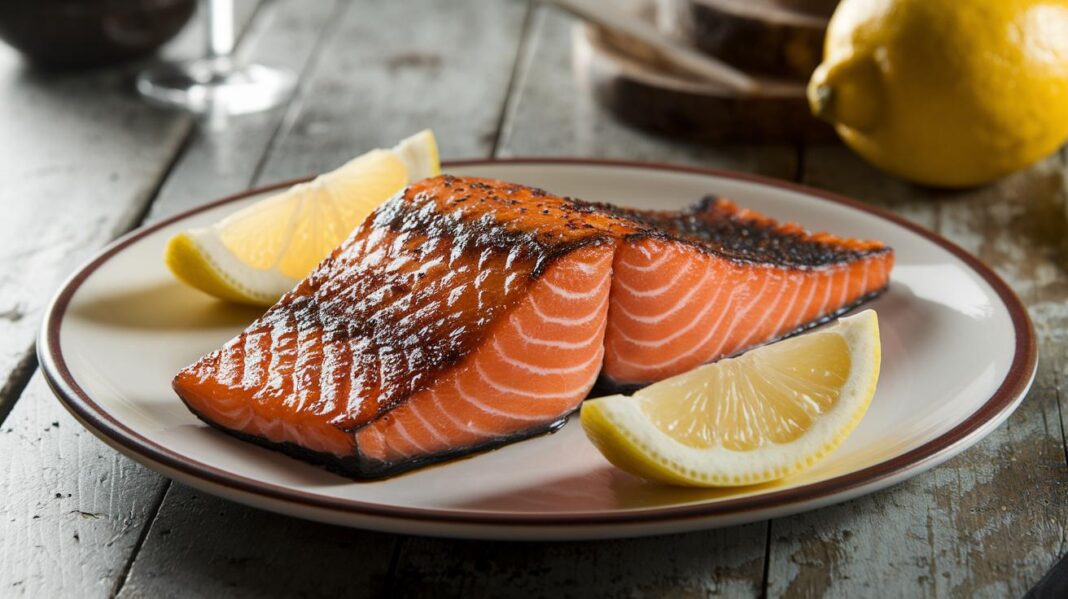

Ever think about whether that extra calorie from salmon skin is truly worth it? I remember the first time I grilled a fillet with the skin on, its crispy bite was like a playful splash of flavor, and it came with a healthy dose of omega-3s (those are good fats that help your heart, you know).
Sure, one more calorie might seem like a tiny trade-off, but it's like adding a little extra sparkle to your meal. In truth, those extra calories do more than just add fat, they give you a tasty, nutrient-rich boost that leaves your body feeling nourished and satisfied.
Calorie Count of Skin-on Salmon per Serving
Salmon with its skin on brings a burst of flavor along with a decent calorie punch. A typical 4 oz piece of salmon with skin clocks in around 200 calories, and a 100 g serving offers nearly the same energy hit. Farmed salmon often has a touch more fat and calories than wild-caught varieties because it naturally contains a richer mix of nutrients.
The skin is bursting with omega-3 fatty acids, which is great for your health, although it does add a few extra calories. When you cook it, like grilling or searing, the calorie count can climb a little due to minimal fat absorption, but the result is a more moisture-locked, tasty treat that keeps those healthy oils and vitamin D intact.
I remember grilling a skin-on salmon fillet once; it came out crispy and full of flavor, showcasing its nutritional bounty with just a slight calorie bump. It’s a small trade-off for a meal that’s both nutrient-packed and satisfying.
Nutritional Profile of Salmon with Skin: Fats, Protein, and Micronutrients
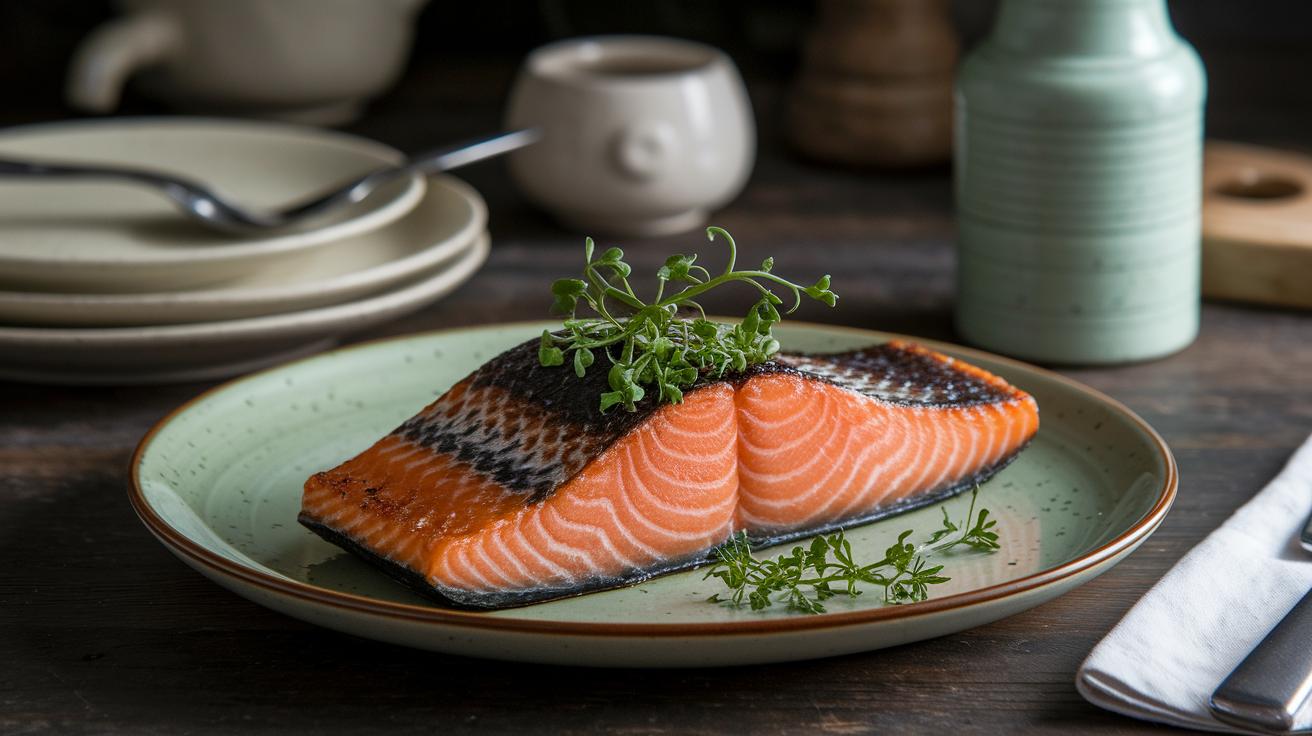
Salmon is a real gem when it comes to nutrition, and leaving the skin on makes it even more special. In a 100-gram piece, you're looking at about 20–25 grams of protein, which is perfect for helping your muscles grow and recover. That skin is packed with long-chain omega-3 fatty acids, like EPA and DHA, which work wonders for your heart and overall wellness. Imagine enjoying a meal that's both hearty and a mini health boost.
And the skin’s benefits don't stop at flavor. It’s loaded with antioxidants such as astaxanthin, plus loads of B vitamins, vitamin D, potassium, and selenium. Keeping the skin on when you cook means you get extra omega-3s and even more micronutrients, sort of like how having the peel on some fruits keeps all the natural goodness inside. It’s like your meal is giving you a bonus!
Crisping the salmon skin not only makes it taste even better but also seals in a bounty of nutritious benefits. Every bite of skin-on salmon is a simple, satisfying treat, for both your palate and your body.
Cooking Methods Impacting Calories in Skin-on Salmon
Grilling, searing, or frying salmon with the skin left on at high heat makes the skin deliciously crispy and locks in the lovely, juicy flavors. These methods might bump the calorie count just a bit because the skin soaks up a little extra fat from the cooking oil. I once seared my salmon until the skin crackled, and wow, the crunch reminded me of crispy potato chips, adding a fun texture that makes the extra calories totally worth it.
Boiling, smoking, or steaming salmon, on the other hand, keep things on the lighter side. These cooking styles use water vapor and gentle heat instead of extra fats, so the salmon stays moist without adding extra calories. Even with the skin on, it works to trap all the tasty juices, letting you enjoy the fish without a worry about too many extra calories.
For anyone watching their daily intake, here’s a quick guide in a table:
| Cooking Method | Impact on Calories |
|---|---|
| Grilling or Frying | Slightly higher due to oil absorption |
| Steaming or Smoking | Lower calories; keeps natural fats intact |
| Skin Intact | Helps protect the fish’s nutrients and adds a satisfying crunch |
Each method has its charm, whether you crave that extra crunch or prefer a leaner bite, the skin helps keep all the good nutrients safe inside your salmon. Enjoy your cooking adventure like you’re exploring a new, peaceful coral reef!
Skin-on vs Skin-off Salmon Calorie and Nutrient Comparison
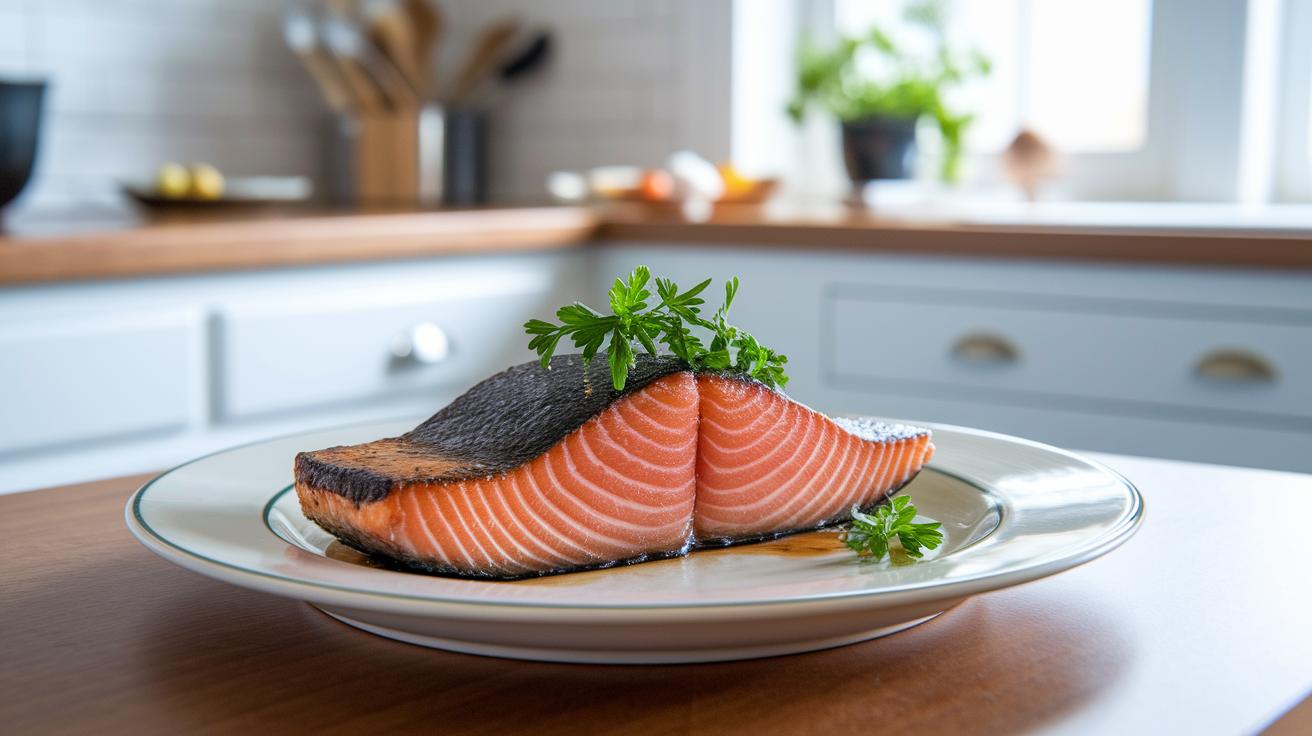
When you look at salmon, whether with its skin on or off, it's not just about a slightly different taste. Keeping the skin on means you get a little extra boost of healthy fats and omega-3 fatty acids, which are great for you. Plus, it holds in more of the key micronutrients that make the meal even more nourishing.
For example, if you enjoy a 100-gram serving of salmon with the skin, you'll get about 208 calories, roughly 13 grams of fat, and 22 grams of protein. If you prefer to remove the skin, that same serving drops to around 190 calories, with about 10 grams of fat, and bumps up slightly to 23 grams of protein.
Taking off the skin cuts calories by about 5-10%. While that might not seem like much, it also means missing out on some of the natural omega-3s and antioxidants that help keep your heart healthy. In truth, the skin acts like a natural bonus, adding extra flavor and nutritional benefits that many fish lovers really value.
| Serving Size | Calories | Fat (g) | Protein (g) |
|---|---|---|---|
| 100 g skin-on salmon | 208 kcal | 13 g | 22 g |
| 100 g skin-off salmon | 190 kcal | 10 g | 23 g |
Health Impact of Calories in Salmon Skin and Dietary Tips
Salmon skin isn’t just a tasty crunch; it’s a nutrient-packed treat that helps you feel your best. It’s loaded with omega-3 fatty acids, which are great for your heart, and antioxidants that help keep your blood sugar in check. Enjoying a piece of crispy salmon skin can be a neat way to manage your weight while treating your taste buds to that familiar umami kick. I once had a perfectly seared piece and felt it was like a little celebration for both flavor and health.
Wild-caught salmon is usually a safer bet because it comes from cleaner waters, which means there’s less chance for pollutants to build up on the skin. On the other hand, farmed salmon skin may have extra contaminants, which might not be the best choice if you’re keeping an eye on things like blood pressure. A friend of mine swears by wild-caught salmon, saying it helps keep a good balance in diet and hormones.
It’s also wise to watch your portion sizes. While the high omega-3 content is beneficial, if you’re on blood-thinning medications, these healthy fats can interact in unexpected ways. The key is keeping a balanced diet. Pairing your salmon skin with fresh greens and colorful veggies can create a meal that not only tastes great but also offers a diverse range of nutrients.
Final Words
In the action, we broke down the calorie count of skin-on salmon by serving size and detailed its nutrients like omega-3s and protein. We also discussed how different cooking methods can alter the calorie and fat content. A side-by-side comparison of skin-on versus skin-off salmon helped illustrate how keeping the skin intact retains more nutritional value. Ending on a positive note, this guidance is a great resource for anyone aiming to balance taste and health with calories in salmon with skin. Enjoy creating a vibrant underwater haven!