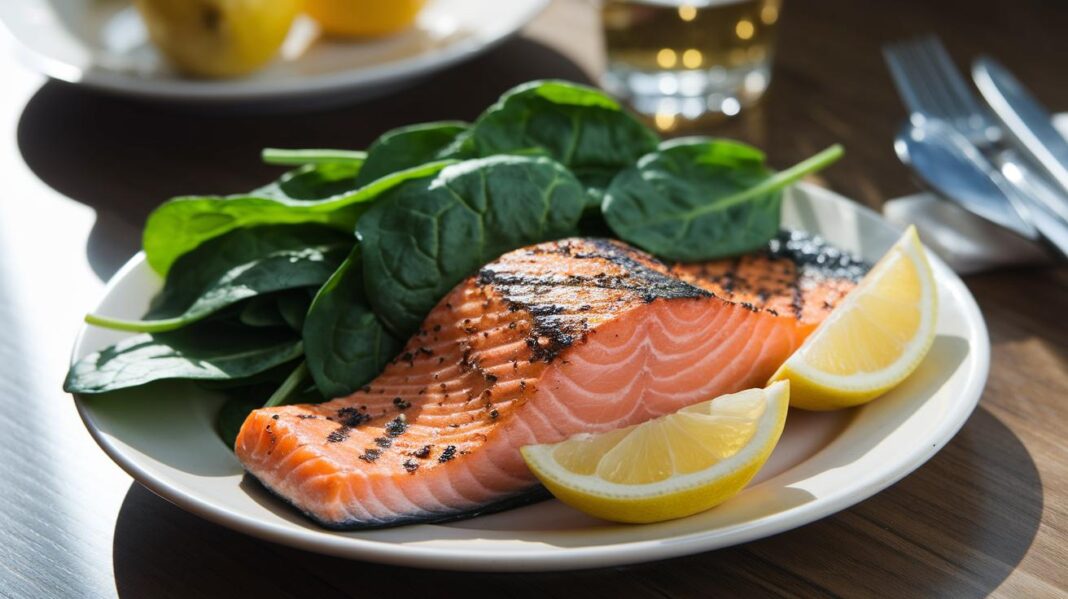

Have you ever thought that your next meal might hold the secret to a healthier heart and a stronger body? Fish is not only delicious, it also brings a treasure trove of benefits that work together like a school of fish happily swimming in rhythm.
Rich in omega-3 fats, those good fats that help ease your heart's job, fish supports muscle repair with its complete protein. And with vitamins and minerals protecting your cells, every bite feels like a refreshing dive into clear, cool water.
In short, enjoying fish is a simple, tasty way to boost your overall well-being and keep you feeling balanced, just like a calm pond on a sunny day.
essential nutrients in fish: Boost Your Health
Fish is like a treasure chest of good stuff that helps your body keep moving smoothly. Omega-3 fatty acids, like EPA and DHA, act like little helpers that lower bad fats, ease up heart worries, and keep your blood pressure steady. It’s amazing to think that a serving of salmon can calm the rough waves of high cholesterol and keep your heart happy.
High-quality protein comes next in line. This protein is complete, meaning it has all the amino acids you need to build and repair your muscles like a handy repair crew. It also supports those tiny enzymes that help your metabolism work just right.
Vitamins in fish also put on a great show. B vitamins bring you energy and support your brain, while vitamins A and E help keep your vision sharp and your cells safe from damage. And vitamin D works like a natural booster for your bones and sleep, helping to keep your body in a smooth, steady rhythm.
Minerals add even more benefits. Fish is packed with calcium, zinc, phosphorus, magnesium, iron, copper, potassium, and selenium. These minerals help build strong bones, move oxygen around your body, and keep your fluids balanced. Every bite turns into a little boost for your heart, brain, muscles, and overall well-being.
Eating simple, tasty meals with fish makes staying healthy feel as delightful as a gentle swim in calm water.
Omega-3 Fatty Acids in Fish: Benefits, Types, and Levels

Fish are famous not just for their delicious taste but also for packing a punch when it comes to omega-3 fatty acids, especially EPA and DHA. These special fats are like tiny guardians inside your body, working together to keep your heart happy by lowering blood pressure, trimming down triglycerides, and calming unwanted inflammation.
Just like a surprising fish story you might share with a friend, some benefits of omega-3s may catch you off guard. For example, they can help lift your mood, ease feelings of depression, and sharpen focus, a bit like how a little ripple in water can brighten your day.
These healthy fats even play a role in helping you sleep better by nudging your serotonin and melatonin levels into balance. And if you’re expecting or nursing, know that these nutrients are key for your little one’s brain, eyes, and nerve development. Simply put, adding fish rich in omega-3s to your meals is like giving your body a natural boost for a healthier heart, a brighter mood, and strong developmental support for babies.
Here’s a quick look at some of the benefits:
| Benefit | Effect |
|---|---|
| Heart Health | Keeps your heart strong and steady |
| Mood & Sleep | Helps ease depression and improves sleep |
| Fetal Development | Supports growth of brain, eyes, and nerves |
Every time you enjoy fish, you’re taking a small step toward a healthier, more balanced life. Isn’t it amazing how nature offers such a clear contribution to your overall well-being?
High-Quality Protein and Amino Acid Profiles in Fish
Fish is a fantastic source of complete proteins that give you all the essential amino acids your body needs. Every bite helps build and repair your muscles, much like putting the right pieces together in a careful underwater dance. These proteins support muscle growth and keep your body’s enzymes humming, just like a trusted toolkit that never lets you down.
But there’s more to fish than meets the eye. It also comes with natural bioactive peptides that work like tiny sea warriors. They have antioxidant benefits and help ease the pressure on your blood vessels in a way that's as refreshing as a sunny break on a calm day. Ever imagine a little burst of light through a clear water drop? That’s how these peptides help regulate your system.
Fish is also easier on your tummy compared to many proteins from land animals. Its high digestibility means your body can grab all those good nutrients fast, kind of like a sponge soaking up every drop of water in a tide pool. It’s like every part of your meal fits just right, making digestion smooth and satisfying.
Here's an easy look at the key benefits:
| Function | Benefit |
|---|---|
| Muscle Synthesis | Builds and repairs muscle tissue |
| Metabolic Support | Enhances enzymatic function |
Every serving of fish delivers the high-quality nutrition your body craves, helping you glide through your day as effortlessly as a fish swimming in clear water.
Vitamin Spectrum in Fish: Types, Functions, and Bioavailability

Fish is a natural treasure trove of vitamins that work together to keep you feeling healthy and vibrant. You know those B vitamins, like B6 and B12? They act as the engine for converting food into energy, helping your brain stay alert, just like a car that turns fuel into smooth motion.
Vitamins A and E add their charm too. Vitamin A is key for clear vision and a strong immune system, while vitamin E steps in like a trusty guardian, shielding your cells from damage with its antioxidant powers. It’s a bit like having both a clear window and sturdy glass to protect your home.
Then there’s vitamin D, which helps build strong bones and even plays a part in regulating your sleep. Imagine it as a natural builder, crafting solid support for your body, plus, your body absorbs vitamin D from fish quicker than many stand-alone supplements.
The vitamins found naturally in fish are super easy for your body to use. Every bite brings a balanced mix of nutrients that work together like a well-synced team, supporting energy, clear sight, cell protection, and a strong structure.
| Vitamin | Major Function |
|---|---|
| B6 & B12 | Energy and brain function |
| A | Vision and immune support |
| E | Cell protection |
| D | Bone strength and sleep regulation |
Mineral Content in Fish: Health Functions and Intake Recommendations
Fish brings a tasty mix of minerals that help your body in so many ways. Each serving gives you calcium and phosphorus, which are like the building blocks for strong bones and happy muscles. Iron and zinc are there to help carry oxygen and keep your body’s defenses strong, kind of like how a steady current supports a vibrant pond.
Selenium acts as a natural protector against damage and helps keep your thyroid in check, while iodine smooths out your metabolism like a gentle tide. Magnesium and copper play a big role in enzyme work, making everyday tasks seem easier. And then there’s potassium, which keeps the fluids in your cells balanced, much like maintaining the perfect water flow in an aquarium. It’s pretty amazing how these minerals work together, just like the many currents in a peaceful stream.
Adding fish to your meals a few times a week is a great way to fuel your body with these essential elements. It’s like giving your body a refreshing boost that it might otherwise miss. Here’s a simple look at the mineral benefits fish provides:
| Mineral | Function |
|---|---|
| Calcium & Phosphorus | Bone support and muscle function |
| Iron & Zinc | Oxygen transport and immune health |
| Selenium | Antioxidant help and thyroid support |
| Iodine | Metabolism regulation |
| Magnesium & Copper | Enzyme activity |
| Potassium | Fluid balance |
Nutrient Density of Fish Compared to Other Protein Sources

A modest 3.5 oz serving of oily fish like salmon, sardines, or trout gives you about 20 to 25 grams of protein, 200 to 300 calories, and 1 to 2 grams of heart-friendly omega-3 fats. These omega-3 fats help support a healthy heart and brain, and fish packs in plenty of essential amino acids, vitamins, and minerals, all in a small, energy-efficient bite.
When you compare fish with proteins from land, the benefits stand out clearly. Beef tends to bring extra calories and saturated fats, while many plant proteins often miss out on a full set of amino acids and don’t offer those beneficial omega-3s. Fish, on the other hand, not only repairs and builds muscle but also supplies key nutrients like vitamin D and selenium. These help keep your bones strong and can even help manage inflammation.
Every bite of fish is like a balanced boost of nutrients. It delivers high-quality protein plus heart-smart fats and vital micronutrients all in one go. It’s no wonder that for a well-rounded, healthy diet, fish is such a smart pick!
Considerations and Risks in Fish Nutrient Intake
Fish can be a wonderful part of a healthy diet, almost like a refreshing dip in cool water. Still, not all fish are made equal when it comes to handling unwanted toxins. Some species, like tuna and swordfish, can gather more mercury and other pollutants. It’s a bit like choosing ingredients for your favorite meal, you’d prefer to use fresh, low-risk items. Selecting fish like salmon or sardines is a safer choice, especially if you’re expecting or have little ones enjoying the meal.
Eating too much of fish that carry higher levels of mercury might upset the delicate balance of nutrients your body needs from the sea’s bounty. And while fish oil supplements are handy, they don’t bring the full mix of vitamins and minerals you get from whole fish. Supplements miss that natural combination, kind of like having only part of a recipe without the secret spices that make it truly special.
Be mindful of your fish choices and portions:
| Tip | Recommendation |
|---|---|
| Low-mercury fish | Salmon, Sardines |
| Whole nutrients over supplements | Enjoy fresh fish for the full benefit |
Taking care when you pick your fish helps your body enjoy all the natural, healthy goodness the water has to offer.
Practical Guidelines for Optimal Fish Nutrient Intake

Eating fish is a bit like watching a gentle current flow – refreshing and full of benefits. Aim for 2 to 3 servings a week, with each serving weighing around 3.5 oz. Oily fish such as salmon, sardines, or trout not only deliver great protein and omega-3 fatty acids (those helpful fats that keep your heart happy), but they also bring along vitamins and minerals that support your overall well-being.
Switching up your fish choices is a smart move too. By changing the types of fish you eat, you make sure you get a variety of nutrients while lowering the chance of picking up any unwanted substances from one single fish type. So whether you love salmon, mackerel, or trout, each bite offers a new twist.
How you cook your fish matters as well. Baking or grilling is like letting the tide gently shape the shore – it keeps the precious omega-3 fats intact. Try to avoid deep frying, as it can take away some of those natural benefits.
Introducing fish into a child’s diet from 6 to 9 months may help lower the risk of asthma later on. Following these tips can help you create an eating plan that blends delicious flavors with a boost of health benefits.
| Guideline | Recommendation |
|---|---|
| Portion Size | 3.5 oz per serving, 2-3 times weekly |
| Species Selection | Rotate between oily fish varieties |
| Cooking Methods | Bake or grill to keep omega-3s intact |
| Child Nutrition | Introduce fish at 6-9 months |
Final Words
In the action, you learned about omega-3 fatty acids, whole proteins, vitamins, and minerals, and how they support a balanced aquatic care routine. The post shared practical tips on cooking, serving sizes, and species choices to help keep your underwater scene thriving. Each point was designed to spotlight the benefits of whole-fish nutrition, making sure you get all the essential nutrients in fish. Enjoy putting these ideas into practice and celebrating a healthier, more vibrant aquatic life.
FAQ
What do fish vitamins and minerals do for your health?
The fish vitamins and minerals support heart, vision, and bone health by providing nutrients like vitamin D, B12, and selenium that are easily absorbed and beneficial for overall wellness.
What are the benefits of eating fish everyday?
Eating fish daily boosts heart and brain health, supports muscle repair, and offers balanced nutrition that benefits both men and women through high-quality protein and omega-3 fatty acids.
What is the nutritional value of fish per 100 grams?
A 100-gram serving of fish provides around 20–25 grams of protein, healthy fats including omega-3s, and key vitamins and minerals, all of which help support heart, brain, and overall metabolic health.
What are the advantages and disadvantages of eating fish?
The advantages include high nutrient density and heart health benefits, while the disadvantages may involve exposure to mercury in some species, making it wise to choose low-mercury options.
What are the essential nutrients in fish?
The essential nutrients in fish consist of omega-3 fatty acids, complete proteins, various B vitamins, vitamin D, and minerals like selenium and iodine—all contributing to improved heart, brain, and bone health.
What are the 10 essential amino acids provided by fish?
The fish’s protein offers all ten essential amino acids, which are the building blocks needed for muscle repair, enzyme production, and overall metabolic functions in the body.