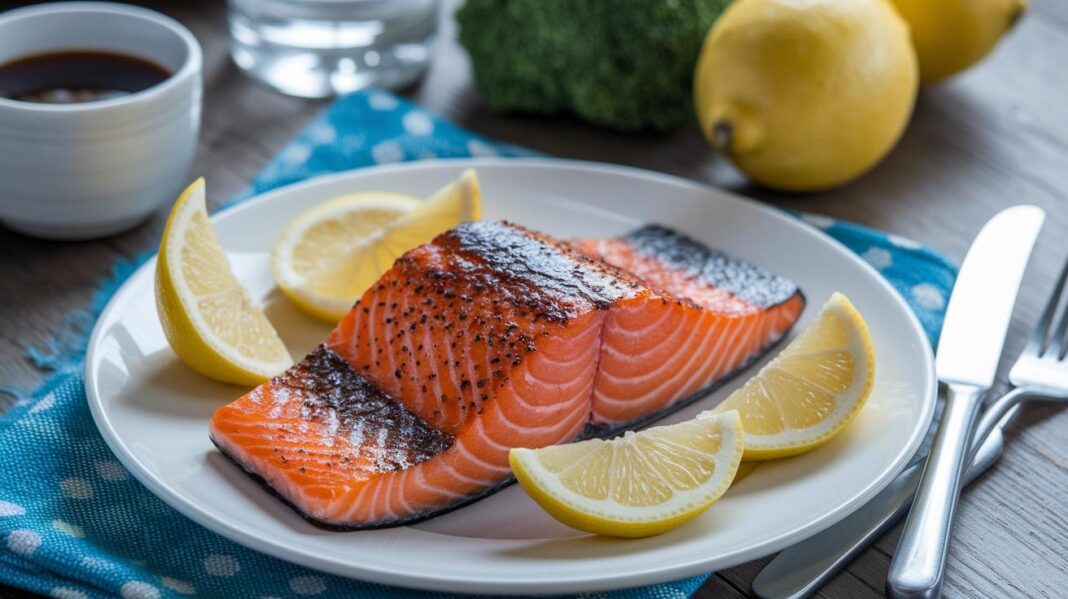

Ever wonder if a small change in your meals could help your heart feel calmer? Adding fish to your diet is sort of like letting a gentle current smooth things along inside you. When you have fish a couple of times a week, you get omega-3 fatty acids – little helpers that work quietly to keep your heart steady and strong. In this chat, we’ll dive into how these tasty treats can make your heart healthier, encouraging you to enjoy every bite on your journey toward a balanced life.
Heart Health Benefits of Regular Fish Consumption
Eating fish on a regular basis is like giving your heart a gentle, refreshing break. A report from May 17, 2018 by the American Heart Association tells us that enjoying fish twice each week can lower your risk of heart attacks and strokes. Think of adding fatty fish to your meals as creating a soft current that helps keep your blood flowing smoothly and your heart feeling calm.
The recommendation is to have two 3-ounce servings of fatty fish every week. This is just the right amount to boost your intake of essential omega-3 fatty acids, like EPA, DHA, and ALA. Your body can’t make these on its own, so getting them from your plate is like adding the perfect seasoning to your recipe for good health.
These tips fit nicely with other healthy habits like balanced eating and regular exercise. By planning your meals to include the right portions of fatty fish, you’re embracing a lifestyle that keeps your heart happy, much like the cool, soothing embrace of a gentle ocean tide.
Omega-3 Fatty Acids from Fish for Heart Protection
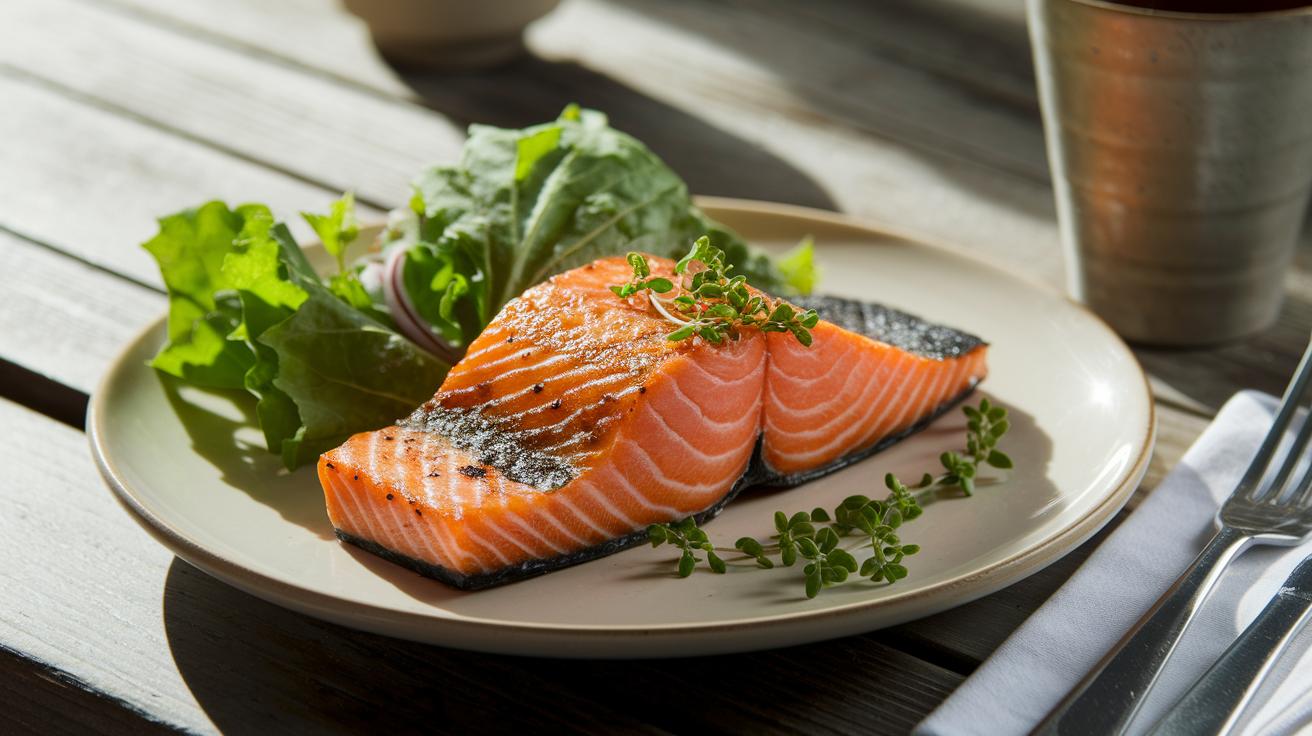
Fish gives us three important omega-3s: EPA, DHA, and ALA. Our bodies can’t make these on their own, so eating fish is like inviting some extra help to calm inflammation and keep blood flowing smoothly. It’s a bit like watching gentle ripples in a peaceful aquarium, soothing and natural.
Think of EPA as a friendly team member that boosts good cholesterol (HDL) and helps tidy up extra fats, similar to a neat cleanup in your favorite fish tank. DHA works like a fine-tuned water pump, keeping blood pressure in check while making sure everything flows just right. And ALA, coming from plants, sets the stage for a well-balanced heart, like planting a tiny seed that later blooms into something strong.
Together, these fatty acids build a natural support system for your heart. Adding fish to your meals makes every bite a step toward a healthier, happier heart.
Recommended Fish Intake for Optimal Heart Health
The American Heart Association recommends enjoying two servings of fatty fish each week, with each serving being about 3 ounces. These servings give you the omega-3 fats your body loves, which help keep your blood flowing smoothly and your cholesterol levels balanced. Think of it like adding just the right amount of fuel for your heart to keep on swimming strong.
Research tells us that eating more than these two servings doesn't really offer extra benefits for your heart. It's a bit like overfilling your tank when your car is already running just fine. So, sticking with what's suggested is the best way to keep your heart happy and healthy.
Both farmed and wild-caught fish come with a low chance of mercury issues. The decision really comes down to your taste and your wallet. Personally, I like to mix it up a bit, trying both types makes my meals exciting while still being a little boost for my heart.
Mechanisms Behind Fish’s Cardiovascular Benefits

Eating fish is like inviting a soothing current into your life. The nutrients in fish help protect your heart and keep everything running smoothly, much like a gentle ripple that steadies your pace each day.
Anti-Inflammatory Mechanisms
Omega-3 fatty acids in fish work to lower inflammation in your blood vessels. They help ease the buildup of plaque by calming the vessel walls, which is a bit like smoothing out choppy water to restore a peaceful flow.
Cholesterol Management
Fish-derived omega-3s also aid in balancing cholesterol. They lower triglycerides and lift up HDL, the "good" cholesterol that helps clear excess fat from your blood. It’s similar to giving your aquarium a good clean-up, keeping the water fresh and your heart happy.
Endothelial Function Support
The healthy fats from fish benefit the endothelium, or the lining of your blood vessels. These fats help the vessels relax and widen, which can keep blood pressure in check and improve circulation. Imagine a soft stream gliding over stones, guiding water smoothly through every turn.
Together, these benefits work like a quiet ally for your heart. Including fish in your diet is a simple, caring way to support your cardiovascular health.
Practical Seafood Strategies for Cardiac Wellness
Consider adding fish to your meals in easy, heart-friendly ways. Try to mix these simple ideas into your eating routine and see each dish as a small step to keep your heart strong.
- Pick fish rich in healthy fats like salmon or mackerel
- Opt for grilling, baking, or poaching instead of deep frying
- Swap between wild-caught and farm-raised fish for variety
- Use canned tuna in water for a quick meal boost
- Mix fish into salads, soups, or bowls for extra flavor
- Stay away from fish known for high mercury like shark or swordfish
- Aim for two servings of about 3 ounces each week
These little changes can gradually become a happy habit. By choosing fish that are both affordable and low in mercury, you create a menu that feels fun and simple. And when you try different ways to prepare your meals, you'll enjoy a burst of new flavors while knowing you're caring for your heart in a gentle, steady way.
Final Words
In the action, this post explored how eating fish regularly cuts down heart risks by highlighting key evidence and recommendations. We touched on how omega-3s from fish, like EPA, DHA, and ALA, keep your heart in its best shape. The tips shared help you build an appealing, balanced home for your aquatic pets. Remember, even small shifts in your routine can enhance the benefits of fish consumption on heart health. Enjoy making these changes and feel great about your living space and your heart.
FAQ
Is fish good for heart attack patients?
Eating fish is widely seen as beneficial for heart attack patients as its omega-3 fats help reduce inflammation and support stable heart rhythms, contributing to improved heart function.
Which fish is good for heart patients?
Fatty fish such as salmon, mackerel, and sardines are good for heart patients because they pack essential omega-3 fatty acids, helping to lower triglycerides and raise HDL cholesterol.
What is the best omega-3 for heart health?
Omega-3s found in fish like salmon deliver EPA, DHA, and even ALA when paired with plant sources, all of which reduce inflammation and promote a steady, strong heart rhythm.
What are the benefits of eating fish every day?
Regular fish consumption supports heart health by offering healthy fats that help reduce inflammation and improve cholesterol levels, though moderation is key since experts recommend two servings per week.
What fish is bad for your heart?
Fish that are heavily processed or high in unhealthy fats may be less heart-friendly. It’s better to choose fresh, naturally fatty fish to get the heart-supporting omega-3 benefits.
How should fish be cooked for heart patients?
For heart patients, cooking methods like baking, grilling, or poaching are ideal because they preserve healthy oils without adding extra fats, keeping the dish both nutritious and light.
What are the benefits of fish omega-3?
The omega-3 fats in fish help reduce inflammation, lower triglyceride levels, and support overall vessel function, which are key factors that contribute to maintaining a healthy heart.
What is the healthiest fatty fish?
Salmon is often considered one of the healthiest fatty fish due to its high omega-3 content, low mercury levels, and ability to support heart health through improved cholesterol and blood pressure regulation.
Does eating fish improve heart health?
Regular fish consumption improves heart health by lowering risk factors such as high triglycerides and by supporting optimal blood vessel function through its rich omega-3 profile.
Does fish clear arteries?
While fish does not clear arteries directly, the omega-3 fats it provides can help reduce plaque build-up and inflammation in blood vessels, supporting smoother blood flow and overall heart function.
How often should you eat fish for heart health?
Experts recommend eating fish twice a week—around two 3-ounce servings—to gain heart-protective benefits without risking excess exposure to contaminants.
Which is better for your heart, chicken or fish?
Fish is typically better for heart health thanks to its omega-3 fats that improve cholesterol levels, whereas chicken offers less of these heart-supporting nutrients.