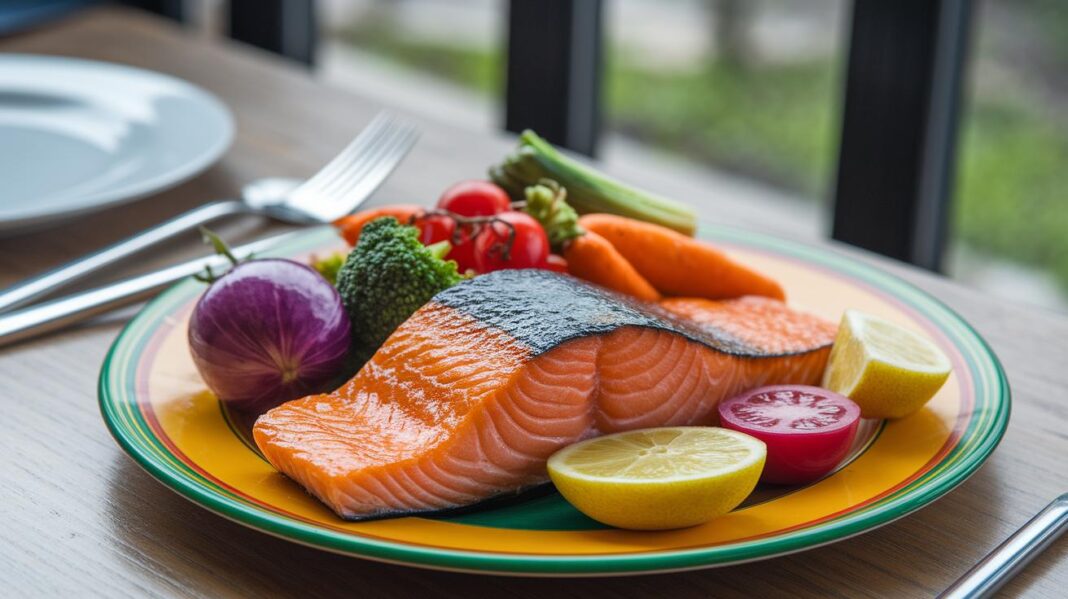

Ever wonder if you can enjoy fish without fretting over toxins? Many of us worry about mercury, but low mercury fish can still be a healthy treat.
Think of it like this: some fish, like anchovies at 0.09 ppm and salmon below 0.06 ppm, offer a safe dive into delicious flavors without raising any red flags. It’s a bit like spotting glittering fish darting through a clear, calm stream.
So, if you’re looking to boost your diet with mindful, tasty options, these fish are a great catch. Ever notice how choosing the right fish feels like finding a quiet cove in a busy ocean? Dive in and enjoy!
Essential Low Mercury Fish Varieties for a Healthy Diet
Anchovies are a real treat for anyone who loves a splash of flavor without worrying about toxins. With just 0.09 ppm of mercury, their short lives mean they don’t have enough time to build up harmful chemicals. Sardines, which nibble on tiny plankton, also keep mercury levels low at under 0.10 ppm. These little fish can swim onto your plate up to twice a week and add a nutrient boost to your meals.
Salmon is another favorite, floating around with mercury levels ranging from 0.022 to 0.058 ppm. Thanks to its diet of plankton and long journeys through the sea, salmon avoids heavy metal buildup. This makes it a smart choice if you’re looking for a fish rich in healthy fats and protein. Trout, a freshwater delight that snacks on insects and small fish, usually carries less than 0.10 ppm of mercury, keeping your diet balanced and safe.
Herring, caught from the Atlantic, North Pacific, or Baltic seas, not only brings low mercury levels but also a treasure trove of omega-3 fatty acids, vitamin D, calcium, zinc, and iron. Cod, living in deep, chilly waters, usually measures around 0.10 to 0.20 ppm and pairs nicely with your lean protein needs. Flounder and tilapia, which call shallow, sunlit waters home, also show low mercury levels. And let’s not forget pollock, coming in between 0.04 and 0.15 ppm, making it another great, clean option for your diet.
According to the Minnesota Department of Health, these low mercury fish can safely be enjoyed up to twice weekly, making them smart picks if you want to keep your meals healthy and your water as clear as a mountain stream.
Comparing Mercury Levels Across Low Mercury Fish and High-Risk Species
When you’re picking fish for both safety and taste, it helps to know about their mercury levels. Following guidelines inspired by Great Lakes research, fish are sorted into four friendly categories based on trace element levels. Fish like anchovies and sardines, with mercury levels below 0.10 ppm, let you enjoy a meal twice a week with peace of mind.
Next, fish such as salmon and trout fall into a low mercury group, with levels between 0.10 and 0.30 ppm. It’s best to savor these favorites once a week. Then, some types of tuna have moderate mercury levels of 0.30 to 0.50 ppm and are best enjoyed on a monthly basis. Finally, high-risk species, including king mackerel, tilefish, sharks, bigeye tuna, and marlin, exceed 0.50 ppm. These are not recommended for people who are more sensitive to mercury.
Below is a simple chart to help you quickly check mercury guidelines, trace element levels, and how often you should eat each type. It’s like having a guide to balancing a tasty meal and steering clear of too many heavy metals.
| Fish Species | Mercury Level (ppm) | Risk Category | Frequency Recommendation |
|---|---|---|---|
| Anchovies | <0.10 | Very Low | Twice Weekly |
| Sardines | <0.10 | Very Low | Twice Weekly |
| Salmon | 0.10–0.30 | Low | Once Weekly |
| Trout | 0.10–0.30 | Low | Once Weekly |
| Certain Tuna | 0.30–0.50 | Medium | Once Monthly |
| King Mackerel | 0.73 | High | Avoid for Vulnerable Groups |
| Tilefish | ~1.0 | High | Avoid for Vulnerable Groups |
| Sharks / Bigeye Tuna / Marlin | >0.50 | High | Avoid for Vulnerable Groups |
Let this chart guide you like a smooth current, helping you enjoy the best of our nutrient-rich waters while staying safe from extra mercury.
Nutritional Profile and Health Benefits of Low Mercury Fish
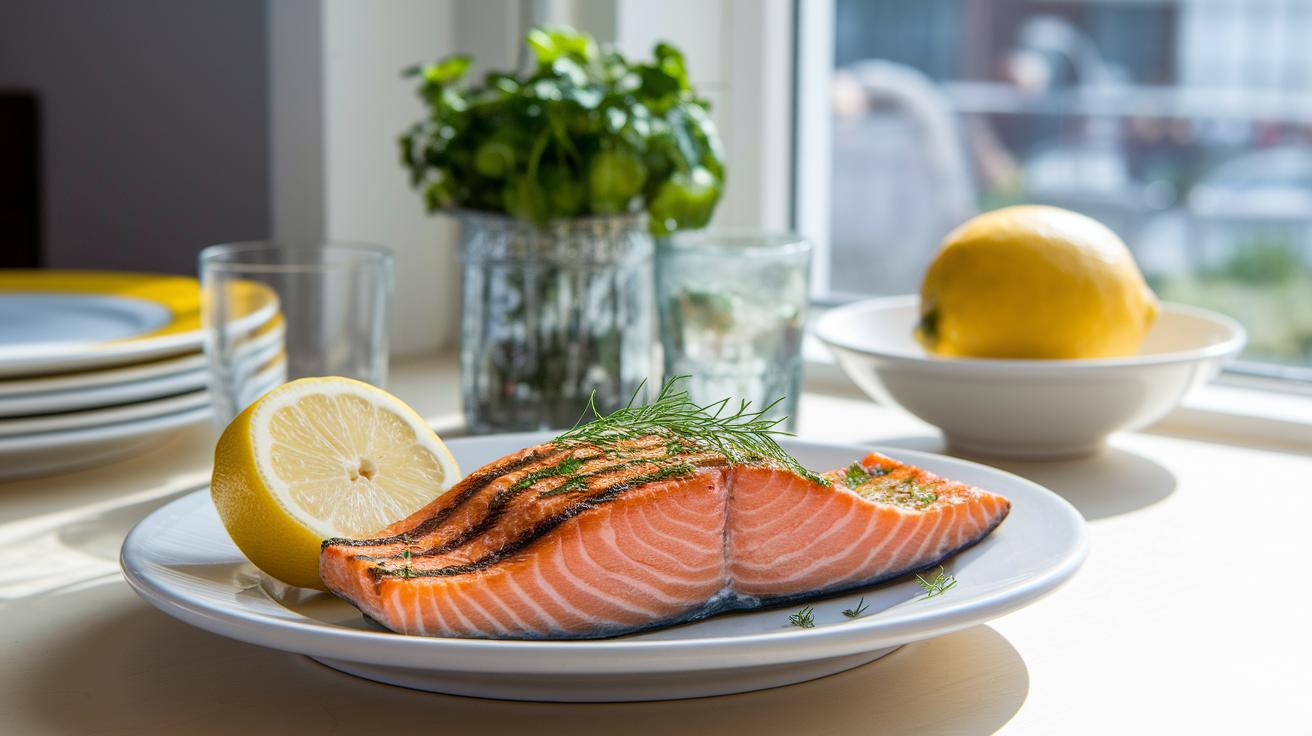
Low mercury fish like salmon, sardines, herring, pollock, and cod are a tasty way to get top-notch protein and healthy fats. For instance, a 3.5-ounce serving of salmon or sardines offers about 1.5 to 2 grams of heart-loving omega-3 fatty acids. These fats work to keep a smooth balance with omega-6 fats, which helps your heart stay strong and your thoughts clear. Ever try a simple plate of grilled salmon with a squeeze of lemon? It lets the fish’s natural goodness shine without any extra fuss.
Herring is another real treat. A serving of herring brings a gentle boost with vitamin D, calcium, zinc, and iron, each playing its part to keep your bones, muscles, and immune system in good shape. Meanwhile, pollock and cod gift you 15 to 20 grams of lean protein per serving, ideal for recharging your body after a busy day.
Because these fishes have low mercury, you get a dose of heart-healthy fats without worrying about unwanted toxins. Eating them regularly might even help reduce inflammation, supporting overall wellness and sharper thinking.
All in all, the well-rounded nutrients in these fish make them a fantastic pick for those essential omega fats and polyunsaturated acids your body craves. Adding these low mercury options to your meals is a smart and tasty way to boost your immunity and enjoy a nutrient-packed aquatic feast.
Safe Consumption Guidelines for Low Mercury Fish
When planning your weekly meals, think of your fish portions like catching the perfect wave. For fish low in mercury, the Minnesota Department of Health suggests about 8 ounces of raw fish twice a week for someone weighing 150 pounds. You can adjust the serving by using a simple rule, roughly 0.05 ounces per pound. So, if you weigh 150 pounds, an 8-ounce serving fits just right.
For cooked fish, the EPA and FDA advise a 4-ounce serving per meal for a 165-pound person. This approach helps you enjoy quality protein and the omega fats your body loves, without taking in too much mercury. Low mercury options like salmon or trout work well when enjoyed once a week, striking a good balance. If you opt for fish with medium mercury levels, it’s best to limit it to one serving a month.
Extra care is needed for pregnant individuals, nursing mothers, and children under 12 since even small amounts of mercury can be a risk. Always measure your portions carefully and follow these trusted guidelines to savor your meals while keeping mercury levels safe.
low mercury fish for a healthy diet: Top Pick
Steaming Techniques
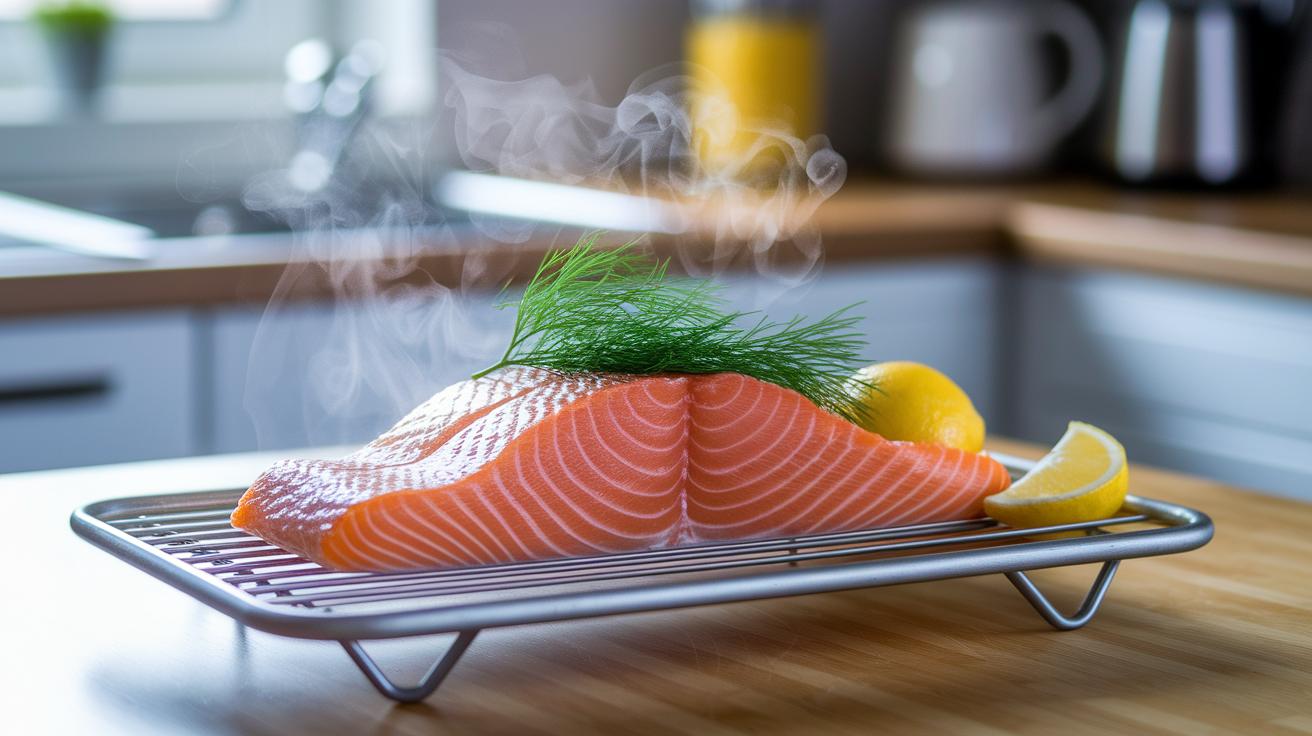
When steaming salmon, start by placing your fillet on a rack above water that's just simmering with a few sprigs of dill and a slice of lemon. Let the fish bathe in the gentle heat for 10-12 minutes so it stays juicy and all those precious omega-3 fats are kept intact. Think of it like a soft morning mist, giving your salmon a delicate, refreshing wake-up call.
Grilling and Searing
For grilling cod, preheat your grill to 400°F and cook each side for 6-8 minutes until the fish is tender but still moist. It’s a bit like letting your cod enjoy the warmth of a summer day without overdoing it. If you prefer a quick sizzle, try pan-searing a pollock fillet with just a hint of oil for about 3 minutes each side, making sure it reaches 145°F inside. And if you’re ever in doubt about whether your halibut is ready, a quick fork test will show you it’s opaque and flakes easily, much like a gentle ripple in calm water.
Baking Variations
For a comforting meal, bake your flounder at 375°F for about 15-18 minutes. A light drizzle of olive oil and a sprinkle of fresh herbs add a joyful brightness to the dish, almost like the sparkle of sunlight on water. Every cooking method here is designed to preserve the natural taste and good nutrients of your fish, helping you enjoy a delicious, healthy catch day after day.
Sustainable Sourcing of Low Mercury Fish and Environmental Considerations
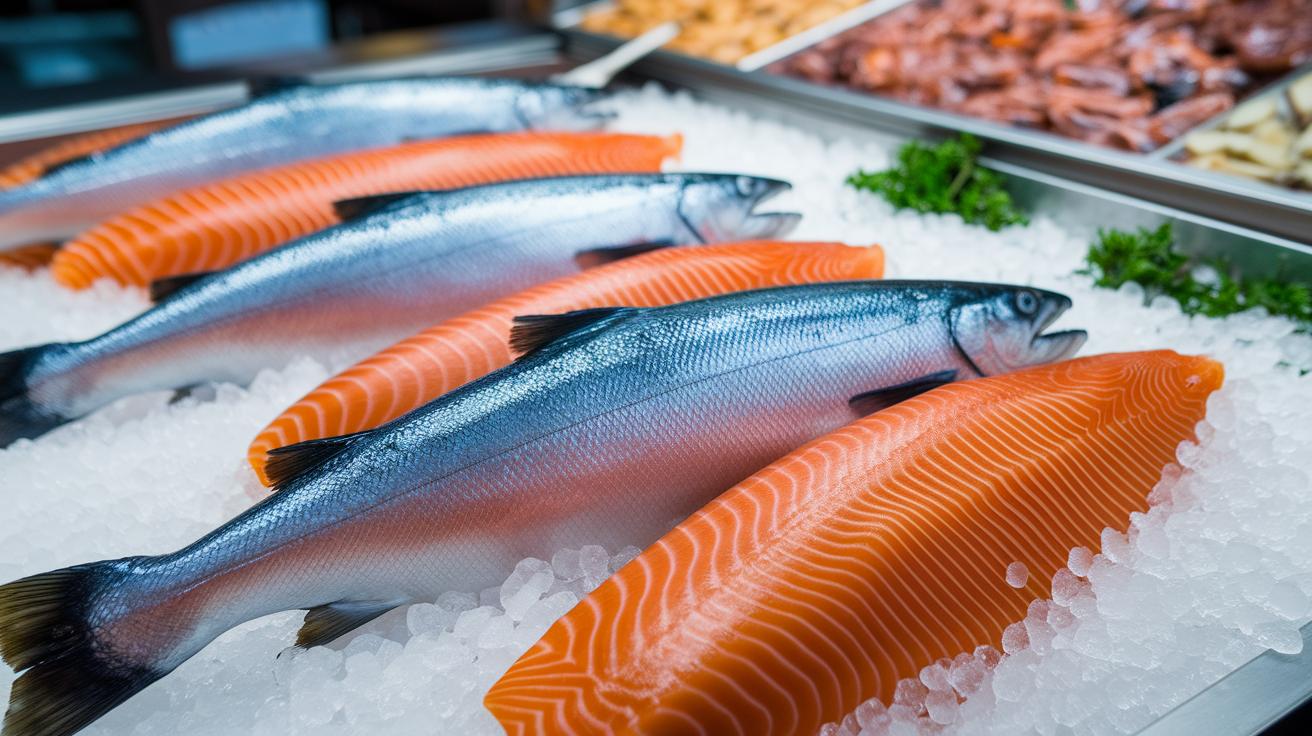
When you pick fish from sustainable sources, you’re not only looking after your health but also helping keep our oceans clean and lively. Wild-caught salmon, for example, is often a smarter choice than farmed salmon. Wild salmon usually has less heavy metals and lower omega-6 levels compared to some farmed versions that might be treated with chemicals to boost color and growth.
Next time you’re at the store, try to find MSC-certified cod or pollock. These labels mean the fish were caught with care for the local marine life and that you can trust where it came from. Choosing fish from local fisheries that are open about their practices not only protects our water but also supports nearby communities.
When you choose fish backed by responsible practices, you’re steering towards a greener way of enjoying your meals. This simple guide acts like a map, leading you to tasty dishes while keeping our coastal homes healthy and vibrant.
Final Words
In the action, the post walked us through in-depth low mercury fish options like salmon, trout, and sardines, sharing precise mercury levels, health benefits, and safe serving tips. It painted a clear picture of each cooking method, from steaming to grilling, to help maintain fish flavor and nutrients. Each section underscored the value of sustainable sourcing while boosting aquatic pet care insights. Embracing these guidelines helps you enjoy low mercury fish for a healthy diet and supports a balanced, rewarding aquatic lifestyle.
FAQ
What low mercury fish should be chosen during pregnancy and why avoid high mercury fish?
Low mercury options like salmon, trout, sardines, and anchovies offer vital nutrients while keeping toxin exposure low. High mercury species, such as king mackerel or tilefish, pose higher risks during pregnancy.
What does a mercury levels in fish chart (or PDF) show?
A mercury levels chart displays toxin amounts in parts per million for various fish, helping you compare low mercury species like anchovies versus high mercury options like shark.
What is the healthiest low mercury fish and the best fish without heavy metals?
The healthiest choices often include salmon, sardines, and trout. These fish provide lean protein, omega-3 fats, and minimal heavy metals for a balanced, nutritious diet.
What are the top five healthiest fish to eat?
Salmon, trout, sardines, anchovies, and cod rank highly due to their low mercury content, high omega-3 levels, and lean protein, making them nutritious and safe options.
What cooked fish options are low in mercury?
Cooked options like baked flounder, grilled cod, and steamed salmon maintain low mercury levels while keeping their beneficial nutrients intact.
What are high mercury fish and why should they be limited?
High mercury fish, including king mackerel, tilefish, shark, and bigeye tuna, contain elevated toxin levels. Reducing or avoiding them is wise, particularly for sensitive groups.
What side effects can mercury in fish cause?
Mercury exposure can affect the nervous system and development. Choosing low mercury fish helps minimize these side effects, promoting safer, nutrient-rich meals.