

Ever wonder about a little fish that made a splash in space? Meet the medaka rice fish. These small swimmers have smooth, torpedo-shaped bodies and bright, cheerful colors that catch your eye like sunlight on the water.
They live in the rice fields and slow-moving streams of East Asia, a cozy home where nature and science meet. Scientists love them because you can easily study how living things work using medaka, whether they’re in plain freshwater or a bit salty water.
In this piece, we dive into the world of medaka biology and fish farming, sharing why these tiny swimmers win hearts and spark scientific curiosity.
Overview of Medaka Rice Fish Biology, Habitat, and Research Use
Medaka rice fish, known as Oryzias latipes, are tiny fish with a sleek, torpedo-shaped body that grows up to about 1.5 inches. They call East Asia’s rice paddies, marshes, and gentle streams home, thriving in water temperatures between 60 and 75 °F with a pH range of 6.5 to 8.5. Think of them as little aquatic explorers who easily adapt to both freshwater and slightly salty water, just like a fish finding its way through a playful underwater current.
For centuries in Japan, these charming medaka have captured hearts and become a beloved part of local culture. Their dazzling shades, ranging from gold to pearl galaxy and Yokihi orange, add a splash of color to any aquatic setup. And here’s an interesting tidbit: in 1994, they made history by becoming the first vertebrate species to mate and hatch in space. It’s a cool reminder of how nature can surprise us with its wonders.
Scientists also appreciate medaka rice fish for their role in research. Their clear embryos and steady reproduction provide a simple way to study genetics, development, and even the impacts of environmental changes. It’s like having a tiny, living lab right in the water! This blend of cultural significance and scientific value really shows how special these little fish are.
medaka rice fish: Captivating Science and Aquaculture
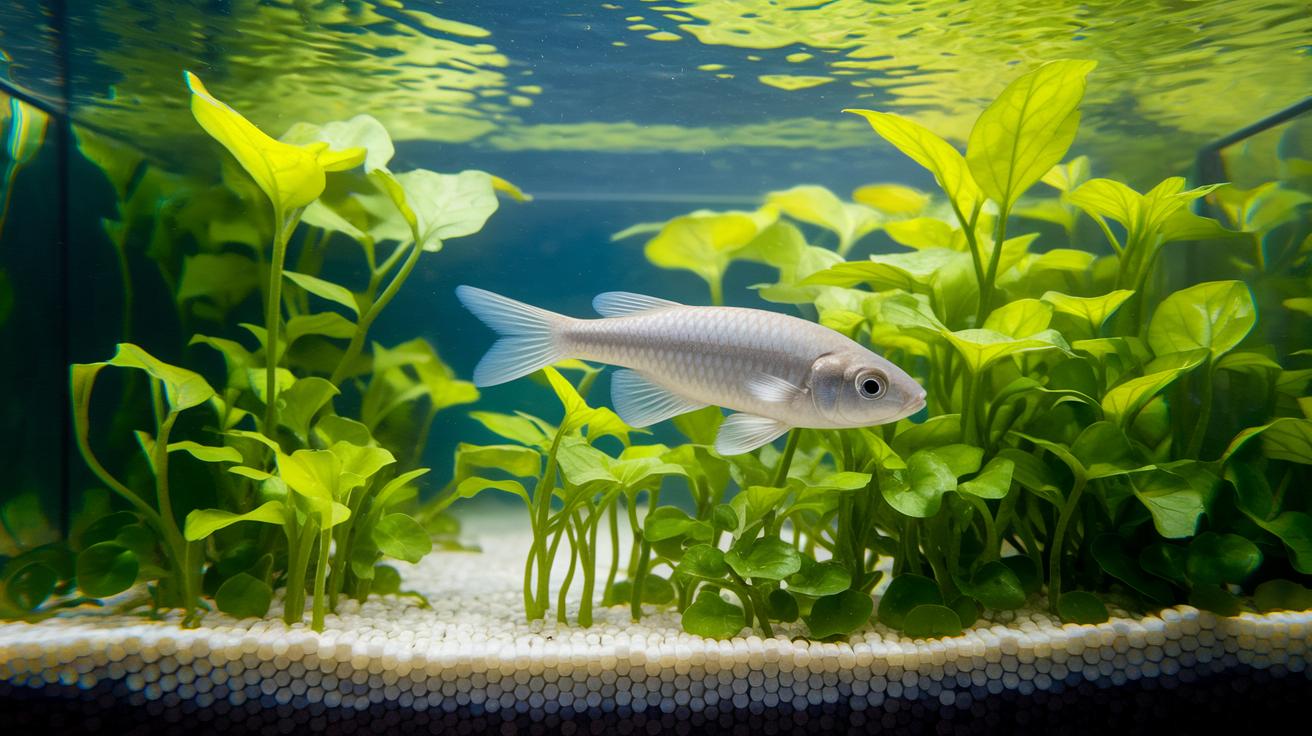
Setting up an indoor aquarium for your medaka rice fish is like creating a small piece of nature right in your home. Start with the basics, a school of six fish needs a 10-gallon tank to stay comfortable and stress-free. And make sure to use a snug lid so they don’t accidentally jump out. Picture your fish gliding around among floating duckweed, much like gentle ripples on a quiet pond. Floating plants offer shade and serve as natural spots for spawning, giving your little swimmers an enriched home.
Next, keep the water conditions just right with temperatures between 60 and 75°F and a pH level from 6.5 to 8.5. A gentle flow from a sponge filter or air stone will help maintain oxygen without disturbing your peaceful setup.
| Parameter | Recommended Range |
|---|---|
| Temperature | 60–75 °F |
| pH | 6.5–8.5 |
| Tank Size | Minimum 10 gal |
| Flow Rate | Low or Still |
| Plant Coverage | Floating & Shade Providers |
If you’re setting up an outdoor pond, try to mimic a rice-field environment. Use plenty of plants to create cover, which helps deter predators and keeps the water temperature steady. With carefully chosen filters and a slow, gentle water flow, you’ll craft an ideal retreat where your medaka rice fish can thrive both in beauty and in function.
Balanced Nutrition and Feeding Strategies for Medaka Rice Fish
Medaka rice fish flourish when they get a mix of foods similar to what they’d find in the gentle streams of nature. They love high-quality flakes and pellets, but they also get excited about live or frozen treats like bloodworms, mosquito larvae, brine shrimp, and even finely chopped veggies. Feeding them small amounts twice a day keeps them from overeating and helps their tummies digest smoothly. I like to give them a little handful in the morning and another in the afternoon, just enough for them to nibble leisurely throughout the day.
Young medaka need a bit of extra nutrition to grow strong and bright. Using micro-pellets or powdered fry food in their early days is like giving them a starter boost to develop well. Every now and then, I toss in a treat like freeze-dried Tubifex or Easy Fry to add a protein kick that can make their colors pop and keep them healthy. Offering a variety of foods not only balances their diet but also helps avoid any nutrient gaps, ensuring your medaka stay lively and beautiful. Experimenting with different foods can turn feeding time into a fun routine, much like discovering new treasures in the water.
Breeding Techniques and Spawning Lifecycle of Medaka Rice Fish
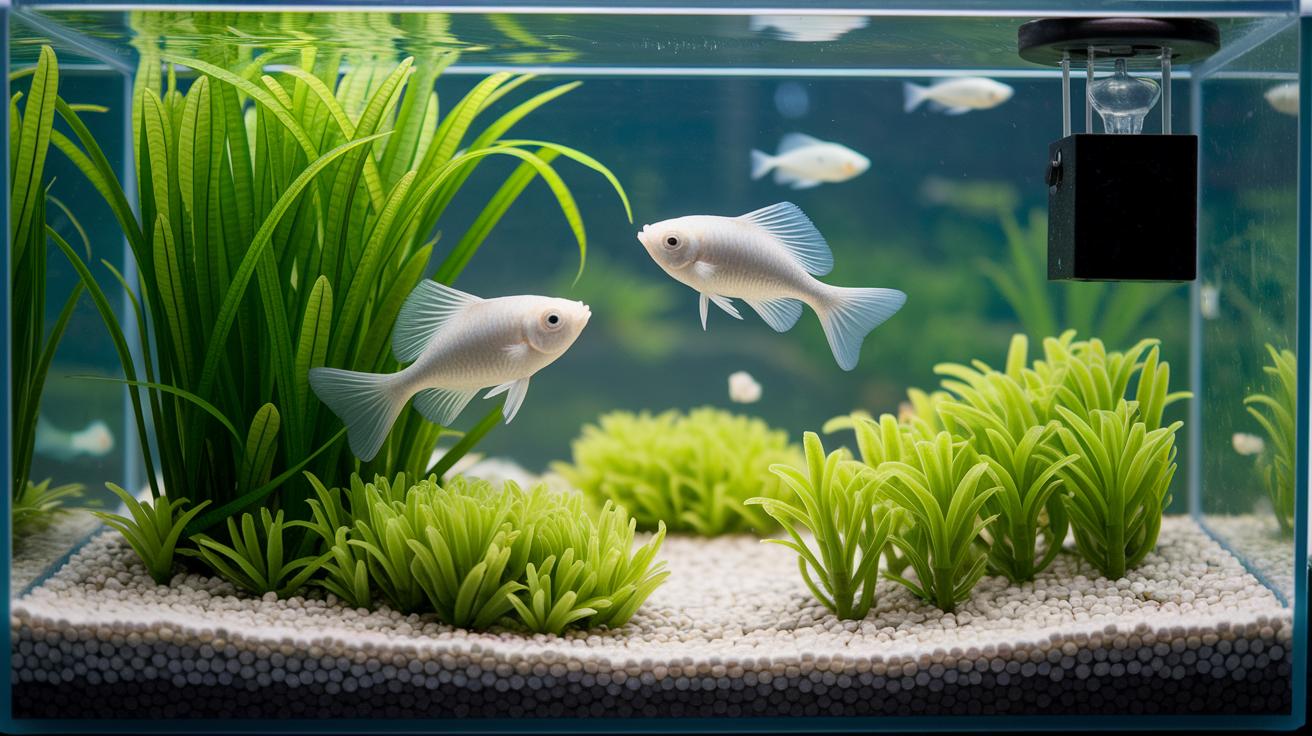
Medaka rice fish can breed all year long when they get about 14 to 16 hours of light every day. To create a comfy home for them, set up a small breeding tank between 5 and 10 gallons. Adding plenty of floating plants gives their eggs a natural place to stick, and using a fine mesh or even some leaves can help you keep an eye on them. Once the fish have spawned, it’s best to remove the adults so the eggs aren’t accidentally eaten. Think of it as giving your fish their own private nursery where nature works its magic.
Spawning Environment Setup
Creating the right spot for spawning is key. Use a tank bathed in soft, steady light to mimic a bright, sunny day. Floating plants not only add a bit of shade but also provide perfect spots for the eggs to attach. After spawning, take out the adult fish to prevent them from snacking on the eggs. This approach makes the shift from spawning to incubation feel smooth and natural.
Egg Incubation and Fry Rearing
Once the eggs are laid, it’s time to let nature do its part with a bit of care from you. Keep your tank’s water temperature steady at 70°F and perform gentle water changes so the eggs stay clean without getting disturbed. The eggs usually hatch in about one to two weeks. When the fry emerge, start them off on tiny treats like infusoria or microworms during their first week. Then, slowly switch them to a mix of powdered fry food and a few lightly crushed flakes to fuel their growing energy.
| Step | Action |
|---|---|
| 1 | Pair up your fish in a small group to encourage natural spawning behavior. |
| 2 | Maintain a steady 14-16 hour lighting schedule to kickstart the spawning cycle. |
| 3 | Let the eggs naturally attach to floating plants or fine mesh. |
| 4 | Keep the water at 70°F for the best egg development. |
| 5 | Wait patiently for 1-2 weeks until the fry hatch. |
| 6 | Feed the fry with infusoria or microworms first, then gradually introduce powdered fry food and crushed flakes. |
Exploring Color Variants and Strains of Medaka Rice Fish
Medaka rice fish are more than just simple tank occupants, they bring a burst of color and life to your aquatic world. You often see the classic wild-type silver, but breeders have also developed fun varieties like the bright orange Yokihi, the pure platinum white, and even blue-tinted "Celestial" fish. Some strains even mix several hues, giving your tank a playful and sparkling look.
Each type of medaka carries its own unique marks. For instance, the pearl galaxy strain has tiny, iridescent flecks that shimmer like gentle ripples under sunlight. It’s fascinating how these differences also hint at care needs, especially when it comes to the right lighting.
Some strains, like certain albino types, thrive with softer light, while the metallic ones really dazzle under broad-spectrum bulbs. Paying attention to these details is key to keeping them healthy and vibrant. With just a little color pattern check, you can easily spot those rare strains that add a touch of science and art to your little underwater haven.
Role of Medaka Rice Fish in Scientific Research and Genetic Studies
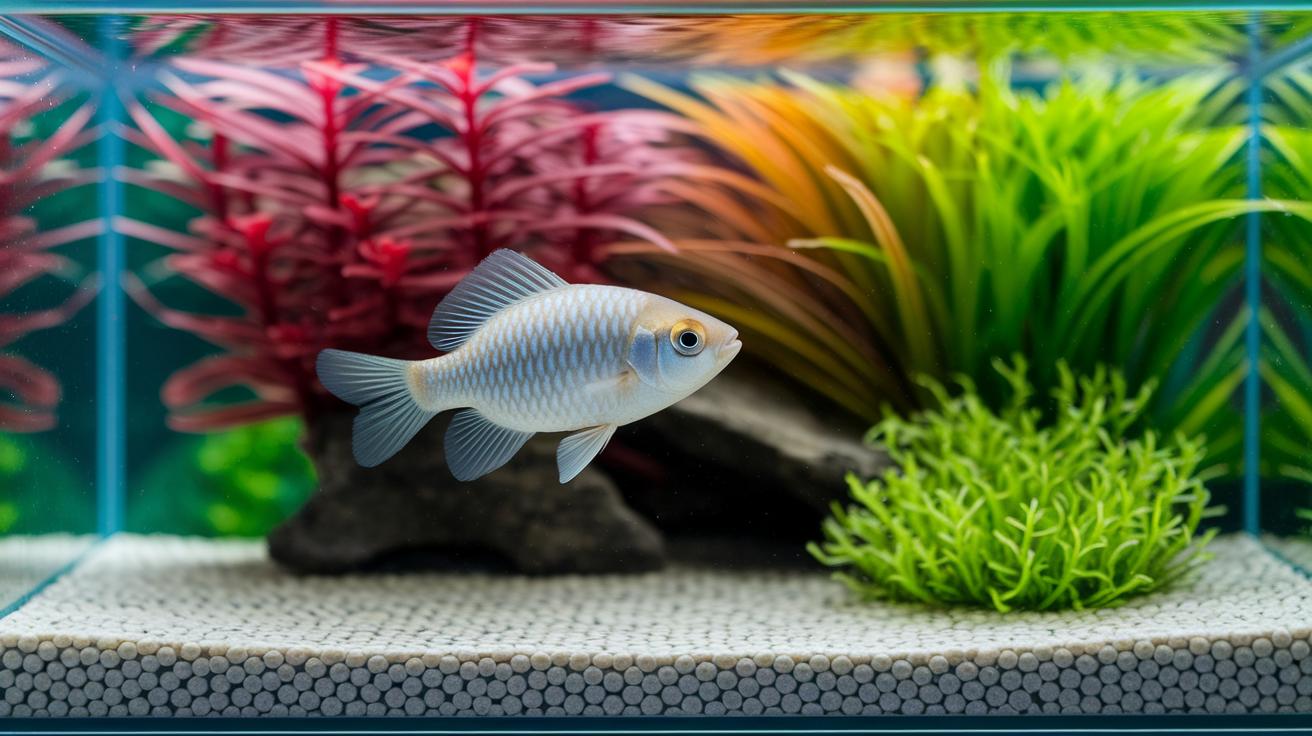
Medaka rice fish are like tiny heroes in the lab. With lifespans of only 12 to 18 months and embryos you can see through, they let scientists take a close look at early development. These cool traits make it a breeze for researchers to study how living things grow and to test how toxins affect them. In fact, when looking at their genes, scientists have found clues about what decides their colors and how they handle temperature changes. Their simple care routine and rapid growth really make them a natural choice for studying how genes impact health and behavior.
These little fish also have a neat trick: they can live in water with different salt levels. This ability makes them favorites for studies on osmoregulation, which is just a fancy way of saying they show how creatures adjust to different water conditions. By exploring how medaka thrive in varied water, researchers gain hints on how genes help them face environmental changes. This work not only deepens our understanding of genetic stress responses but it also gives us better ways to take care of water quality and our aquatic homes. Even tiny medaka rice fish remind us that big lessons in science and aquaculture can come in small, fishy packages.
Tips for Selecting, Purchasing, and Maintaining Medaka Rice Fish
When you're on the hunt for medaka rice fish, start by exploring online shops and checking out your local fish stores. Most common fish cost between $2 and $5, while the fancier types might run you about $8 to $15. Don’t forget to ask about the fish’s age and if they've been kept apart as needed before joining your tank. Look at reviews from other fish lovers, too, if a seller provides care tips and gets good feedback, it's a strong hint they care about quality as much as you.
Before you mix new medaka with your current fish, it's wise to follow quarantine steps. Keep the newbies in a separate tank for about two weeks at a cozy temperature of 70 to 75°F. This gives you a chance to check if they show any signs of illness, like ich or fin rot. Imagine a quiet little retreat for your fish where you can watch them closely, it really helps keep everything in balance.
Once your medaka settle in and are feeling at home, keep a routine check on their tank. Regular water changes, easy-going filtration, and watching for small shifts in behavior can make all the difference. With a bit of care and a steady hand, you'll create a lively and healthy underwater world that’s as smooth as a gentle ripple on a sunny day.
Final Words
In the action, we explored medaka rice fish biology, aquarium setup, feeding practices, breeding tips, color variants, and even their role in scientific research. The post broke down each step, like creating a safe tank space or selecting a trusted seller, to build a bright, balanced habitat for these small wonders.
Every aspect of fish care was shared with care, so you can enjoy a lively, healthy aquarium. Happy fish keeping and here's to a vibrant aquatic world ahead!
FAQ
FAQ
Where can I find medaka rice fish for sale?
The medaka rice fish for sale are available at local pet shops and reputable online hatcheries. Vendors usually provide fish with clear care and quarantine guidelines for successful aquarium setup.
What is the medaka rice fish price?
The medaka rice fish typically cost around $2–$5 per fish, while specialty strains may run higher. Price differences depend on strain rarity and distinctive color patterns.
Who are suitable medaka rice fish tank mates?
The medaka rice fish tank mates should be peaceful, small species that share similar water conditions. They thrive best with calm companions such as small tetras or dwarf shrimp that keep within the same temperature and pH range.
What are typical medaka rice fish colors?
The medaka rice fish colors range from the wild-type silver to vibrant oranges, platinum whites, and mixed hues. Their coloration is a result of selective breeding and shows off unique patterns.
How do I find medaka rice fish for sale near me?
The medaka rice fish for sale near you can be discovered via local pet store directories and aquarist community postings. Searching online with your location helps connect you with nearby, trusted sellers.
How do rice fish compare vs. guppies?
The rice fish versus guppy difference lies in appearance and habitat requirements. Medaka are smaller and tolerate cooler water, while guppies are livelier, more colorful, and thrive in warmer conditions.
What temperature do medaka rice fish prefer?
The medaka rice fish temperature range is best maintained between 60–75°F. This cool, stable range reflects their natural rice-field habitat, keeping the fish healthy and active.
How is medaka rice fish breeding managed?
The medaka rice fish breeding process requires a planted setup, stable temperatures, and gentle filtration. Consistent water conditions and proper separation of adults and fry after spawning help ensure successful reproduction.
Why are medaka rice fish considered expensive?
The medaka rice fish may seem expensive due to selective breeding for unique color morphs and traits. Their rarity and the care needed during breeding push the price higher for specialty variants.
What size tank does a medaka rice fish need?
The medaka rice fish need a minimum 10-gallon tank to provide ample space, reduce stress, and prevent jumping. Adequate room paired with plants and a secure lid helps maintain their good health.
How many rice fish should be kept together?
The medaka rice fish are best kept in groups of at least six. Maintaining a small school of six or more encourages social behavior, reduces stress, and creates a livelier aquarium environment.
Are medaka rice fish easy to breed?
The medaka rice fish are easy to breed under proper conditions, thanks to their year-round spawning and rapid reproduction. Stable water conditions and a planted setup make them a favorite among aquarists.