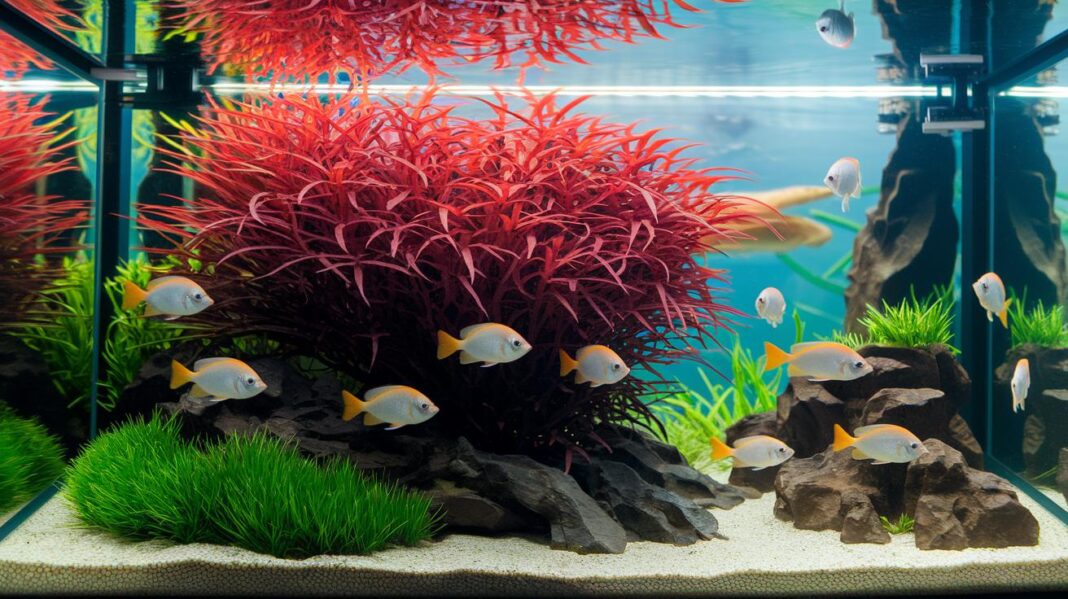

Have you ever thought that a few red aquatic plants might instantly brighten your tank, much like a sunset lighting up calm water? These special plants start as gentle greens and slowly change into warm reds that add a splash of magic to your aquarium.
Some red beauties need a little extra care to flourish, while others happily thrive in your everyday setup. It’s a bit like choosing the right ingredients for your favorite, simple recipe.
In this guide, we'll chat about picking the perfect red plants to bring a touch of life and color to your underwater world. You'll see how easy it is to create a vibrant scene without too much fuss.
Ever notice how calming and colorful an aquarium can be on a busy day? I invite you to dive in and discover which red plants could transform your tank into a lively, eye-catching display.
Selecting the Best Aquarium Red Plants for Your Tank
Ever noticed how red aquarium plants often start off green? Over 2 to 4 months, they slowly brighten into a vibrant red that looks a bit like the changing colors of a sunset reflected on rippling water. Think of a stem plant that, after a few weeks in the right light with enough nutrients, gradually blushes like the soft hues of a calm evening.
For those who prefer an easy-going approach, there are low-maintenance red plants that do just fine with your regular aquarium lights, low-nitrate fertilizers, iron supplements, and a simple substrate or some root tabs. These plants add a touch of red without the fuss of extra equipment. They work best in tanks where the basic needs are already set, and with a little patience, they slowly reveal their lovely color.
Then, there are the high-maintenance red varieties that crave a bit more attention. They need a boost from extra CO₂, like a little secret ingredient that can speed up growth by 4 to 10 times. These plants really shine under strong LED lights and benefit from a regular sprinkle of nitrate every few days. Their fast growth means they reward you with a lively display, if you're ready to keep a keen eye on them.
Both kinds bring their own charm to your tank, so think about what fits best with your setup and your daily routine. Whether you choose the easier route or decide to experiment for quicker transformation, your aquarium will soon be graced with stunning red foliage that feels like nature's own work of art.
Key Aquarium Red Plant Varieties and Their Traits
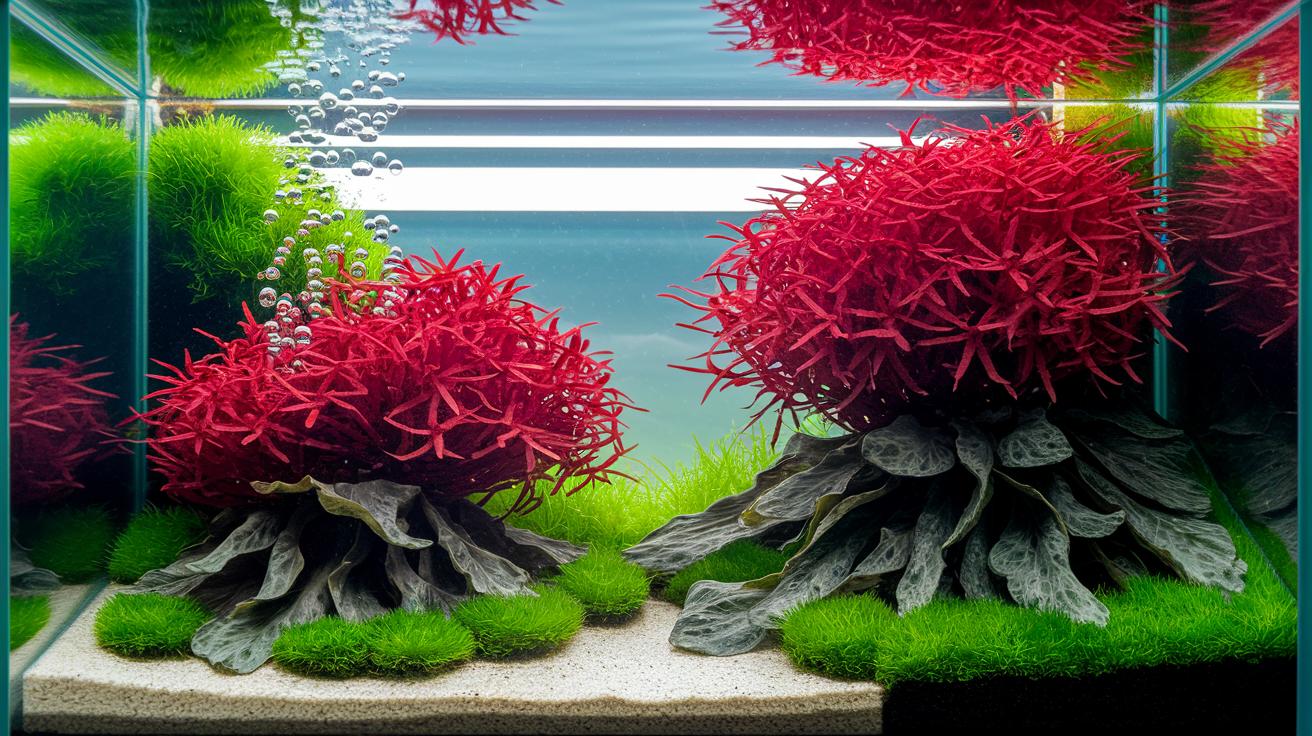
I remember the first time I tweaked my aquarium’s nutrients, it was like watching the gentle ripple of light over red coral. Rotala macrandra is a lively plant that grows fast when you add CO₂. It’s a real gem for background planting with a price tag of just €6.25, letting your tank burst with vibrant red shades quickly.
Meanwhile, Rotala rotundifolia and Ludwigia arcuata/brevipes develop deeper red tones when they face a touch of nitrate shortage. These plants need that perfect balance of moderate light and nutrients to create a stunning, ocean-like glow in your tank.
Ludwigia pantanal, although still a charming pick, doesn’t do as well under lean nutrient conditions. Its growth might slow down, which makes it a better choice if you’re setting up a low-tech aquarium.
Before I realized the secret behind these colors, even a simple nutrient tweak transformed my aquarium into a dazzling underwater scene. Every plant here brings its own special flair, so matching your species to your tank’s setup is key.
| Plant Species | Care Level | Light Intensity | CO₂ Requirement | Color Potential |
|---|---|---|---|---|
| Rotala macrandra | Moderate | High | Yes | Vibrant deep reds |
| Rotala rotundifolia | Moderate | Medium | Optional | Deeper red hues under nitrate limitation |
| Ludwigia arcuata/brevipes | Moderate | Medium to High | Optional | Rich red when balanced |
| Ludwigia pantanal | Easy | Low to Medium | Minimal | Subdued red, may stall in lean conditions |
Choosing the perfect red plant sets the stage for a colorful aquatic display. Each one brings its own little burst of life, offering endless creative ideas for your tank setup.
Aquarium Red Plant Care: Lighting, CO₂, and Nutrient Balance
CO₂ injection gives your red plants a refreshing burst of energy, helping them grow up to 4–10 times faster and intensifying those brilliant red hues. Picture your LED lights as the gentle waves that make your plants sparkle, they offer a mix of red and blue that brings out a striking pop in your tank. But, you know, too much light can invite pesky algae, so it’s important to find that sweet spot with light duration and intensity.
For that deep, ruby color to truly shine, your plants need a full mix of nutrients. They’re asking for a healthy blend of NPK (that’s nitrogen, phosphorus, and potassium), along with iron, phosphates, and magnesium. When you give them these essentials, you help slow down the green chlorophyll buildup, allowing the red color to come forward. A little nitrate limitation might even boost those red pigments by slowing green growth, just be careful not to go overboard, or your plants might get stressed.
Here’s a quick guide to keep your red plants happy:
| Step | Tip |
|---|---|
| 1 | Adjust your LED light intensity to suit your red plants. |
| 2 | Use a timer for steady, reliable lighting hours. |
| 3 | Inject CO₂ regularly to keep the plants growing strong and colorful. |
| 4 | Keep a balanced nutrient mix, especially with iron in the mix. |
| 5 | Monitor nitrate levels to boost red hues without stressing the plants. |
Keep a close eye on your tank, small tweaks in light, CO₂, or nutrients can really change the vibe of your red plants. With a balanced approach, your aquarium will burst with life, vibrant like an underwater dance, and give you that amazing natural view every time you glance at it.
Low-Tech Substrate and CO₂-Free Strategies for Red Aquarium Plants
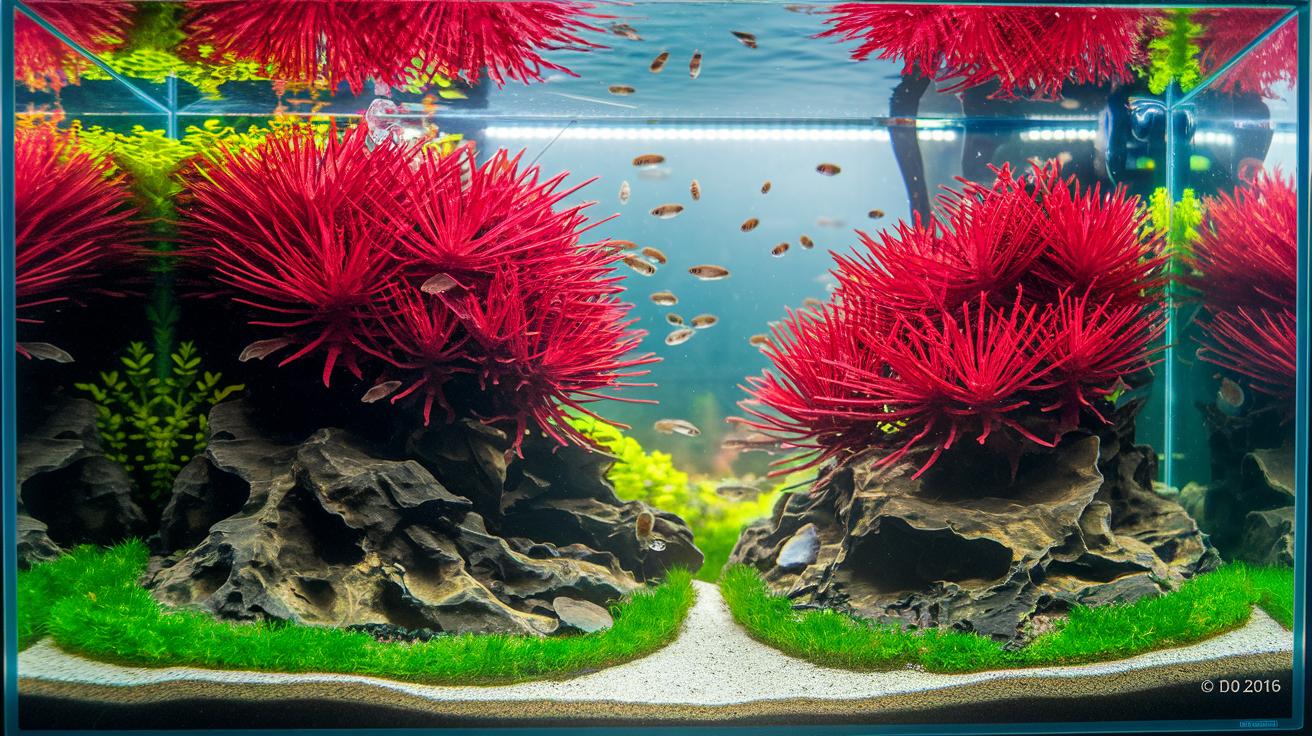
If you love red aquatic species that don’t demand high-tech gear, try this simple setup. A mineral-packed substrate serves as the heart of your low-tech tank, slowly releasing essential nutrients like the gentle ripple of water over smooth stones. Using a mix of low-nitrate fertilizers with iron supplements encourages those beautiful red shades while keeping extra green growth at bay.
For instance, add a little iron along with your fertilizer and watch as the plant’s tips start to glow with red. Root tabs feed your plants directly at their roots, giving them a strong start without needing any CO₂ injection. This method is much simpler than high-tech approaches that rely on extra equipment.
- Use a nutrient-rich, mineral-based substrate that slowly spreads out vital nutrients.
- Apply low-nitrate fertilizers with iron supplements to boost red pigments.
- Insert root tabs to deliver nutrients straight to the roots.
This low-tech strategy cuts down on extra care steps while still creating a vibrant underwater display.
Propagation and Maintenance Techniques for Aquarium Red Plants
Sometimes tending to your aquarium red plants feels like caring for a tiny underwater garden. Plants like Rotala and Ludwigia need a few gentle rounds of trimming and replanting to reach their best form and deep red shade. You might trim them three or four times until you see that burst of ruby growth. Start by cutting away any damaged or crowded parts, think of it as giving your plant a fresh start.
When you take cuttings, use a sharp, clean tool so you don’t stress the plant. Place those cuttings in water with a little rooting hormone if you have it, and once tiny roots appear, plant them back into your tank. Some aquarists also use lab-grown plantlets because they tend to keep algae at bay. I remember when I did this, it felt like watching new life bubble up under water.
Nurturing red plants is all about balance. Instead of overloading with iron, use a mix of nutrients like NPK (nitrogen, phosphorus, and potassium), phosphates, and magnesium. If your plants aren't showing off that vibrant red, try giving them an extra one or two hours of light or adjusting the brightness. Such small changes can reveal a hidden splash of color.
Here’s a simple guide to routine maintenance:
| Task | Action |
|---|---|
| Inspection | Check every few weeks for overgrowth or decay |
| Trimming | Cut and replant stems as needed |
| Fertilization | Use measured doses of balanced nutrients |
| Lighting | Adjust to support red pigment development |
| Root Feeding | Feed roots with targeted nutrients |
Regular care and a bit of tweaking help your red plants stay healthy and vibrant. Enjoy the process and the calming glow of your aquatic garden.
Integrating Aquarium Red Plants with Fish and Aquascape Designs
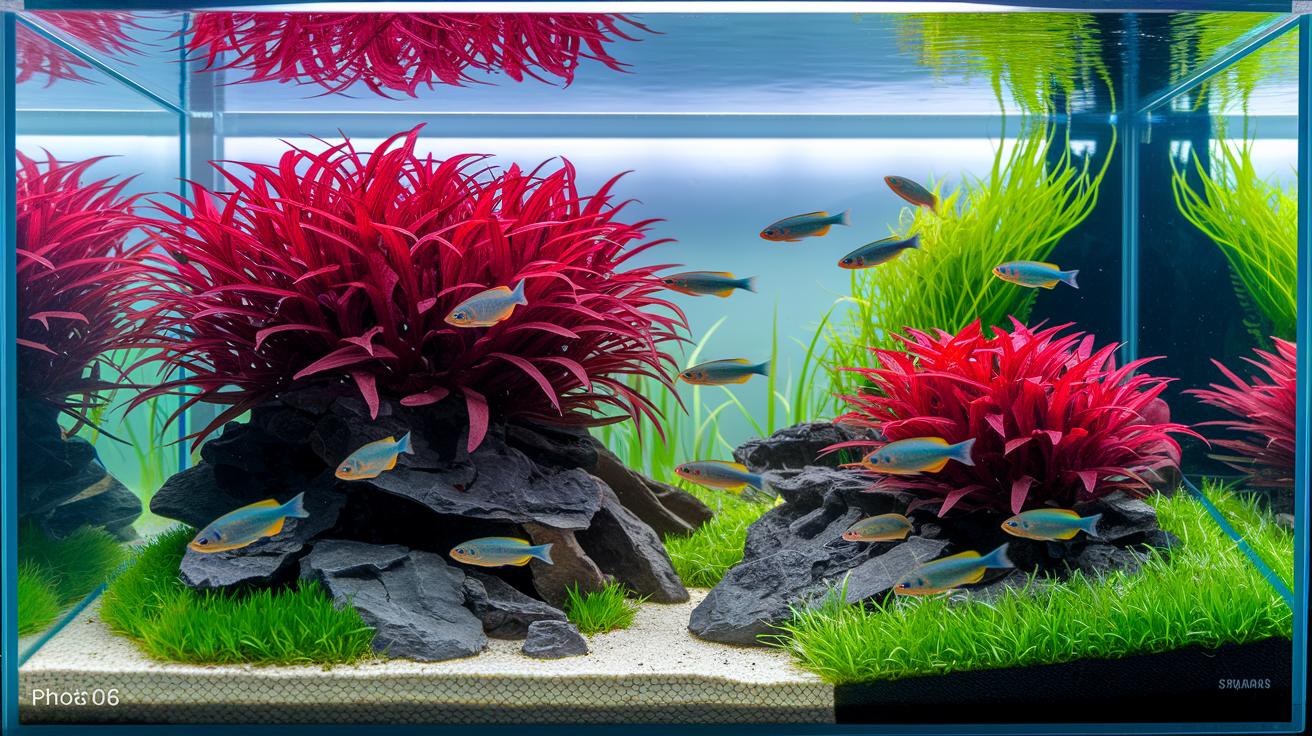
Imagine your aquarium as a cozy underwater home where every plant and fish plays its part in a lively dance. When you group red plants that need similar care, you create a space that feels both calm and exciting. For example, using red stems like Rotala macrandra as your background sets a bright stage, while midground beauties like Ludwigia repens rubi add lovely layers of depth. Their red hues mix with green accents to form a picture that feels as natural as a sunny pond.
Now, think about adding fish to bring out those vivid colors. A school of Neon Tetras can zip through and highlight the scarlet leaves, almost like tiny sparks of life among the plants. And maybe you’ll spot a lone Betta with graceful, fluttering fins taking center stage against the red. It’s like watching a beautiful ballet under the water, where each movement makes the scene even more special.
Here are some simple design tips to keep your tank looking amazing:
| Tip | Description |
|---|---|
| Similar Needs | Group plants that share the same light and nutrient demands. |
| Layering | Arrange them in zones: background, midground, and foreground for a natural look. |
| Fish Placement | Use fish to add movement and fill empty space with life. |
Think of your tank as a living work of art where every red, green, and twinkling fish adds to a vibrant scene. Isn’t it fun to create a space that echoes the gentle rhythm of water and nature's beauty?
Sourcing and Reviews for Aquarium Red Plants
Tropica Plant Rotala macrandra In-Vitro adds a brilliant flash of ruby color to your aquarium for just €6.25. Many fish lovers have noticed its fast growth and striking look, making it a favorite for tanks that need a pop of red.
Local shops, including a cozy Budapest store where you can see the plant in person, and well-known online vendors from around the world offer this eye-catching species. They even work with different currencies so you can shop with ease.
One happy aquarist said, "The red plant transformed my tank, and the expert guidance made all the difference." This kind of praise shows the plant not only livens up your tank but also comes with quality and timely support.
- Local and online shops deliver reliable red plant options
- Reviews and supplier comparisons back up its quality and service
- Detailed user feedback helps you pick the best red species for your aquarium setup
Final Words
In the action of exploring the best ways to care for your tank, we covered all from selecting vibrant aquarium red plants to matching lighting, CO₂, and substrate options. We shared practical advice on maintaining lush colors, propagating healthy growth, and designing spaces that complement your fish. Each strategy helps you build a balanced, captivating underwater world. Enjoy putting these tips into practice and watch your aquatic haven transform into a stunning display of natural beauty.
FAQ
What red aquarium plants thrive without CO₂ in a low-tech setup?
Red aquarium plants that do well without CO₂ use standard lighting, low-nitrate fertilizers, and supportive substrates to change from green to red over a few months.
Which red aquarium plants work best for beginners?
Beginner-friendly red aquarium plants are low-maintenance species that adapt to regular tank conditions, helping new aquarists see a natural color shift without complex CO₂ setups.
What red aquarium options create large or carpeting displays?
Large and carpeting red aquarium plants, including various red stem species, offer a dynamic backdrop and flowing design to enhance the visual appeal of spacious tanks.
Where can I find a list of top red aquarium plants and buying options?
A top list features species like Rotala macrandra, Rotala rotundifolia, and Ludwigia variants. These are available at reputable local and online retailers with quality reviews.
How do I keep my red aquarium plants vibrant?
Red aquarium plants remain vibrant by using proper light intensity, balanced nutrients, and controlled CO₂ or nitrate conditions to boost color formation and overall health.
What is the easiest red plant to grow in a fish tank?
The easiest red plant to grow is a low-demand variety that thrives under standard lighting and nutrient setups, making it ideal for beginners in low-tech aquarium environments.