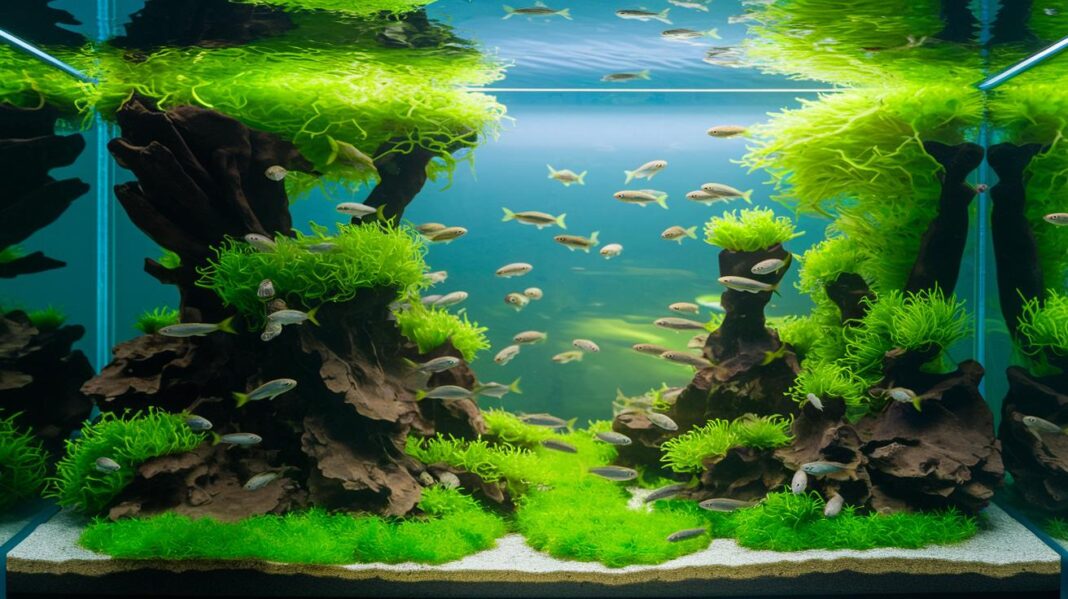

Ever wondered if algae in your tank is a buddy or a bit of a troublemaker? In small amounts, algae works like nature’s own filter, it adds oxygen and even transforms waste into food, much like a little helper in your underwater world. But too much algae can block out light and lower oxygen levels, which puts your fish in danger. It might even lead to blue-green algae taking over, and those can really harm your aquatic pals. I’m here to share a few thoughts on when algae is a good friend and when it might be causing trouble, so you can keep your tank balanced and your fish happy.
Assessing Algae’s Impact on Fish Health
Algae are tiny living organisms that work like underwater gardeners in your tank. They create oxygen during the day and help break down fish waste into useful nutrients. In just the right amounts, these light green films serve as a natural snack for many fish and invertebrates, like a little treat waiting to be enjoyed.
But when algae overgrow, they can start causing problems. Thick layers of algae may block light from reaching your live plants, making it harder for them to get the nutrients they need. At night, these algae can even use up oxygen, putting extra stress on your fish. And if blue-green cyanobacteria get involved, things can really go off track because these organisms release toxins that can hurt fish, people, and other aquatic life.
For delicate fish like bettas and other sensitive species, even small shifts in water chemistry can make a big difference. Keeping that gentle balance in your aquarium is key to helping all your aquatic friends thrive.
Identifying Harmful Algae Types Affecting Fish
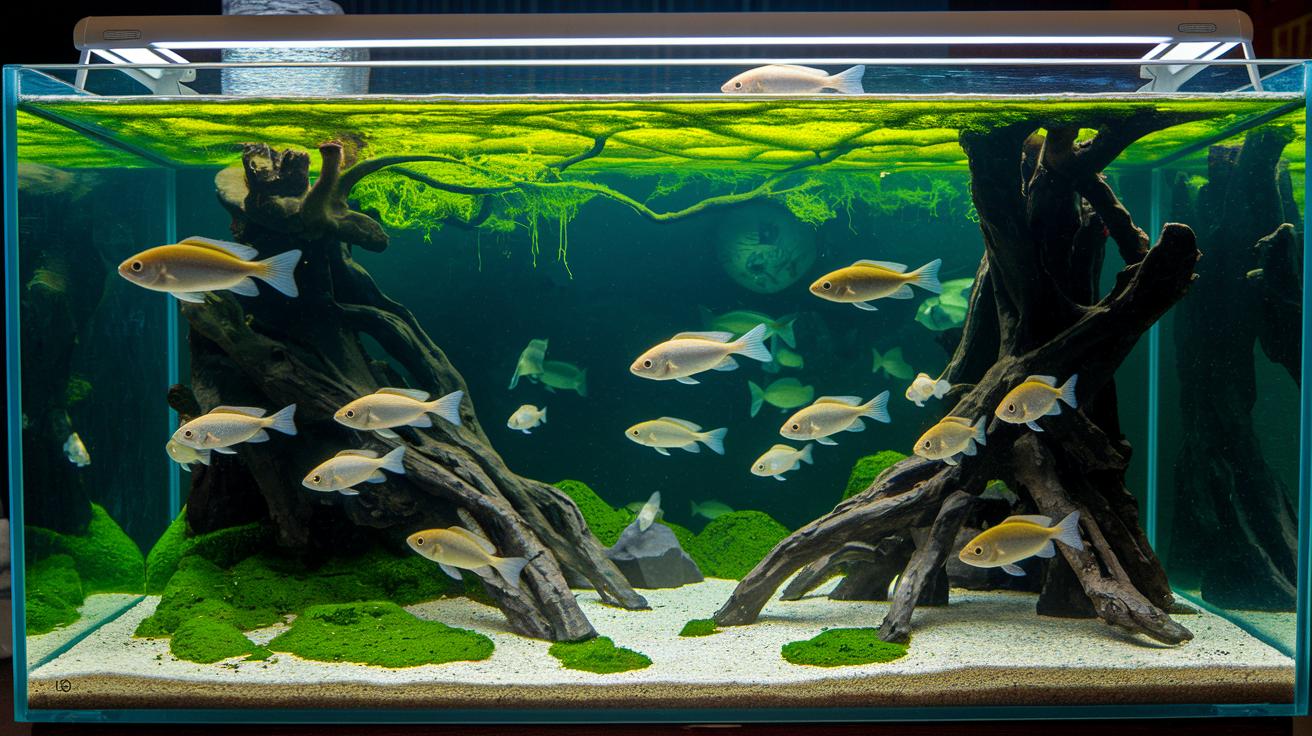
Sometimes, algae in your aquarium might look like no big deal, but when it starts to grow wild, it can really mess with your fish’s health. Take blue-green algae for example. Even though it's really a kind of bacteria called cyanobacteria, it forms slimy patches that smell pretty bad. These patches can release toxins that harm your fish. I remember one time I spotted a slick, green film on my tank’s surface, it was a clear sign that blue-green algae had taken over, almost like an unwelcome guest at a party.
Then there's brown diatom algae. You'll notice it as a thin, dusty layer on your glass. While it's not directly dangerous to your fish, its presence tells you that there might be too many silicates or phosphates in your water. In a way, it's like a little warning sign from your tank.
Black beard algae is another type that you might come across. It grows in clumps on rocks or decorations and can be a real headache to clean off. And if your fish brush against its rough edges, it might even irritate their fins, a bit like getting an unexpected poke when you least want it.
Hair algae forms long, stringy mats that can wrap around your fish and plants, cutting down their space to swim freely. Imagine trying to swim through a tangled net, it makes life in your tank a bit too cramped for comfort.
| Algae Type | Appearance | Fish Risk |
|---|---|---|
| Blue-Green (BGA) | Slimy patches with a bad odor | Releases toxins that can hurt or kill fish |
| Brown Diatom | Fine, dusty layer on the glass | Not directly harmful; warns of excess silicates/phosphates |
| Black Beard | Dark, bushy clumps on decorations | Tough to remove; may irritate fish fins |
| Hair Algae | Long, string-like mats | Can entangle fins and shrink swimming space |
Catching these algae early on can help you step in and keep your fish happy and your tank balanced. Ever notice how a clean tank feels as calming as a gentle ripple on a sunny day? Taking action at the first sign can save you a lot of trouble later.
How Algae Overgrowth Affects Fish Well-Being
When your tank fills up with too much algae, it can create a stressful scene for your fish. At night, the algae stop making oxygen but keep sucking up the little there is left. Ever notice your fish darting around like they're chasing a breath of fresh air? That’s their way of saying they’re feeling squeezed.
As the algae breaks down, it releases ammonia and nitrites into your water. These unwanted chemicals turn your tank into a tougher place to live by harming the gentle gills of your fish and messing with their natural processes. I once heard about a friend whose fish lost interest in mealtime, only to discover that decaying algae was the culprit.
On top of that, thick algae on the surface can block the light that live plants need. This disrupts the nitrogen cycle, making your tank less healthy overall. Poor light flow means plants struggle, and fish might even lose their appetite because of the toxins from some blooms. In short, an overgrowth of algae stirs up a series of challenges that can hurt the well-being of your aquatic friends.
Fish Tank Algae Management for Healthy Fish
Light and Nutrient Regulation
Keeping control of light and food in your aquarium is key. Try running your tank lights for only 8 to 10 hours a day and place your tank somewhere that avoids direct sunlight. This simple step acts like lowering the volume in your tank, making it harder for algae to find the energy it needs to grow. Plus, cutting back on feeding means fewer extra nutrients for algae to munch on.
Biological Controls
Sometimes nature lends a helping fin. Adding friendly algae-eaters like Otocinclus, Siamese algae eaters, or Amano shrimp can naturally curb algae growth. These little critters nibble away at algae, keeping your surfaces cleaner, even a small 10-gallon tank can benefit from their work. Also, nurturing good bacteria through proper filtration is like having behind-the-scenes helpers that outcompete algae for nutrients, keeping your aquarium balanced and healthy.
Mechanical and Chemical Methods
Other times, a hands-on approach is just what the tank needs. Gently scrubbing the glass and decorations with a scraper or pad can wash away algae buildup. Check out some quality aquarium cleaning supplies to make the job easier. Upgrading your filter or adding a UV sterilizer can clear free-floating algae and germs from your water. And if algae still stick around, a safe dose of phosphate binders or algaecides can help control the extra nutrients, giving your aquarium a refreshing cleanup for a clearer, safer habitat for your fish.
Maintaining Aquarium Balance: Safe Algae Levels for Fish
A little bit of algae in your tank can be a helpful sign that things might be a bit off. When you see a thin, green film on your glass or plants, it's like nature's way of giving you a friendly hint that extra phosphates or nitrates may be floating around. It’s a subtle signal that a small tweak in your aquarium care might be needed.
Even low levels of algae do some good work. They produce oxygen through photosynthesis, a simple process that turns light into energy, and help create a tiny food chain for helpful micro-organisms. Adding plenty of live plants works beautifully with these algae films, as the lush greenery soaks up nutrients that might otherwise spark harmful blooms. And by adjusting the number of fish so the bio-load fits nicely with your filtration and plant cover, you keep important water factors like pH, nitrates, and phosphates in check.
Keeping an eye on these clear water conditions lets you enjoy a balanced ecosystem, where algae stays beneficial and never turns into a problem.
Final Words
In the action, we explored how tiny algae films can support a balanced tank while excessive growth may stress fish. We broke down how to spot various types and shared tips on light and nutrient control, biological and mechanical fixes, plus smart water care. This guide shows that algae isn't bad for fish when kept in check, but overgrowth can pose risks. With steady care and small adjustments here and there, your underwater habitat can stay clean, comfy, and full of life.
FAQ
Is algae bad for fish tank, freshwater fish, or in general?
The idea that algae are always bad for fish oversimplifies the truth. In small amounts, algae recycle fish waste and add oxygen, but excessive blooms can choke your tank and produce toxins.
Is algae bad for betta fish?
The thought that algae negatively affect betta fish isn’t totally accurate. Betta fish can handle low algae levels, yet excessive algae may reduce oxygen and stress these delicate swimmers.
Is it okay for my fish to eat algae, or is algae bad for fish to eat?
The belief that fish should avoid algae isn’t completely right. Many fish nibble on algae as part of their diet, but feeding on too much may harm digestion and overall health.
Is green algae harmful to fish?
The notion that green algae always harm fish oversimplifies algae’s role. Green algae can provide food and oxygen, while dense blooms lead to low oxygen levels and stress for your aquatic friends.
How do I naturally get rid of algae in my fish tank?
The method for naturally reducing algae involves lowering light duration, manually cleaning surfaces, adding algae grazers like shrimps or Siamese algae eaters, and doing routine water changes to clear excess nutrients.
Is algae in a fish tank bad for humans?
The idea that algae in tanks pose a health hazard to humans isn’t fully clear. Usually, normal algae levels aren’t harmful, but large toxic blooms might release chemicals that could cause skin or eye irritation.
Can fish get sick from algae?
The thought that fish sickness from algae is unlikely is untrue. Overgrown algae deplete oxygen and release toxins, which can stress fish and lead to increased vulnerability to diseases.
What kind of algae can kill fish?
The warning that certain algae can be fatal holds true. Toxic blue-green algae, or cyanobacteria, form slimy mats that produce harmful toxins capable of killing fish if left unchecked.