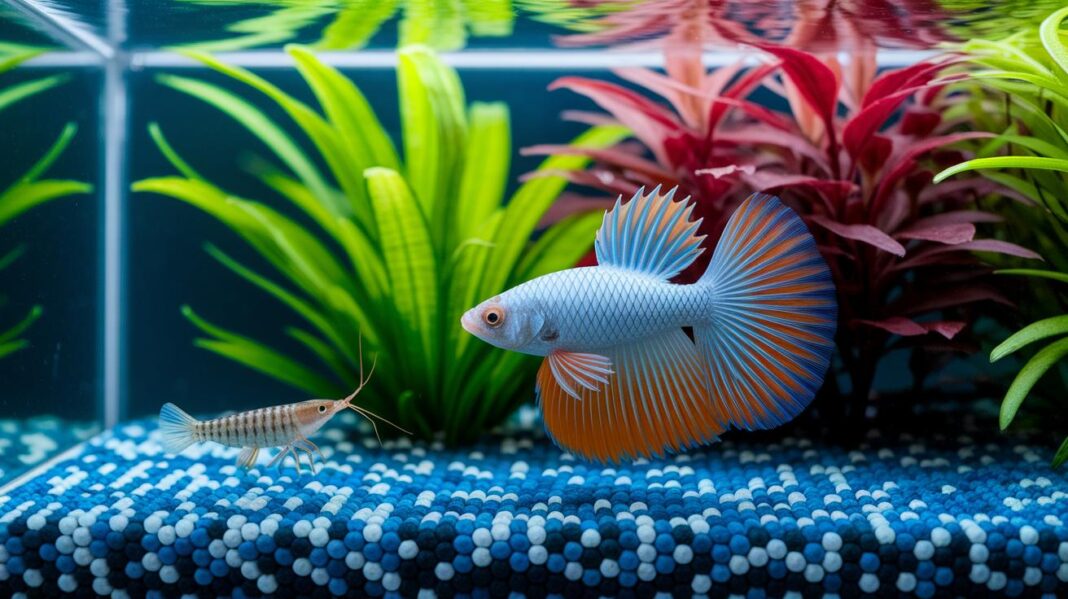

Ever wonder if your betta might see your shrimp as a little snack? Betta fish are clever hunters, and even tiny shrimp can catch their eye.
In this chat, we'll dive into how your betta’s natural instincts mix with different kinds of shrimp. We’ll share a few surprising details about which shrimp might be more at risk and how the way you set up your tank can really change things.
Get ready to learn how knowing your aquatic pals better can help create a more peaceful tank for everyone.
Will Betta Fish Eat Shrimp: Surprising Facts
Betta fish are natural hunters, always ready to chase down little moving things. They have a knack for spotting small creatures, shrimp included. It’s fun to watch them dart around the tank, sometimes leaping at a shrimp only to have the little critter hide away just in time.
Bright and busy shrimp like cherry shrimp or even ghost shrimp can really get a betta’s attention. However, shrimp that are a bit bigger usually slip away because they’re too big to gulp down quickly. The setup of your tank plays a big part too. When there are plenty of plants, shrimp flats, and leafy moss to hide behind, the shrimp get a better chance to stay safe from the chasing betta.
Every betta is a little different. Some might totally ignore the shrimp, while others could get a bit aggressive, especially if the shrimp are smaller or more see-through. A tank with lots of hiding spots can really help slow down a betta’s natural urge to hunt, giving the shrimp time to relax and enjoy their watery home.
Taking care of your tank by keeping the water just right and adding lots of cover can make a huge difference. It creates a gentle balance where even a hungry betta and busy shrimp can live together without too much drama.
Shrimp Species at Risk in Betta Fish Aquariums
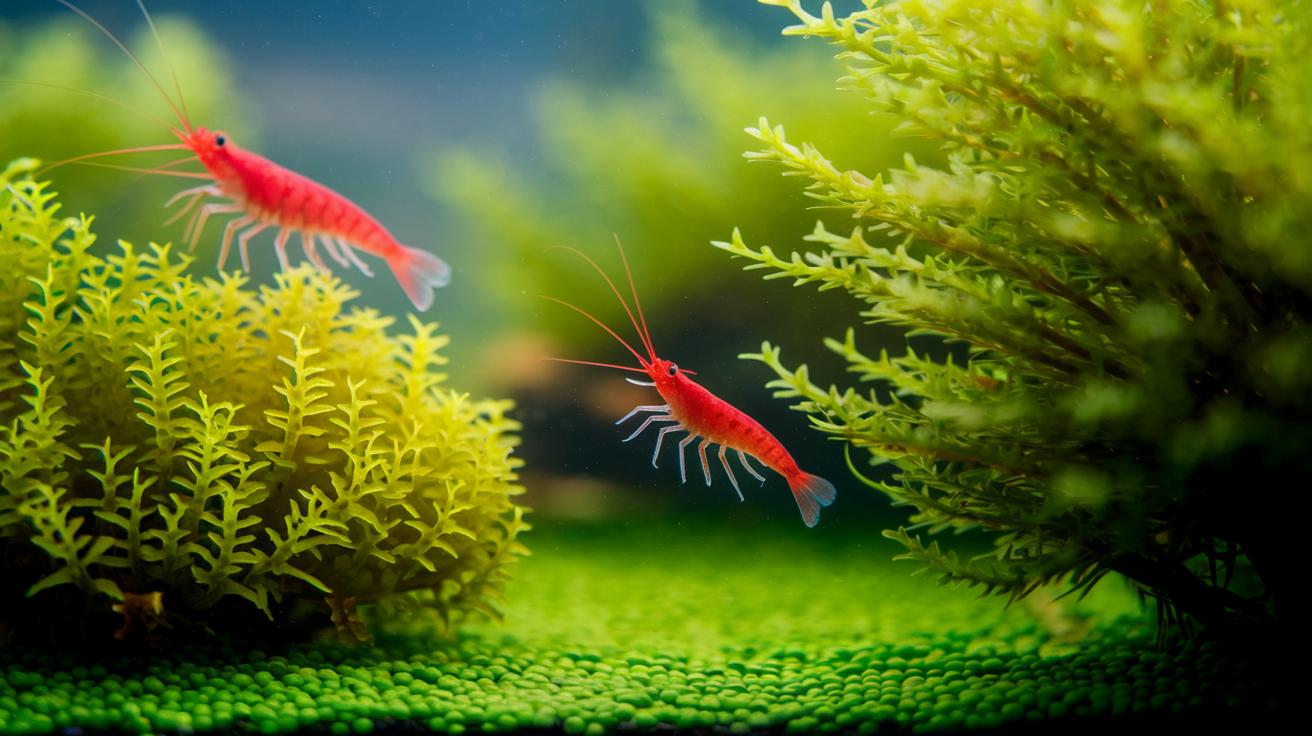
Red cherry shrimp dazzle with their bright red glow, almost like little gems dancing in your tank. But their tiny size means a betta might see them as an easy nibble. Picture a sparkling red shrimp, beautiful yet delicate enough to catch a betta's attention.
Amano shrimp grow a bit larger, about 2 inches long, and usually don’t pique a betta’s interest. Still, when they molt, their new, softer shell leaves them open to attack. Even though they’re tougher than the red cherry shrimp, that brief moment during molting makes them vulnerable.
Ghost shrimp, which can reach up to 1.5 inches, bring their own challenges. Their lively movements can sometimes get in the way of a betta’s fins, causing stress for both. Experienced aquarists have seen that young or nearly transparent ghost shrimp often disappear fast, proving that choosing the right shrimp and setting up your tank carefully is key.
Designing Safe Aquascapes for Shrimp and Betta Fish
Designing an aquarium where shrimp feel safe and your betta stays content is super important. Thick floating plants like Java fern and duckweed create gentle layers and soft covers that help shrimp sneak away unseen. Adding driftwood brings extra depth, forming natural tunnels that offer more hiding spots. Floor-level retreats like shrimp flats and a lush carpet of Java moss give little critters secure spots, so the betta is less tempted to chase after them.
Think of your aquarium like a small town where every corner hides a secret nook for a tiny shrimp, much like quiet spots in a peaceful garden. It’s a vivid picture of an aquascape built with safety in mind.
You might also add shrimp-friendly decor, such as ceramic hideouts or PVC tubes. These clever touches mimic the snug crevices found in nature, giving shrimp even more places to hide. And remember, tank size matters a lot too, a tank of at least 10 gallons works much better than a cramped 2.5-gallon setup. More space means fewer run-ins between your betta and shrimp, keeping everyone more relaxed.
- Dense floating plants like Java fern and duckweed
- Driftwood to create layered hiding spots
- Shrimp flats and Java moss for ground-level cover
- Ceramic shelters and PVC tubes for extra protection
Optimizing Feeding Routines to Reduce Shrimp Predation
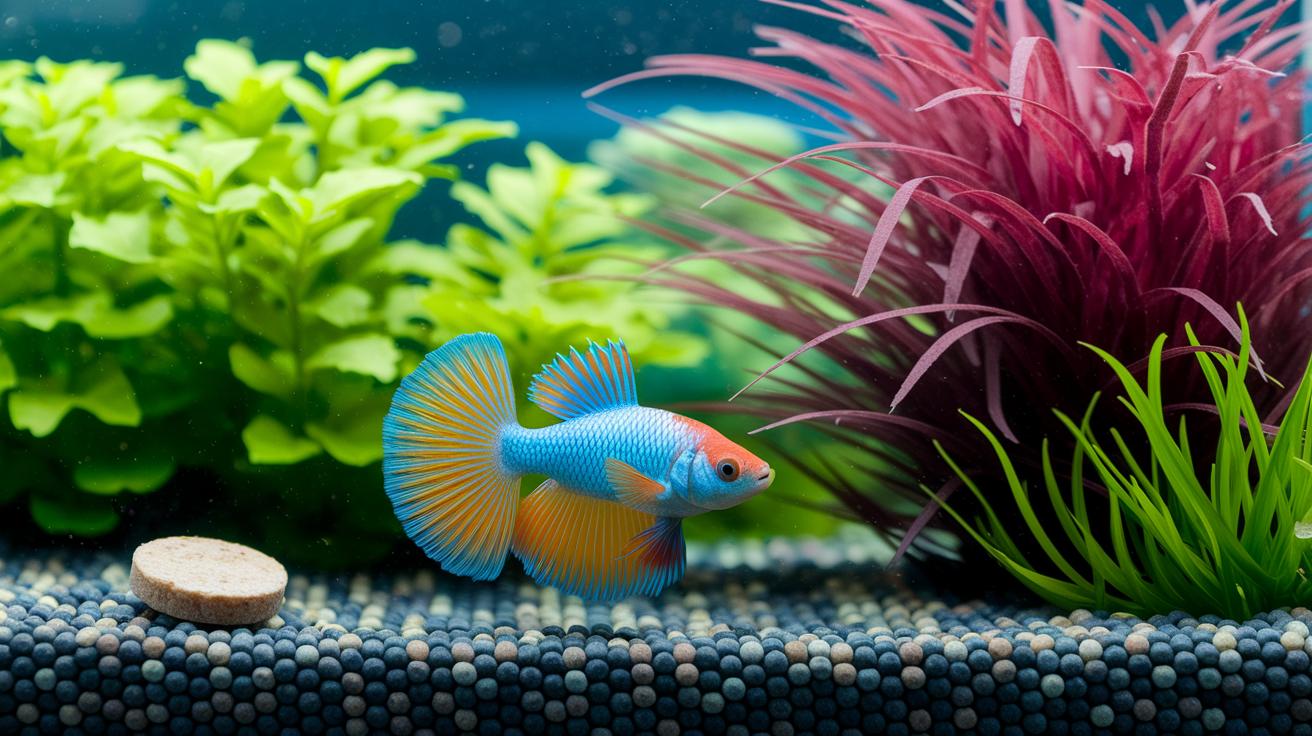
Feeding your betta with high-protein pellets a couple of times each day works like a little calming treat. It helps keep the fish full and less likely to dart after the shrimp. Imagine it like offering a favorite snack on a relaxing night, this way, your betta feels content and is less tempted to hunt the slow-moving shrimp hiding around the tank.
Spreading out meals during the day is important too. By placing some sinking wafers or algae wafers at the bottom, you gently nudge your betta’s attention away from the shrimp. And once a week, you can mix things up with a bit of live or frozen food, like brine shrimp or daphnia. Just a little treat, as too many of these can make your betta overly excited.
| Feeding Tip | Description |
|---|---|
| High-Protein Pellets | Feed two to three times daily to keep hunger at bay |
| Sinking & Algae Wafers | Place at the bottom to divert focus from shrimp |
| Live or Frozen Foods | Offer once a week to spice up the diet without overdoing it |
This routine helps create a calm, balanced tank where your betta enjoys its meals and leaves the shrimp in peace.
Maintaining Water Parameters for Shrimp Safety with Betta Fish
Keeping your tank's water steady is like creating a gentle current that makes both your bettas and shrimp feel at home. Bettas like it warm, around 78 to 80°F feels cozy for them, while cherry shrimp prefer cooler waters, between 68 and 78°F. By balancing these temperatures, you're setting the stage for a calm and happy aquatic community.
The water's pH is really important too. Think of it as the perfect seasoning for your tank. Bettas do well with a pH between 6.5 and 7.5, but cherry shrimp are happiest between 6.8 and 7.2. Adjust the water slowly so both species can settle in without any unnecessary stress. Meanwhile, keep nitrates under 20 ppm, and make sure ammonia and nitrite stay at 0 ppm to create a safe, soothing environment.
Water hardness is another key player. Neocaridina shrimp thrive in soft to moderately hard water, around 4 to 8 dGH. If you have Caridina shrimp, they need even softer and a bit more acidic water to really flourish.
- Monitor your tank’s temperature carefully
- Adjust the pH gradually for a smooth change
- Keep nitrate, ammonia, and nitrite levels in check
By maintaining these stable water conditions, you'll build a well-balanced tank where both bettas and shrimp can swim freely and comfortably, much like enjoying a quiet day by a gentle stream.
Safe Introduction Protocols for Adding Shrimp to Betta Tanks
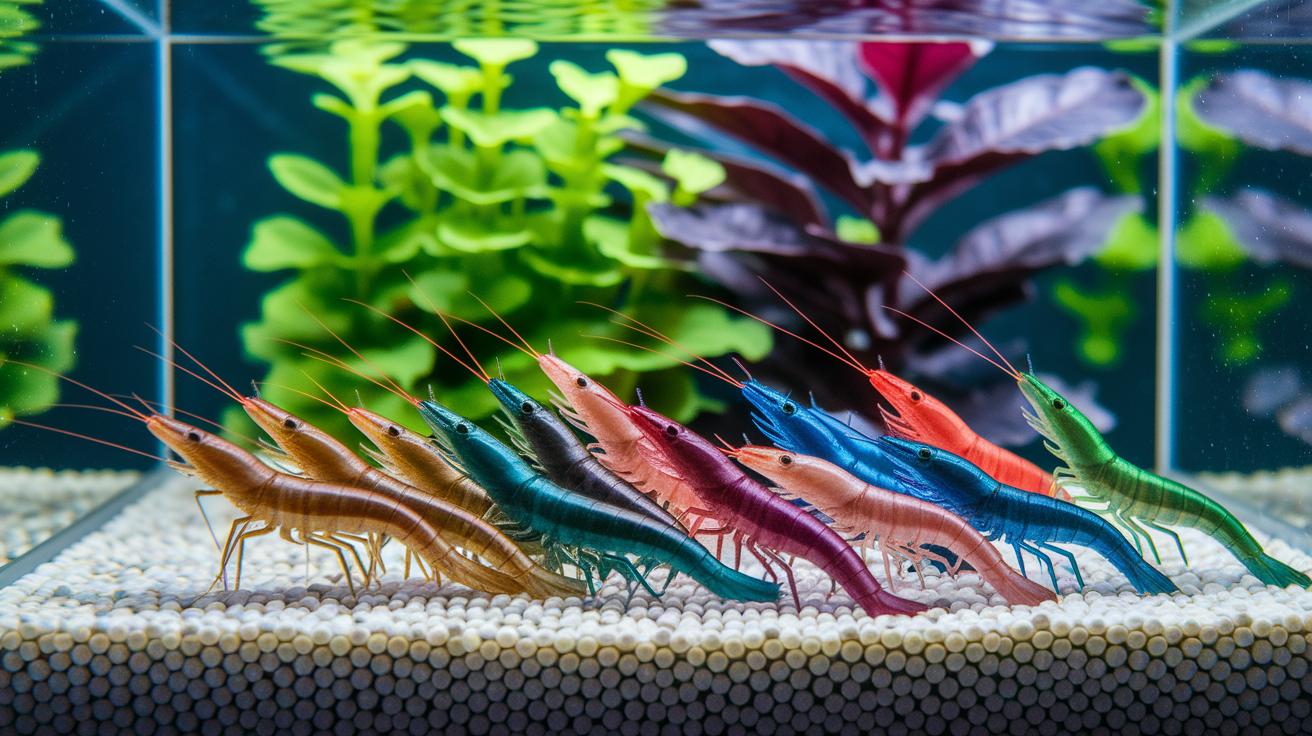
Start by keeping any new shrimp in a separate quarantine tank for 7 to 14 days. During this time, let your little shrimp adjust while you watch over their health. It’s like trying out a new recipe before you serve it to your family. Just imagine placing a few shrimp in another tank and checking on them daily to see if they seem calm and well.
Next, when you’re ready to introduce your shrimp to the betta tank, use a slow drip acclimation over one to two hours. This careful process lets the water conditions in the quarantine match those in your betta’s home, much like gently mixing two kinds of juice until the flavors blend just right.
Then, introduce the shrimp at dusk when your betta is less active. This softens the chance that your betta will chase after them too quickly. Begin with a small group of about five to ten shrimp and keep an eye on them for the next one or two days. Make a mental checklist to note any odd behavior or signs of stress such as hiding, moving less, not eating normally, or if your betta seems to be giving chase.
By following these steps slowly and carefully, you’ll help your shrimp settle in and thrive in their new shared home.
Monitoring Betta Behavior and Shrimp Stress Indicators
Keep a gentle watch over your betta like you would admire the soft ripple of water at dawn. Early hints of aggression can show up in little ways, your betta might be chasing its own tail (or another spot) or darting quickly around the tank. And if you catch it fin-nipping at a shrimp, that could mean it’s about to take more serious action.
Shrimp stress is a bit more subtle, like a quiet change in the water’s color. When you see a shrimp losing its bright hue, hiding in its favorite nook, or suddenly eating less, these are signs it might be feeling overwhelmed. Imagine a shrimp that usually scuttles busily now staying very still near a plant, it’s a little cry for help.
It can be really helpful to jot down these behaviors over time. Spend about 7 to 14 days noting down what you see, whether in a little notebook or with photos. Keeping track of things like the following can show you patterns:
| Behavior | Observation |
|---|---|
| Chasing and abrupt darting | Repeated quick moves around the tank |
| Fin-nipping | Brief attacks on shrimp |
| Excessive hiding | Shrimp staying sheltered or eating less |
If this aggressive behavior sticks around for more than 48 hours, it might be time to add more cover to your tank or gently move the shrimp to a safer spot. Keeping these simple notes gives you a clear picture of how your betta and shrimp interact, so you can step in early and keep your aquatic family happy and safe.
Top Shrimp Choices for a Betta-Compatible Community Tank
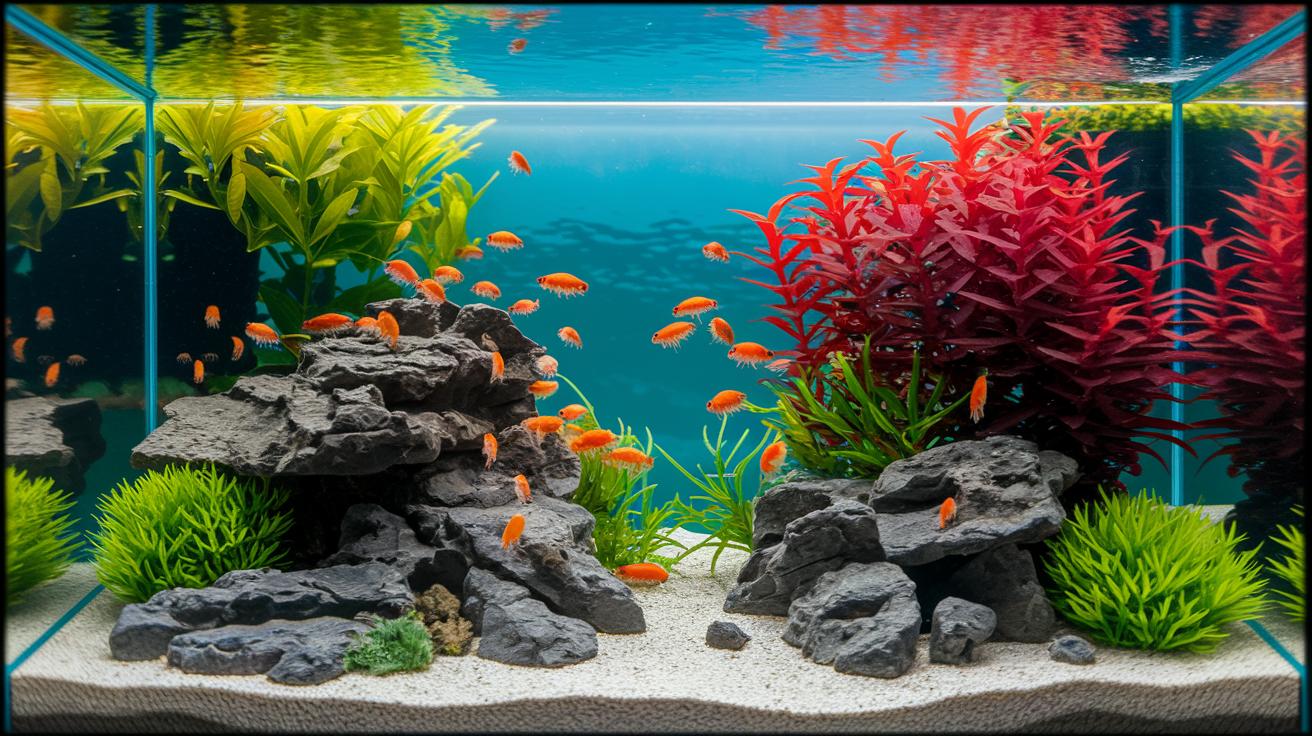
If you're setting up an aquarium where bettas and shrimp can both flourish, picking the right shrimp is key. Each shrimp has its own personality, and choosing those that mesh well with bettas can make for a peaceful tank. Here’s a friendly rundown on some shrimp that tend to work nicely with bettas, along with a few care tips for the more sensitive types.
- Amano Shrimp (Caridina multidentata): These shrimp usually grow about 1.5 to 2 inches and are great at nibbling on algae. Their larger size offers a bit of extra protection, though they can be a little more at risk when they’re molting.
- Red Cherry Shrimp (Neocaridina davidi): Tough little creatures that reach around 0.75 to 1 inch, they bring a pop of bright color to the tank. However, they benefit from plenty of hiding spots to keep them safe from active bettas.
- Ghost Shrimp (Palaemonetes paludosus): Usually around 1 to 1.5 inches, these active scavengers add a lively touch. Their transparent bodies make them extra noticeable to bettas, so keep an eye on the interactions.
- Blue Dream Shrimp: A color variant that shares similar needs with other Neocaridina shrimp, these beauties add a subtle splash of color, like a calm ripple on a bright day.
- Green Jade Shrimp: A larger type of Neocaridina, these shrimp bring a unique green tone and a bit more robustness to your aquatic setup.
- Orange Pumpkin Shrimp: With their vibrant hues, these shrimp are a delightful addition and tend to be quite hardy.
- Orange Rili Shrimp: Often semi-transparent, these shrimp need extra care due to their delicate nature, so watch them closely around more active competitors.
And just a heads-up: if you’re looking at Crystal Reds/Blacks, they require RO/DI water and softer conditions, while Sulawesi species do best in hard, alkaline water and are best suited for more advanced aquarists. Enjoy creating your own serene underwater community!
Final Words
In the action of designing safe tanks and tailoring feeding routines, you’ve learned how betta instincts meet shrimp safety. We explored creating secure aquascapes, managing water conditions, and adjusting diets so both species live comfortably. Every step, from spotting early stress signs to choosing the right shrimps, adds to a thriving aquarium. Remember, will betta fish eat shrimp? With these tips, you’re set to build a lively underwater space filled with care and possibility.
FAQ
Will betta fish eat shrimp, like noted on Reddit?
The question about betta fish eating shrimp means that bettas, being carnivorous, may chase small shrimp if they easily catch them. Providing proper hiding spots can help keep shrimp safe.
Will betta eat cherry shrimp, baby shrimp, or blue shrimp?
The question about bettas eating cherry, baby, or blue shrimp shows that bettas often target smaller, slow-moving shrimp. Selecting larger or more agile shrimp and adding cover helps avoid unwanted snacking.
Can I keep shrimp with a betta in a 5-gallon tank?
The question about housing shrimp with a betta in a 5-gallon tank means that space is tight. Smaller tanks increase encounters, so opt for a larger tank or many hiding places when pairing these species.
Will betta fish eat snails?
The question about bettas and snails suggests that while bettas usually focus on shrimp or small invertebrates, some may nip at slow-moving snails if they mistake them for prey.
How can I stop my betta from eating shrimp?
The question on stopping a betta from eating shrimp indicates that a well-planned feeding routine and a tank filled with plants and shelters can distract bettas from chasing shrimp.
What are the best shrimp choices for a betta tank?
The question about the best shrimp for a betta tank means that species like Amano, red cherry, and ghost shrimp work well if the tank layout includes plenty of cover and hiding spots.
Do betta fish like live shrimp?
The question about bettas and live shrimp shows that while some bettas may be intrigued by live shrimp, their natural instincts often lead to chasing, so extra precautions might be needed.